1 hr ago
Northeastern India Celebrates Ganesha Through Rocks, Folklore, and Nature

Ganesh Chaturthi is celebrated in many different ways across northeastern India.
In some places, Ganesha is not represented by a temporary clay statue.
At Sri Surya Pahar in Assam, a large Ganesha is carved into an ancient rock.
The article says local traditions also connect Ganesha with elephants, forests, and protecting farms.
Some Assamese shrines show unusual forms of Ganesha, including one with five heads riding a lion.
In parts of Arunachal Pradesh and Sikkim, he is linked with protective Buddhist figures called Kangiten or Vinayaka.
Cities still hold colorful community pandals.
Rural communities may use bamboo, banana leaves, local fruits, rice, and fresh farm foods in their celebrations.
These customs show how Ganesha worship has blended with the region’s natural environment and indigenous traditions.

Sri Surya Pahar in Assam features a twelve-armed Ganesha carved into granite rock more than 1,000 years ago.
The article connects Ganesha worship in Assam and Meghalaya with indigenous reverence for elephants, forests, and nature.
Assamese traditions include tantric forms such as Heramba Ganapati and Uchchhishta Ganapati.
In Arunachal Pradesh and parts of Sikkim, Ganesha is associated with Kangiten or Vinayaka in Buddhist and local traditions.
Rural celebrations emphasize fresh produce, bamboo decorations, community meals, and local devotional songs alongside conventional pandals.
- Who
- Communities across northeastern India, including people in Assam, Meghalaya, Arunachal Pradesh, Sikkim, Tripura, and Manipur, celebrate Ganesha in regional ways.
- What
- The article describes distinctive Ganesha traditions, sacred sites, forms, offerings, and celebrations in northeastern India.
- Where
- The practices are described across northeastern India, including Sri Surya Pahar in Assam, Guwahati, Meghalaya, Arunachal Pradesh, Sikkim, Tripura, and Manipur.
- When
- The traditions are discussed in connection with Ganesh Chaturthi and practices that the article says developed over centuries.
- Why
- The celebrations reflect the region’s indigenous beliefs, reverence for nature and elephants, tantric traditions, and community customs.
Key facts
- Featured site
- Sri Surya Pahar in Goalpara district, Assam
- Rock-carved figure
- A twelve-armed seated Ganesha carved into granite rock
- Traditional forms
- Heramba Ganapati and Uchchhishta Ganapati are referenced in Assam
- Regional Buddhist connection
- Ganesha appears as Kangiten or Vinayaka in parts of Arunachal Pradesh and Sikkim
- Local offerings
- Sugarcane, wild fruits, sticky rice, and soaked pulses with ginger and coconut
- Decorations
- Green bamboo and banana leaves are used in traditional setups
- Urban celebrations
- Guwahati, Dibrugarh, and Silchar host community pandals
Sources
Related news

How Indigenous Sacred Traditions Endure Across the North East
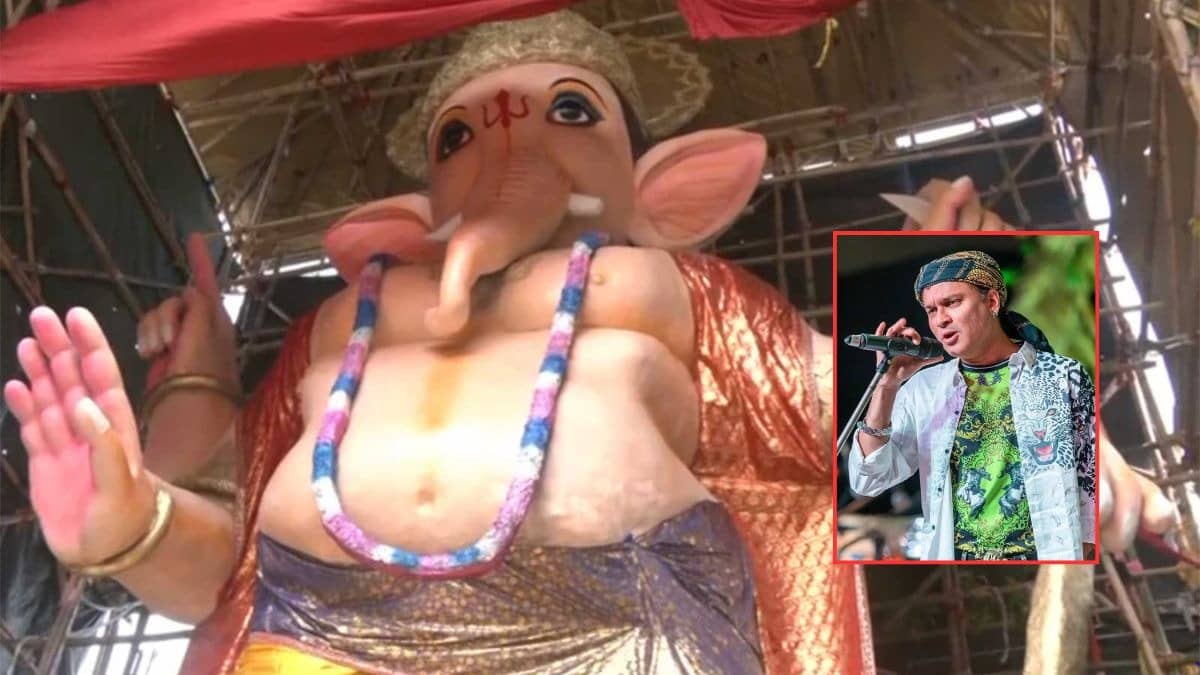
Assam’s 45-Foot Ganesh Idol Honors Singer Zubeen Garg
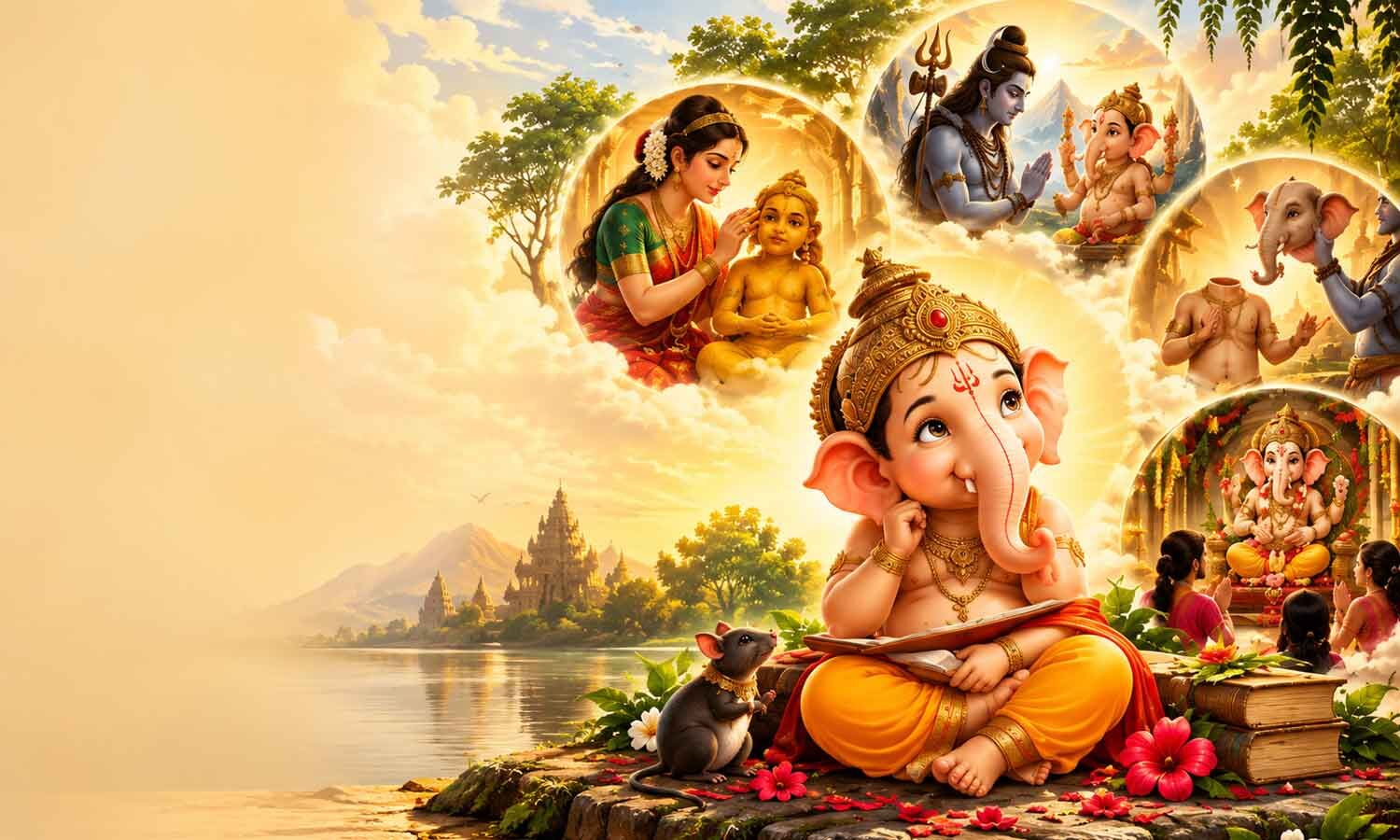
Ganesh Chaturthi Celebrates Ganesha’s Birth and Enduring Spiritual Significance

Ganesh Chaturthi 2026: Traditional Foods Offered to Lord Ganesha
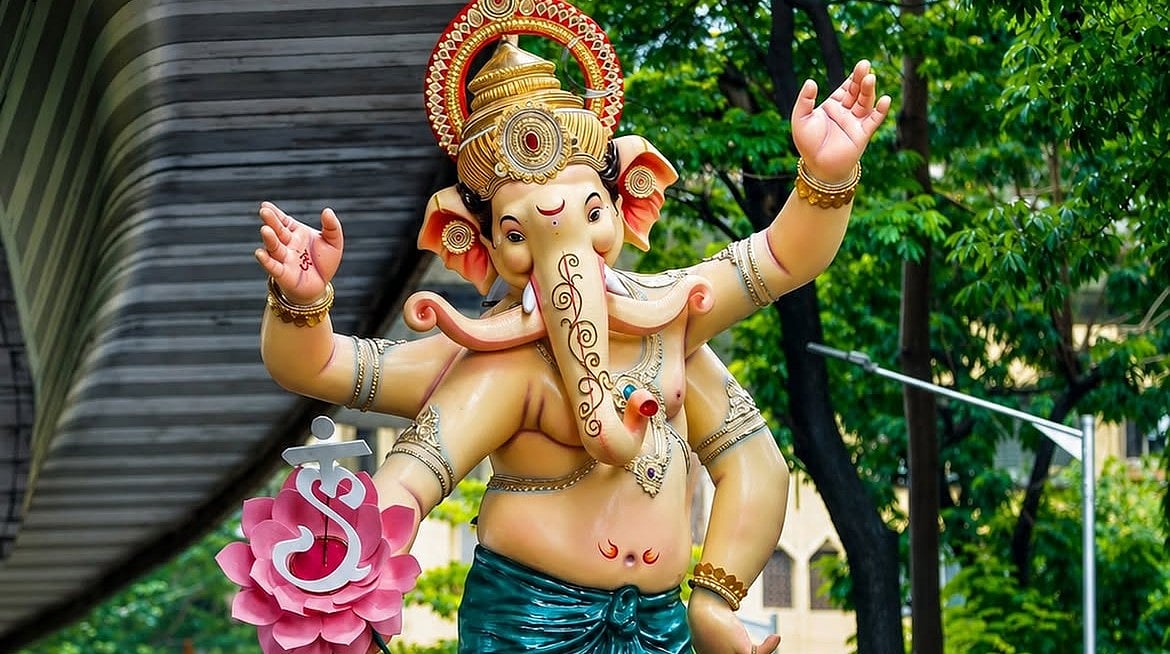
Mumbai Cha Lambodar's Rare Three-Trunk Ganapati Idol Goes Viral
Trendy Ganesh idols drive booming Nunna festival market
Ganesh Chaturthi 2026 Wishes, Messages and Quotes for Loved Ones
Tiny Ganesha Pin Idol Carries A Message For Planet

Ganesh Chaturthi Promotes Ayurvedic Habits For Brain Health
Yogi, Gadkari Extend Greetings as Ganesh Chaturthi Celebrations Begin