2 hrs ago
Darjeeling Tea Production Plunges 61 Percent, Threatening Industry’s Future
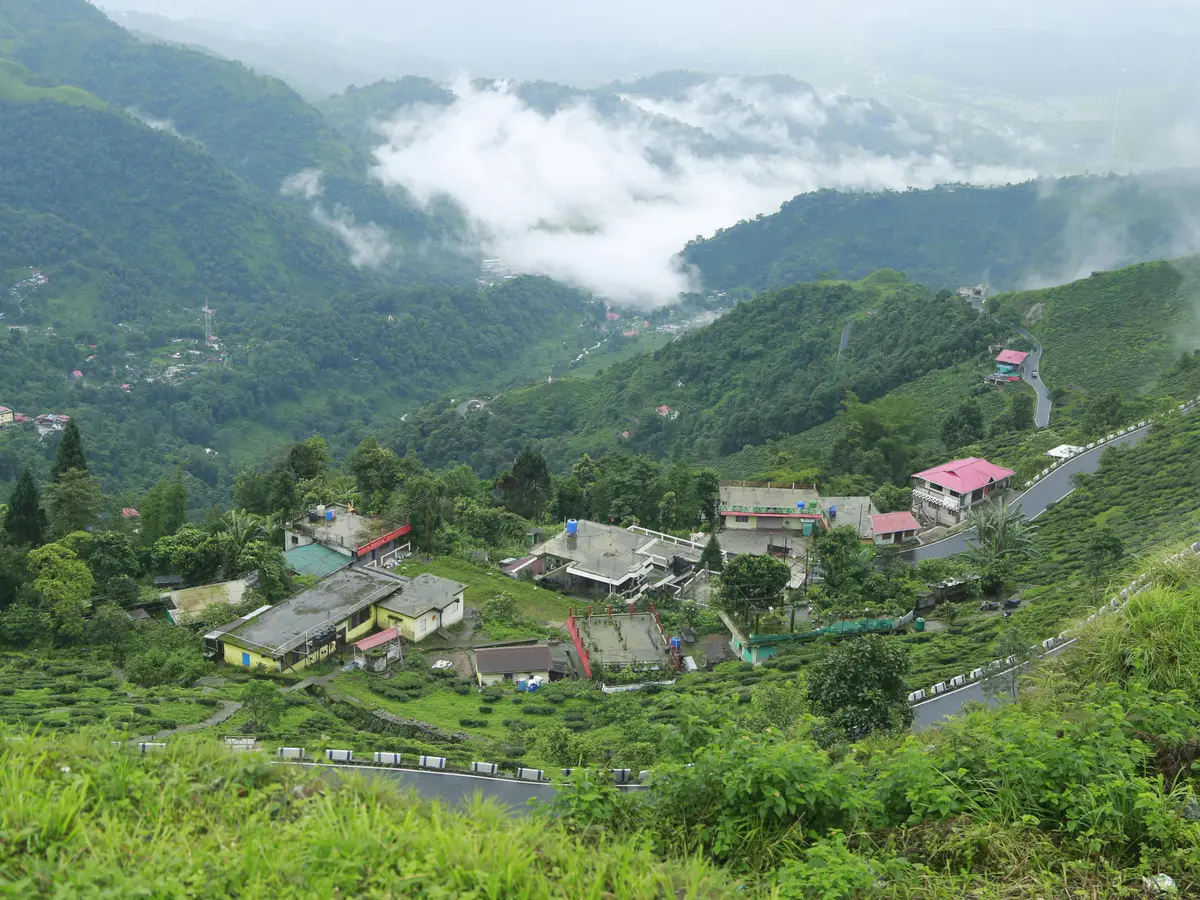
Darjeeling is famous for making tea in the Himalayan foothills.
Its tea production has fallen sharply over the past 35 years.
Older tea plants now produce leaves that can make rougher and more bitter tea.
Some customers are choosing tea from places such as Assam instead.
Floods and landslides have also damaged tea plantations.
Tea from Nepal is cheaper and can taste similar, and some of it is sold as Darjeeling tea.
At the same time, wages, fuel and fertiliser have become more expensive.
The Indian Tea Association wants government help to protect the industry and its workers.
Darjeeling tea is still popular in India and other countries.

Darjeeling tea production fell from 14.49 million kilograms in 1990 to 5.6 million kilograms in 2025.
The Indian Tea Association requested an $11 million package from the West Bengal government.
Around 55,000 tea-estate workers could need job support during lean periods.
Aging tea bushes, extreme weather, rising costs and cheaper Nepalese tea are damaging the industry.
About 60 percent of Darjeeling tea is exported, mainly to Japan and Europe.
- Who
- The Darjeeling tea industry, the Indian Tea Association and around 55,000 tea-estate workers are affected.
- What
- Darjeeling tea production has declined by about 61 percent over three decades.
- Where
- Darjeeling, in West Bengal’s Himalayan foothills.
- When
- Production fell from 14.49 million kilograms in 1990 to 5.6 million kilograms in 2025.
- Why
- The decline is linked to aging tea bushes, erratic weather, cheaper Nepalese tea, stagnant prices and rising production costs.
Key facts
- 1990 production
- 14.49 million kilograms
- 2025 production
- 5.6 million kilograms
- Requested government package
- $11 million
- Tea-estate workers
- Around 55,000
- Exports
- Around 60 percent of Darjeeling tea
- Main export destinations
- Japan and Europe
- Requested measures
- Lean-period job support, modernised plucking and a minimum price
Sources
Related news
Indian Tea Association Seeks Bengal Support to Revive Tea Industry
Tea Auction Price Drop Worries Eastern India Planters
El Niño-Linked Drought Slashes Nilgiris Tea Production, Farmers Seek Aid
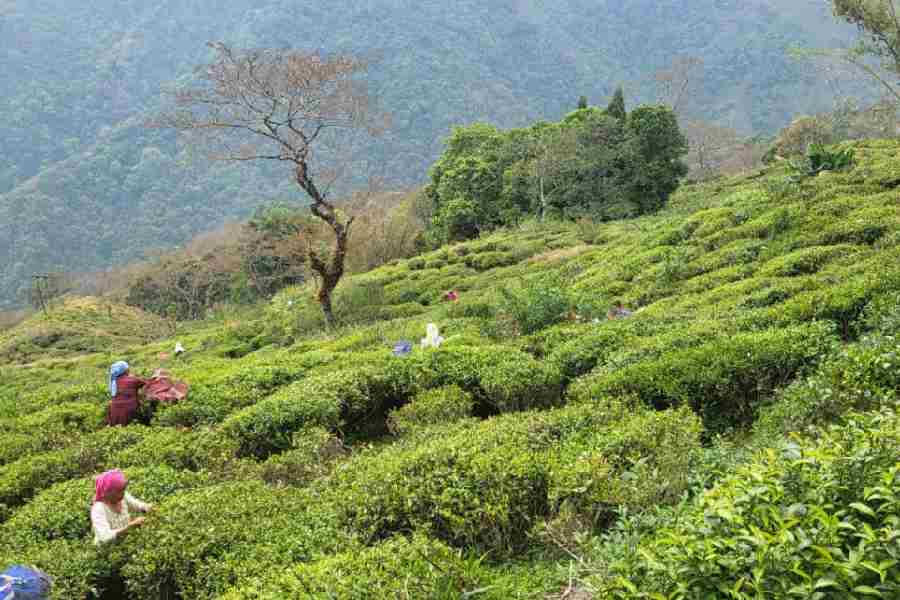
India-Nepal tea trade disparity flagged, MPs seek reciprocity
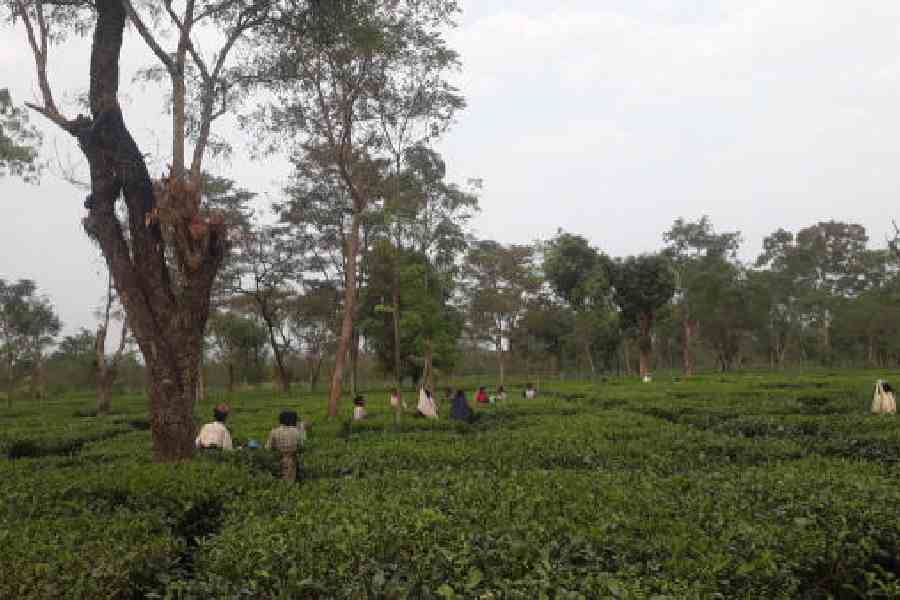
Bengal Government to Meet Small Growers Over Fertiliser Limits

Jalpaiguri Handmade Tea Wins Premium Prices, Foreign Interest

WMO Warns Heatwaves and Wildfires Are Worsening Air Quality
Europe’s Earlier Harvests Expose Rising Climate Risks for Crops

Lavrov Says Russia-Ukraine War Must End Without Nazism

Jaipur Robotics Raises €4.3 Million, Plans India Expansion