

1 week ago
Europe’s Migration Reckoning Offers India Lessons on Demography

This opinion article looks at how Europe changed after many refugees arrived in 2015.
It says some European countries struggled to manage borders and help newcomers integrate.
The writer points to arguments about crime, separate communities, population changes, and religious values.
It also says these concerns helped some right-wing political parties become more popular.
The article compares Europe’s experience with India’s challenges involving borders, citizenship, and migration.
It mentions Bangladesh-border districts and Rohingya residents as issues India must address.
The writer says India should use clear laws and careful planning rather than hatred or denial.
Its main message is that governments should discuss migration honestly while protecting pluralism and the rule of law.

The article argues that Europe’s post-2015 refugee influx exposed weaknesses in border management, integration, and public debate.
It cites demographic projections suggesting Europe’s Muslim population could grow from about 5% in 2016 to as much as 14% by mid-century under high migration.
Examples from France, Sweden, Germany, Denmark, Britain, and Belgium are presented as evidence of social friction, crime concerns, and debates over parallel communities.
The article links migration-related anxieties to the rise of parties including Germany’s Alternative für Deutschland and Sweden Democrats.
It urges India to strengthen border controls, citizenship verification, integration policies, and evidence-based debate while avoiding religious discrimination.
- Who
- European governments, migrants and Muslim communities, and Indian policymakers are the main subjects; the article is written by a Bharatiya Janata Party national spokesperson and an IILM University Gurugram politics professor.
- What
- An opinion analysis of Europe’s migration, demographic, integration, and political challenges, and the lessons the authors say India should draw from them.
- Where
- Europe, particularly France, Sweden, Germany, Denmark, Britain, and Belgium, with comparisons to India, especially Assam, West Bengal, Delhi, Hyderabad, and Jammu.
- When
- The discussion focuses on developments from the 2015 refugee influx through 2026, including data and events reported through 2024.
- Why
- The authors argue that India should learn from Europe’s experience by improving border management, citizenship verification, integration, and enforcement of immigration law.
Key facts
- Europe’s Muslim population in 2016
- Approximately 26 million, or about 5% of the continent’s population, according to the article’s citation of Pew Research Center.
- Projected Muslim population share
- The article says the share could reach 7.4% by 2030 under zero migration and 14% by mid-century under a high-migration scenario.
- Sweden shootings in 2023
- The article reports 53 fatal shootings and says some analyses found its per-capita rate exceeded that of the United States.
- Germany crime-suspect figure
- The article says migrants, described as roughly 15% of Germany’s population, accounted for nearly 38% of crime suspects in 2023.
- Denmark’s Ghetto Plan
- The article says the 2018 plan, revised in 2021, identified 28 areas as “hard ghettos” and included housing and residency measures.
- Rotherham abuse estimate
- The article says an estimated 1,400 children were abused there between 1997 and 2013.
- India’s Rohingya population estimate
- The article cites government estimates of more than 40,000 Rohingya people in Delhi, Hyderabad, and Jammu.
Sources
Related news
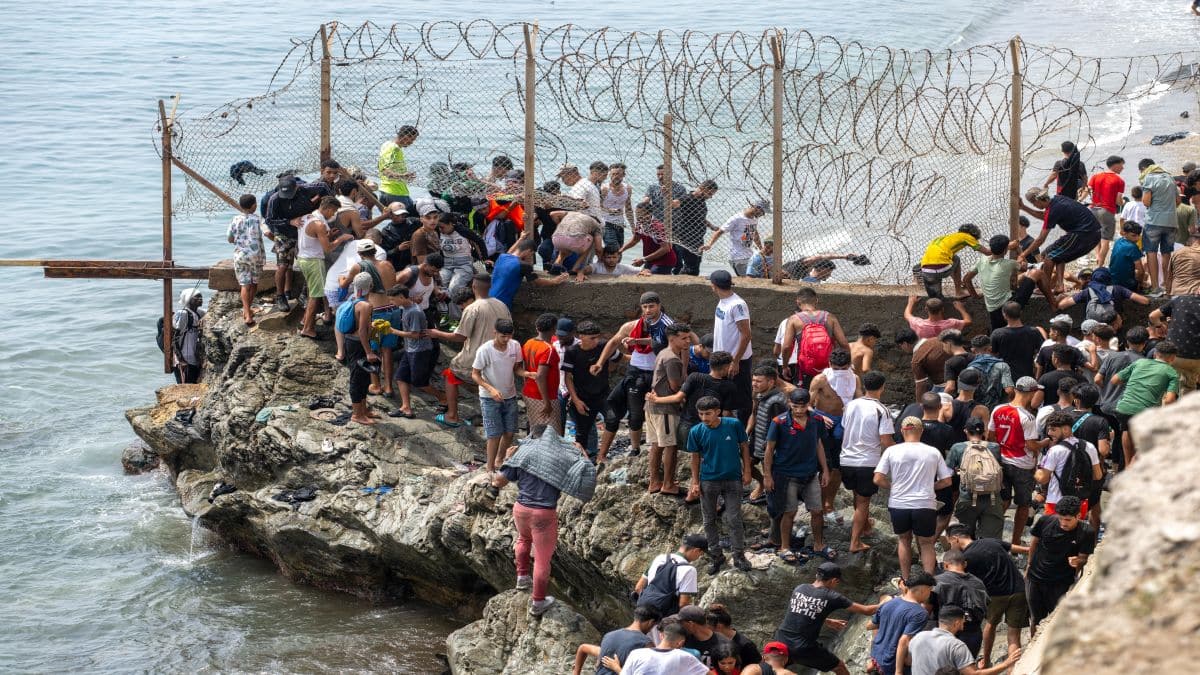
Ceuta Border Surge Exposes the Power of Migration Diplomacy

'Are You Ready for Silence?' Indian Creator Reveals Europe Reality
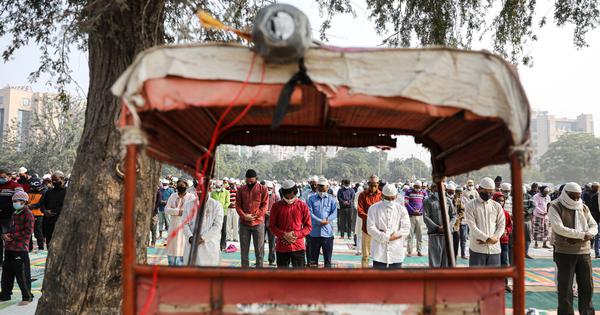
Gurugram's Friday Namaz Restricted to Six Sites Amid Majoritarian Politics
BJP MP Ashok Mittal Seeks Expat Protection Law Amid Attacks
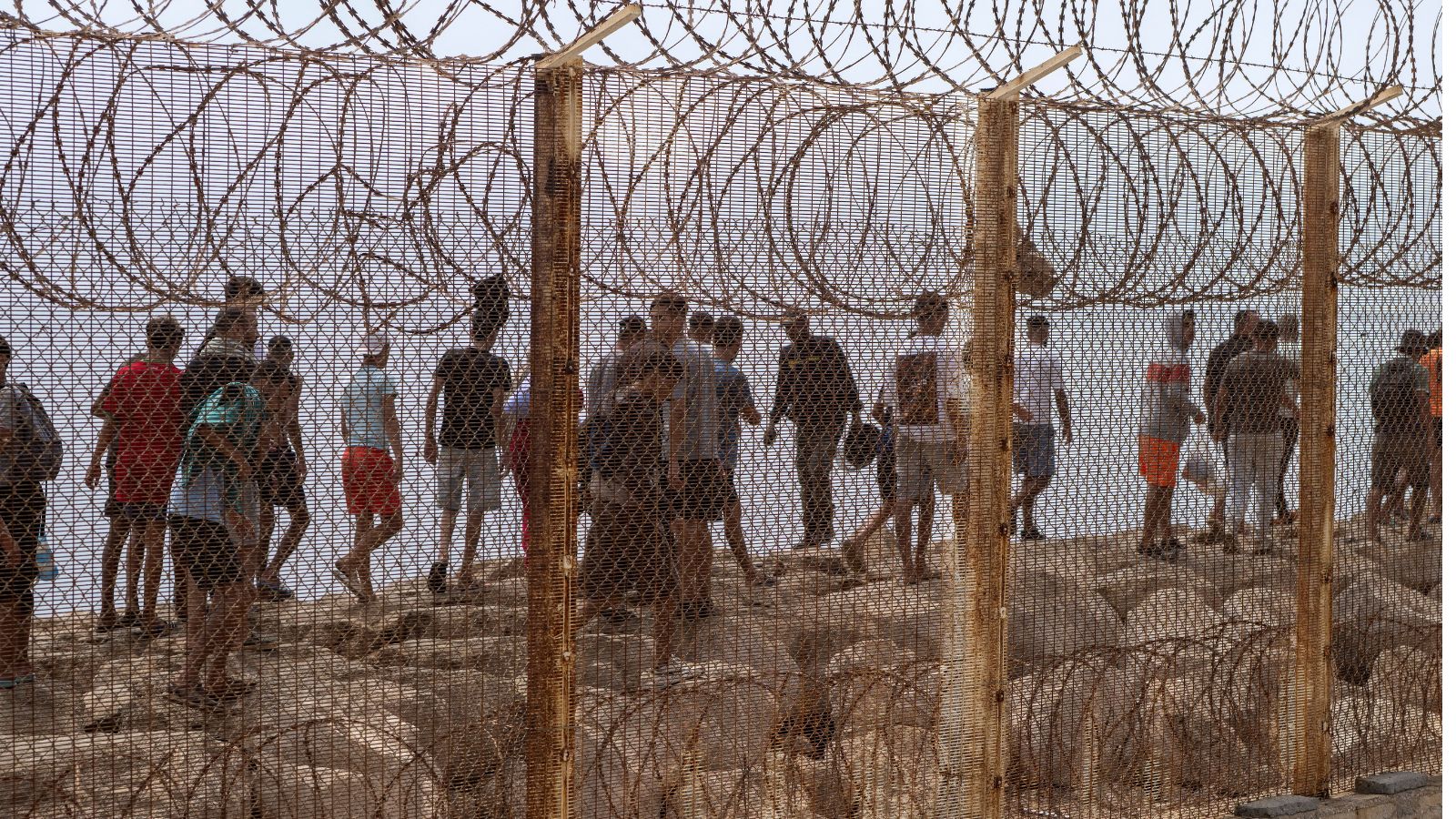
Ceuta Deaths Expose Human Cost of Europe’s Migration Debate
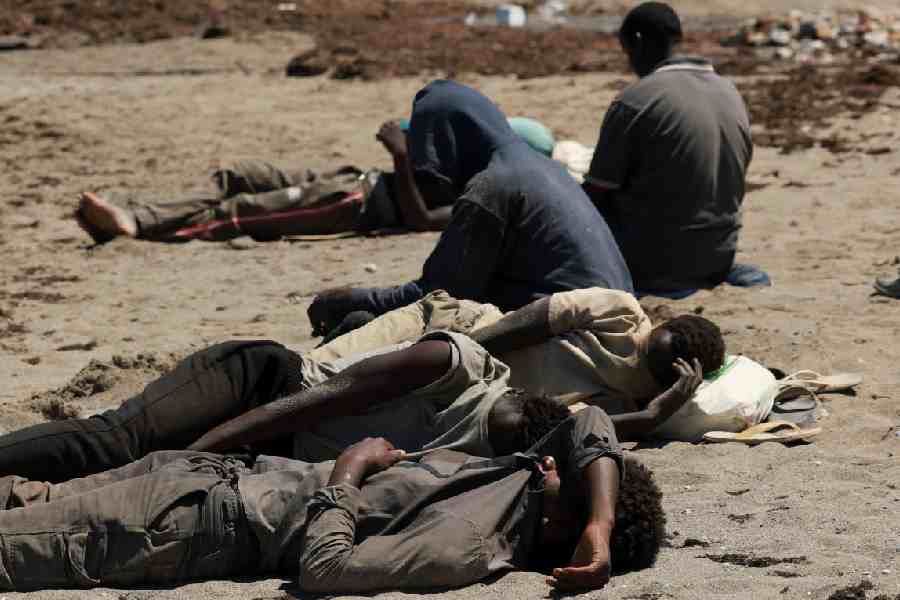
Ceuta migration crisis demands both security and compassion

Ikea cuts European prices as cost pressures weaken demand

Europe's Bond Selloff Deepens as Middle East Tensions Lift Oil

China’s Rapid Car Development Faces Growing Safety Scrutiny

CNG Prices Rise Rs 2 per Kilogram in Pune

China Challenges US Leadership in Escalating Global AI Contest
