3 weeks ago
Ceuta migration crisis demands both security and compassion
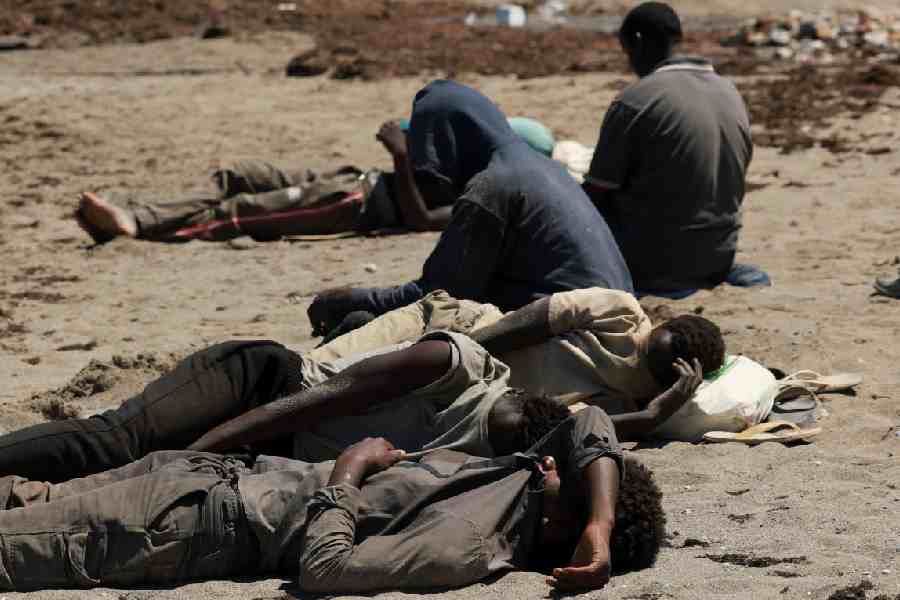
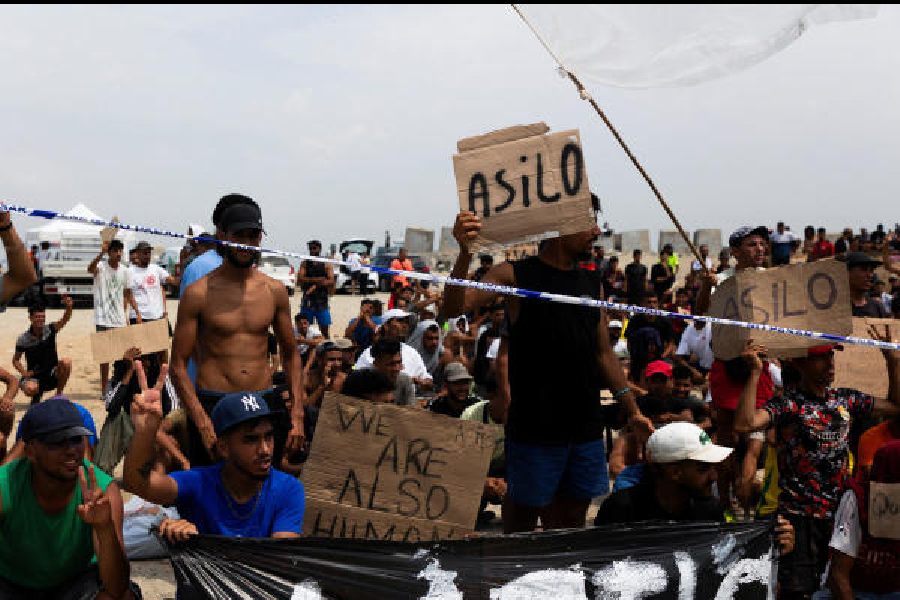
Imagine about 70,000 people walking all at once from Morocco into Ceuta, a small part of Spain that sits in Africa.
That is a huge number of people, and it happened very quickly.
Many of them went back home, but a few thousand stayed in Ceuta.
Grown-ups call people who move to a new country 'migrants.'
Some people get scared of migrants and want very strict rules to stop them from coming.
Others say countries should be kind and help people who are looking for a better life.
The article says the crossing happened without any resistance, which shows a serious security problem.
It also says social media posts and bad actors encouraged people to make the crossing.
The article reminds us that migrants have helped countries like the United States and Britain grow stronger over time.
Its big message is that a country can keep its borders safe and still treat people with kindness and fairness.

About 70,000 people from Morocco crossed into Ceuta, Spain's northern African enclave; most have returned to Morocco but a few thousand remain.
The editorial describes the crossing, which occurred without resistance, as an intelligence and security failure.
Social media posts, traffickers and other unscrupulous actors are believed to have encouraged the disorganised infiltration of Ceuta.
The episode has reignited a divisive global migration debate touching on economic inequality, fear of migrants, racism, sovereignty, EU fractures and the Israel-Palestine conflict.
The article argues that responsibly managed migration has historically enriched host countries and that secure borders and humanitarian values can coexist.
- Who
- About 70,000 people from Morocco, along with the governments of Spain and Morocco; far-Right political forces and Israel are also referenced in the debate.
- What
- A mass crossing of migrants from Morocco into Ceuta, Spain's northern African enclave, which has reignited the global debate on migration.
- Where
- Ceuta, Spain's northern African enclave, on the border between Spain and Morocco.
- When
- Not specified in the article; described as a recent event with a few thousand people still remaining in Ceuta.
- Why
- Driven by economic inequality, fear of migrants, racism, sovereignty questions, fractures within the European Union and the Israel-Palestine conflict; encouraged by social media posts and traffickers, with security failures allowing the crossing.
A humanitarian approach to migration
A security-first approach to migration
How to respond to the Ceuta crossing
A humanitarian approach to migration
The episode should be met with a balancing act that upholds international law and humanitarian values, rather than treating immigration only as a law-and-order problem.
A security-first approach to migration
Tougher anti-immigrant crackdowns are needed to prevent unchecked migration and protect national borders and sovereignty.
What migrants bring to host countries
A humanitarian approach to migration
Managed migration has historically enriched host countries economically, politically and culturally, as seen in the United States, Britain's National Health Service and Indian businesses.
A security-first approach to migration
Migrants are widely feared, and governments cannot ignore citizens' concerns; unchecked migration must be avoided.
Migrants as a political issue
A humanitarian approach to migration
Turning migrants into political and geopolitical pawns, such as Israel using the Ceuta episode against Spain's government, is immoral and unacceptable.
A security-first approach to migration
Migration is a legitimate security and sovereignty issue, and political forces that address citizens' concerns about it gain support.
Key facts
- Number of migrants who crossed
- About 70,000 people from Morocco
- Location
- Ceuta, Spain's northern African enclave
- Current status
- A vast majority returned to Morocco; a few thousand remain in Ceuta
- Contributing factors
- Economic inequality, fear of migrants, racism, sovereignty questions, EU fractures, Israel-Palestine conflict
- Alleged enablers
- Social media posts, traffickers and other unscrupulous actors
- Editorial assessment
- Intelligence and security failure, since the crossing occurred without resistance
- Core argument
- Migration can be managed with both secure borders and humanitarian values
Sources
Related news
Ceuta Deaths Expose Human Cost of Europe’s Migration Debate
Ceuta Border Surge Exposes the Power of Migration Diplomacy
Ceuta Marks New Frontier for Migration-Driven Hybrid Geopolitical Threats
Ceuta migrant surge reignites Europe's migration and far-right debate

Spain Urges Calm After Anti-Migrant Clashes in Ceuta

Bank of England Warns AI Boom Could Trigger Market Shock

India's Rising Caesarean Rates Raise Calls for Dignified Childbirth

Why Mountain Treks Can Leave Fit People Breathless

Ex-UK Doctor Praises India's Easy Late-Night Medicine Access

Thousands of UK Mothers May Have Undiagnosed Birth Trauma