1 week ago
VB-GRAM G Changes India’s Rural Job Guarantee Scheme

The article says a new law called the VB-GRAM G Act changes India’s rural job guarantee program.
Under the earlier arrangement, the Central government paid all wage expenses for MGNREGA work.
The new arrangement limits the Centre’s share of wages to 60 percent.
The Centre’s share of material costs is also reduced from 85 percent to 60 percent.
The Central government will decide how much money each state is normally allocated.
If a state spends more than that amount, the state must pay the extra cost.
States must also announce 60 days each year when the program cannot operate during major farming seasons.
The article argues that these changes make the job guarantee less reliable.

The VB-GRAM G Act changes MGNREGA from a fully centrally funded wage program into a Centrally sponsored scheme.
The Central government’s share of wage expenditure is limited to 60 percent, according to the article.
The Centre’s contribution toward material costs is reduced from 85 percent to 60 percent.
The Central government receives exclusive authority to determine each state’s normative allocation.
States must fund spending above the normative allocation and suspend scheme work for 60 days during peak sowing and harvesting periods.
- Who
- The Central government and state governments, with MGNREGA workers affected by the changes.
- What
- The VB-GRAM G Act changes the funding, allocation, and operating rules of the MGNREGA employment guarantee scheme.
- Where
- India.
- When
- The article does not specify when the changes take effect.
- Why
- According to the article, the changes alter who pays for the scheme, who controls allocations, and when work can be offered.
Key facts
- Program affected
- Mahatma Gandhi National Rural Employment Guarantee Scheme (MGNREGA)
- Central wage contribution
- Limited to 60 percent under the arrangement described
- Central material-cost contribution
- Reduced from 85 percent to 60 percent
- Allocation authority
- The Central government has exclusive authority to determine state-wise normative allocations
- Excess expenditure
- States must bear spending above the normative allocation
- Mandatory work suspension
- Work must not be undertaken for an aggregate of 60 days in each financial year
- Suspension period
- The 60 days must cover peak agricultural sowing and harvesting seasons
Sources
Related news

States' Fiscal Burden to Quadruple Under VB G RAM G
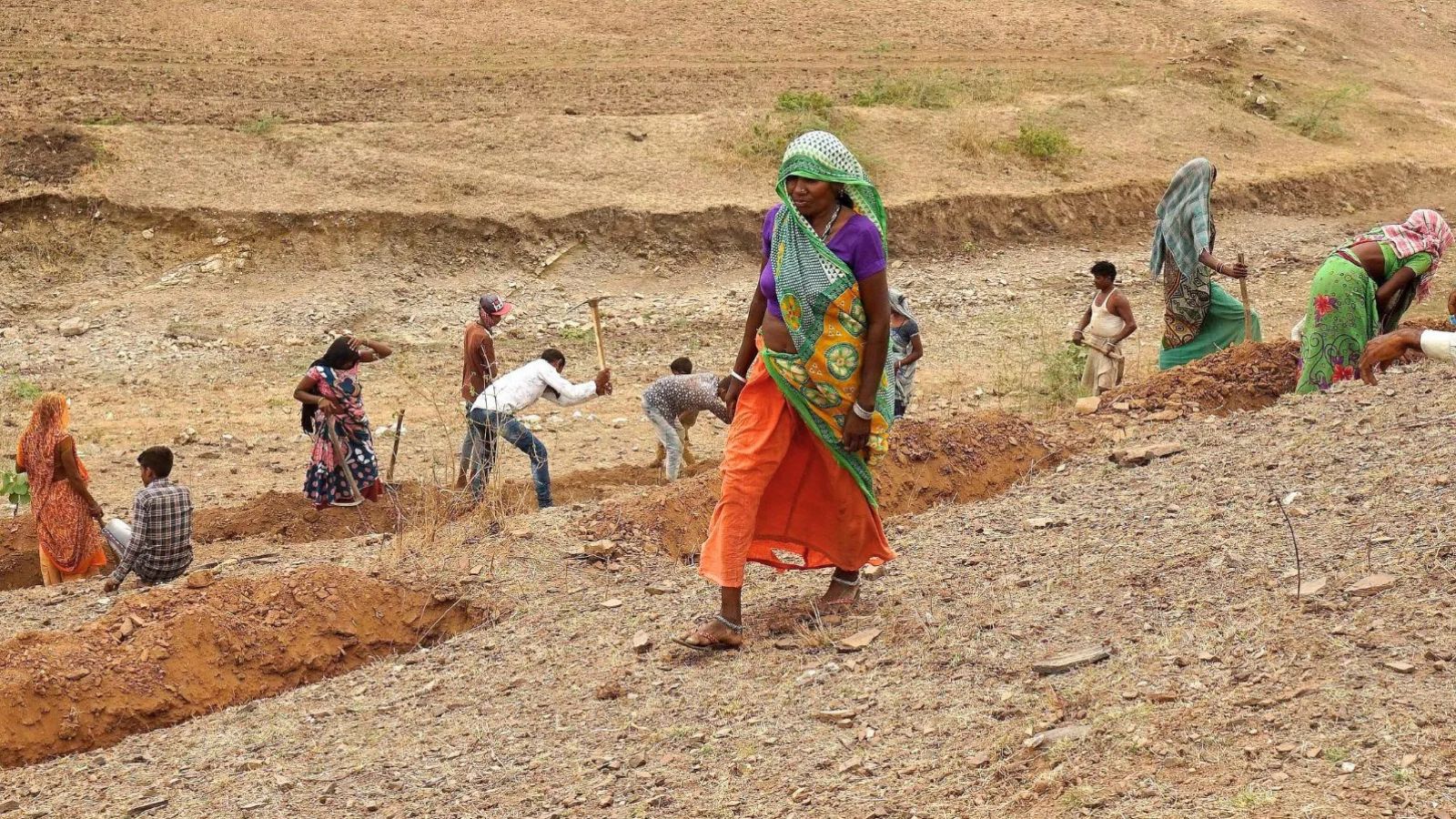
New rural jobs law sees nearly 50% employment dip
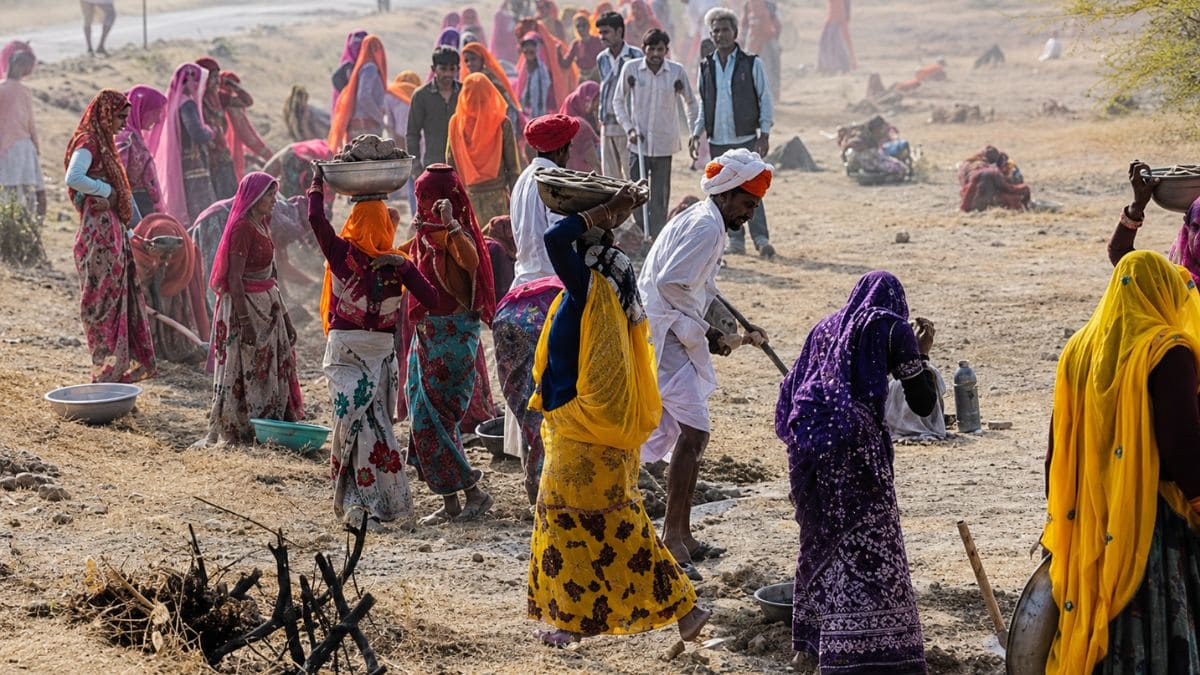
VB-G RAM G sees nearly 50% drop in rural jobs
Opposition States Riled by 60:40 Rural Jobs Funding Change
Congress Accuses Modi Government of Destroying Rural Job Guarantee

India’s Rural Employment Guarantee Scheme Shows Signs of Weakening
Chief Minister Reviews Gadag Drought, Hears Farmers’ Demands
Punjab Employee Protests Win Concessions, But Not Complete Victories
NAC’s Influence Revives Debate Over ‘Dimagi Naxal’ Label

Jharkhand Women Farmers Triple Mango Income Through Global Markets