3 weeks ago
VB-G RAM G sees nearly 50% drop in rural jobs
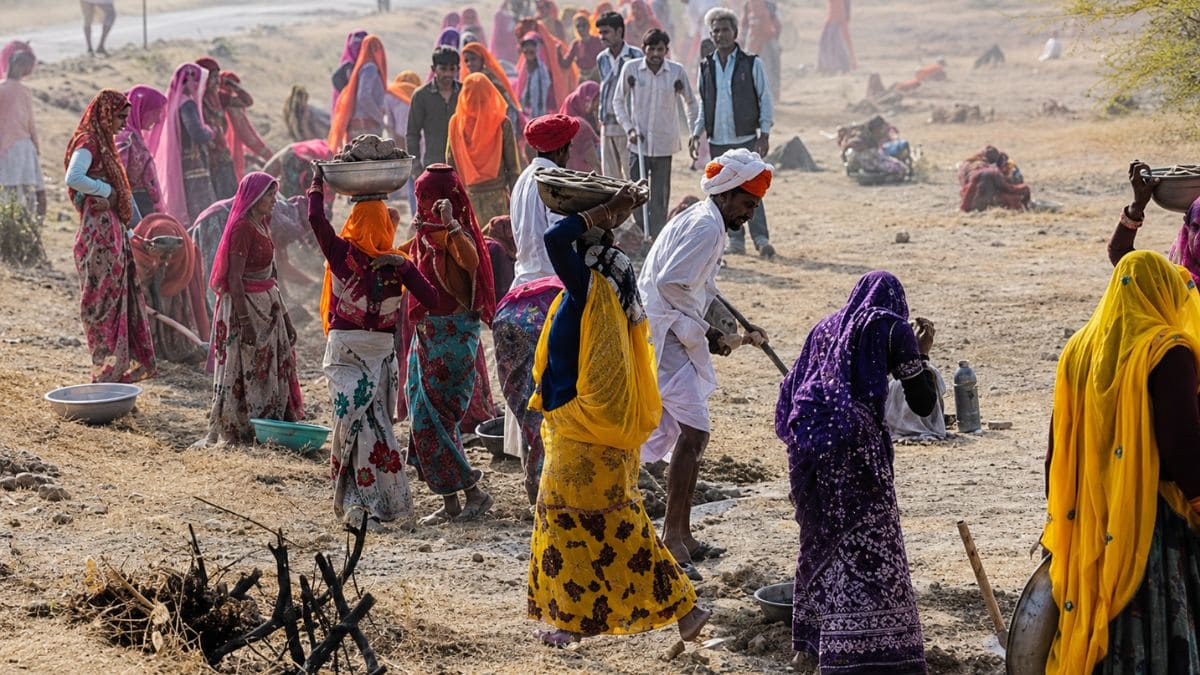
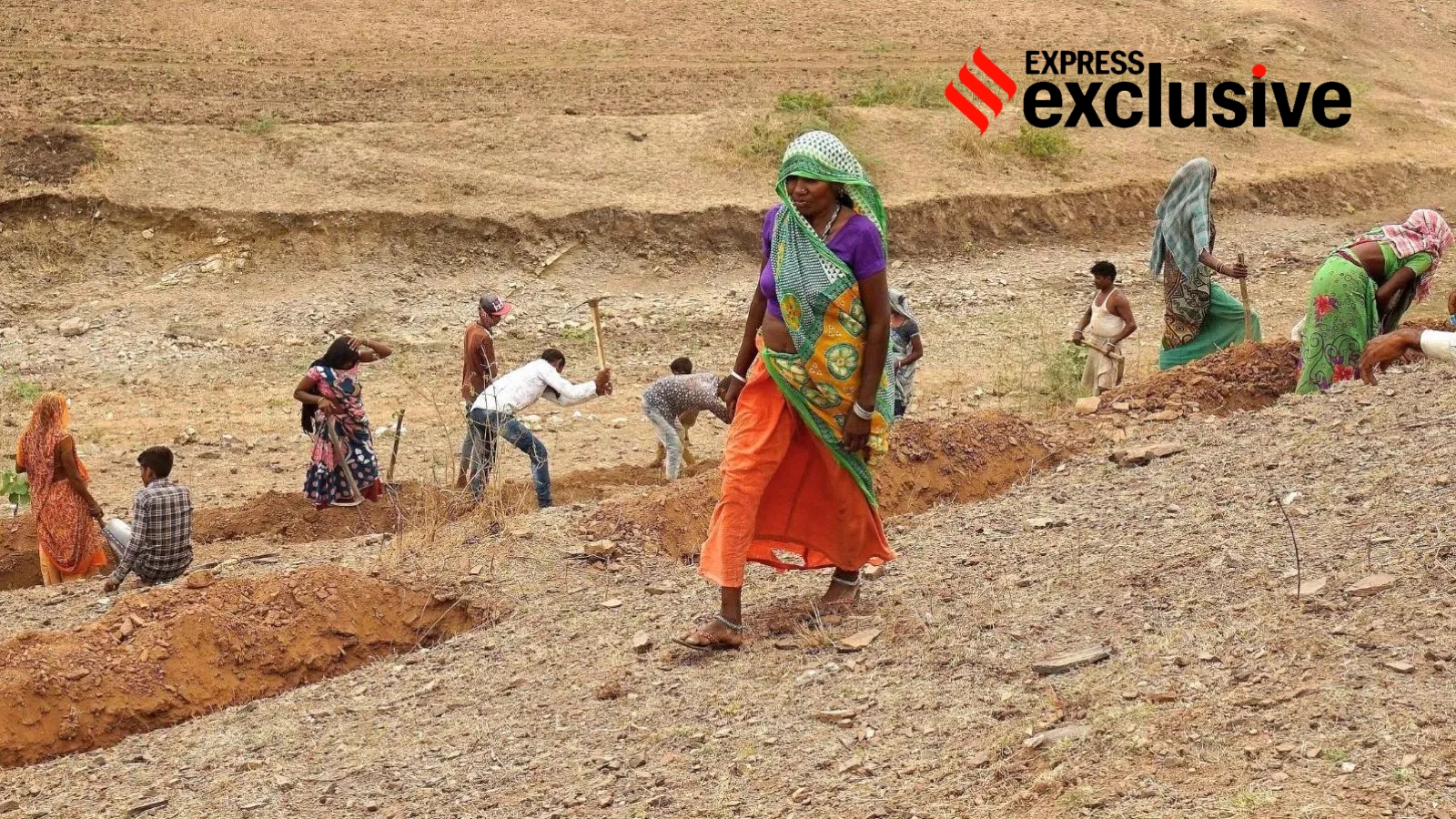
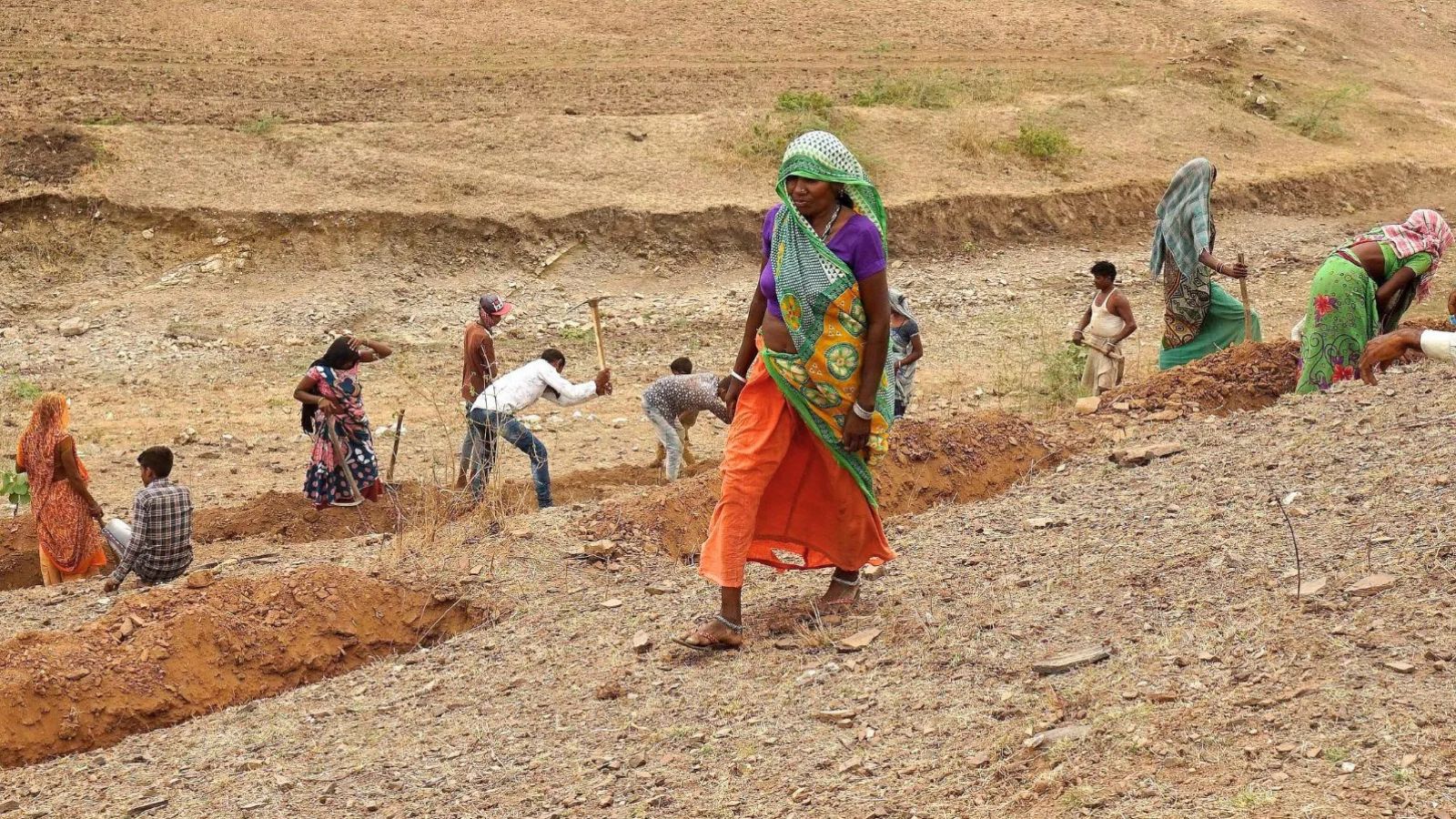
In India, there is a big government program that pays villagers to do useful jobs like building roads and cleaning ponds.
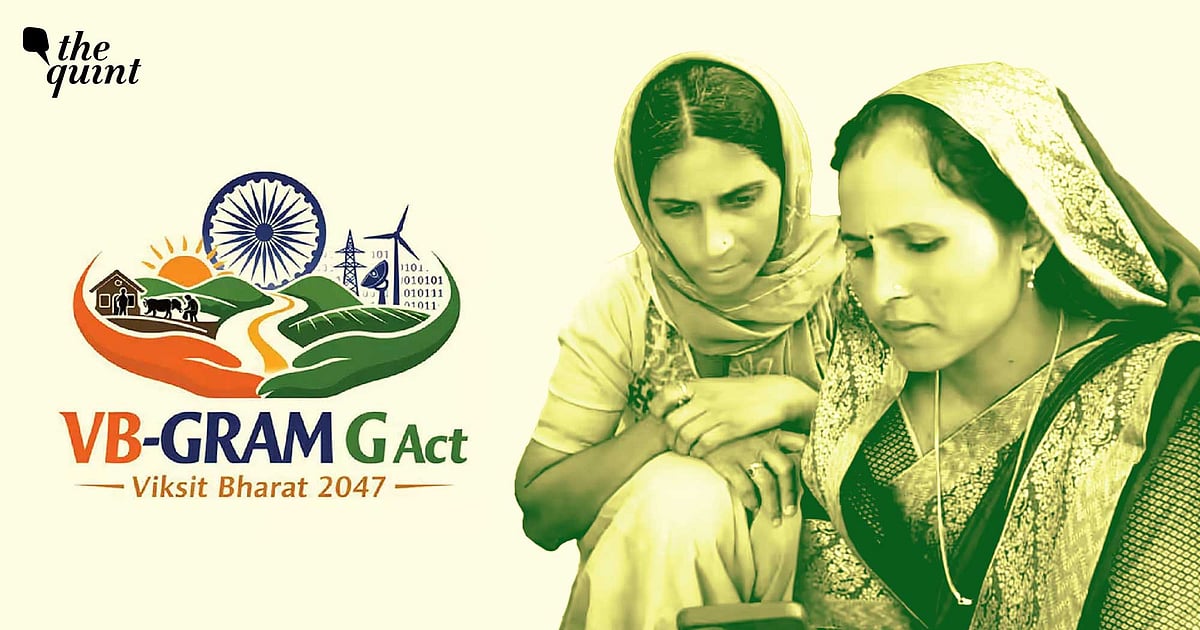
Recently, the program got a new name, VB-G RAM G, and new rules.
In its very first month, the program provided almost half as much work as it did one year before.
That means many fewer families got work — the lowest numbers in five years.
One reason is that the new program allows a break during planting season, when farmers are busy in the fields, and seven states chose to take that break.
The rains have also been poor in half of India's districts, which makes things harder for farmers.
The government says the program is going well and that almost all families who asked for work got it.
It also set aside more money than ever before for the program, which now promises 125 days of paid work a year to each rural household.
Most of the workers were women.
But experts worry that with less work, villages will have less money to spend, and the program will be tested if the rains stay weak.

Employment generation under the new VB-G RAM G rural job guarantee scheme fell 49.94% year-on-year in July 2026, its first month of implementation.
Official data as of August 9 shows 7.67 crore person-days in July 2026 versus 15.33 crore under MGNREGS in July 2025, while households availing work fell 51.45% to 68.94 lakh.
July's figures were the lowest in five years, with person-days at about 35% of the average over the previous four years.
The Ministry of Rural Development said around nine crore person-days were generated, more than 98% of demanding households were offered work, and the record ₹95,692 crore budget supported the rollout.
Seven states paused work during the peak Kharif sowing season, while the IMD reported deficit-to-serious-deficit rainfall in 50% of India's 741 districts and kharif crop coverage fell 26.50%.
- Who
- Rural workers in India and the Ministry of Rural Development, which administers the VB-G RAM G scheme.
- What
- Employment generation under the new VB-G RAM G rural job guarantee scheme fell 49.94% year-on-year in its first month, with households availing work down 51.45% — the lowest figures in five years.
- Where
- Rural areas across India.
- When
- July 2026, with data as of August 9, 2026.
- Why
- The July transition from MGNREGS to VB-G RAM G, agriculture pause periods during the peak Kharif sowing season adopted by seven states, and an erratic monsoon with deficit rainfall in 50% of districts coincided with the decline.
Critics of the rollout
Ministry of Rural Development
Scale of the employment drop
Critics of the rollout
Official dashboard data shows July 2026 person-days fell 49.94% year-on-year to 7.67 crore and households availing work dropped 51.45% — the lowest in five years — which could hurt rural demand during a weak monsoon.
Ministry of Rural Development
The ministry says around nine crore person-days were generated, more than 98% of households demanding employment were offered work, and the transition was smooth, seamless and technology-enabled with a record budget.
Person-day figures discrepancy
Critics of the rollout
The VB-G RAM G dashboard shows only 7.67 crore person-days for July, well below the 15.33 crore generated under MGNREGS a year earlier.
Ministry of Rural Development
The ministry reported around nine crore person-days generated during the first month of implementation, with attendance captured via face-authenticated NMMS technology.
Reason for the slowdown
Critics of the rollout
Sources say the drop may be due to a pause during the Kharif sowing season, though no data on such pauses is available; Tamil Nadu, which did not pause, still saw a 77.7% year-on-year fall.
Ministry of Rural Development
The ministry says states are implementing the statutory pause provision for peak sowing and harvesting according to local agro-climatic conditions, and the programme is being implemented effectively nationwide.
Key facts
- Scheme
- Viksit Bharat – Guarantee for Rozgar and Ajeevika Mission (Gramin) (VB-G RAM G)
- Replaced scheme
- Mahatma Gandhi National Rural Employment Guarantee Scheme (MGNREGS), effective July 1, 2026
- July 2026 person-days
- 7.67 crore (dashboard); around 9 crore (ministry)
- Households availing scheme
- 68.94 lakh in July 2026 vs 1.42 crore in July 2025 (-51.45%)
- Budget FY 2026-27
- ₹95,692 crore, highest ever for a rural employment programme
- Guaranteed work days
- 125 days per rural household, up from 100 under NREGS
- Pause provision
- Up to 60 days during peak sowing and harvesting; exercised by seven states
- Women's share of person-days
- About 63%
Quotes
Rural Development Minister Shivraj Singh Chouhan
India's Rural Development Minister
“VB-G RAM G Act, 2025 has been implemented successfully across all rural areas of the country with effect from July 1, 2026. The transition from MGNREGA to VB–G RAM G has been smooth, seamless and technology-enabled…”
 news18.com
“To facilitate uninterrupted implementation, the Central Government has provided a record Budget estimate of ₹95,692 crore for FY 2026–27, the highest ever for any rural employment programme.”
 indianexpress.com
news18.com
indianexpress.com
news18.com
VB‑G Ram G scheme officials
Scheme policy statement
“"Tamil Nadu has made a contribution of Rs 12,642 crore to the VB‑G Ram G budget and is willing to increase the number of guaranteed employment days to 150"”
 financialexpress.com
“"The scheme empowers states to notify periods up to 60 days during peak sowing and harvesting seasons when works shall not be undertaken"”
financialexpress.com
Sources
Related news
States' Fiscal Burden to Quadruple Under VB G RAM G
New rural jobs law sees nearly 50% employment dip

India’s Rural Employment Guarantee Scheme Shows Signs of Weakening
VB-GRAM G Changes India’s Rural Job Guarantee Scheme
Karnataka Directs SOPs for VB-G RAM G Rural Employment Scheme
Karnataka Drought Villages to Get Jobs Under VBG-RAM-GI
Baba Bakala Reveals Punjab’s Five-Party 2027 Election Test

Shivraj Seeks Faster Watershed Projects for Drought-Free India
MP BJP Meet Targets Congress Over Ken-Betwa, Strengthens Booth Organization
MP BJP Orchha Meeting Targets Gen-Z Outreach, 2028 Polls
MP BJP to Set Political Strategy at Orchha Executive Meet