3 weeks ago
Opposition States Riled by 60:40 Rural Jobs Funding Change
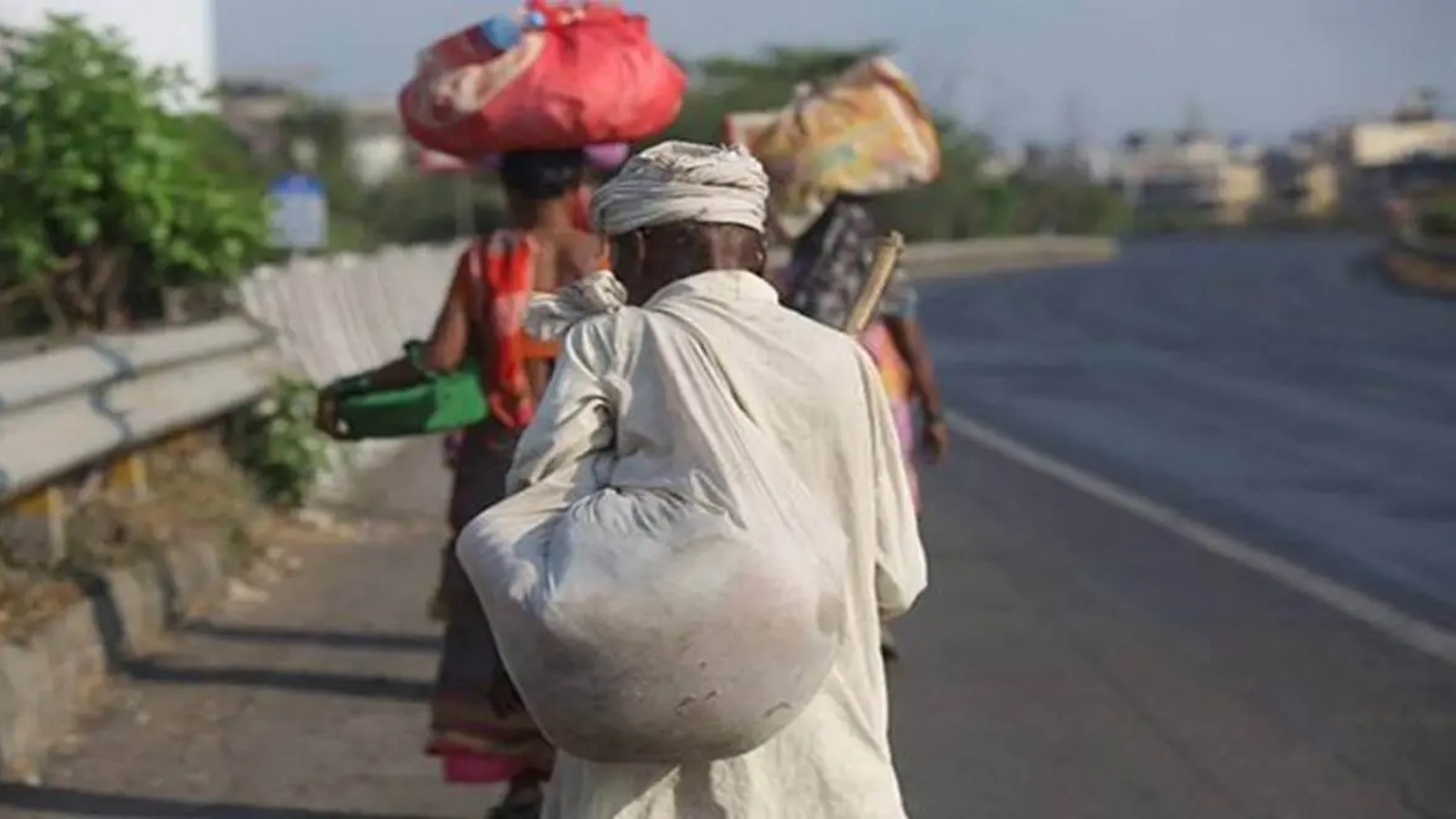
In India, there is a special program that gives poor people in villages a chance to work and earn money.
For 20 years, the central government paid for the whole program.
This year, it changed the rule and asked state governments to pay 40% of the cost.
Many states, like Karnataka, Tamil Nadu and Kerala, are upset about the new rule.
They say the program is an 'employment right' for poor farmers and workers.
Some states even said they might take legal action.
But even the angry states are paying their share anyway.
Tamil Nadu is giving more than required and plans to offer 150 days of work.
The program matters because it keeps village wages from falling too low.
So states complain loudly, but they still put their money where their mouth is.

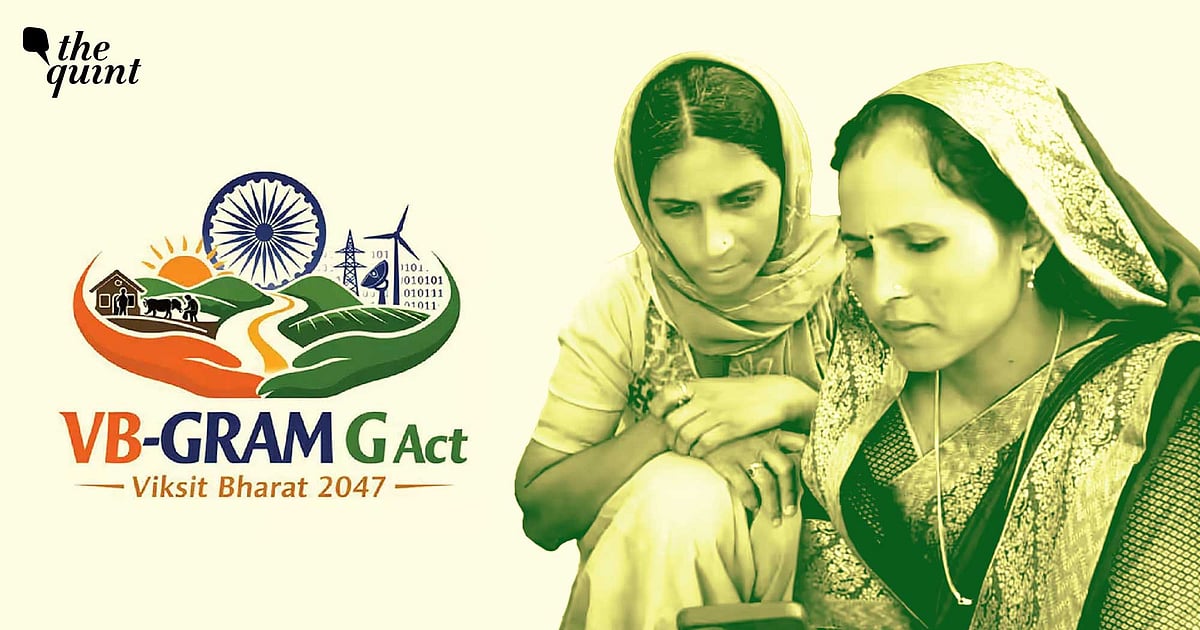
The Centre changed the funding pattern for 2026-27: it now pays 60% of the rural jobs scheme VB-G RAM-G (formerly NREGA) while states must contribute 40%.
Opposition-ruled Karnataka, Kerala, Telangana, Punjab, Tamil Nadu and Jharkhand condemned the move in budget speeches, some demanding restoration of 100% central funding.
Karnataka CM Siddaramaiah vowed legal measures, and Telangana FM Bhatti Vikramarka Mallu called the scheme an 'employment right'.
Despite protests, Tamil Nadu allocated Rs 5,057 crore (40%) and announced 150 days of employment, 25 more than the scheme's guarantee.
Karnataka, Telangana and Jharkhand also allocated their full 40% share, while Kerala and Punjab gave 27% and Himachal Pradesh 4% in the first phase.
- Who
- The central government and state governments, including Karnataka, Kerala, Telangana, Punjab, Tamil Nadu, Jharkhand and Himachal Pradesh, along with leaders such as Karnataka CM Siddaramaiah, Telangana FM Bhatti Vikramarka Mallu, Tamil Nadu FM N Marie Wilson and Kerala CM VD Satheesan.
- What
- The Centre changed the funding pattern of the rural employment scheme VB-G RAM-G (formerly NREGA), requiring states to fund 40% of the cost after 20 years of full central funding.
- Where
- India.
- When
- From financial year 2026-27, announced through state budget speeches in March and August 2026.
- Why
- The Centre asked states to share the fiscal burden because its resources are limited and expenditure is sticky, while states argue the change hurts rural workers' rights and decentralised governance.
Opposition State Governments
Central Government (Centre)
Funding responsibility for the rural jobs scheme
Opposition State Governments
The Centre must restore 100% funding; the scheme is an 'employment right', and forcing states to pay 40% hurts rural workers and violates the principles of decentralised governance. Some states threaten legal recourse.
Central Government (Centre)
States should share the burden because the central resource kitty is limited, significant expenditure remains sticky and inflexible, and the Centre can no longer bear the full cost alone.
Value and legacy of the scheme
Opposition State Governments
The scheme brought a 'silent revolution' in villages, providing livelihood and minimum income security to poor farmers and labourers, and its wage acts as a floor that keeps rural wages from collapsing.
Central Government (Centre)
The scheme was a Congress flagship that the BJP has never seen as transformative, which underlies the change in how it is funded.
State fiscal capacity
Opposition State Governments
States are perpetually strapped for cash and must make tough spending choices; even BJP-ruled states feel the fiscal stress, though they complain only in private.
Central Government (Centre)
States are in fact paying their required shares, which shows the burden is manageable and demonstrates that the scheme's value is widely recognised.
Key facts
- Scheme
- Viksit Bharat – Guarantee for Rozgar and Ajeevika Mission (Gramin) (VB-G RAM-G), formerly National Rural Employment Guarantee Scheme (NREGA)
- New funding pattern (2026-27)
- Centre 60%, states 40%; 90:10 for Himalayan and Northeastern states; full central funding for UTs without legislatures
- Previous funding pattern
- Centre funded 100% for 20 years, since the scheme launched in 2006 (first decade under UPA, later under NDA)
- Tamil Nadu
- Rs 5,057 crore (40% of Rs 12,642 crore); promises 150 days employment, 25 days more than the scheme, at an extra Rs 100 crore
- Karnataka
- Rs 3,806.61 crore (40% of Rs 9,516 crore)
- Telangana
- Rs 2,550.21 crore (40% of Rs 6,375 crore)
- Jharkhand
- Rs 1,853 crore (40% of Rs 4,558 crore)
- First-phase partial contributions
- Kerala Rs 1,422 crore (27% of Rs 5,226 crore); Punjab Rs 608 crore (27% of Rs 2,218 crore); Himachal Rs 50.94 crore (4% of Rs 1,337 crore, vs required 10%)
Quotes
Bhatti Vikramarka Mallu
Telangana Finance Minister
“‘Our Government remains committed to pursuing all appropriate recourse, including legal measures, to safeguard the rights of rural workers and uphold the principles of decentralised governance.’”
 financialexpress.com
 indianexpress.com
“‘This is not just a scheme; it is an ‘employment right’ provided to the common person. Over the past two decades, this scheme has brought about a silent revolution in villages.’”
financialexpress.com
indianexpress.com

N Marie Wilson
Tamil Nadu Finance Minister
“‘The state has made an “unprecedented” contribution of Rs 5,057 crore, exactly 40 % of the total VB‑G RAM‑G budget of Rs 12,642 crore for 2026‑27.’”
financialexpress.com
Sources

Related news
States' Fiscal Burden to Quadruple Under VB G RAM G
VB-GRAM G Changes India’s Rural Job Guarantee Scheme
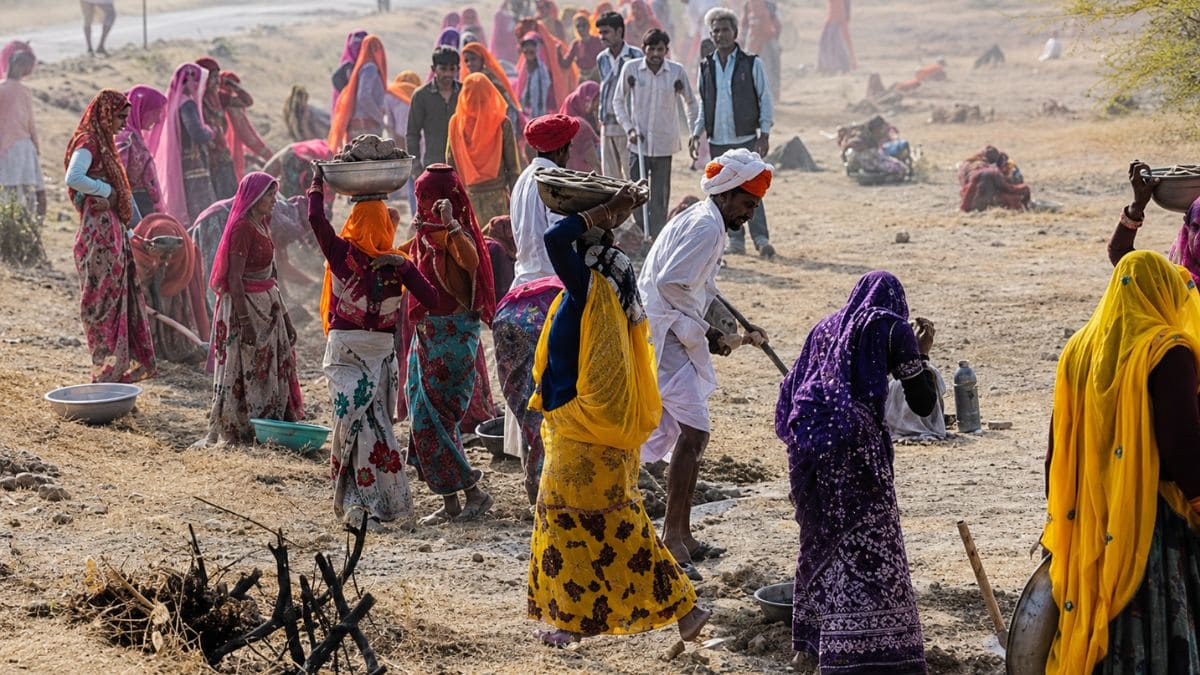
VB-G RAM G sees nearly 50% drop in rural jobs
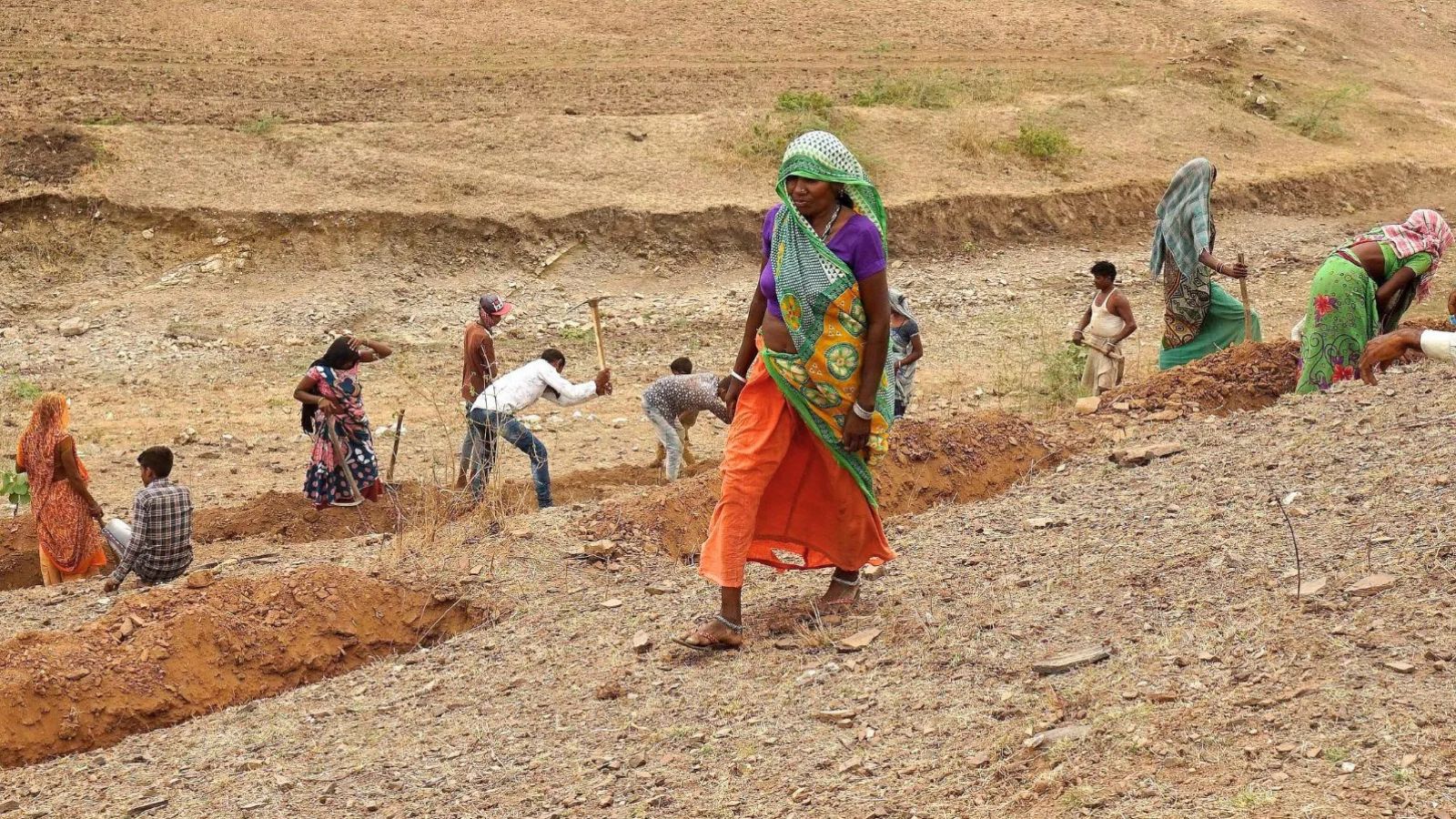
New rural jobs law sees nearly 50% employment dip

India’s Rural Employment Guarantee Scheme Shows Signs of Weakening
Ayodhya Temple CEO Appointment Faces Opposition Donation Allegations

Telangana BJP Alleges Congress, BRS Avoid Hyderabad Liberation Day
Haryana sanitation workers’ strike puts BJP government under pressure

Rival NC-BJP Protests Roil J&K as Police Halt Marches
Shivakumar Calls BJP Padayatra Cover-Up for Internal Crisis