

1 day ago
Digital Convenience, Consumer Neglect, and the Cost of Consideration
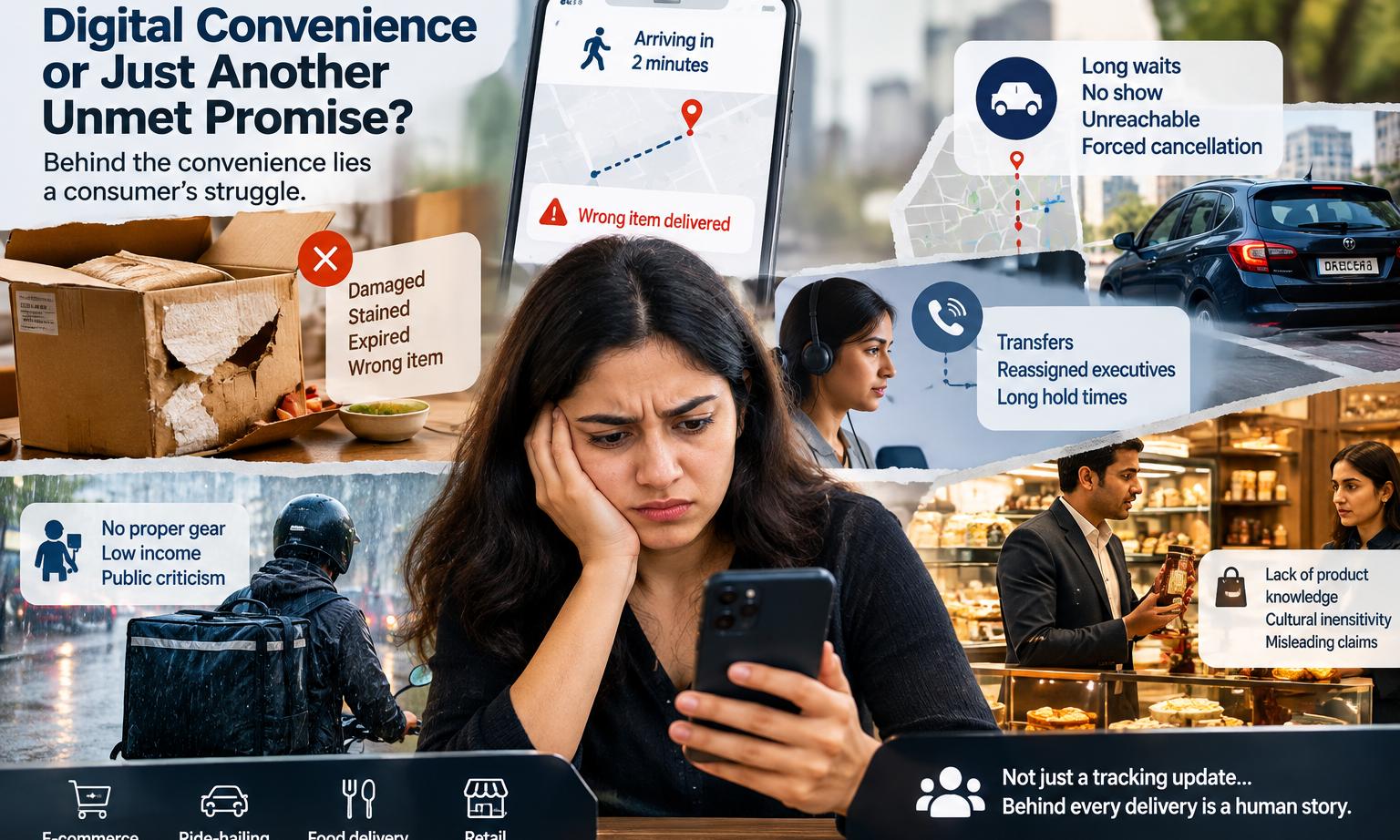
This is a personal commentary about problems people can face when using modern services and shops.
The writer says deliveries may be late, incorrect, damaged, or difficult to resolve.
Ride-hailing customers may also wait a long time or feel pressured to cancel.
At the same time, the writer says delivery workers often work through bad weather and difficult conditions.
The commentary criticizes companies for making customers prove problems that should already be clear.
It also says some luxury stores, cultural venues, and brands care more about appearance and sales than knowledge or respect.
Bookstores and retailers are criticized for confirming products that later turn out to be unavailable.
The writer believes technology and beautiful presentation should be matched by honest communication and accessibility.
Overall, the message is that convenience is not real when people are left waiting, confused, or ignored.

The commentary argues that delivery, ride-hailing, internet, and retail platforms often fail to provide reliable communication, directions, products, and grievance resolution.
It describes missing, incorrect, damaged, expired, or unavailable goods and says consumers can face lengthy disputes over refunds, cancellations, and proof of non-delivery.
The writer also highlights the difficult conditions faced by delivery personnel, including severe weather, illness, disability, traffic, limited equipment, and modest incomes.
Luxury retailers, cultural venues, bookstores, and brand representatives are criticized for weak product knowledge, poor responsiveness, cultural insensitivity, and prioritizing sales over understanding.
The broader argument is that technological sophistication, aesthetic curation, and commercial ambition mean little without accessibility, accountability, authenticity, and consideration.
- Who
- Consumers, delivery and ride-hailing workers, retailers, brand representatives, cultural institutions, and disadvantaged users are discussed.
- What
- A personal critique of unreliable digital services, poor customer support, commercial inauthenticity, and inadequate cultural consideration.
- Where
- The discussion refers broadly to digital platforms and retail spaces, with specific cultural references to India and South Indian traditions.
- When
- The commentary concerns contemporary digital and retail services, with a comparison to physical technology infrastructure in the 1990s; it also mentions Teachers’ Day.
- Why
- The writer argues that convenience and commercial presentation are undermined when companies neglect communication, accessibility, accountability, worker welfare, product knowledge, and cultural respect.
Consumer Accountability and Cultural Respect
Operational and Commercial Context
Service reliability
Consumer Accountability and Cultural Respect
Consumers should receive accurate information, timely communication, correct goods, and straightforward remedies rather than being made responsible for service failures.
Operational and Commercial Context
The commentary acknowledges that delivery workers may face weather, illness, disability, traffic, inadequate equipment, and other circumstances that can delay service.
Technology and convenience
Consumer Accountability and Cultural Respect
Platforms should be judged by accessibility and accountability, not merely by claims of innovation or instant payment processing.
Operational and Commercial Context
Digital services can be convenient in principle, but the text describes a gap between their technological presentation and the practical experience of users.
Commercial presentation and culture
Consumer Accountability and Cultural Respect
Brands and cultural venues should understand the products, traditions, language, and communities they represent instead of prioritizing aesthetics or sales.
Operational and Commercial Context
The text describes businesses investing in curation, exclusivity, design, and collaborations, but argues that these commercial goals can overshadow authenticity and cultural context.
Key facts
- Main concern
- The writer says digital convenience often fails because communication, geolocation, directions, and complaint resolution are unreliable.
- Delivery problems described
- The commentary mentions late or missing deliveries, incorrect items, damaged or stained products, and expired goods.
- Ride-hailing complaint
- Drivers are described as sometimes failing to arrive or communicate, leaving customers to cancel and potentially face penalties.
- Worker conditions
- Delivery personnel are said to face rain, illness, disability, extreme temperatures, traffic, inadequate equipment, and modest incomes.
- Retail inconsistency
- Some retailers allegedly confirm products based on images or specifications before later saying the items are unavailable or discontinued.
- Cultural criticism
- The writer argues that some venues and brands commercialize heritage and tradition without sufficient cultural knowledge or reverence.
- Accessibility concern
- The commentary says complex procedures and documentation requirements can exclude older, displaced, disabled, poor, or digitally inexperienced people.
Sources
Related news

Ordered Diapers Lead to Compensation After Delivery Failure

Courier Company Ordered to Pay Rs 78,000 After US Parcel Vanished
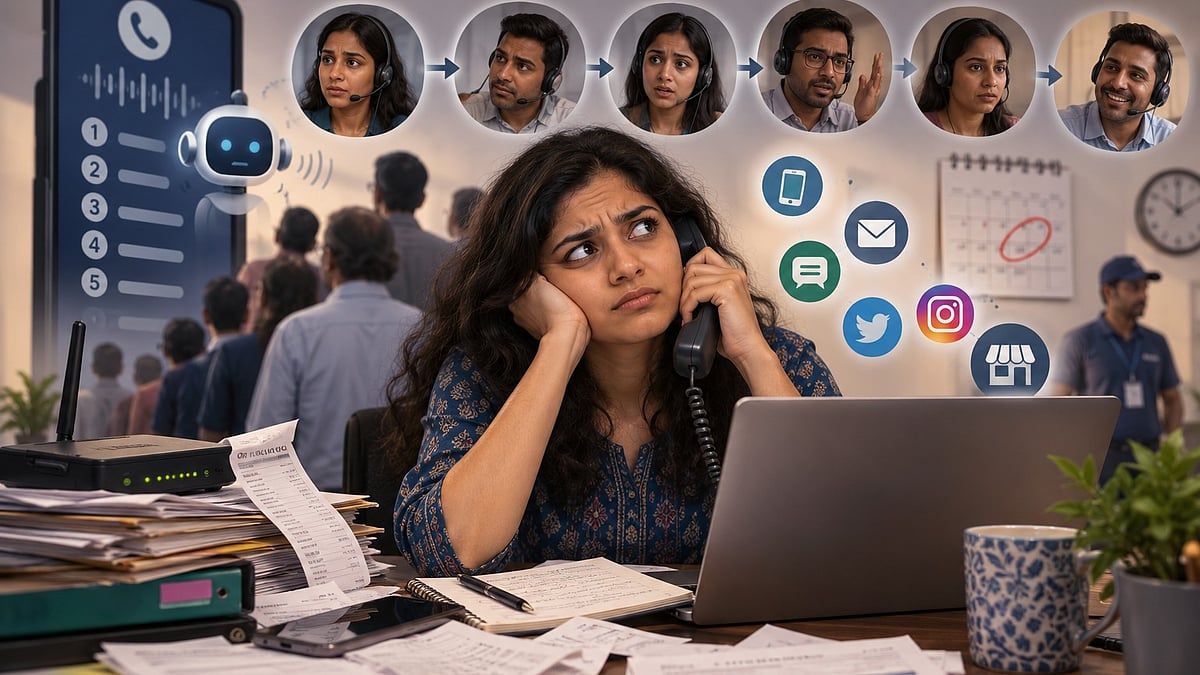
How Indian Customers Can Navigate Difficult Service Problems
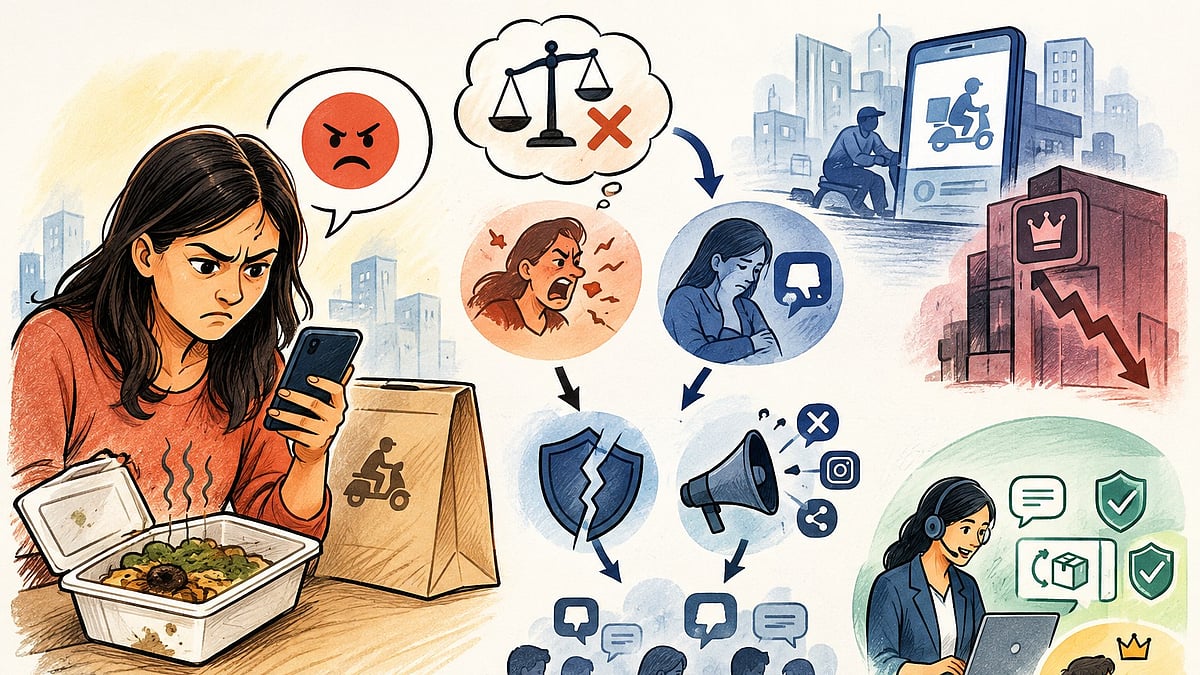
IIM Indore Study Warns Unfair Service Can Damage Brands

Customer Wins Rs 30,000 After Graphics Card Delivery Dispute

Blinkit Delivery Partner Allegedly Assaulted Over Delayed Order

Seven Defining Moments in History During August 23–29

Jane Birkin's everyday basket bag becomes $10.1 million luxury icon

Ampcus Cyber to Host GRC India AI Conclave 2026

AI's Impact on Pop Culture in 2025
