1 hr ago
IIM Indore Study Warns Unfair Service Can Damage Brands
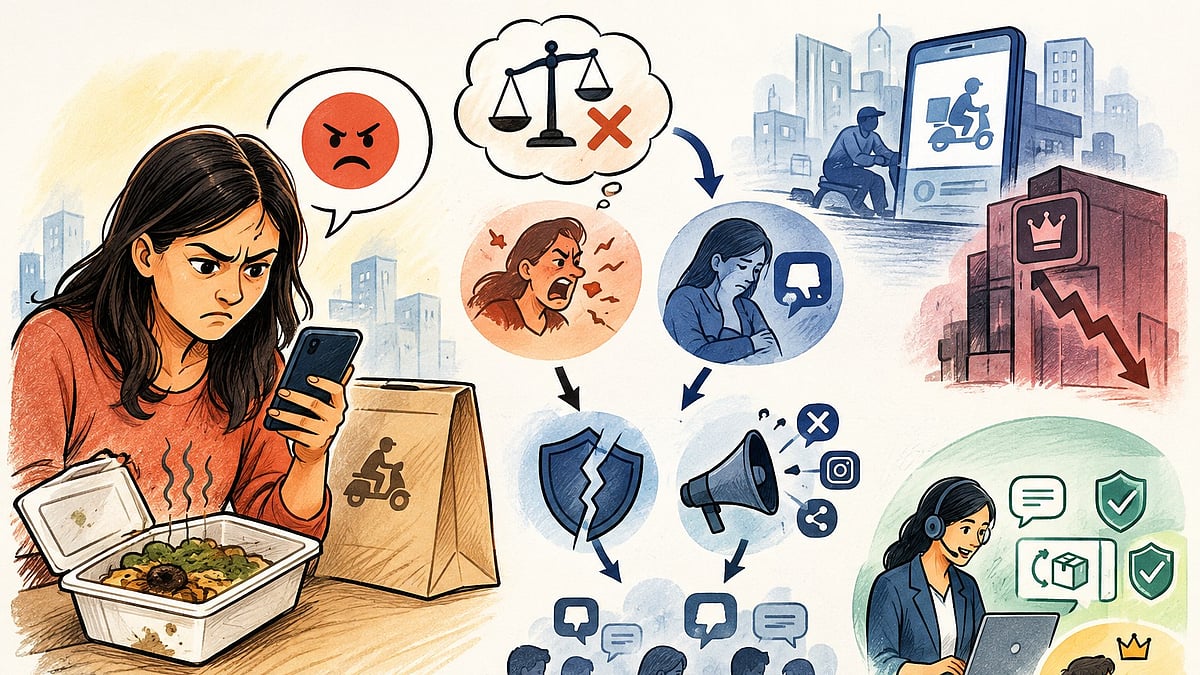
A study looked at what happens when an online order goes badly.
Customers may become especially upset when they feel the company treated them unfairly.
They judge the result, the complaint process and how politely they were treated.
This feeling can create anger and make them keep thinking negatively about the company.
They may stop trusting the brand and tell other people about the bad experience.
The study found that some customers with higher self-esteem were more likely to spread negative opinions.
Researchers say companies should make complaints easy to resolve and explain refunds or replacements clearly.
They also recommend training support workers to handle angry customers with empathy.

A study co-authored by IIM Indore’s Prof Deepa Halder found that perceived unfairness can intensify reactions to digital-service failures.
Customers judge whether the outcome, complaint process and treatment they received were fair and respectful.
Customer rage and longer-term negative engagement can weaken brand trust and increase negative word-of-mouth.
The research used contaminated-food and other e-service failure scenarios, involving samples of 176, 454 and 217 participants.
Researchers recommend transparent recovery measures, including real-time support, clear refunds or replacements and empathetic communication.
- Who
- Prof Deepa Halder of IIM Indore and fellow researchers studied consumers’ responses to digital-service failures.
- What
- The study examined how perceived injustice can lead to customer rage, negative engagement, reduced brand trust and negative word-of-mouth.
- Where
- The study was co-authored at IIM Indore in Indore, Madhya Pradesh, and examined digital-service scenarios.
- When
- The research was published in the Journal of Product & Brand Management; no publication date is stated.
- Why
- The researchers sought to understand why serious service failures can turn dissatisfied customers into vocal critics and how companies can improve service recovery.
Key facts
- Study title
- The Dark Side of Customer Emotion and Engagement: An Antecedent–Consequence Model
- Publication
- Journal of Product & Brand Management
- Pilot sample
- 176 participants
- Larger samples
- 454 and 217 frequent e-service users
- Main trigger
- Customers’ perception that the outcome, resolution process or treatment was unfair
- Key consequences
- Customer rage, negative engagement, weaker brand trust and negative word-of-mouth
- Recommended response
- Easy complaint resolution, real-time support, clear refund or replacement procedures and empathetic communication
Sources
Related news
Courier Company Ordered to Pay Rs 78,000 After US Parcel Vanished

Uttarakhand Commission Orders Payout Over Undersized Pizza

Meerut Blinkit delivery agent assaulted; customer arrested over delay

Ola ordered to pay ₹1.30 lakh for deficient scooter service
Customer Wins Rs 30,000 After Graphics Card Delivery Dispute
Consumer Forum Orders Zomato To Pay ₹8,250 Over Cancelled Orders

India’s Gen Z Faces a Networking Confidence Gap

India Explores 110 kmph Operations for Hydrogen Train
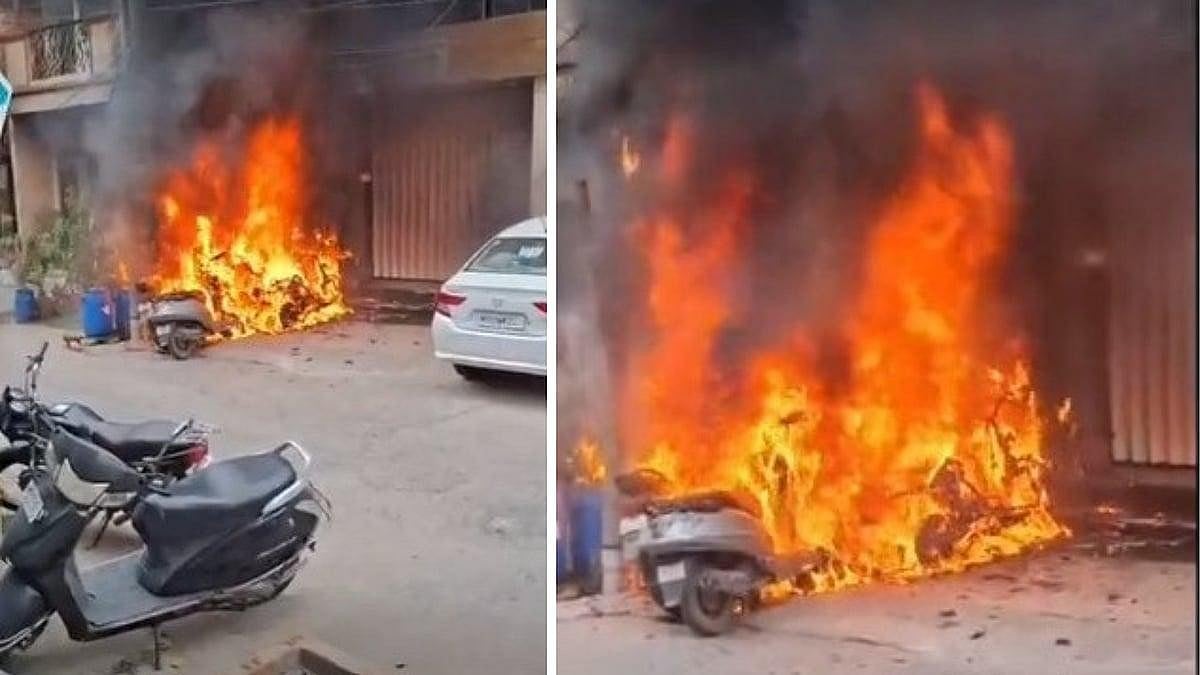
Second Death Reported Following Fatal Ratlam E-Scooter Fire
Indore Leads Madhya Pradesh in UPI Adoption at 51%