1 hr ago
Both Fibre Types Matter for Better Digestive Health
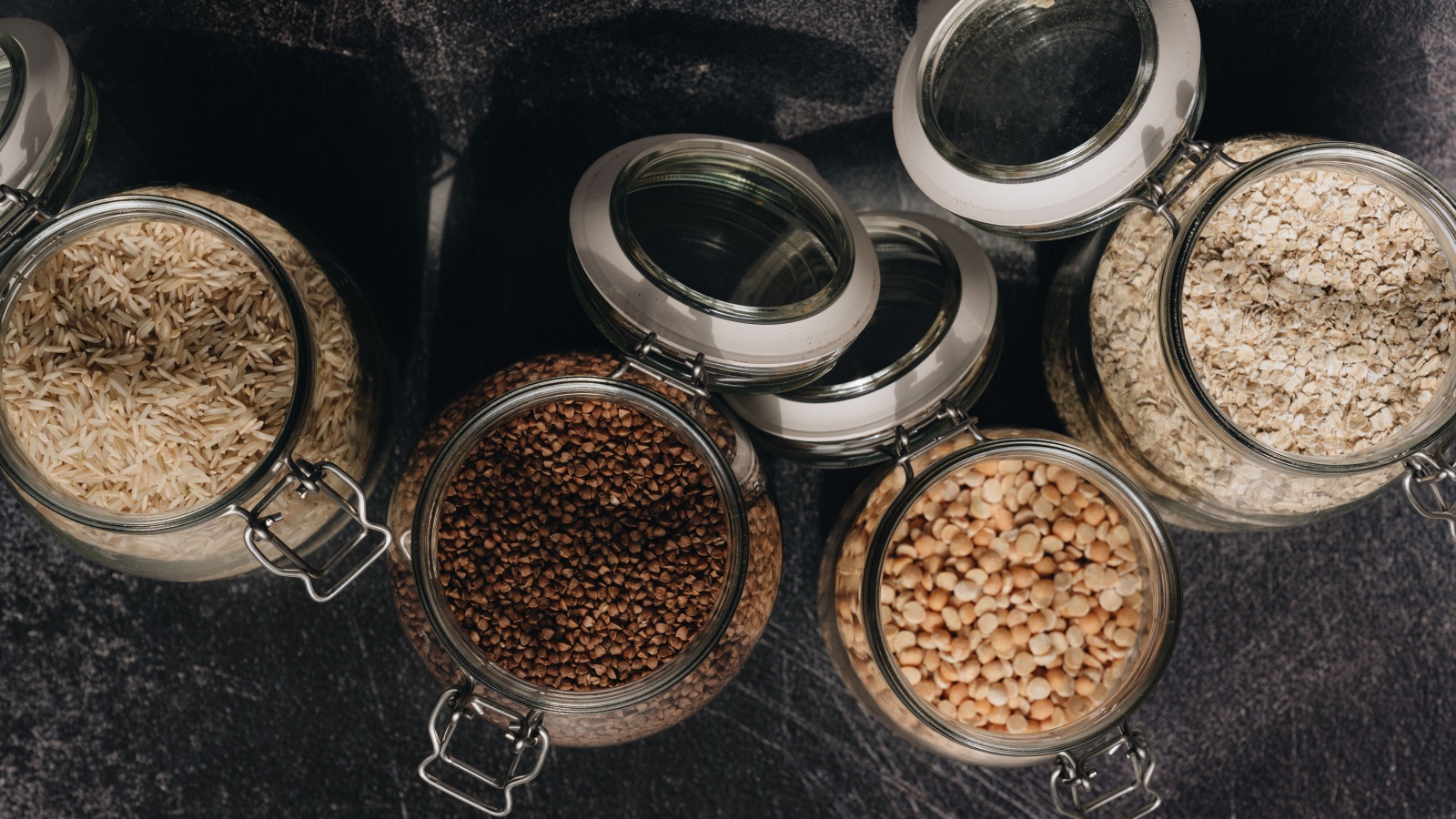
Fibre is a part of plant foods that helps keep our bodies healthy.
Soluble fibre mixes with water and becomes gel-like, which can help control blood sugar and cholesterol.
Insoluble fibre adds bulk to waste and helps it move through the gut.
We need both types, and many plant foods contain a mixture of them.
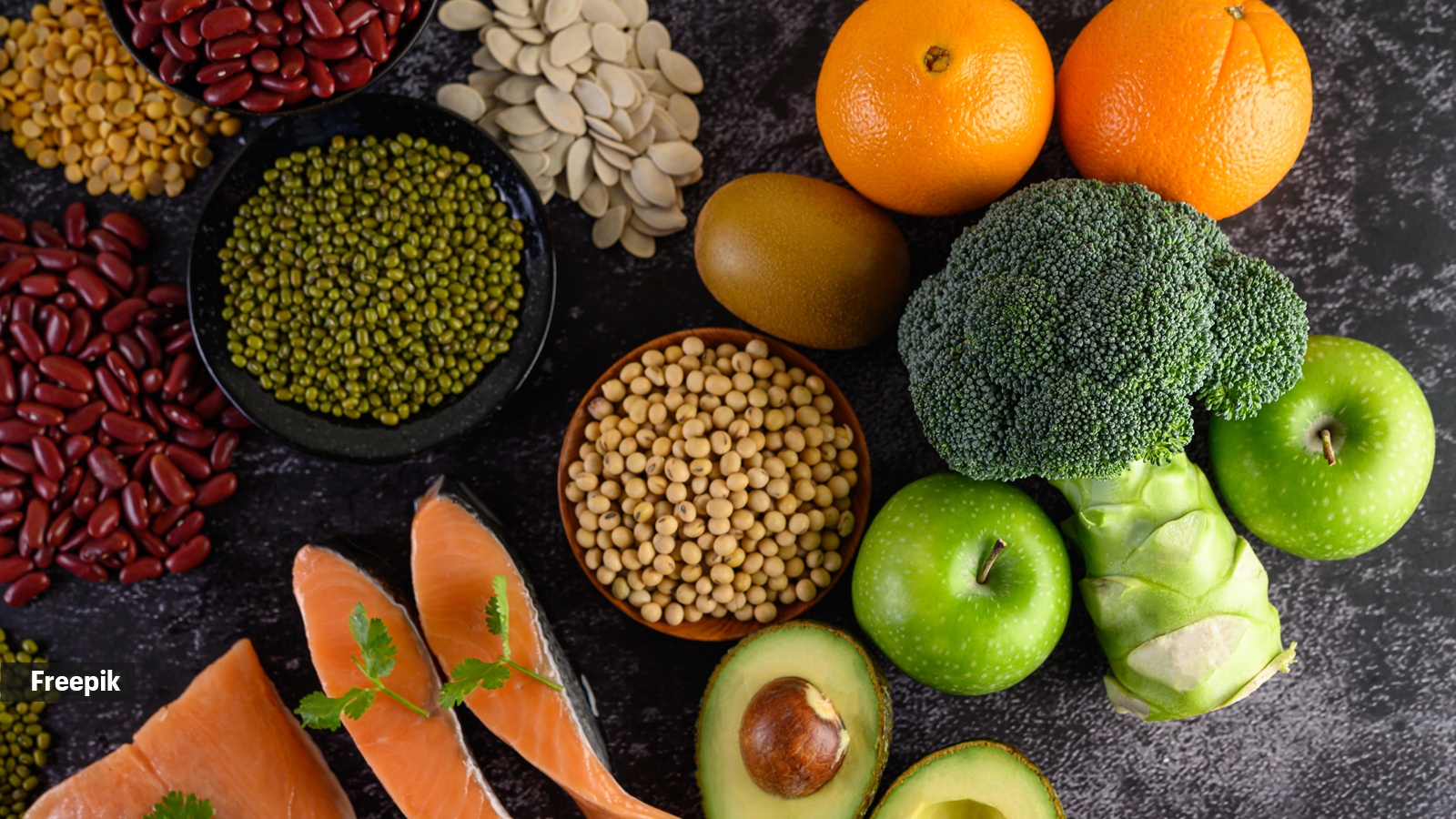
Fruits, vegetables, whole grains, beans, nuts and seeds are good sources.
It is best to increase fibre slowly instead of eating a lot all at once.
Drinking enough water is important because fibre absorbs water.
Packaged foods labelled high-fibre may still contain too much sugar, salt or refined ingredients.
Most adults can generally aim for about 25–30 grams of fibre each day.
People with ongoing digestive symptoms should seek advice instead of continually adding more fibre.

Soluble and insoluble fibre provide different benefits, so a varied intake of both is recommended.
Soluble fibre can slow carbohydrate absorption and support healthy cholesterol levels.
Insoluble fibre adds bulk to stool and helps food move through the digestive system.
Fibre should be increased gradually with enough water to reduce bloating, gas and constipation risk.
Most adults can aim for roughly 25–30 grams daily, while prioritising whole or minimally processed plant foods.
- Who
- Adults and people seeking to improve their fibre intake; the guidance is provided by Dr Shalini Garwin Bliss, Head-Dietetics at PSRI Hospital, New Delhi.
- What
- The article explains the differences between soluble and insoluble fibre and recommends eating a varied, gradual intake of fibre.
- Where
- The guidance is attributed to PSRI Hospital in New Delhi; no specific event location is given.
- When
- Why
- To explain how fibre supports digestion and other aspects of health, and how to increase intake safely.
Key facts
- Soluble fibre
- Absorbs water, forms a gel-like substance, slows carbohydrate absorption and can support healthy cholesterol levels.
- Insoluble fibre
- Adds bulk to stool and helps food move through the digestive system.
- Food sources
- Vegetables, fruits, whole grains, pulses, beans, nuts and seeds provide varied fibre.
- General daily target
- Roughly 25–30 grams for most adults, although individual requirements vary.
- Increase gradually
- A sudden increase may cause bloating, gas and abdominal discomfort.
- Water intake
- Adequate fluids are important because fibre absorbs water and insufficient fluids may worsen constipation.
- Processed foods
- High-fibre packaged foods may still contain considerable sugar, salt or refined ingredients.
Sources
Related news

Fibre Supplements May Cause Bloating, Gas and Diarrhoea
Fibre Benefits May Begin Quickly but Build Over Time
Simple Daily Habits Can Support Better Gut Health

Quick bites get fibremaxxed as India's snacking culture shifts

Daily Bloating May Signal Gut Problems, Expert Warns

Experts Encourage Families to Add Fermented Foods Daily

Health Checks in Your 20s, 30s and 40s Explained

Four Overlooked Muscle Groups May Support Healthy Ageing

Anupam Kher Describes Strength Training As Meditation

'Menty B' breaks reshape holidays as mental wellness escapes