2 weeks ago
Quick bites get fibremaxxed as India's snacking culture shifts
Fibre is a part of plants that helps our bodies digest food and keeps our stomachs healthy.
Some people in India are trying to eat more fibre, a trend called 'fibremaxxing.'
A 23-year-old student named Mansi Kalyan started eating more beans, lentils and chia after unhealthy late-night snacks made her feel sluggish.
She says these foods give her steady energy.
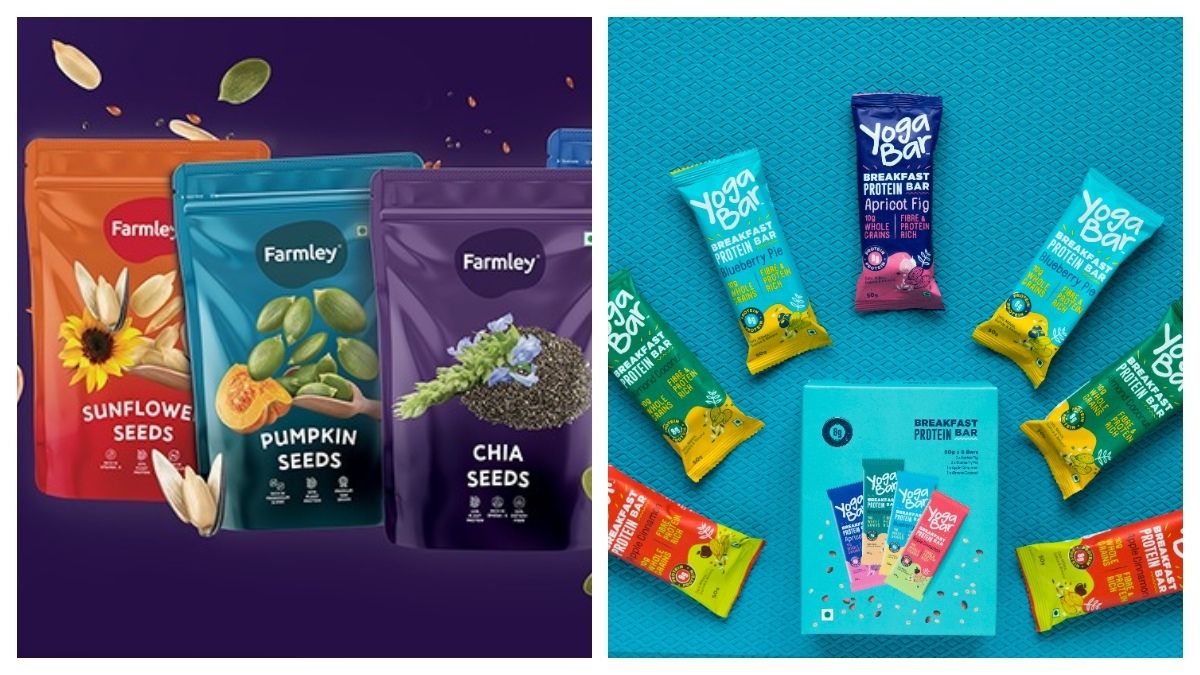
Many snack companies are now making chips, cookies and trail mixes from millets, oats, nuts and seeds.
A big survey found that nearly 7 out of 10 Indians do not get enough fibre, and women are affected the most.
Big companies like PepsiCo and ITC are adding more fibre to their snacks, and PepsiCo's CEO called fibre 'the next protein.'
Smaller brands are also using traditional grains like ragi and jowar to make healthy snacks that are easy to carry and eat.

Young Indian consumers, including 23-year-old engineering student Mansi Kalyan, are adopting 'fibremaxxing' by choosing fibre-rich snacks like beans, lentils and chia for steady energy and digestion.
The 2025 ITC Aashirvaad Happy Tummy survey found nearly 70% of Indians fall short of their recommended daily fibre intake, with women particularly affected.
At its October 2025 earnings call, PepsiCo CEO Ramon Laguarta announced fibre as the company's next major nutritional focus, calling it 'the next protein.'
Brands including ITC, PepsiCo India, The Healthy Binge, Healthy Master and Farmley are reformulating snacks around millets, oats, nuts, seeds, ragi, jowar and chickpeas.
Mintel's Global Food and Drink Predictions 2026 identifies fibre and protein as among the most easily understood nutrients, making them powerful drivers of consumer choice.
- Who
- Young Indian consumers such as engineering student Mansi Kalyan, along with snack makers including ITC, PepsiCo India, The Healthy Binge, Healthy Master and Farmley.
- What
- The 'fibremaxxing' trend — a shift toward fibre-rich snacks such as millet chips, roasted makhanas, quinoa khakhras and seed mixes for digestive health and wellness.
- Where
- India, with the trend also framed as part of a global shift toward healthier snacking.
- When
- Around 2025–2026, based on the 2025 ITC Aashirvaad Happy Tummy survey, PepsiCo's October 2025 earnings call and Mintel's 2026 predictions.
- Why
- Nearly 70% of Indians fall below their recommended daily fibre intake, and consumers increasingly prioritise satiety, gut health and long-term wellness.
Key facts
- Fibre deficiency
- Nearly 70% of Indians fall short of recommended daily fibre intake (2025 ITC Aashirvaad Happy Tummy survey)
- Most affected group
- Women are particularly affected by the fibre gap
- PepsiCo announcement
- Fibre declared 'the next protein' at October 2025 earnings call by CEO Ramon Laguarta
- ITC strategy
- 'Help India Eat Better' portfolio includes Sunfeast Farmlite, Yoga Bar and Right Shift ranges
- Mintel forecast
- Global Food and Drink Predictions 2026 names fibre and protein as easily understood nutrients
- The Healthy Binge
- Pune-based brand founded 2021, built on ragi, jowar, chickpeas and amaranth
- Healthy Master
- Bengaluru brand founded 2019; about 75,000 orders monthly, quick commerce at 50% of sales and rising
- Farmley
- Fibre-rich nuts, seeds and makhanas make up around two-thirds of its snack portfolio
Quotes
Gunjan Vijay Jain
President of the Nuts and Dry Fruits Council (India)
“"Fibremaxxing is a growing trend among consumers today, where they are consciously taking steps to increase the fibre quotient in their diet."”
 financialexpress.com
“"People are looking for snacks that are easy to carry, quick to eat and still nutritionally balanced."”
financialexpress.com
Sources
Related news
Why South India Is Becoming India’s Protein-Smartest Region

Protein Moves Beyond Gyms Into Everyday Indian Nutrition
India's Protein Fixation: Fortified Food Trend Raises Nutrition Questions

Why Indian Consumers Are Choosing Cleaner Whey Formulations

Kriti Sanon Adds Daily Fibre and Electrolytes Beyond Protein

Indore Suspends Food Licences of Headly Pizza, BigBasket
GST Cut Drives Sharp Recovery in India’s Consumer Staples
Sugar Purchase Caps Spread Across India Ahead of Festivals

Flipkart Minutes Overtakes Instamart As Quick-Commerce Race Intensifies
Karnataka Minister Seeks Action Over Datura Licence Suspension Delay