8 hrs ago
US Court Blocks Trump's Mail-Ballot Overhaul Before Midterms
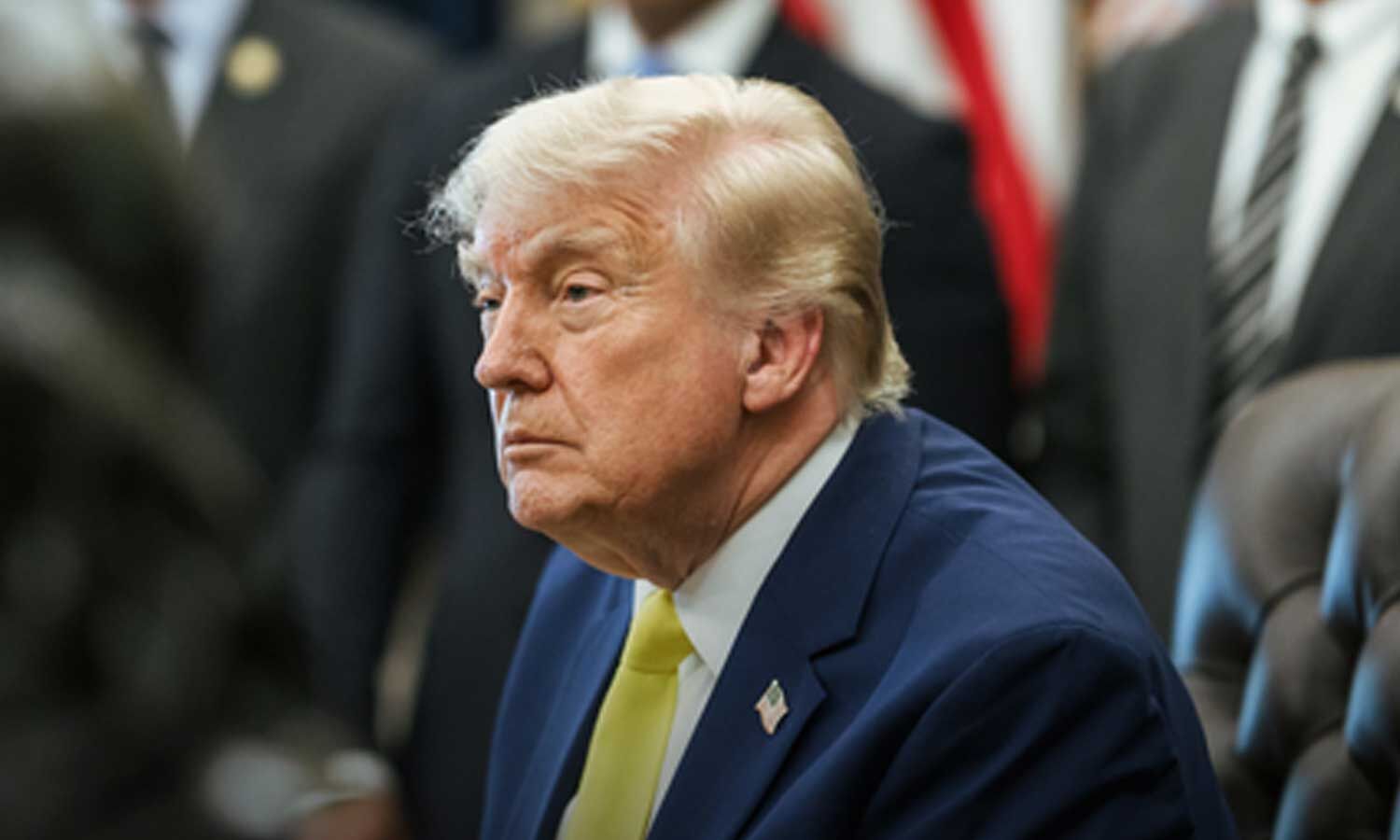
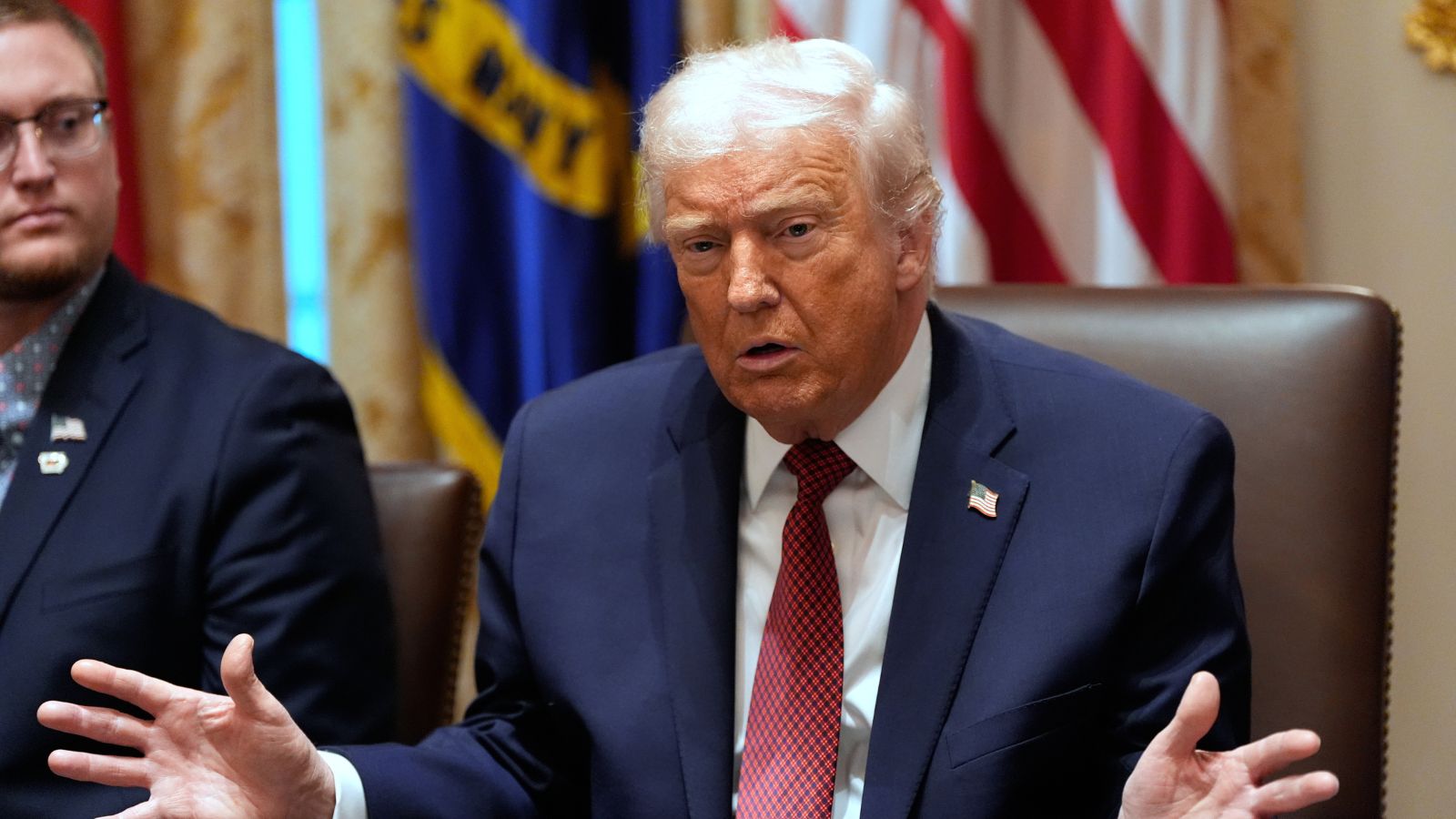
The Trump administration wanted to create new rules for ballots sent through the mail.
The rules would have required states to redesign ballot envelopes and send information to the United States Postal Service.
The United States Supreme Court stopped the rules from being used in the upcoming midterm elections.
Election officials said there was not enough time to make the changes safely.
Some states had already started sending ballots.
The court said the administration was unlikely to win its legal challenge at this stage.
The ruling does not finally decide whether the Postal Service has this power in future elections.
The administration said the rules would protect election integrity.
Opponents said states, not the Postal Service, should mainly control elections.

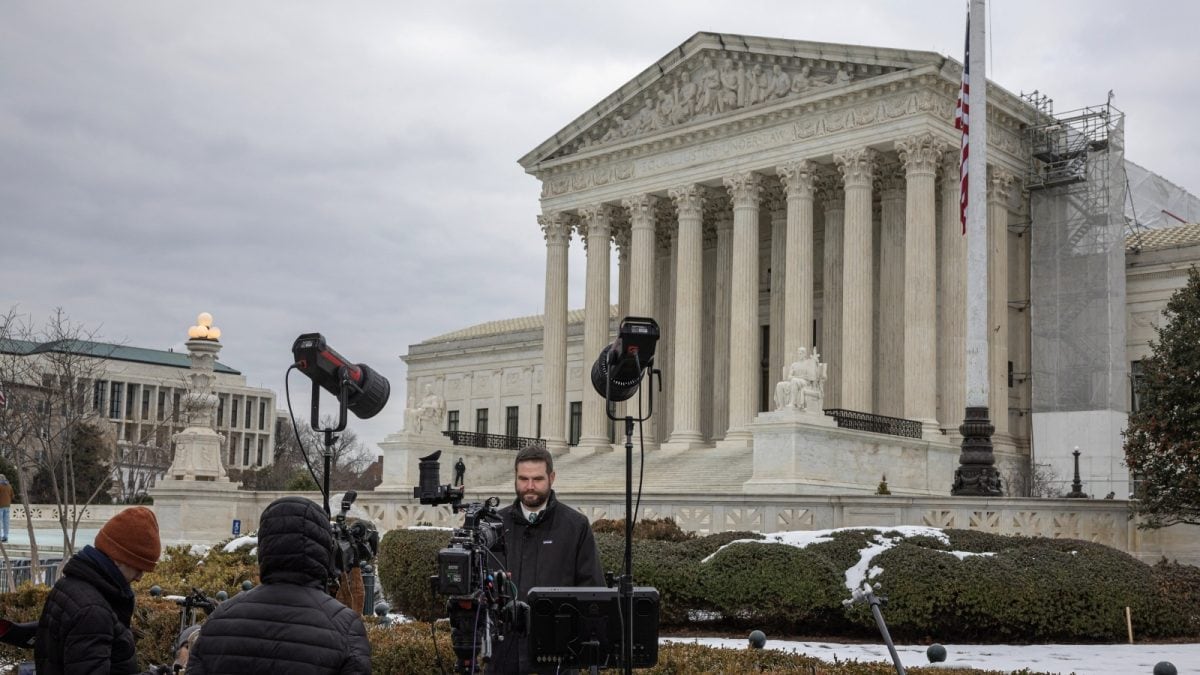
The United States Supreme Court blocked the Trump administration from enforcing new mail-ballot requirements for the November midterm elections.
The justices rejected an emergency appeal seeking to lift a lower-court injunction against United States Postal Service rules.
The rules required redesigned ballot envelopes, voter-specific barcodes, federal approval and voter-information uploads to a Postal Service portal.
Election officials said the changes came too late, with North Carolina already having sent about 300,000 absentee ballots.
The ruling prevents the rules’ use in the midterms but does not decide whether the Postal Service can impose them in future elections.
- Who
- The Trump administration, the United States Postal Service, the United States Supreme Court, state election officials and voting-rights organizations are involved.
- What
- The Supreme Court blocked new federal requirements for mail ballots from taking effect in the November midterm elections.
- Where
- The dispute concerns mail-ballot procedures across the United States, including North Carolina and Wisconsin.
- When
- The decision was issued Monday, ahead of the November midterm elections and Nov. 3 voting.
- Why
- The court found the administration was unlikely to succeed immediately, while election officials said the requirements could not be implemented so close to voting.
Opponents of the Rules
Administration and Supporters
Authority over elections
Opponents of the Rules
Democratic-led states and voting-rights organizations argued that the Postal Service was attempting to regulate elections, a power primarily exercised by states.
Administration and Supporters
The administration argued that the rules were constitutional, while Justice Samuel Alito said the Postal Service has broad authority to regulate mail delivery.
Timing of implementation
Opponents of the Rules
Election officials said states could not redesign systems and envelopes so close to voting, and North Carolina Attorney General Jeff Jackson said the rules should not change during an election.
Administration and Supporters
Justice Brett Kavanaugh said the policy might fall within the Postal Service’s statutory authority, but agreed that applying it this year would be arbitrary and capricious because officials lacked sufficient time.
Election integrity
Opponents of the Rules
Opponents argued that the requirements could disrupt ballot processing and interfere with states’ election administration.
Administration and Supporters
The Trump administration said the requirements were intended to protect election integrity and prevent noncompliant mailings from being accepted.
Key facts
- Court decision
- The Supreme Court rejected an emergency appeal to suspend a lower-court injunction.
- Election impact
- The Postal Service requirements cannot be used in the November midterm elections.
- Proposed changes
- States would have needed new ballot envelopes, election-mail logos, machine-readable features and voter-specific barcodes.
- Federal portal
- States would have been required to submit designs for approval and upload voter names, addresses and barcode information.
- North Carolina ballots
- About 300,000 absentee ballots had already been sent.
- Mail-ballot use
- Nearly one-third of American voters used mail ballots in 2024, according to the cited reports.
- Dissent
- Justices Samuel Alito and Clarence Thomas dissented.
Quotes
North Carolina Attorney General Jeff Jackson
North Carolina’s attorney general, who opposed changing ballot requirements during voting.
“The Government is unlikely to succeed on the merits of its challenge to the District Court’s preliminary injunction.”
 thehansindia.com
“There is at least a fair prospect that the final rule falls within the Postal Service’s statutory authority.”
thehansindia.com
Sources
Related news
Supreme Court Rejects Trump Mail Ballot Restrictions Ahead of Midterms
Appeals Court Rejects Trump Mail-Voting Restrictions as Supreme Court Weighs Rule
Supreme Court Clears Hurdle for Trump's Mail Voting Restrictions
Judge Extends Block on Trump Mail Voting Restrictions

Judge Blocks Trump Mail-Voting Plan Ahead of Midterm Elections
Supreme Court Gives Trump Temporary Win on Mail-Ballot Restrictions
Trump Replaces White House Rose Garden Roses With Statues
Supreme Court Reviews Transgender Athlete Bans
Supreme Court Blocks Trump's National Guard Deployment in Chicago