1 week ago
Supreme Court Gives Trump Temporary Win on Mail-Ballot Restrictions
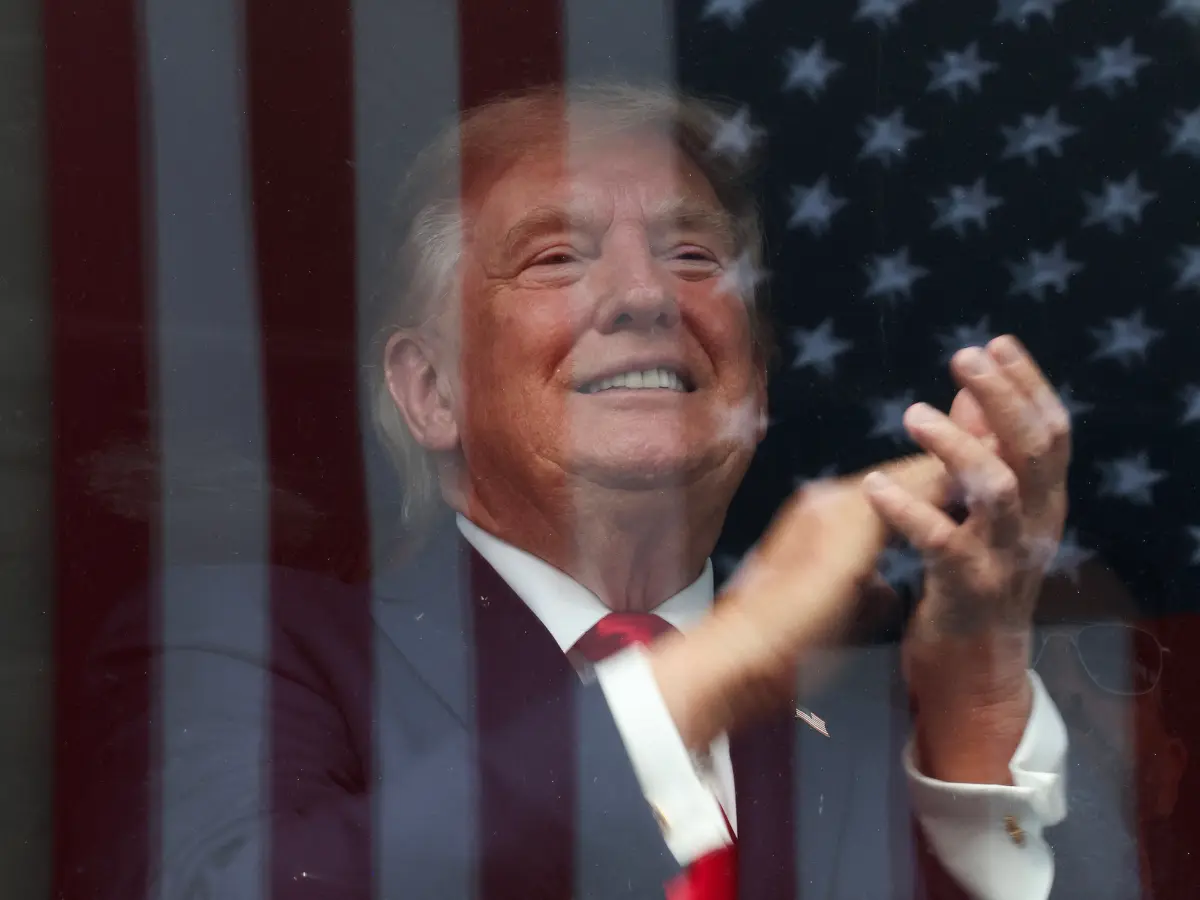
President Donald Trump made a plan to change how mail-in ballots are handled.
Several states sued because they said states and Congress, not the president, control election rules.
A lower-court judge had stopped the plan.
The Supreme Court temporarily paused that judge’s decision.
This means some parts of the plan may move forward for now.
However, the justices did not decide whether the plan is legal.
Another court order still blocks the Postal Service from enforcing some of the changes nationwide.
Six conservative justices supported the decision, while three liberal justices disagreed.
The legal fight may continue before the November midterm elections.

The Supreme Court put on hold a lower-court injunction blocking parts of Trump’s March executive order on mail-in voting.
The 6-3 decision allows some provisions to proceed but does not decide whether the order is ultimately lawful.
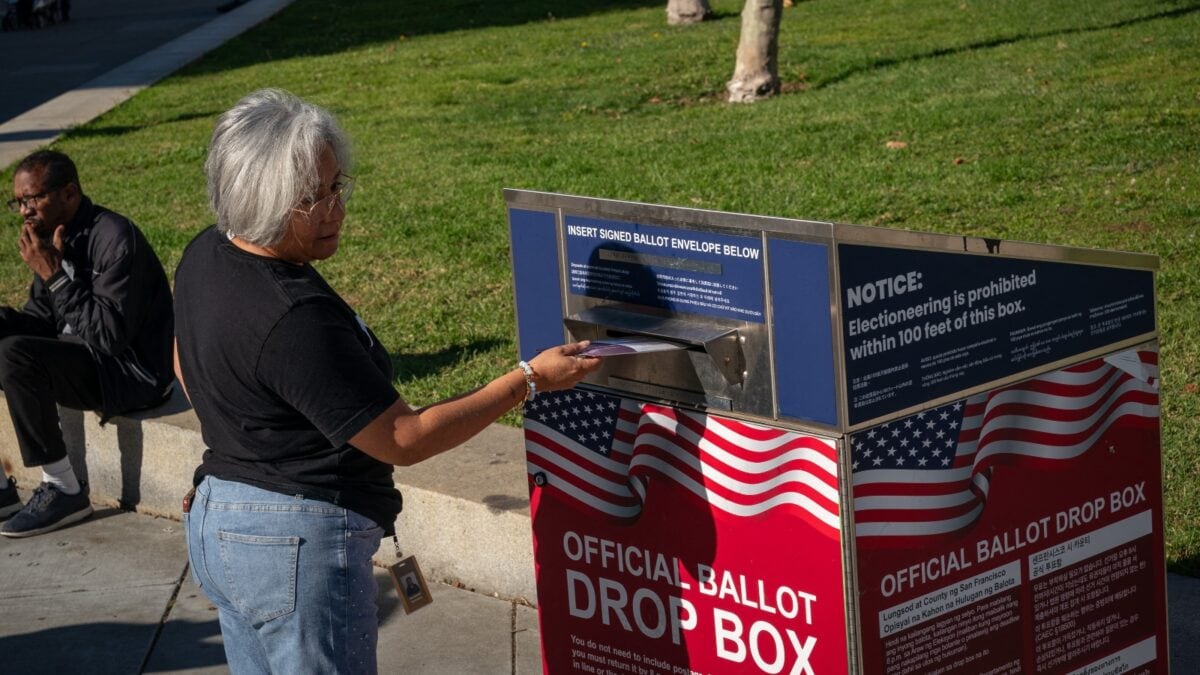
The order directs federal agencies to compile voter-eligibility lists and limits Postal Service delivery to approved voters.
A separate August 11 injunction still blocks nationwide Postal Service enforcement of tighter mail-ballot rules.
Twenty-three mostly Democratic-governed states and Washington, D.C., continue challenging the order ahead of the November midterms.
- Who
- President Donald Trump, the Justice Department, the U.S. Supreme Court, and 23 mostly Democratic-governed states plus Washington, D.C.
- What
- The Supreme Court temporarily lifted a lower-court injunction blocking parts of Trump’s executive order restricting mail-in voting.
- Where
- The United States, including the states and Washington, D.C., involved in the lawsuit.
- When
- Monday, August 24, 2026, ahead of the November midterm elections.
- Why
- The Justice Department requested emergency relief, arguing the states’ lawsuit was premature and that their alleged harms were speculative; the Court said the lower court lacked jurisdiction to block implementation.
States and Democratic Leaders
Trump Administration
Authority over elections
States and Democratic Leaders
The states argue that states and Congress, rather than the president, control voter-eligibility requirements and the administration of federal elections.
Trump Administration
The administration is seeking to implement the executive order through federal agencies and disputes the states’ challenge at this stage.
Timing and legal standing
States and Democratic Leaders
The states say the threat is immediate because rushed changes could disrupt election administration, create compliance costs, and risk disenfranchising voters before the midterms.
Trump Administration
The Justice Department says the lawsuit was premature because federal agencies had not yet taken concrete actions harming the states, making their alleged injuries speculative.
Scope and legality
States and Democratic Leaders
Democratic leaders, including Chuck Schumer, condemned the ruling, while California Governor Gavin Newsom said California would pursue another legal challenge.
Trump Administration
The administration received permission to proceed with some parts of the order, although the Supreme Court expressly left open whether particular implementation measures are lawful.
Key facts
- Court vote
- The six conservative justices supported the decision, while the three liberal justices dissented.
- Executive order
- Trump signed the mail-voting order in March 2026.
- Order provisions
- The order calls for federal voter-eligibility lists, new ballot-envelope requirements, and investigations or prosecutions involving officials who issue ballots to people deemed ineligible.
- Postal Service rule
- The order would require the U.S. Postal Service to deliver ballots only to voters on approved state lists.
- Lower-court injunction
- Judge Indira Talwani blocked the order in June after 23 states and Washington, D.C., sued.
- Separate injunction
- An August 11 injunction still blocks nationwide Postal Service enforcement of tighter mail-ballot delivery rules.
- Election timing
- States are preparing to send mail ballots within weeks, leaving limited time for major changes before the midterms.
Quotes

US Supreme Court
The nation’s highest court, speaking through its unsigned opinion.
“The Court's disposition of this application does not mean that any measure taken by the Government to implement the Order will necessarily be lawful.”
 wionews.com
“On that score, time will tell.”
wionews.com
Sources
Related news
Supreme Court Clears Hurdle for Trump's Mail Voting Restrictions

Judge Blocks Trump Mail-Voting Plan Ahead of Midterm Elections

Supreme Court Clears Path for Trump Mail-In Voting Restrictions

Judge Lifts Block on Trump Mail Restrictions Before Midterms

USPS Mail-Ballot System Raises Concerns Ahead of 2026 Midterms
US Court Blocks Trump's Voter Citizenship List

Judge Blocks Trump Admin's Move to End Migrant Legal Status