

5 hrs ago
Appeals Court Rejects Trump Mail-Voting Restrictions as Supreme Court Weighs Rule
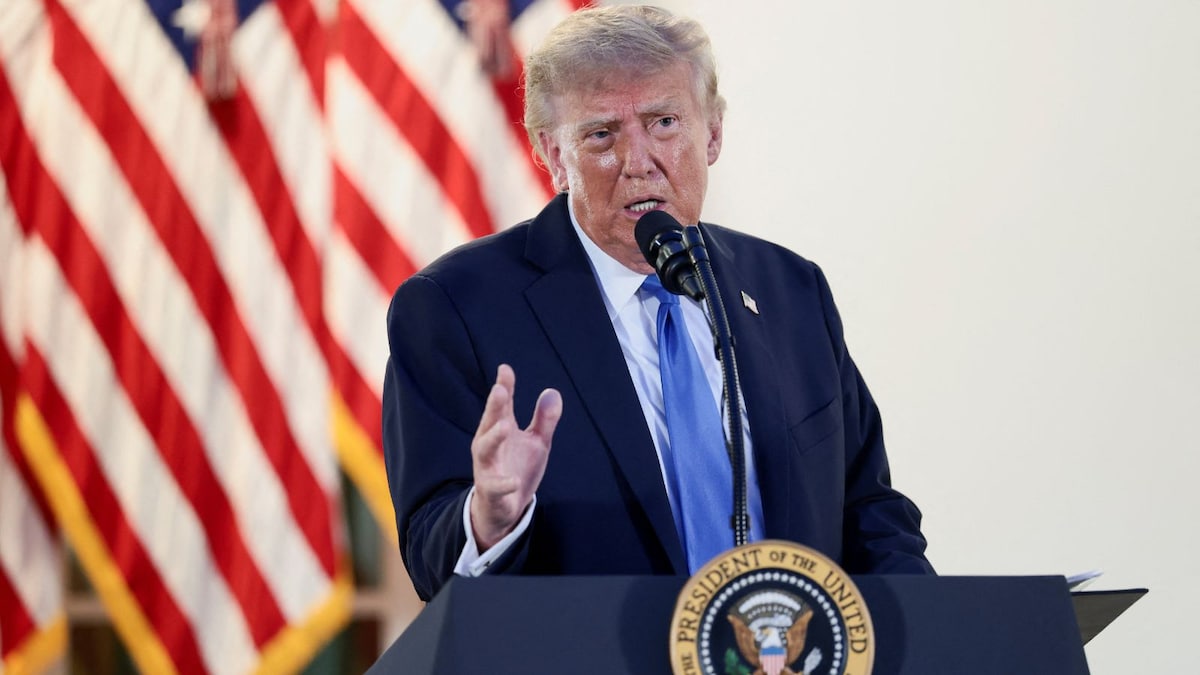
A federal appeals court has kept a new mail-voting rule from taking effect.
The rule was created by the United States Postal Service at President Donald Trump’s direction.
It would require states to give USPS lists of people receiving mail ballots.
It would also require special barcodes on outgoing and returning ballot envelopes.
USPS could refuse ballots that did not meet the new requirements or were tied to people missing from the lists.
A lower-court judge said the rule might stop millions of people from having their votes counted.
She also said the rule might be illegal because states and Congress have authority over elections.
The administration says the rule is a modest envelope regulation and that states would still decide who may vote by mail.
The Supreme Court is considering whether to let the rule take effect.

The Boston-based 1st U.S. Circuit Court of Appeals declined to suspend an injunction blocking a new USPS mail-voting rule.
The rule requires states to provide mail-ballot recipient lists and requires unique barcodes on outbound and return ballot envelopes.
USPS could refuse ballots that fail the standards or are linked to voters missing from state-provided lists.
Judge Indira Talwani found the rule likely unlawful and potentially capable of disenfranchising millions of voters, with minimal benefits against fraud.
The Trump administration has asked the U.S. Supreme Court to lift the injunction while the appeal remains pending.
- Who
- The Trump administration, the United States Postal Service, voting-rights groups, Democratic-led states, and federal courts are involved.
- What
- The 1st U.S. Circuit Court of Appeals refused to suspend an injunction blocking new USPS mail-voting requirements.
- Where
- The ruling came from the Boston-based 1st U.S. Circuit Court of Appeals.
- When
- The appeals court ruled on Thursday, September 10, before November’s congressional elections.
- Why
- The lower court and appeals panel said the rule could disenfranchise voters and exceed federal executive authority, while the administration argued it was a lawful, limited envelope regulation.
Opponents of the rule
Trump administration
Legality and election authority
Opponents of the rule
Voting-rights groups, Democratic-led states, Judge Indira Talwani, and the appeals panel said the rule was likely unlawful and could intrude on the authority of states and Congress to regulate elections.
Trump administration
The U.S. Department of Justice argued that the rule was lawful, modest, and limited to envelope requirements, while states would retain control over who could vote by mail.
Effect on voters
Opponents of the rule
Opponents said the rule could disenfranchise millions of voters and that a hastily created USPS system risked disrupting ballot delivery.
Trump administration
The administration argued that USPS was not taking over election administration and was only ensuring that envelopes complied with its requirements.
Fraud prevention
Opponents of the rule
The appeals court said the rule would provide minimal, if any, gains in combating voter fraud.
Trump administration
The administration described the measure as a regulation intended to ensure compliance with mail-related requirements.
Key facts
- Appeals court action
- The 1st U.S. Circuit Court of Appeals declined to put the injunction on hold.
- Blocked rule
- A United States Postal Service rule tightening requirements for mail ballots.
- State lists
- States would provide USPS with lists of mail-ballot recipients.
- Envelope requirement
- Outbound and return ballot envelopes would need unique barcodes.
- Possible USPS action
- USPS could refuse ballots that failed the standards or involved voters absent from the lists.
- Lower-court ruling
- U.S. District Judge Indira Talwani issued the injunction after finding the rule likely unlawful and harmful to voting access.
- Supreme Court status
- The Trump administration asked the U.S. Supreme Court to lift the injunction, and that request remains pending.
- Mail-voting coverage
- All 50 states allow some form of mail voting; 29 allow no-excuse mail voting, and eight conduct elections entirely by mail.
Quotes

First U.S. Circuit Court of Appeals panel
Three-judge federal appeals panel reviewing the injunction against the USPS rule
“will likely result in the disenfranchisement of millions of voters across the country while providing minimal — if any — gains in combating voter fraud.”
 theprint.in
 CNBC TV 18

Rob Bonta
California attorney general and Democratic participant in the litigation
“rejected the Trump Administration’s latest attempt to disrupt mail voting.”
theprint.in
CNBC TV 18
Sources

Related news
Judge Extends Block on Trump Mail Voting Restrictions

Judge Blocks Trump Mail-Voting Plan Ahead of Midterm Elections
Supreme Court Clears Hurdle for Trump's Mail Voting Restrictions
Supreme Court Gives Trump Temporary Win on Mail-Ballot Restrictions
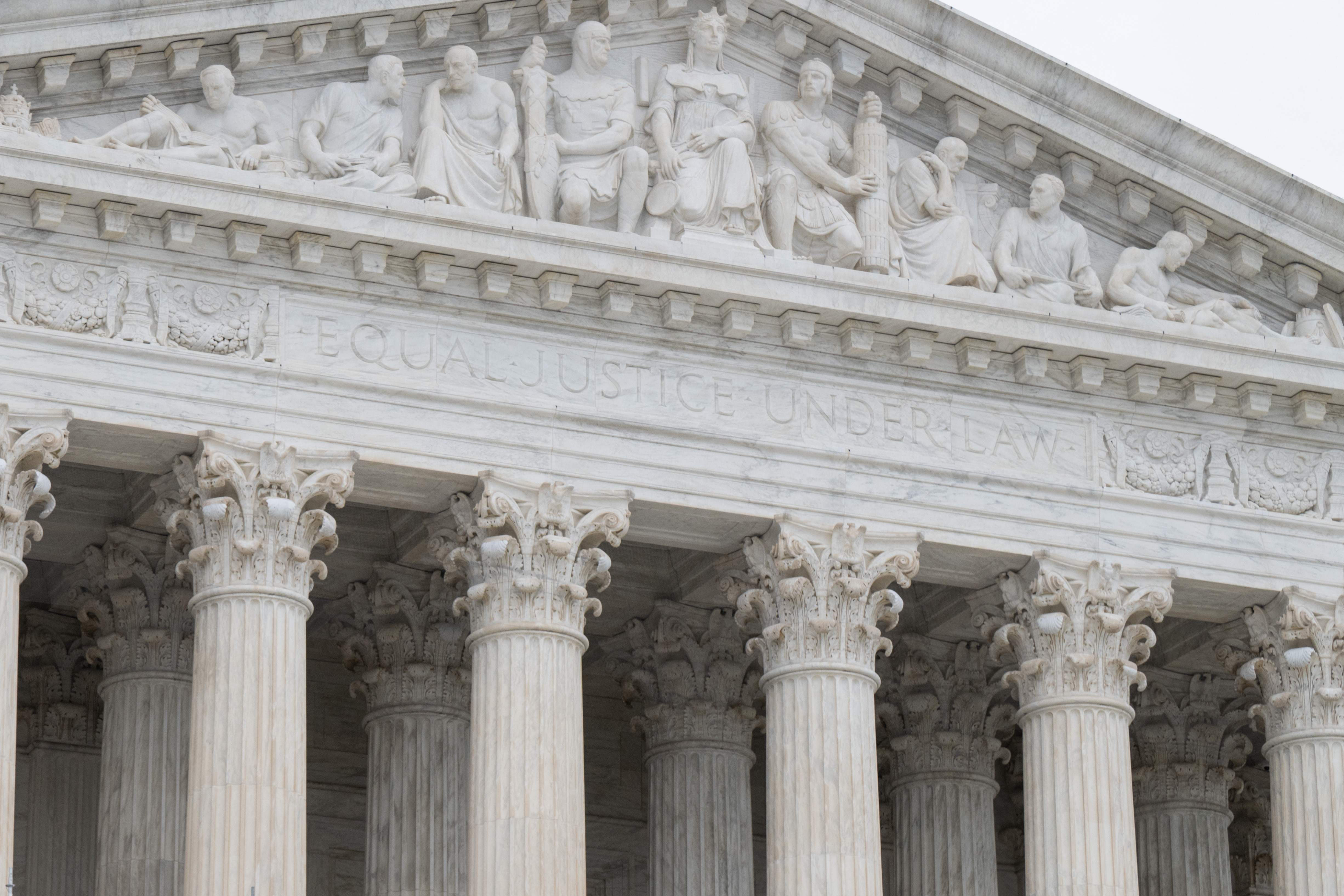
Judge Extends Block on Trump Order Limiting Mail Voting
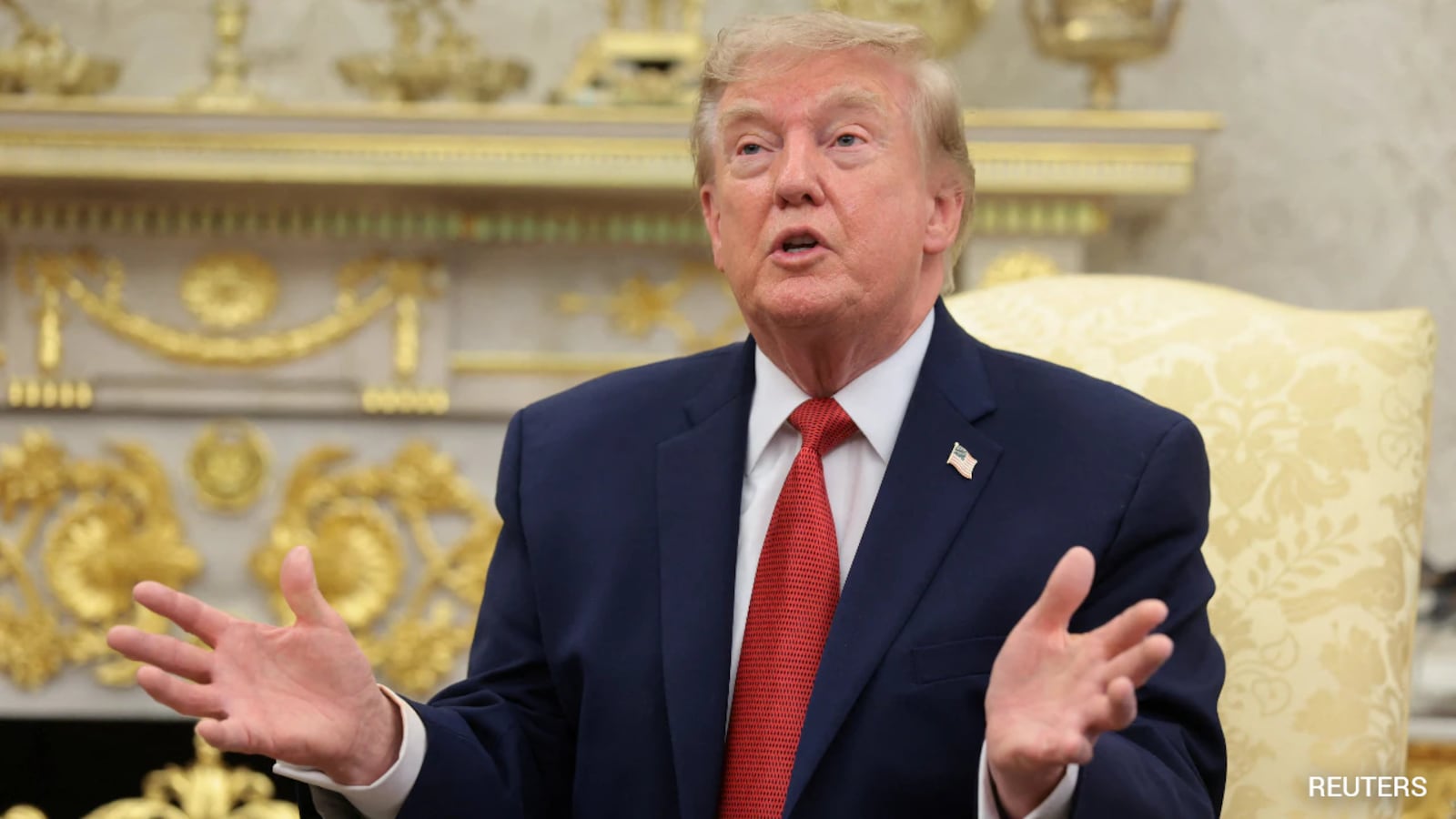
Trump Asks Supreme Court To Lift Mail-In Voting Block
