

1 week ago
India’s Smaller States Report Lower Out-of-Pocket Medical Spending

A government survey found that people in some small Indian states spend less of their own money on healthcare.
This is surprising because richer families often spend more on private medical treatment.
Rural families in Goa spent about Rs 1,097 per year on hospitalisation.
The national rural average was Rs 4,496.
Rural families in Kerala, Haryana and Punjab spent much more than families in Goa, Sikkim, Meghalaya and Ladakh.
Experts say smaller regions may have health centres closer to people’s homes.
This can reduce travel costs and the need to visit private doctors.
Local health posts in places such as Ladakh also provide basic medicines for some outpatient care.

Rural Goa households spend Rs 1,097 annually on hospitalisation, about one-fourth of the national average.
Rural hospitalisation spending is Rs 2,344 in Sikkim, Rs 2,007 in Meghalaya and Rs 517 in Ladakh.
High-income, larger states report higher rural hospitalisation expenses, including Kerala at Rs 10,929.
Ladakh’s rural households spend Rs 240 on 30-day non-hospitalised care, below the national average of Rs 545.
Experts link the difference to healthcare access, administrative density, travel distances and local health-post services.
- Who
- Rural households in India, particularly those in smaller states and Union Territories, are the focus of the survey.
- What
- MoSPI data shows that several smaller regions record lower out-of-pocket medical spending than the national average, despite relatively high household incomes.
- Where
- The comparison covers India, including Goa, Sikkim, Meghalaya, Ladakh, Tripura, Kerala, Haryana, Punjab, Uttar Pradesh and Madhya Pradesh.
- When
- The figures come from the National Sample Survey’s Comprehensive Annual Modular Survey, 2022–23, Report No. 590.
- Why
- Experts attribute the pattern partly to closer primary health centres, local health posts, basic medicine distribution and lower travel barriers in smaller regions.
Public-health economics expectation
Observed survey pattern
Income and private medical spending
Public-health economics expectation
Experts say rising household incomes commonly lead families to seek faster private healthcare, increasing out-of-pocket spending.
Observed survey pattern
The survey shows several smaller, relatively high-income states and Union Territories recording out-of-pocket expenses below national levels.
Healthcare access
Public-health economics expectation
In large states, remote villages may face long journeys to secondary or tertiary hospitals, adding indirect costs and contributing to delayed treatment.
Observed survey pattern
In smaller regions such as Goa and Sikkim, primary health centres and rural sub-centres are described as being closer to residential areas, reducing travel barriers.
Outpatient costs
Public-health economics expectation
Limited access to formal facilities can lead patients to use informal providers or reach hospitals later in the course of illness.
Observed survey pattern
Local health posts in Ladakh and Tripura provide basic outpatient care and medicines, helping keep short-term spending lower.
Key facts
- Data source
- Ministry of Statistics and Programme Implementation, National Sample Survey, Report No. 590.
- Survey period
- 2022–23.
- Rural India hospitalisation average
- Rs 4,496 per household annually.
- Rural Goa hospitalisation spending
- Rs 1,097 per household annually.
- Highest cited rural spending
- Kerala: Rs 10,929 per household annually for hospitalisation.
- Ladakh outpatient spending
- Rs 240 per rural household over 30 days, compared with the national average of Rs 545.
- Reported explanation
- Healthcare facility proximity and administrative and supply-chain differences may reduce travel and treatment costs.
Sources
Related news
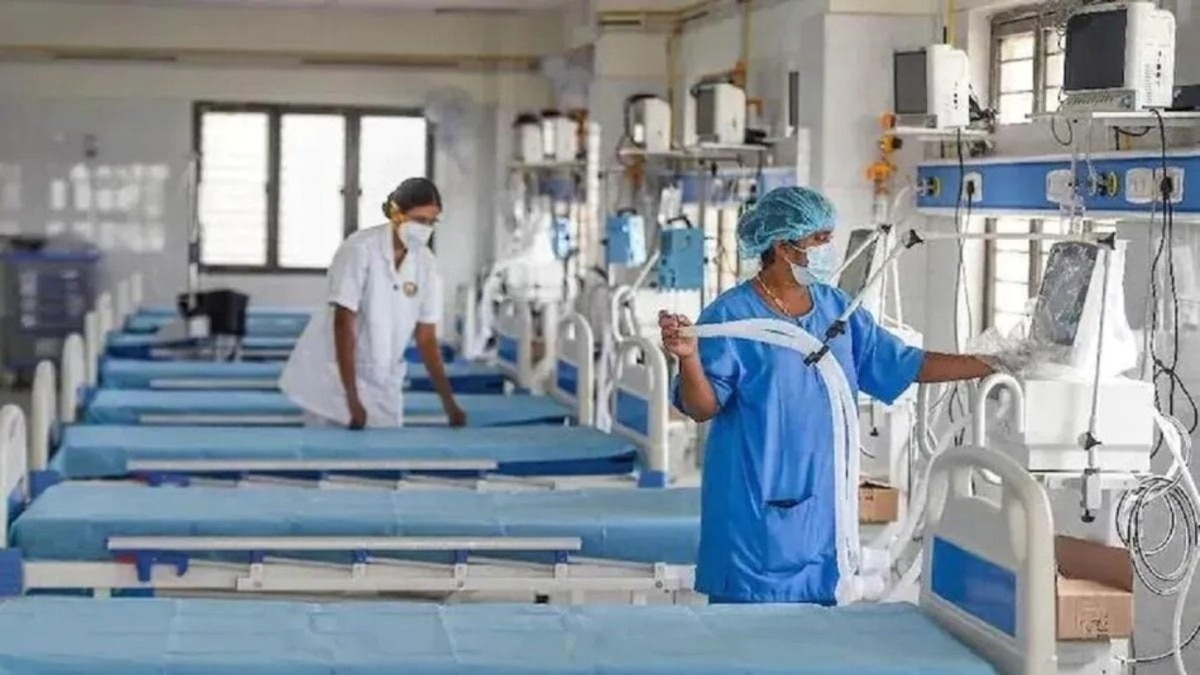
Private hospitalisation costs nearly 8 times more than government hospitals
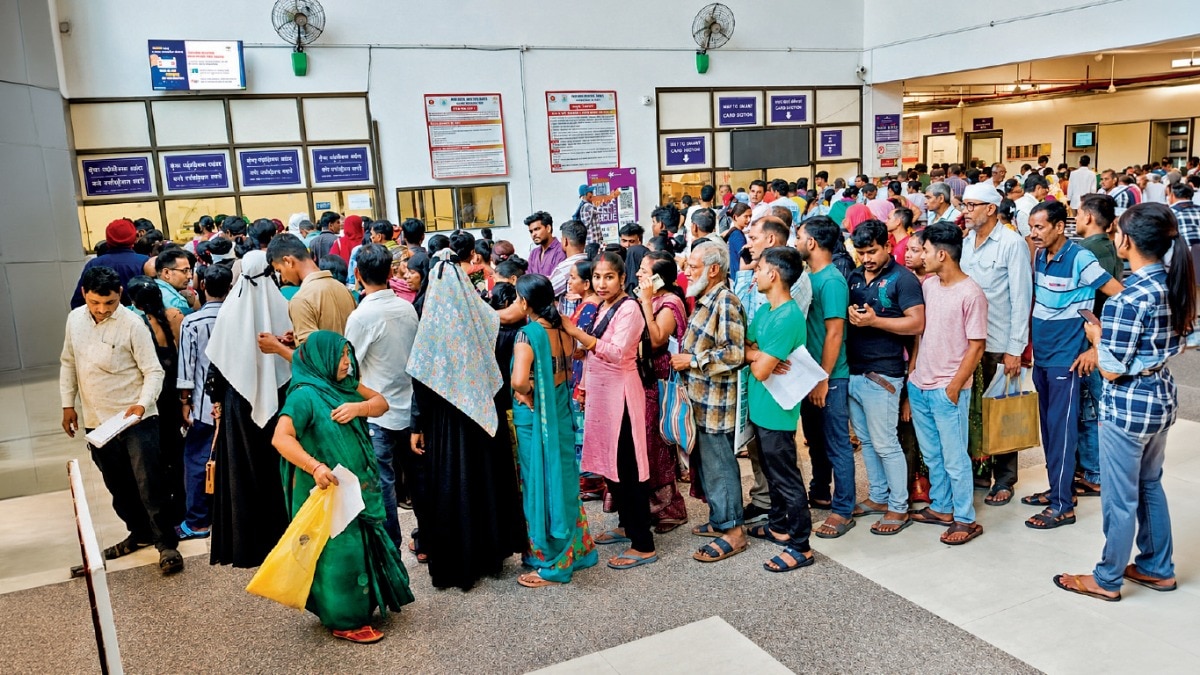
India's health insurance coverage climbs but hospitalisation costs rise
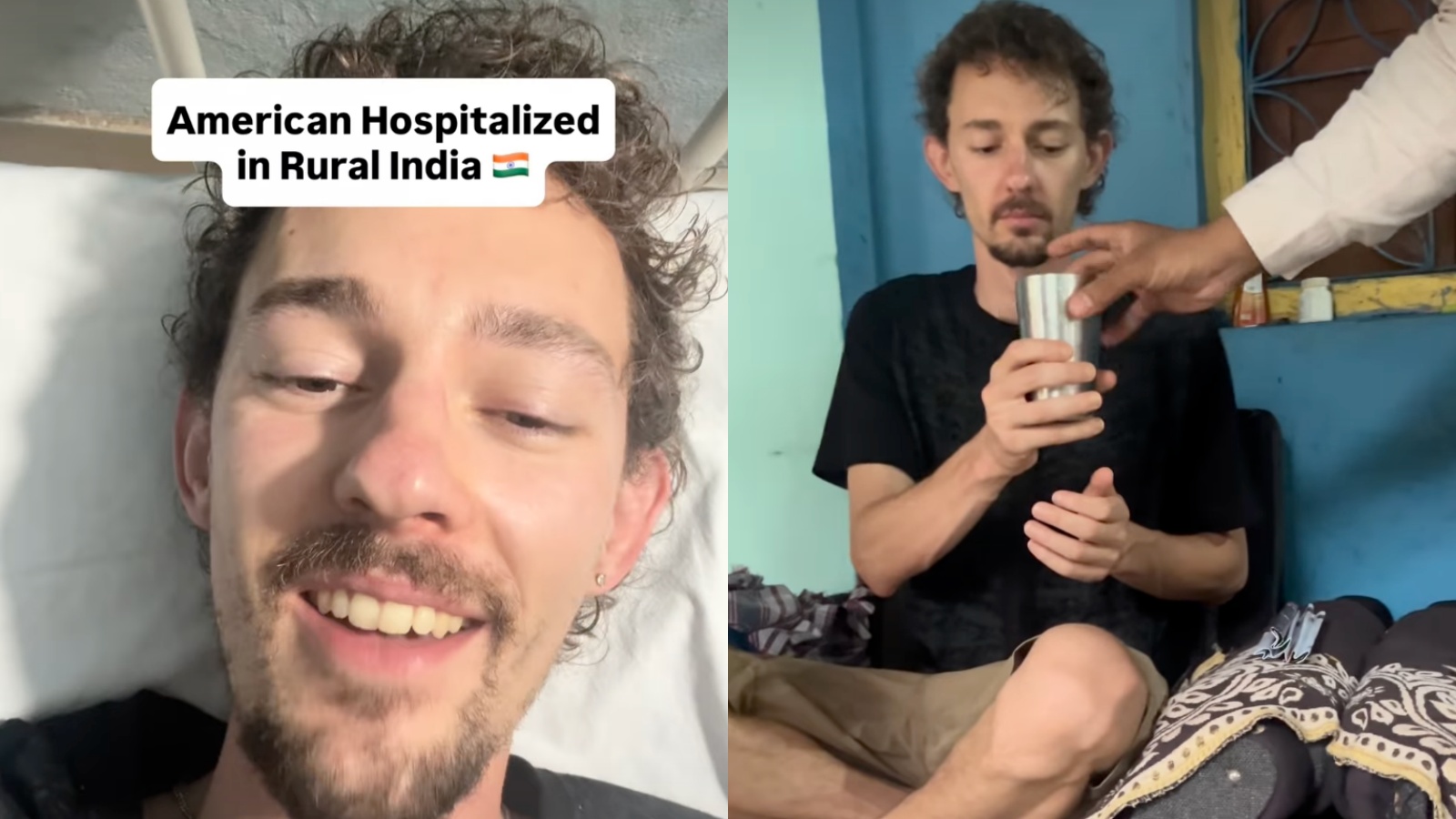
American Filmmaker Shocked by Free Treatment at Rural Odisha Hospital

Indian-American Man Cites Healthcare Costs While Moving To India
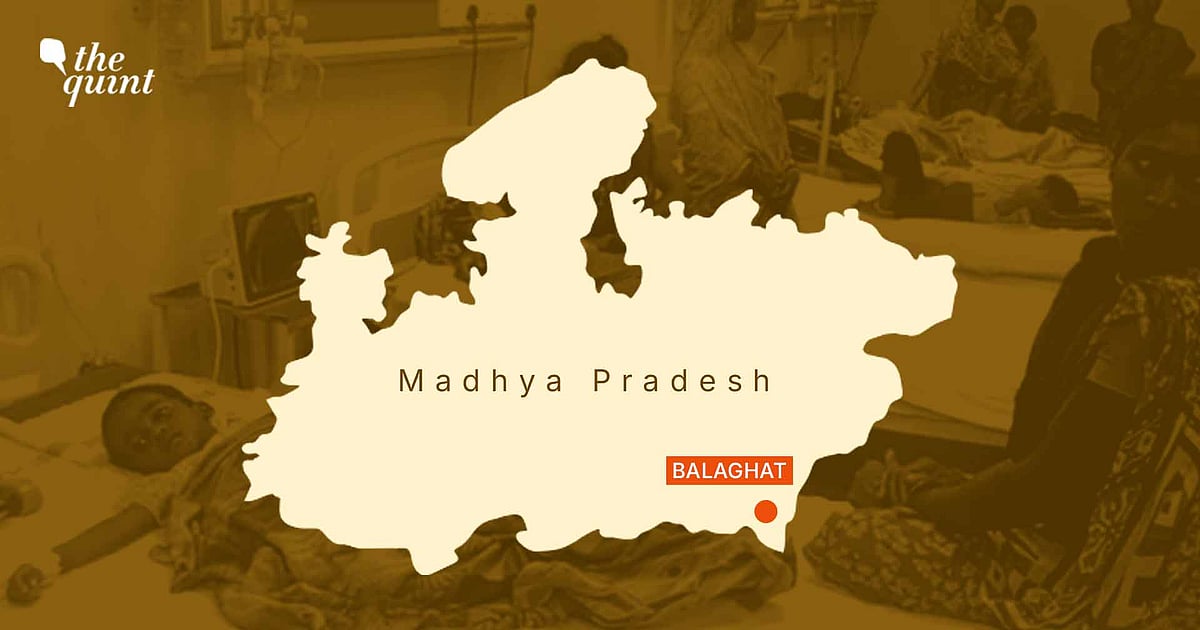
Balaghat Tribal Children’s Deaths Expose Delayed Healthcare Access

Private Hospitals Flag Ayushman Bharat Payment Delays and Claim Deductions

Haryana Plans 582 Village Knowledge Centres for Rural Services
UP Minister Visits Ankit Baliyan Family, Promises Strict Action

Congress Questions Haryana’s Falling Sex Ratio Despite Beti Bachao
Haryana Says Ayushman Bharat Health Services Continue Despite IMA Call
