

2 weeks ago
India's Non-Life Insurance Segment Ails From Rising Healthcare Costs, Premiums

Going to the hospital in India is getting more and more expensive.
One person shared online that a hospital in Mumbai charged more than eleven lakh rupees for a hernia operation.
Because hospitals cost more, health insurance is also getting more expensive.
Even so, more people are buying insurance to protect themselves.
Insurance companies are making new plans, like family plans and plans that reward healthy habits.
Some companies now charge different prices depending on where you live, since big cities have costlier hospitals.
The government took the extra tax off health insurance to help people.
It also gives free hospital coverage of up to five lakh rupees a year to many poor families through the Ayushman Bharat scheme.
Still, many people in India do not have enough insurance.
Experts say it is best to buy insurance when you are young and healthy.

A Mumbai hospital reportedly charged Rs 11.04 lakh for a hernia surgery, spotlighting surging healthcare costs in India.
Surgery costs in India have risen by up to 300% over the past decade, according to a PolicyBazaar study.
India's general insurance gross written premiums grew from Rs 2.30 lakh crore in 2021 to about Rs 3.50 lakh crore in 2025, with forecasts of Rs 5.4 lakh crore by 2030.
A LocalCircles survey found most respondents saw health insurance premiums rise by 50-200% over the last three years amid double-digit medical inflation.
The government removed 18% GST on individual life and health insurance effective September 22, 2025, and aims for universal health insurance coverage by 2033.
Only 3.7% of India's GDP went to insurance premiums in 2024, versus 12.1% in the US and 11.8% in the UK, showing the market remains underpenetrated.
- Who
- Indian households, health insurers (including Bajaj General Insurance, SBI General Insurance and Aditya Birla Health Insurance), and the Insurance Regulatory and Development Authority of India (IRDAI).
- What
- Rising medical costs are driving growth in India's non-life and health insurance segment while pushing premiums sharply higher.
- Where
- India, with higher hospitalisation costs in large metros such as Delhi and Mumbai.
- When
- Article covers data from 2021 through early 2026, with forecasts to 2030.
- Why
- Double-digit medical inflation, advances in medical technology, specialised treatments and rising hospitalisation costs have pushed insurers to raise premiums while households buy more coverage.
Policyholders
Insurers
Rising premiums
Policyholders
A majority of LocalCircles survey respondents said health insurance premiums jumped 50-200% over the last three years, making coverage harder to afford.
Insurers
Insurers say premiums must mirror hospitalisation costs and double-digit medical inflation to stay sustainable, since insurers collect premiums and pay claims.
Coverage gaps
Policyholders
Many Indians remain un-insured or under-insured, especially the 'missing middle' outside government schemes who cannot afford private premiums, leaving them vulnerable.
Insurers
The industry says new products such as zone-based pricing, top-ups and wellness-linked plans, plus employer-linked models and schemes like Ayushman Bharat, will expand coverage.
Key facts
- General insurance premiums (2021)
- Rs 2.30 lakh crore
- General insurance premiums (2025)
- ~Rs 3.50 lakh crore
- Projected premiums (2030)
- Rs 5.4 lakh crore
- Health share of premiums (2025)
- ~41%
- Insurance penetration (2024)
- 3.7% of GDP
- Ayushman cards issued
- 435.2 million (as of Feb 28, 2026)
- India medical plan cost rise (2026)
- 11.5% (Aon plc)
- GST on health insurance
- Removed from 18% effective Sept 22, 2025
Quotes
Siddharth Singhal
Head of health insurance, PolicyBazaar
“Health insurance premiums are closely linked to the cost of healthcare. Over the years, medical inflation has consistently outpaced general inflation, driven by advances in medical technology, specialised treatments, rising hospitalisation costs, and greater utilisation of healthcare services.”
 businesstoday.in
“Premiums have to mimic hospitalisation costs because, at the end of the day, insurance companies are money managers. They collect premiums and pay claims. If the claim outgo is on the higher side, the premiums have to reflect that.”
businesstoday.in
Sources
Related news

India Plans Health Insurance Reforms To Lower Medical Costs

Standalone Health Insurers Gain Market Share as General Insurers Falter
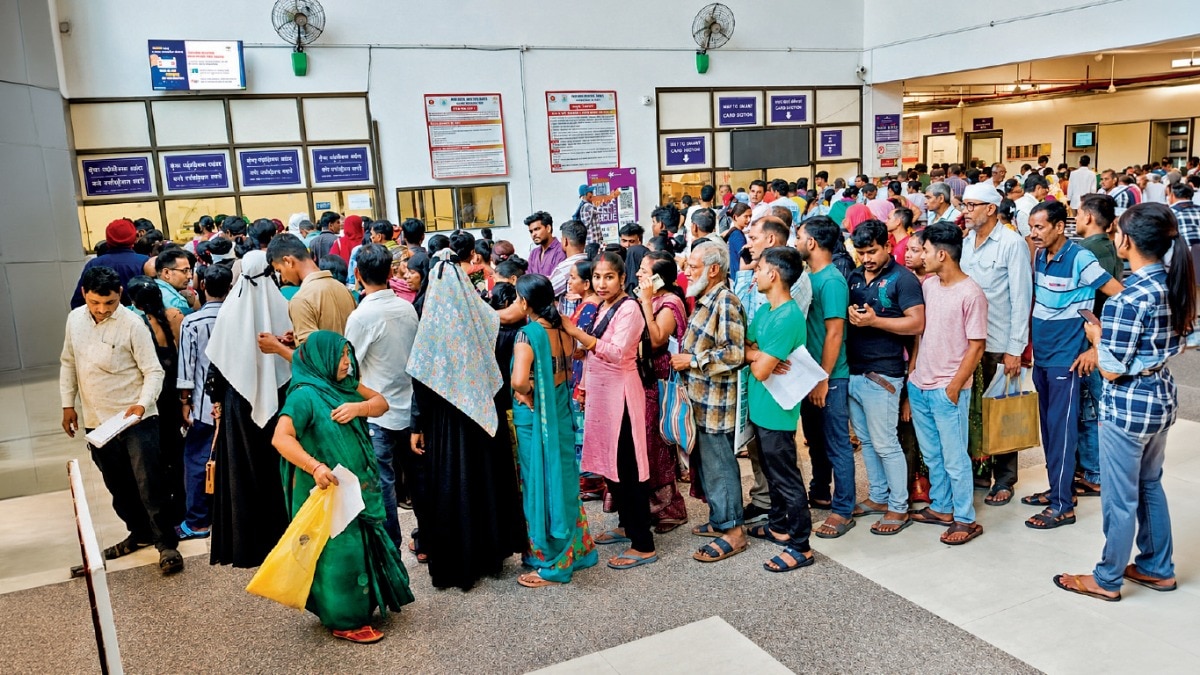
India's health insurance coverage climbs but hospitalisation costs rise

India's Average Life Insurance Premium Rises 42.6% in Five Years

India weighs standardised rates, nationwide health claims exchange

Rising healthcare costs may derail retirement plans, experts warn

Delhi tribunal awards Rs 32.74 lakh to dead biker's family

BusinessNext Raises $40M for SEA and Australia Expansion

IIT Kanpur Hosts First FIDE-Rated Rapid Chess Tournament

Bombay HC Stays GST Demand on Insurance Firms
