1 hr ago
Why China Is Becoming More Selective About Pakistan Investments
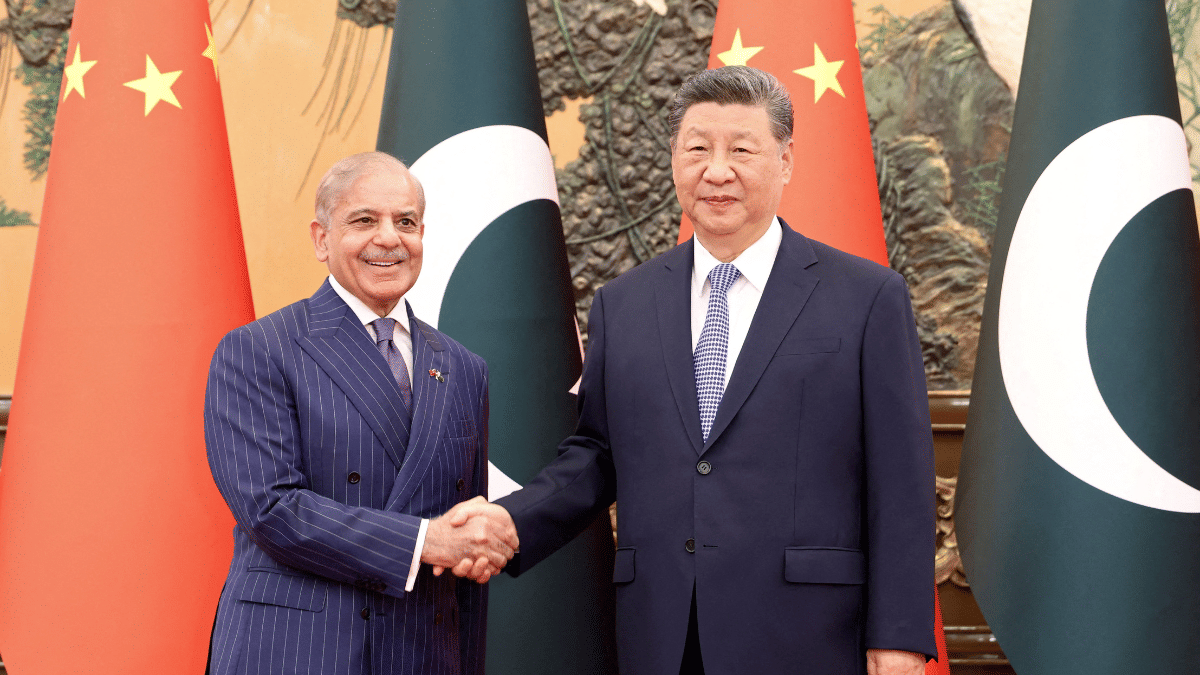
A Chinese company decided not to bid for a large electricity company in Pakistan.
Running electricity businesses there can be difficult because bills go unpaid, power is lost, and rules can be hard to navigate.
The article says Chinese investment in Pakistan has also fallen.
Some Chinese businesses have complained about delays and other problems, while Pakistan has stepped in to address some disputes.
China still has strategic reasons to work with Pakistan.
But Chinese companies are increasingly checking whether each project can make business sense.
The article says Pakistan may need to improve how projects are managed to attract more investment.

PowerChina subsidiary Jiangxi Electric Power Construction withdrew from bidding for a majority or full stake in Pakistan’s FESCO.
Chinese net foreign direct investment in Pakistan fell from about $1.22 billion in 2024–25 to $862 million in 2025–26.
A 2026 assessment reported no new Chinese investment announcements or construction contracts in Pakistan during the first half of the year.
The article cites governance problems, payment risks, administrative obstacles and uncertain commercial conditions as factors discouraging investment.
China remains strategically engaged, but companies are increasingly weighing whether projects can operate commercially and reliably.
- Who
- Chinese companies, including Jiangxi Electric Power Construction, and the governments of China and Pakistan.
- What
- Chinese investment in Pakistan is becoming more selective, illustrated by a Chinese subsidiary withdrawing from the FESCO privatisation bid.
- Where
- Pakistan, including Faisalabad, Gwadar and the Rashakai Special Economic Zone.
- When
- The FESCO withdrawal was reported in August 2026; the article also cites investment figures for fiscal years 2024–25 and 2025–26.
- Why
- The article points to governance weaknesses, commercial and payment risks, administrative obstacles and uncertainty over project viability.
Reasons to remain engaged
Reasons for greater caution
Strategic value versus commercial viability
Reasons to remain engaged
China has strategic reasons to remain engaged with Pakistan, including Pakistan’s location near China’s western border and Gwadar’s access to the Arabian Sea.
Reasons for greater caution
The article says Chinese companies increasingly require projects to be commercially and operationally viable rather than relying on strategic ties or the CPEC label.
Investment opportunity versus operating risks
Reasons to remain engaged
Pakistan is seeking private capital to improve electricity distribution and reduce losses, while Chinese firms have previously invested in infrastructure and industrial projects.
Reasons for greater caution
The article identifies unpaid bills, electricity theft, administrative delays, weak procurement controls, uncertain enforcement and commercial disputes as risks.
Key facts
- FESCO bidder
- Jiangxi Electric Power Construction, a subsidiary of PowerChina.
- FESCO stake considered
- Between 51% and 100%.
- Chinese net FDI, 2025–26
- Approximately $862 million, compared with around $1.22 billion in 2024–25.
- FDI change
- A decline of approximately 29% in one year.
- BRI activity in Pakistan
- A 2026 assessment reported no new Chinese investment announcements or construction contracts in the first half of the year.
- Rashakai project
- China Century Steel Group’s first phase involved $82 million, with another $200 million planned for later phases.
- Main Line-1 railway
- China withdrew support; Pakistan later approached the Asian Development Bank to finance the Karachi–Rohri section.
Sources
Related news
Pakistan Insecurity Undermines China’s CPEC Ambitions
China Recalibrates Gwadar Port Ambitions Amid Security and Commercial Setbacks

India May Tie Further Chinese Investment Relief to Border Progress
Pakistan Province Restructuring Debate Raises Costs and Patronage Concerns

World Bank Warns Bangladesh Growth Faces Banking and Energy Pressures
Foreign Capital Retreats From India Despite Strong Economic Growth
Pakistan’s External Finances Remain Dependent on IMF Loans, Foreign Deposits

India-China Hotan Air Corridor Tests Renewed Bilateral Cooperation

Baloch Female Unit Claims Deadly Attack on Pakistan Convoy