3 days ago
Pakistan Insecurity Undermines China’s CPEC Ambitions
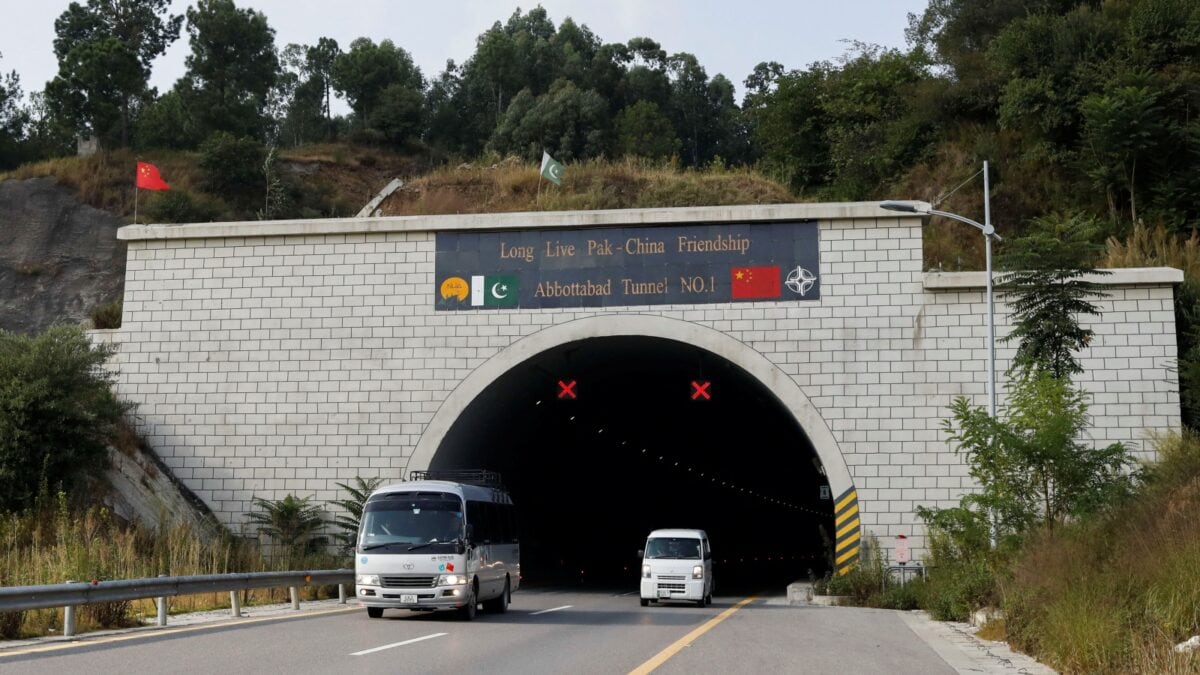
China and Pakistan built CPEC to connect western China with the Arabian Sea.
The project includes roads, railways, mines, power plants and Gwadar Port.
Many Chinese workers and projects in Pakistan have faced attacks, especially in Balochistan.
At least 21 Chinese nationals have been killed in attacks since 2021.
A copper-and-gold mine warned that security problems might stop supplies from reaching it, but its manager later said a closure was not expected.
Chinese companies also complain that Pakistan has not paid some bills and that rules and project plans keep changing.
These problems make projects more expensive and difficult to run.
China is now asking for stronger protections and clearer rules before investing more money.
The situation shows that building infrastructure alone cannot guarantee a successful project.

Repeated attacks, including the deaths of at least 21 Chinese nationals since 2021, have made security a major challenge for CPEC.
Balochistan’s mines, highways and transport routes linked to CPEC have been targeted by insurgent groups including the Baloch Liberation Army.
The Saindak Copper-Gold Mine warned in June 2026 that insecurity could halt operations, though its managing director later denied an imminent closure.
Chinese companies also cite unpaid bills, regulatory delays, power shortages, costly security measures and changing project specifications.
China is responding more cautiously, seeking stronger guarantees and involving third-party lenders such as the Asian Development Bank in projects including ML-1.
- Who
- China, Chinese companies, Pakistan and agencies responsible for protecting CPEC-linked projects are the principal parties involved.
- What
- Security threats and wider operational problems are undermining the China-Pakistan Economic Corridor and increasing risks for Chinese investments.
- Where
- The problems are concentrated in Pakistan, particularly Balochistan, the location of Gwadar Port and the Saindak Copper-Gold Mine.
- When
- The article was published and updated on September 10, 2026; the Saindak warning was dated June 29, 2026, and the cited attacks occurred since 2021.
- Why
- Attacks, unpaid dues, regulatory delays, power shortages, costly security requirements and changing project specifications have made operations more difficult and expensive.
Security and operating concerns
Reassurances and continued engagement
Saindak mine operations
Security and operating concerns
A June 29, 2026 letter attributed to the operator warned that insecurity was disrupting essential cargo and logistics and could force operations to stop within a month.
Reassurances and continued engagement
Managing director Raziq Sanjrani denied that closure was likely, called the report factually incorrect and said the mine had operated for 25 years without interruption.
Pakistan’s investment environment
Security and operating concerns
The article argues that attacks, unpaid bills, regulatory obstacles, power shortages, costly security protocols and shifting project specifications are weakening Chinese investment.
Reassurances and continued engagement
Pakistan has responded to security concerns by directing agencies to increase deployments around the Saindak mine’s installations, personnel and transport, while China continues to pursue CPEC with more safeguards.
CPEC’s future model
Security and operating concerns
The article’s analysis holds that infrastructure cannot by itself create stability, reliable regulation or timely payments, raising questions about whether CPEC’s costs justify its strategic benefits.
Reassurances and continued engagement
China is adapting rather than abandoning the corridor, seeking stronger guarantees, clearer rules and third-party participation in projects such as ML-1.
Key facts
- Chinese nationals killed
- At least 21 have been killed in attacks since 2021, according to the article.
- Saindak mine lease
- The mine is operated by Metallurgical Corporation of China and Saindak Metals Limited under a lease extending to 2037.
- Copper exports
- Saindak accounts for the bulk of Pakistan’s approximately $750 million in annual copper exports.
- Unpaid power-sector dues
- Pakistan owes Chinese independent power producers roughly $1.5 billion.
- K-Electric transaction
- Shanghai Electric abandoned its proposed $1.77 billion purchase of K-Electric in September 2025 after nine years of delay.
- ML-1 cost revisions
- The railway project’s estimated cost was revised from $6.8 billion to $9.85 billion and then to $6.7 billion.
- Financing shift
- ML-1 financing moved to the Asian Development Bank, while Wang Yi encouraged third-party participation in CPEC in August 2025.
Sources
Related news

Pakistani Forces Kill 12 After Balochistan Convoy Attack
Pakistan’s Dialogue Offer Exposes Limits Of Balochistan Repression
Baloch Separatists Claim Seven Killed in Nushki Convoy Attack
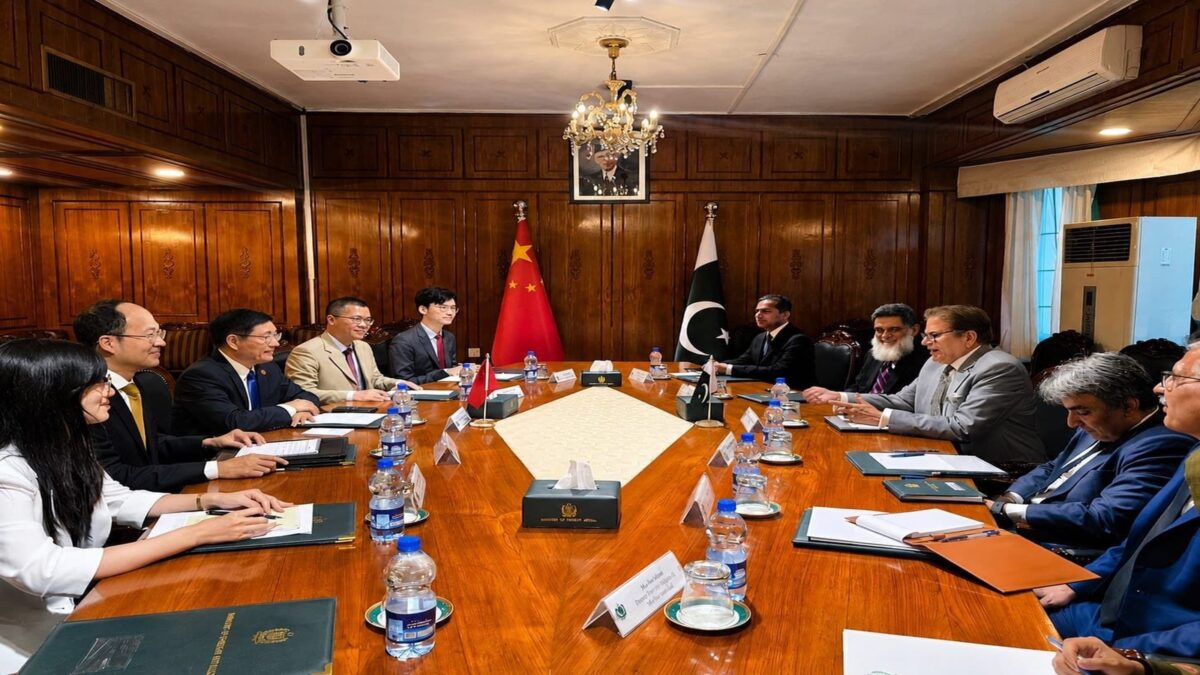
China Revives Urumqi Talks to Ease Pakistan-Afghan Border Tensions

Report: Pakistan's 'Hard State' Approach Fuels Insurgency, Turmoil
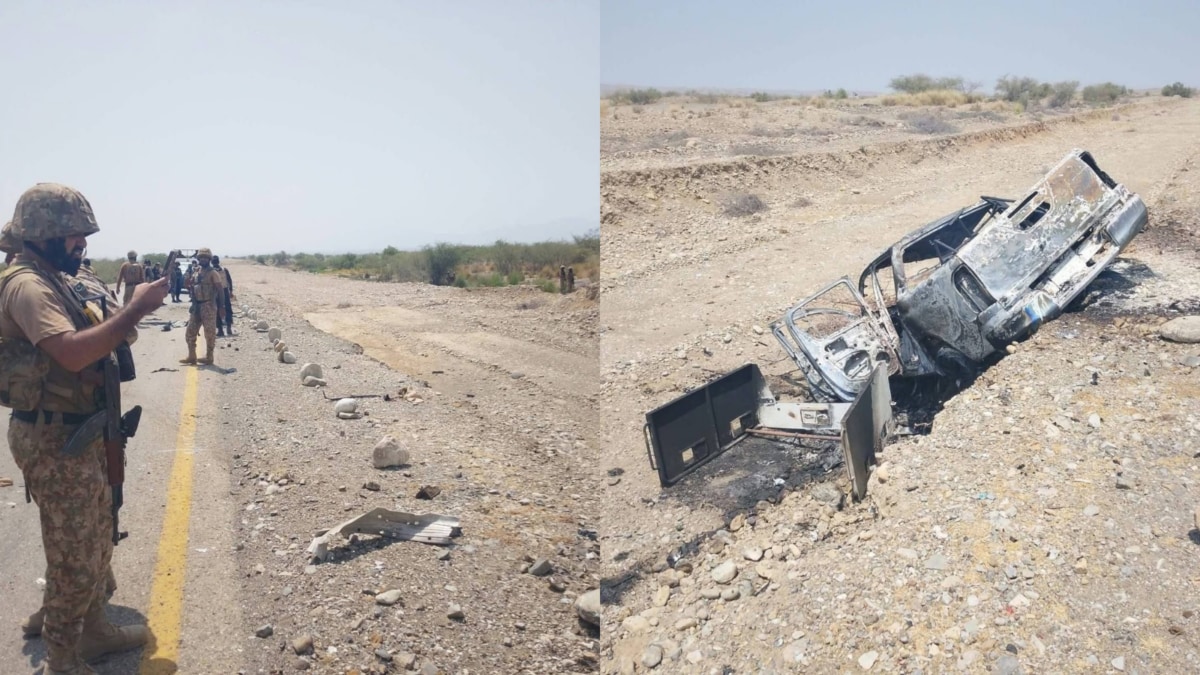
BLA Attack on Pakistani Army Convoy Leaves 23 Feared Dead

Rights Group Condemns Disappearance of Two Brothers in Gwadar
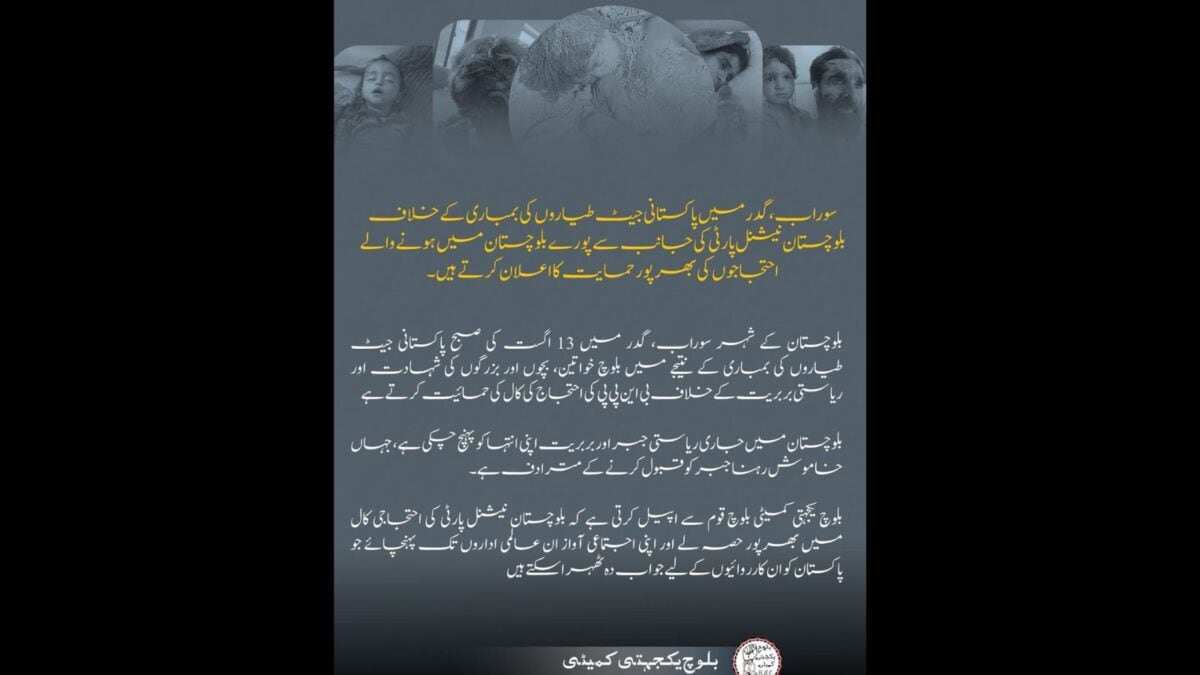
Baloch Yakjehti Committee Backs Protests Over Alleged Balochistan Airstrikes
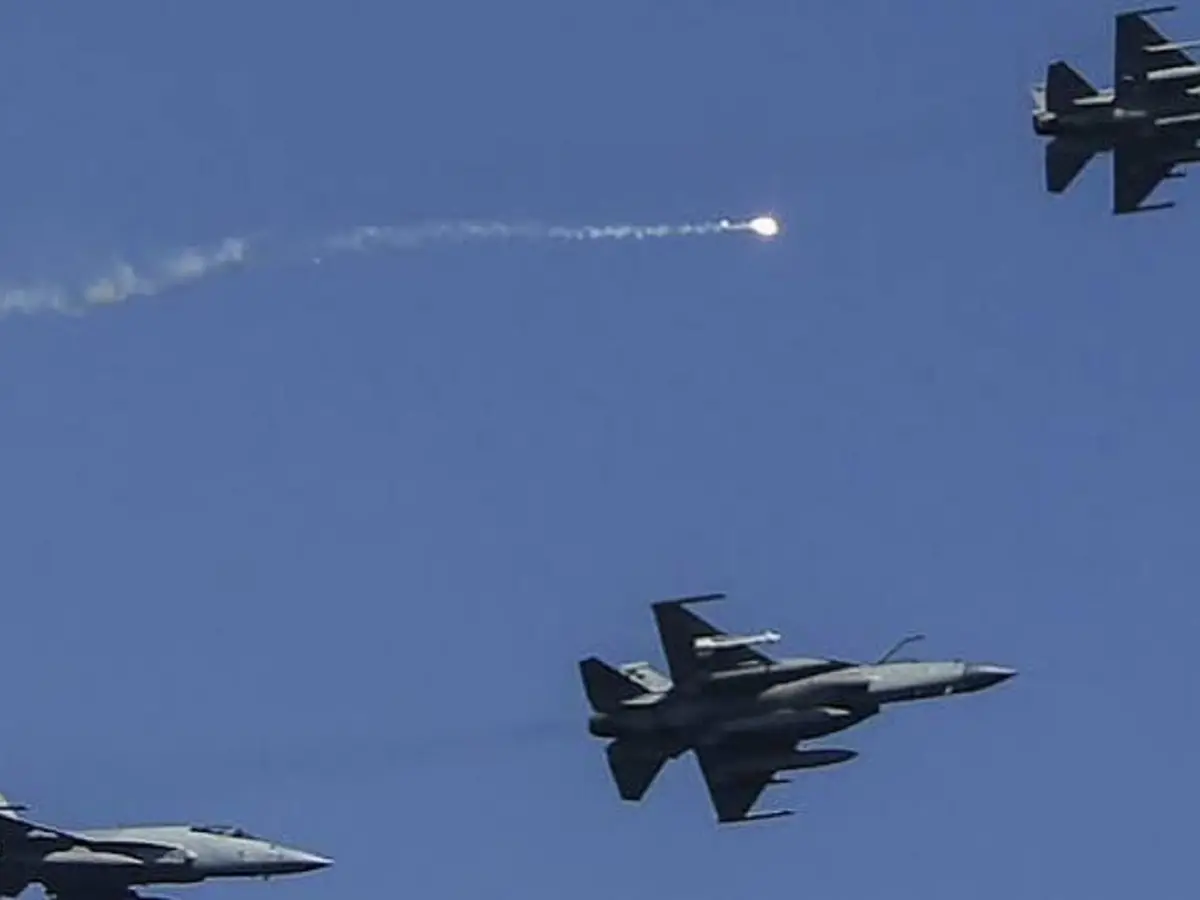
Pakistan Airstrikes in Balochistan Follow BLA Claims of Soldier Deaths

What is Pakistan without Balochistan? Nation losing its soul