

7 hrs ago
Foreign Capital Retreats From India Despite Strong Economic Growth
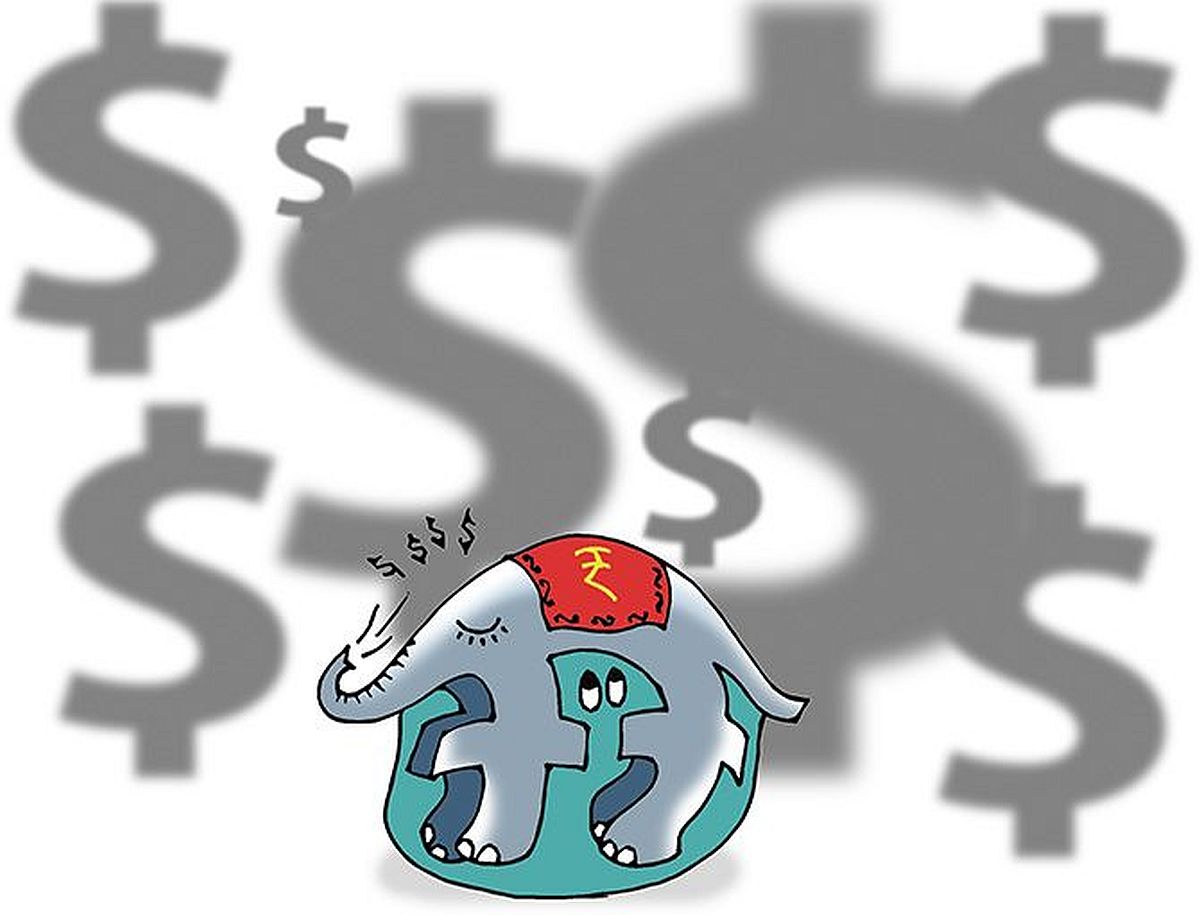
India’s economy grew strongly, but less foreign money stayed in the country.
Foreign investors sold Indian shares for three months between April and July 2026.
Overall foreign portfolio inflows fell by 16.6 percent in FY26.
India received $94.5 billion in gross foreign direct investment, but only $7.8 billion remained after money left the country and Indian companies invested abroad.
The gap between incoming money and the country’s spending needs contributed to a fall in the rupee’s value.
The report says sectors such as defence, solar energy, batteries, data centres and semiconductors could attract more investment.
Building clean-technology supply chains in India may require $40 billion to $50 billion by 2035.
Despite the foreign-capital concerns, Crisil expects India’s economy to grow by 7 percent in FY27.

Foreign portfolio investors sold Indian equities for three consecutive months between April and July 2026.
Net foreign portfolio inflows declined 16.6 percent in FY26, according to the S&P Global-Crisil report.
Gross foreign direct investment reached $94.5 billion in FY26, but net inflows were only $7.8 billion.
Capital inflows did not cover a current account deficit equal to 0.6 percent of GDP, contributing to sharp rupee depreciation.
The report projects 7 percent growth in FY27 and expects emerging sectors to receive a larger share of industrial investment.
- Who
- Foreign portfolio investors, foreign direct investors, Indian companies, S&P Global and Crisil.
- What
- Foreign capital inflows weakened despite India’s strong economic growth, while investment prospects in emerging sectors remained positive.
- Where
- India.
- When
- The report covers FY26 and says foreign portfolio investors sold Indian equities for three consecutive months between April and July 2026; it projects FY27 growth.
- Why
- Net inflows were reduced by investor repatriation, foreign divestiture and outward investment by Indian companies, while inflows also failed to finance a current account deficit of 0.6 percent of GDP.
Capital-Flow Concerns
Growth and Investment Opportunities
Foreign investment outlook
Capital-Flow Concerns
Foreign portfolio inflows fell 16.6 percent in FY26, and investors sold Indian equities for three consecutive months between April and July 2026.
Growth and Investment Opportunities
The report still expects India to grow by 7 percent in FY27 and sees emerging sectors gaining a larger share of industrial investment.
Foreign direct investment
Capital-Flow Concerns
Although gross foreign direct investment was $94.5 billion, net inflows were only $7.8 billion after repatriation, divestiture and outward investment by Indian companies.
Growth and Investment Opportunities
Investment opportunities are expected to expand in defence, data centres, solar, batteries and semiconductors, with emerging sectors projected to reach 25-27 percent of industrial investment over five years.
Market performance
Capital-Flow Concerns
S&P’s SPIVA data showed that more than 70 percent of active Indian funds lagged their benchmarks over 10 years.
Growth and Investment Opportunities
The report identifies continued growth potential in newer industries and in localising India’s clean-technology supply chain.
Key facts
- Report
- India Forward: Reimagining Growth, released by S&P Global and Crisil
- Net portfolio inflow change
- Down 16.6 percent in FY26
- Gross foreign direct investment
- $94.5 billion in FY26
- Net foreign direct investment
- $7.8 billion in FY26
- Current account deficit
- 0.6 percent of GDP
- Projected FY27 growth
- 7 percent, assuming crude prices of $82-$87 per barrel
- Clean-technology investment need
- $40 billion-$50 billion by 2035
Sources
Related news

Experts Say AI Gap Is Not Driving India’s FPI Outflows

When Will FIIs Return? Bernstein Sees Modest Near-Term Buying
FPIs Resume Selling as September Equity Outflows Reach ₹7,443 Crore

Global funds retreat from India stocks as valuations face pressure

Foreign Investors Pull $40 Billion From Indian Equities

S&P Praises India’s Resilience, Warns of Rising Economic Risks

SBI leads demand for Reliance Industries’ ₹13,000-crore bond issue

AlphaGrep Raises Another ₹200 Crore Through NCDs

India Inc Resilient Despite West Asia Conflict and Rate Hikes
