5 days ago
Pakistan’s External Finances Remain Dependent on IMF Loans, Foreign Deposits
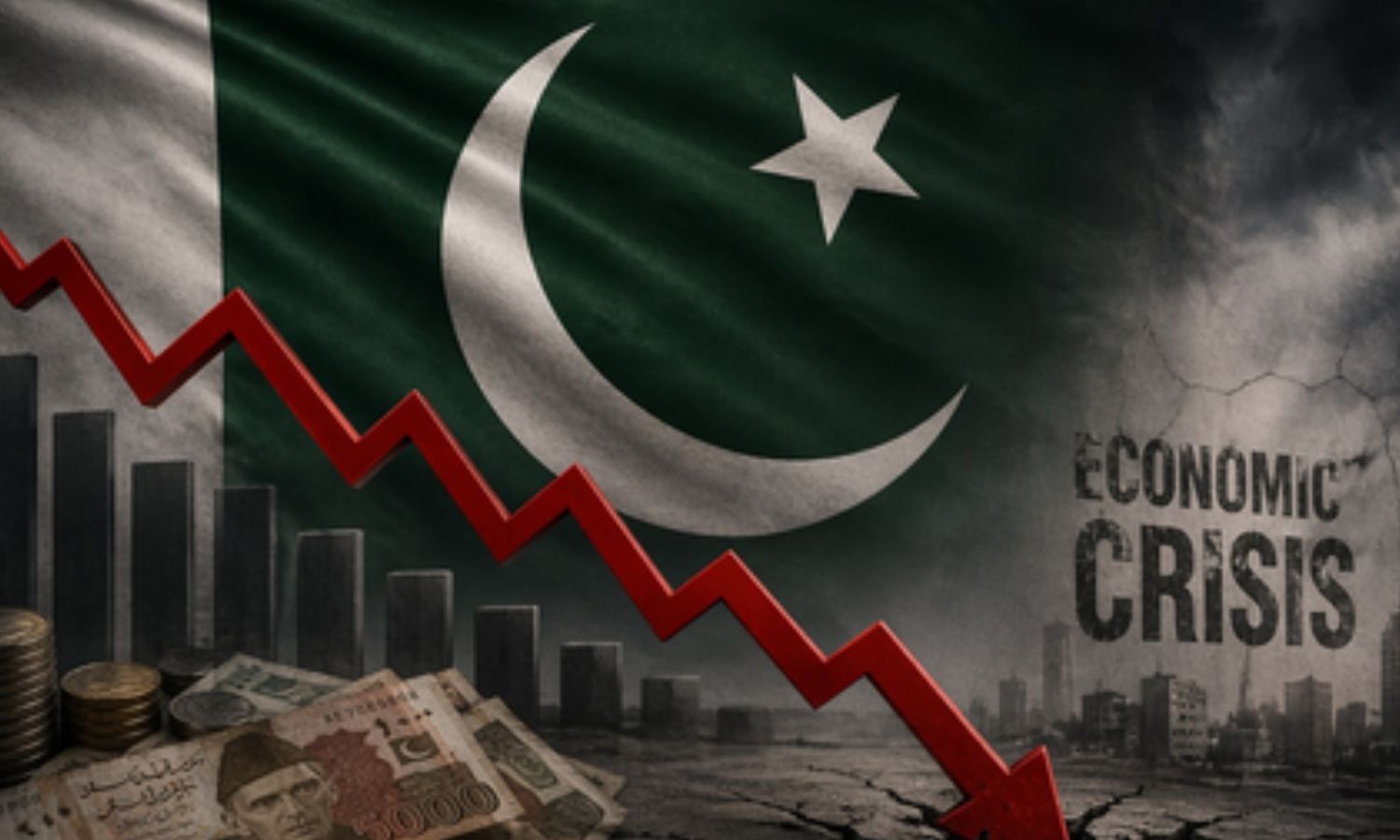
Pakistan often needs money from the International Monetary Fund and other countries to pay its bills.
This support has helped prevent several serious financial crises.
However, the country has not increased its exports enough to earn steady foreign income.
In the past, large inflows were used for imports, consumption and real estate.
The China-Pakistan Economic Corridor improved infrastructure and energy supplies, but it did not create enough export growth.
Imports later rose again, increasing pressure on Pakistan’s finances.
Loans and deposits can help for a while, but they may change when politics or financial conditions change.
The report says Pakistan needs stronger exports to achieve lasting economic stability.

Pakistan has repeatedly relied on IMF lending and friendly-country deposits to avoid balance-of-payments crises.
Successive governments failed to build a sustainable export-led growth model, according to the report.
Foreign inflows after the September 11 attacks largely supported consumption, imports and real estate instead of exports.
CPEC improved energy supply and infrastructure but did not generate enough export growth to reduce external vulnerabilities.
The report warns that dependence on costly loans and short-term deposits could lead to prolonged stagnation and renewed foreign-exchange crises.
- Who
- Pakistan, the International Monetary Fund, and friendly-country depositors including Saudi Arabia and China.
- What
- Pakistan’s external finances remain heavily dependent on IMF programmes and foreign deposits rather than sustained export earnings.
- Where
- Pakistan.
- When
- The dependence has developed over successive governments and has continued through the post-pandemic period.
- Why
- Recurring import-driven growth, weak export expansion, commodity-price shocks and political uncertainty have repeatedly reduced foreign-exchange stability.
Key facts
- Main financial supports
- International Monetary Fund programmes and deposits from countries including Saudi Arabia and China.
- Core vulnerability
- Pakistan’s economic expansion has often been driven by imports and consumption rather than exports.
- Post-2001 inflows
- Aid, debt relief, foreign investment and portfolio flows increased after the September 11 attacks.
- 2008 crisis
- A record current-account deficit contributed to a major economic crisis.
- CPEC outcome
- The China-Pakistan Economic Corridor helped address energy shortages and improve infrastructure but did not deliver sufficient export growth.
- Recent pressures
- Pandemic-era stimulus, global commodity-price shocks and political uncertainty increased economic pressure.
- Report’s warning
- Without meaningful export growth, stabilization efforts could result in prolonged stagnation and another foreign-exchange crisis.
Sources
Related news
India’s Balance of Payments Recovery Faces Questions Over Borrowed Capital
World Bank Warns Bangladesh Growth Faces Banking and Energy Pressures
India Rebukes Pakistan at UN Over Terror and Loans
Pakistan Inflation Hits World’s Fastest Acceleration Amid Economic Pressure
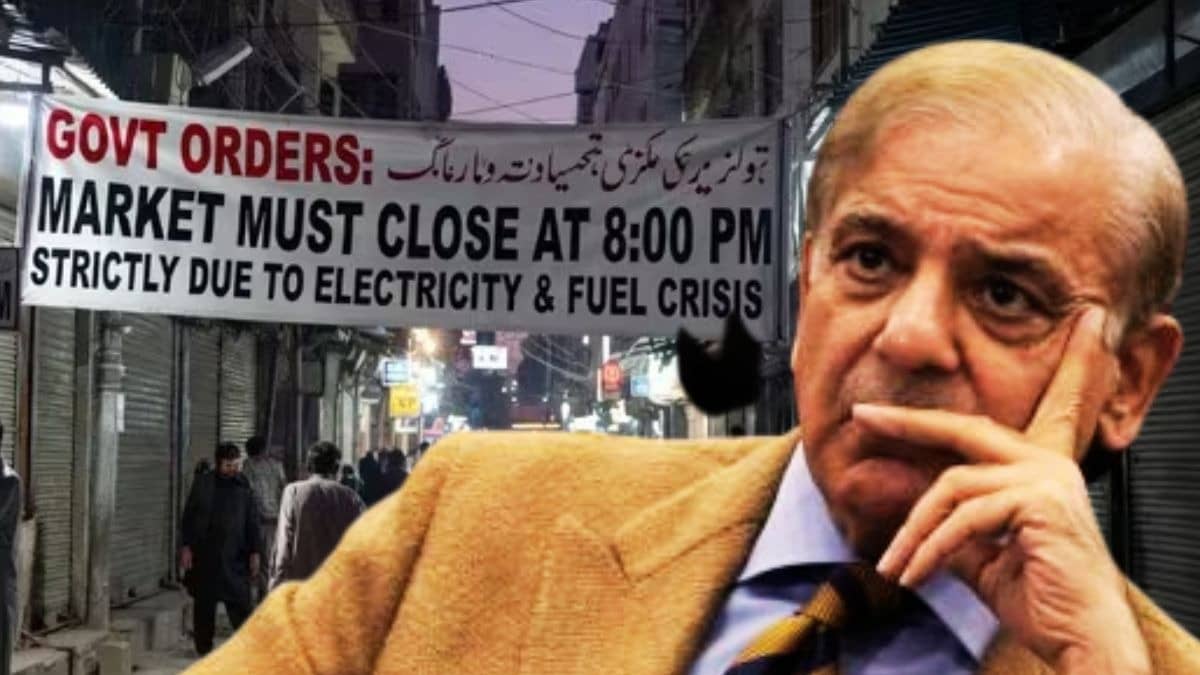
Pakistan Imposes Fuel, Spending and Wedding Austerity Measures
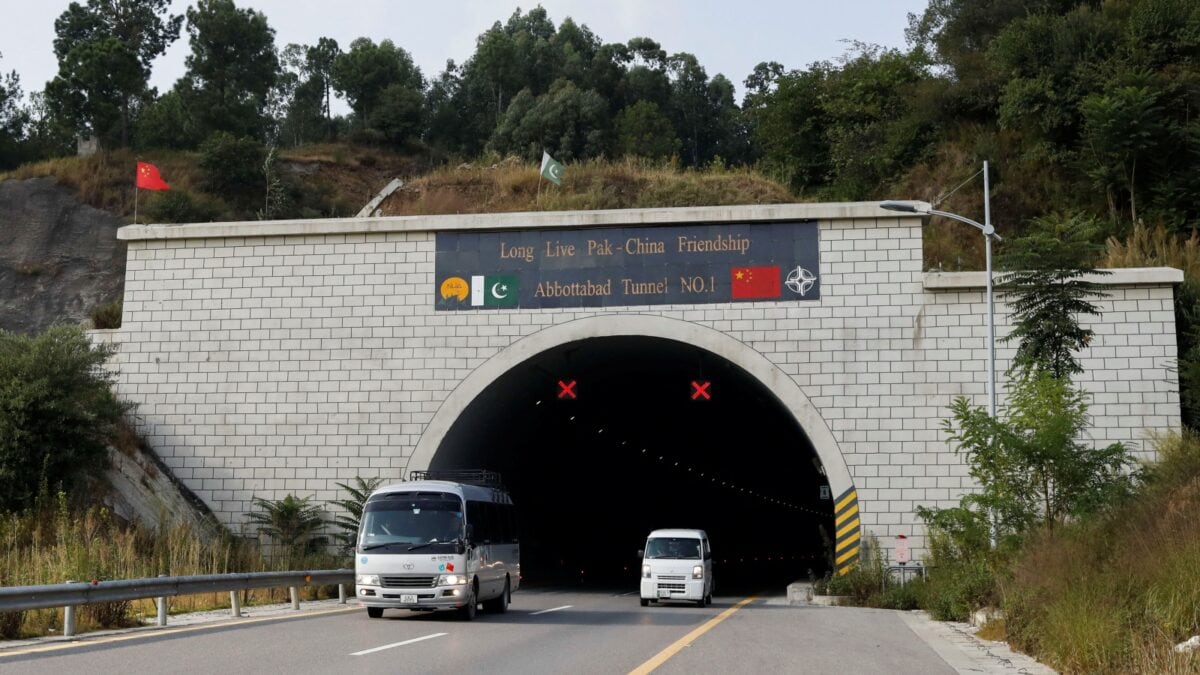
Pakistan Insecurity Undermines China’s CPEC Ambitions
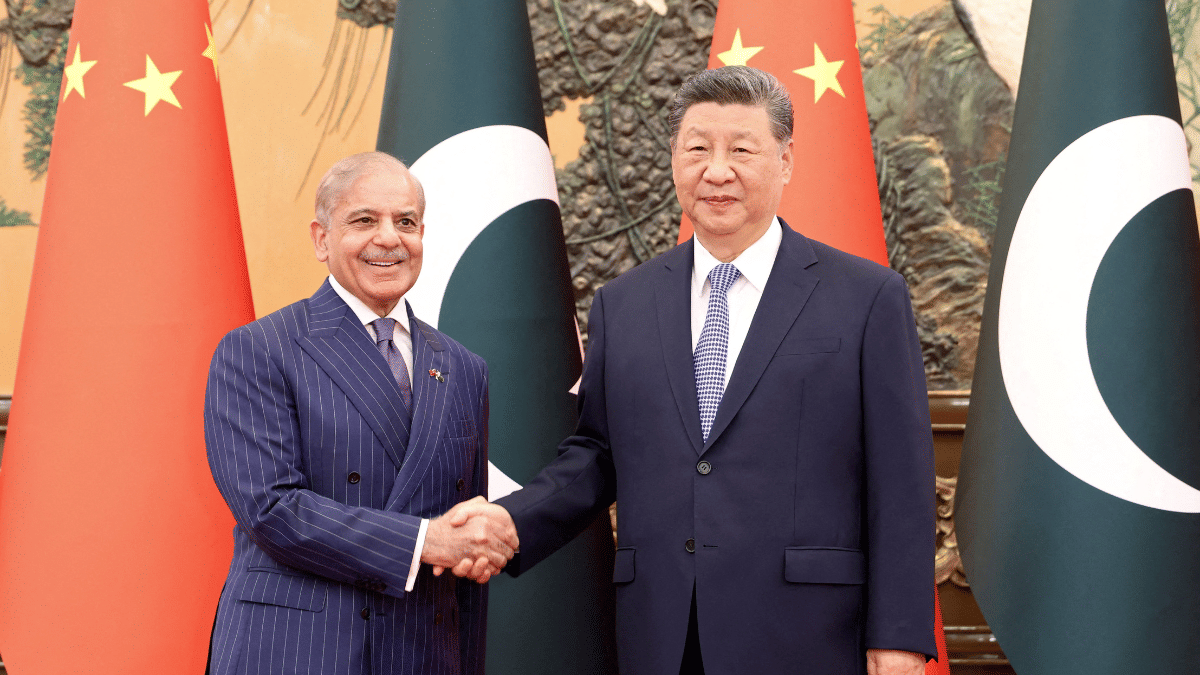
Why China Is Becoming More Selective About Pakistan Investments
India-China Hotan Air Corridor Tests Renewed Bilateral Cooperation

Baloch Female Unit Claims Deadly Attack on Pakistan Convoy
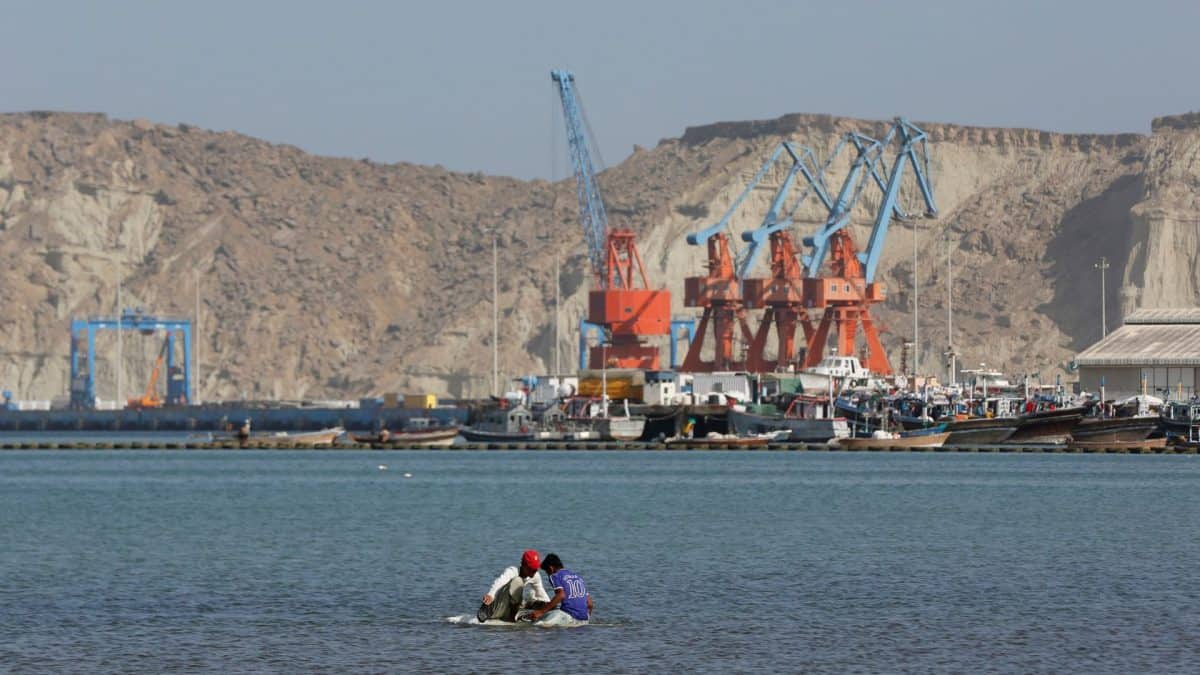
China Recalibrates Gwadar Port Ambitions Amid Security and Commercial Setbacks