6 days ago
China Recalibrates Gwadar Port Ambitions Amid Security and Commercial Setbacks
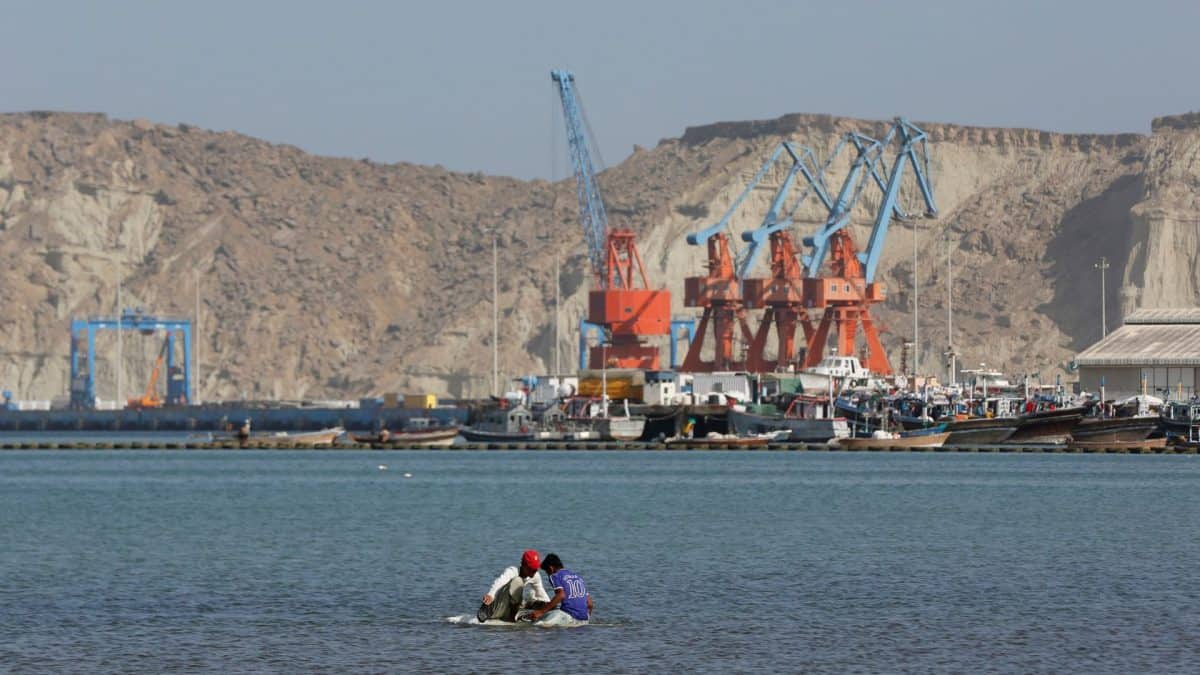
Gwadar is a port in Pakistan that China helped develop through a large economic partnership.
China originally hoped it would become a very busy trade center connecting the Arabian Sea with western China.
The port has struggled because the surrounding area is difficult to develop and transport across the mountains is expensive.
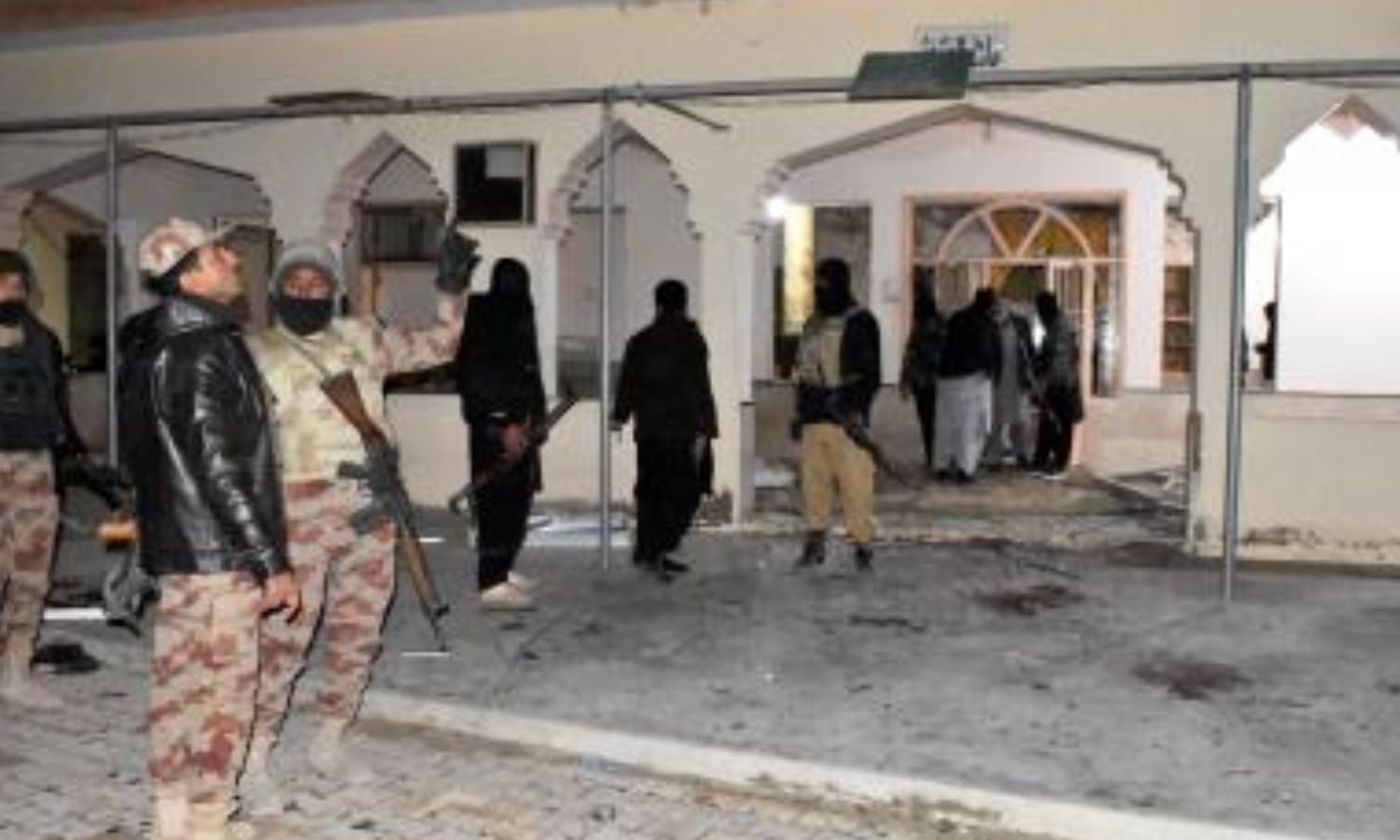
Militant groups have also attacked Chinese workers and projects.
Local shortages of water, electricity and other services have made business growth harder.
As a result, analysts think China may focus on a smaller and more secure port operation.
They believe it could mainly support government-directed shipments, logistics and possibly naval refuelling.
China and Pakistan disagree with the idea that the project is being reduced and say cooperation is continuing.

Analysts say China is scaling back Gwadar’s original commercial mega-hub ambitions rather than abandoning the port.
Militant attacks, including a March 2024 assault, have increased security concerns for Chinese personnel and projects.
Difficult terrain, costly transport links, weak local infrastructure and limited industrial activity have constrained Gwadar’s commercial potential.
Gwadar reportedly handled about 11,000 containers during selected peak months in 2026, far below Pakistan’s main commercial ports.
Chinese and Pakistani officials reject claims of retreat, highlighting CPEC Phase II, new agreements and proposed industrial projects.
- Who
- China, Pakistan and analysts assessing the future of Gwadar Port and the China-Pakistan Economic Corridor.
- What
- China may be recalibrating Gwadar from a planned commercial mega-hub toward a smaller, heavily secured logistics and maritime facility.
- Where
- Gwadar, in Pakistan’s Balochistan province, near the Arabian Sea and the Strait of Hormuz.
- When
- The reassessment follows developments since CPEC was unveiled in 2013, including attacks in 2024 and reported security operations in January-February 2026.
- Why
- Security threats, weak commercial activity, difficult geography, inadequate local infrastructure and China’s lower-risk investment strategy are undermining the original vision.
Analysts and Critics
Chinese and Pakistani Officials
Whether China is retreating
Analysts and Critics
China is reportedly reducing Gwadar’s original mega-hub ambitions and concentrating on a smaller, more secure logistics and naval-support role.
Chinese and Pakistani Officials
Officials reject claims of retreat and say CPEC cooperation is advancing into industrialization, agriculture, technology and special economic zones.
Commercial viability
Analysts and Critics
Low cargo volumes, absent regular liner services and weak infrastructure show that Gwadar has not generated sufficient organic commercial demand.
Chinese and Pakistani Officials
Officials point to state-directed cargo, new maritime initiatives and proposed seafood, cold-chain and export projects as evidence of continuing development.
Security and local impact
Analysts and Critics
Militant attacks and protests by local fishermen and rights groups indicate that the project remains insecure and has not sufficiently benefited surrounding communities.
Chinese and Pakistani Officials
Pakistan maintains dedicated security forces and continues to support the port through government agreements and development plans.
Key facts
- CPEC value
- The China-Pakistan Economic Corridor is described as a $62 billion project.
- Port lease
- China Overseas Port Holding Company received a 43-year lease to operate Gwadar Port and its free zone.
- Reported 2026 activity
- Gwadar handled approximately 11,000 standard shipping containers during selected peak operational months in 2026.
- Main security threat
- The Baloch Liberation Army and its Majeed Brigade have targeted Chinese projects and nationals.
- Security force
- Pakistan created a Special Security Division of military and paramilitary personnel to protect CPEC projects.
- Investment strategy
- China’s BRI 2.0 approach prioritizes smaller, lower-risk, profitable and sustainable projects.
- Official position
- Chinese and Pakistani officials say CPEC has entered Phase II and deny claims of retreat or slowdown.
Sources
Related news
Pakistan Insecurity Undermines China’s CPEC Ambitions

Qatar Warns Bab al-Mandab Closure Could Bring Catastrophe

Iranian Journalist Attacks Pakistan Chief, Praises Modi’s West Asia Role
Rights Body Condemns Mass Evictions in Pakistan’s Gwadar

Pakistan rejects Saudi war role as Houthi Red Sea gains

China’s LOGINK Shipping Data Platform Retreats Amid Pressure and Lawsuits
Pakistan’s Dialogue Offer Exposes Limits Of Balochistan Repression

United Baloch Army Claims Responsibility for Bridge Blast in Pakistan

Balochistan's Crisis of Trust: HRCP Report Details Systemic Repression

US-Iran Conflict Threatens India's Chabahar Port Plans