

6 days ago
Nashik Completes SIR First Phase, Draft Rolls Next

Officials in Nashik have finished the first check of voter records.
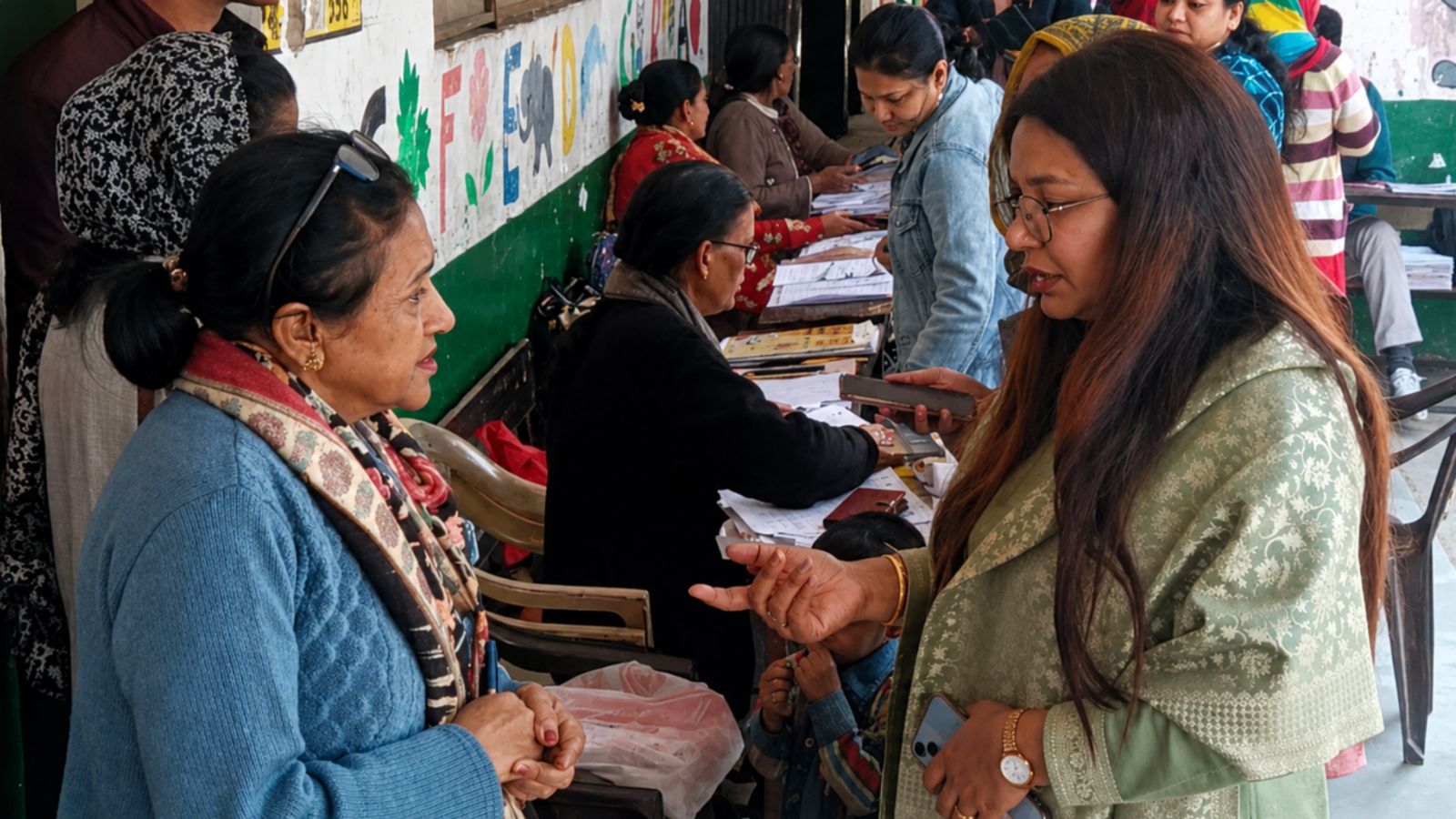
They visited homes to see whether voters still lived at their registered addresses.
They also compared voter information with forms and older records.
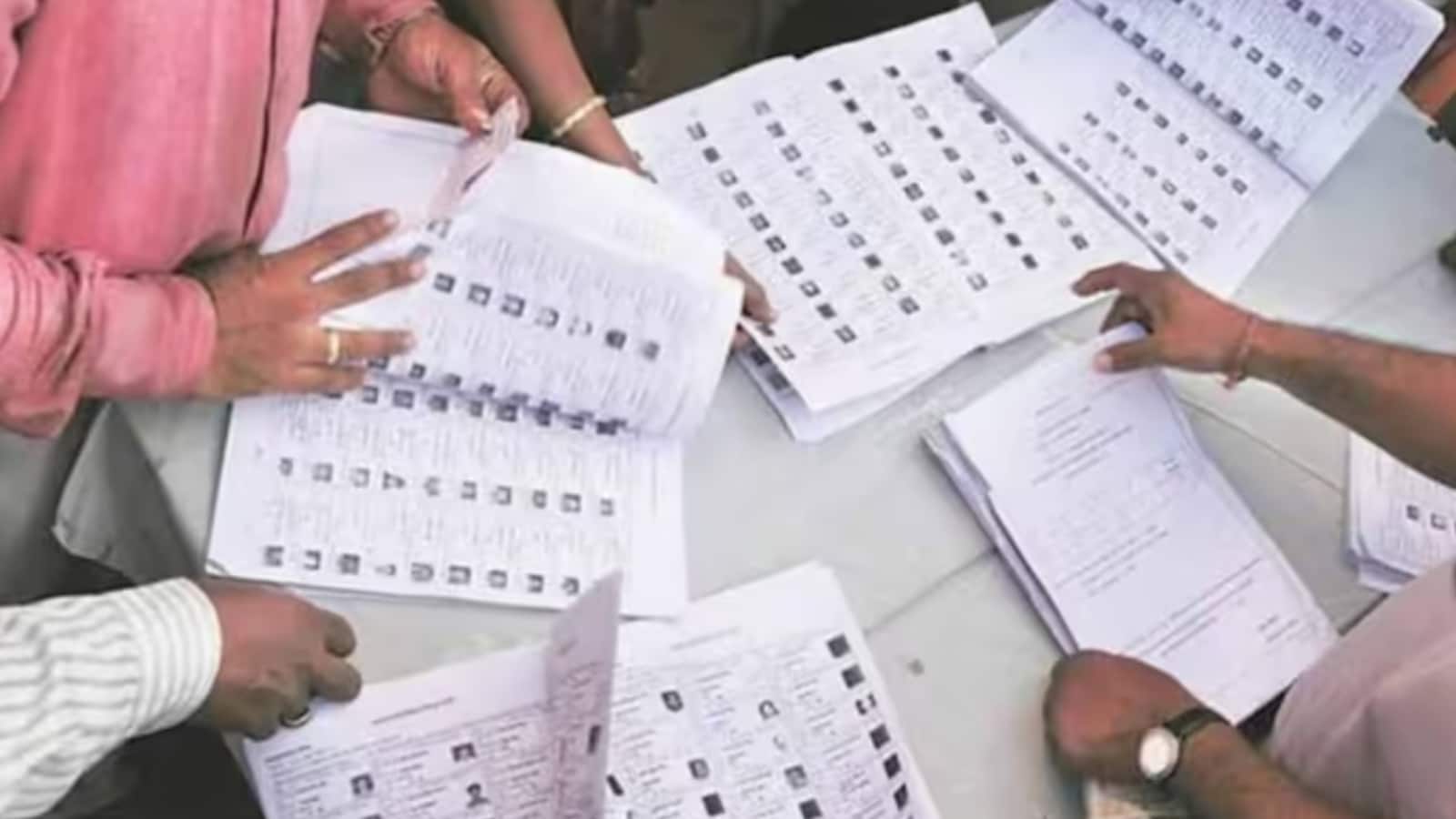
Next, officials will print and publish a draft voter list.
People will be able to object if information is wrong or if their names were removed.
Officials must hold hearings and explain the process clearly.
They were told to avoid confusion about voters who moved, died, are absent, or appear more than once.
Awareness meetings and training programmes will help citizens understand what to do.

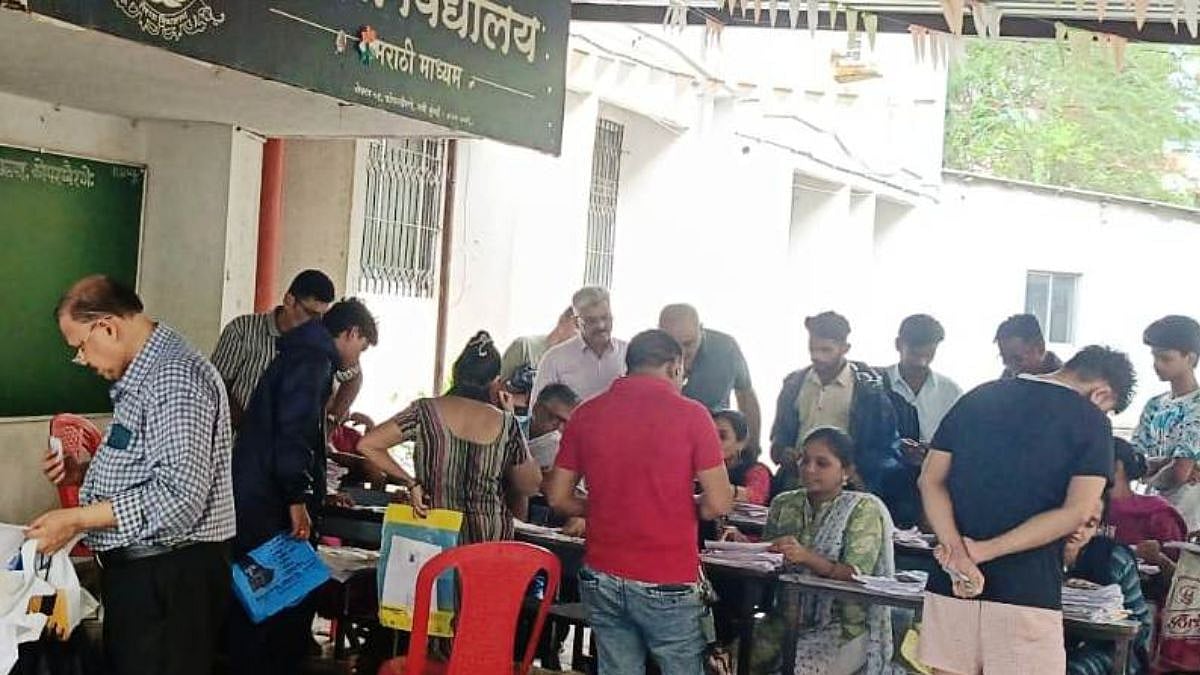
The house-to-house survey for the first phase of the Special Intensive Revision was completed within the stipulated period, including the extended deadline.
Officials verified whether voters lived at their registered addresses and mapped records using enumeration forms and available electoral records.
The next steps include printing and publishing draft electoral rolls, inviting objections, and conducting hearings transparently.
Officials were told to address concerns involving absent, migrated, deceased, or duplicate voters and explain how deleted voters can file Form No. 6.
The Nashik division will conduct awareness programmes, engage political and public representatives, and use digital platforms for notices and voter information.
- Who
- Chief Electoral Officer S Chokkalingam, divisional and district election officials, and voters in the Nashik division.
- What
- The first phase of the Special Intensive Revision of electoral rolls has been completed, and officials are preparing for draft rolls, objections, and hearings.
- Where
- The work covers the Nashik division, and the review meeting was held at the Divisional Commissioner’s Office in Nashik.
- When
- The first phase was completed within the prescribed timeframe, including an extended deadline; no specific date was stated.
- Why
- To verify voter records and ensure that the next stages of electoral-roll revision are accurate, transparent, and properly understood by citizens.
Key facts
- Process
- Special Intensive Revision of electoral rolls
- Completed stage
- House-to-house survey and initial voter-record verification
- Next stage
- Electronic roll printing and publication of draft electoral rolls
- Citizen participation
- Voters can submit objections and attend or participate in hearings as applicable
- Deleted names
- Affected voters should be informed about submitting Form No. 6 after completing required documentation
- 重点 concerns
- Officials must address possible confusion involving absent, migrated, deceased, and duplicate voters
- Awareness measures
- District- and taluka-level programmes, media outreach, meetings, and training sessions
Quotes
S. Chokkalingam
Chief Electoral Officer speaking at a review meeting on SIR work in Nashik division
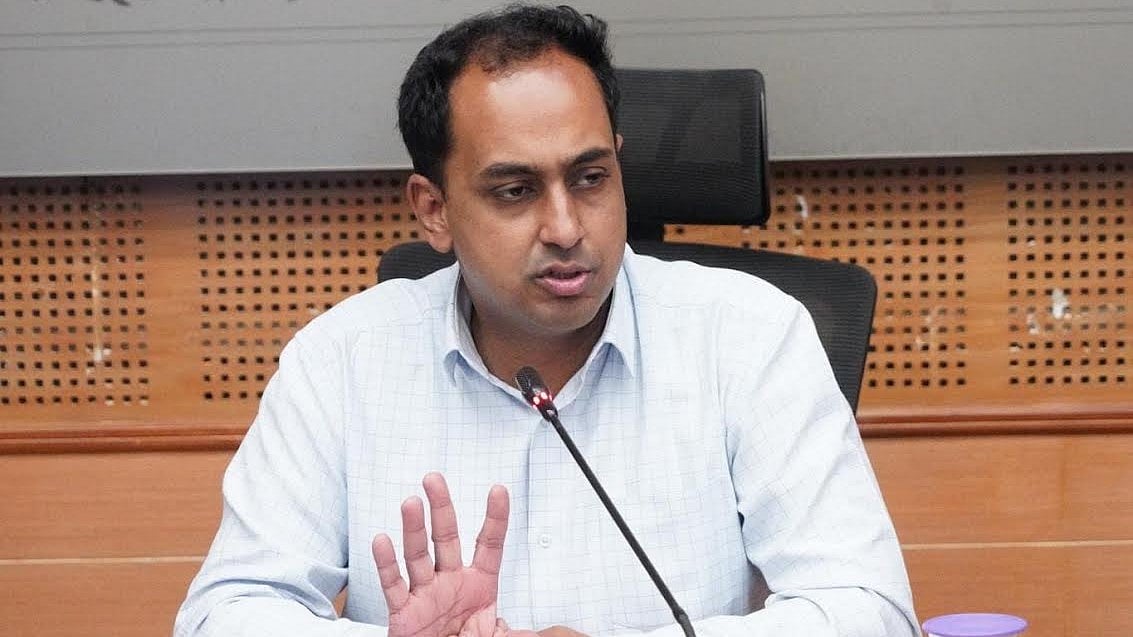
“Special care must be taken to ensure that no misconceptions are created regarding absent, migrated, deceased and duplicate voters.”
 freepressjournal.in
Sources
Related news

Maharashtra Administration Prepares Next Electoral Roll Revision Phase
Maharashtra SIR Draft Roll Excludes 2.07 Crore, Claims Open
Nashik Collector Urges Voters to Submit SIR Forms Before Deadline

Collector Says Electoral Notices Do Not Mean Vote Deletion
Maharashtra SIR Leaves Over Two Crore Voter Forms Uncollected
Nashik Draft Electoral Roll Opens Claims Until September 30

Rahul Gandhi Meets Protesting Tribal Students in Nashik
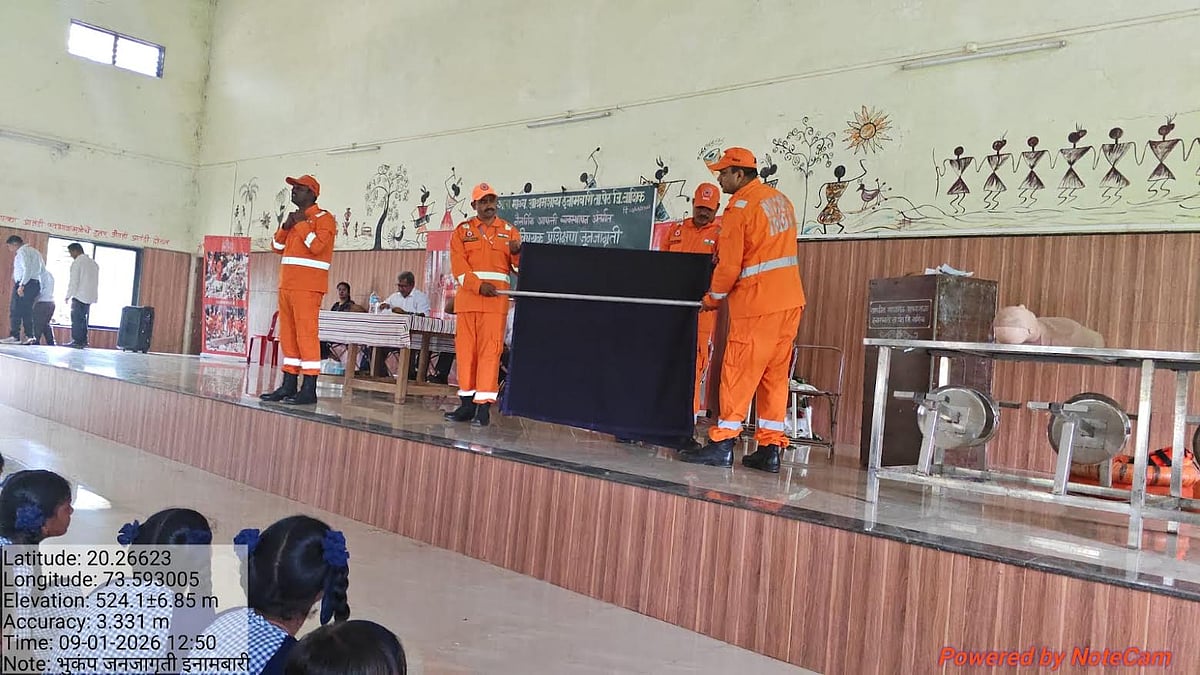
Nashik NDRF Conducts Disaster Training After Earthquake Incidents

MANS Urges Eco-Friendly Ganesh Festival, Ban Dolby And Lasers
Nashik Plans Online Permissions for Public Ganesh Mandals
Rahul Gandhi Urges Maharashtra Congress Leaders to Defend Party Ideology
