

1 week ago
Sugar Prices Surge Amid Speculation, Production Concerns and Government Action
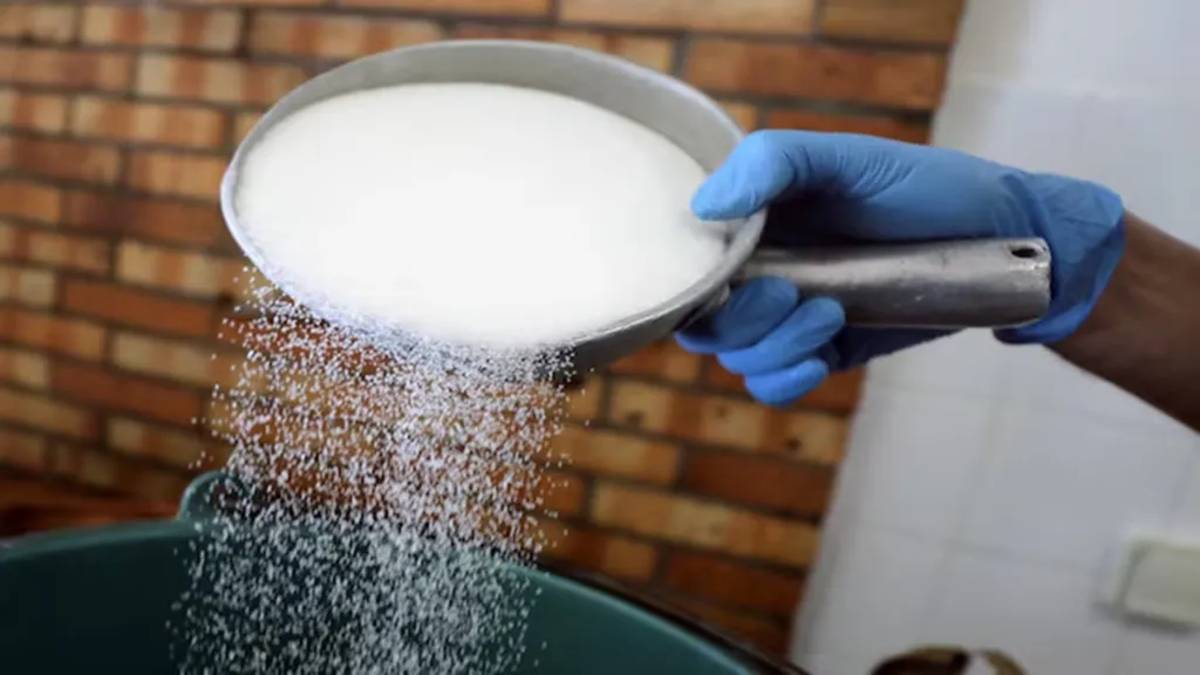
Sugar prices in India have gone up sharply.
Sugar producers say there is still enough sugar in the country.
They blame traders and large buyers for purchasing extra sugar, along with lower production caused by weather and crop problems.
The government also says production fell and that some producers may have held back supplies.
People buy more sugar before the festive season, which can push prices higher.
The government has allowed one million tonnes of raw sugar to be imported without duty.
It has also limited how much sugar dealers and large buyers can keep.
Sugar prices have started to ease in some wholesale markets.
The government and the industry disagree about how much hoarding contributed to the increase.

The sugar industry says speculative buying, bulk purchases and lower production estimates drove the price increase, not a shortage.
Net sugar production for the 2025-26 season is estimated at 27.9 million tonnes, with opening stocks of 5 million tonnes.
Domestic annual demand is estimated at 28-28.5 million tonnes, while 0.8 million tonnes was exported before the export ban.
Average retail sugar prices reached ₹63.05 per kilogram on Monday, up 37% year-on-year and 30% month-on-month.
The government allowed duty-free imports of 1 million tonnes of raw sugar and imposed stock limits as prices rose.
- Who
- The Indian sugar industry, the Indian Sugar and Bio-Energy Manufacturers Association (ISMA), traders, bulk consumers and the government are involved.
- What
- Sugar prices have risen sharply amid lower production estimates, speculative buying and concerns about stockholding.
- Where
- India, including the major sugar-producing states of Maharashtra and Uttar Pradesh.
- When
- The price increase was reported on Monday; the relevant sugar season runs from October 2025 to September 2026.
- Why
- The reported factors include weather-related production losses, increased demand before the festive season, high global prices, speculative buying and possible hoarding.
Industry assessment
Government assessment
Main cause of the price rise
Industry assessment
ISMA says speculative buying by traders and bulk consumers, along with lower-than-estimated production, drove prices, while insisting that India has no sugar shortage.
Government assessment
The government attributes the increase to lower domestic production caused by weather damage, festive-season demand, high global prices and hoarding by some producers.
Role of ethanol diversion
Industry assessment
The industry says net production after ethanol diversion remains sufficient and projects opening stocks of about 3.5 million tonnes on October 1, 2026.
Government assessment
The government says ethanol diversion is not responsible for the price increase because the share diverted fell from about 12% in 2022-23 to about 9% in 2025-26, while nearly three-fourths of ethanol now comes from grains, particularly maize.
Availability and stockholding
Industry assessment
ISMA says availability remains fundamentally comfortable and denies that the industry created artificial scarcity, though it acknowledges that some mills may be holding stocks.
Government assessment
The government has imposed stock-holding limits and said hoarding by some producers was among the factors behind the sharp price increase.
Key facts
- Retail price
- ₹63.05 per kilogram on Monday.
- Retail price increase
- Up 37% year-on-year and 30% month-on-month.
- 2025-26 net production estimate
- About 27.9 million tonnes after diversion for ethanol.
- Opening stock
- About 5 million tonnes.
- Annual domestic demand
- Estimated at 28-28.5 million tonnes.
- Government response
- Duty-free imports of 1 million tonnes of raw sugar and stock-holding limits for dealers and bulk consumers.
- Ex-mill prices
- About ₹55-56 per kilogram in Maharashtra and Uttar Pradesh after easing in recent days.
Quotes
Niraj Shirgaokar
President of the Indian Sugar and Bio-Energy Manufacturers Association
“The mills sold 75-80% of their stocks in the current marketing year at a loss, and they might achieve break-even”
 financialexpress.com
“That is a healthy buffer against normal domestic demand, even after accounting for sugar diverted to ethanol”
financialexpress.com
Sources
Related news
Government Rejects Ethanol Link, Blames Hoarding for India Sugar Surge

ISMA Says India’s Sugar Prices Will Ease Soon
Centre Rejects Ethanol Diversion Link to Rising Sugar Prices
India Sugar Prices Rise as Government Rejects Ethanol Link
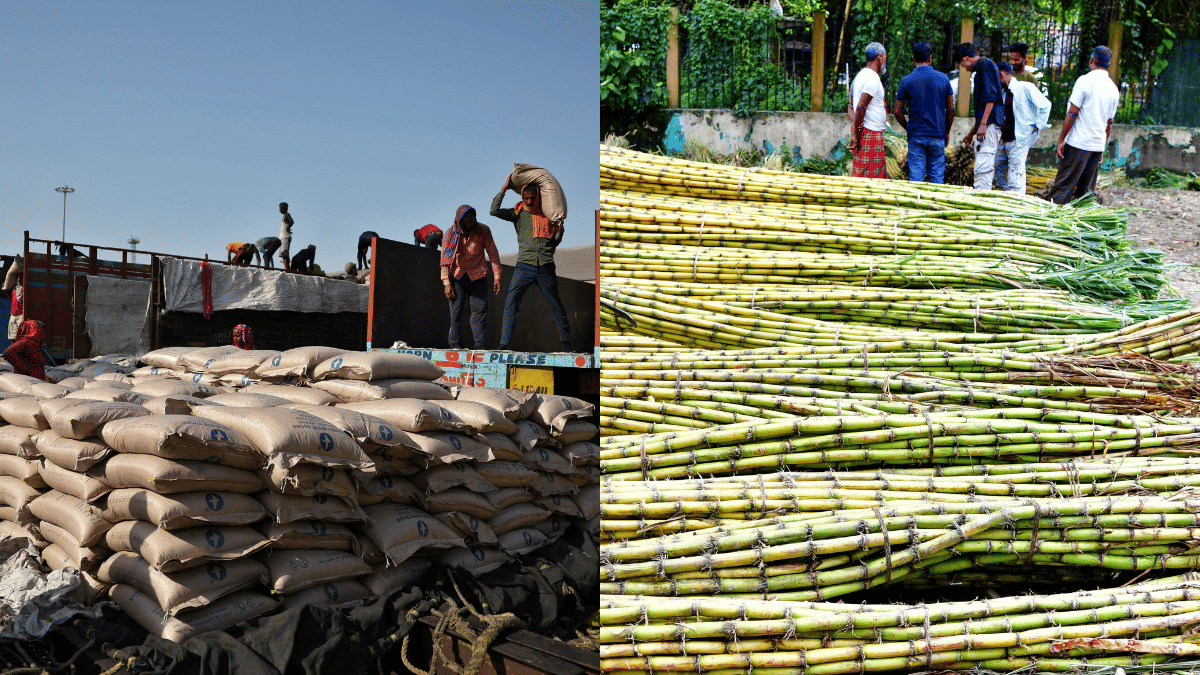
India’s Sugar Prices Surge Amid Supply Crunch, Speculation
Two Years of Supply Squeeze Drive Sugar Price Spike

Gold Loans Quadruple as India’s Untapped Gold Wealth Fuels Growth
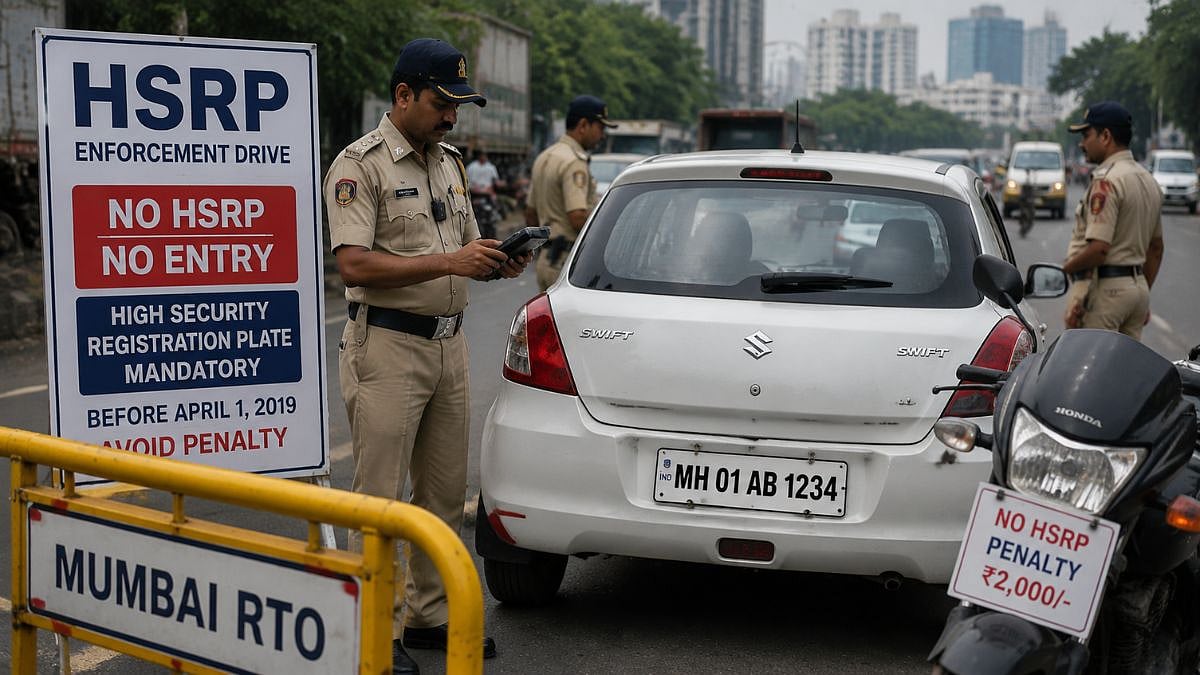
Maharashtra Penalises 33,993 Vehicles in HSRP Enforcement Drive
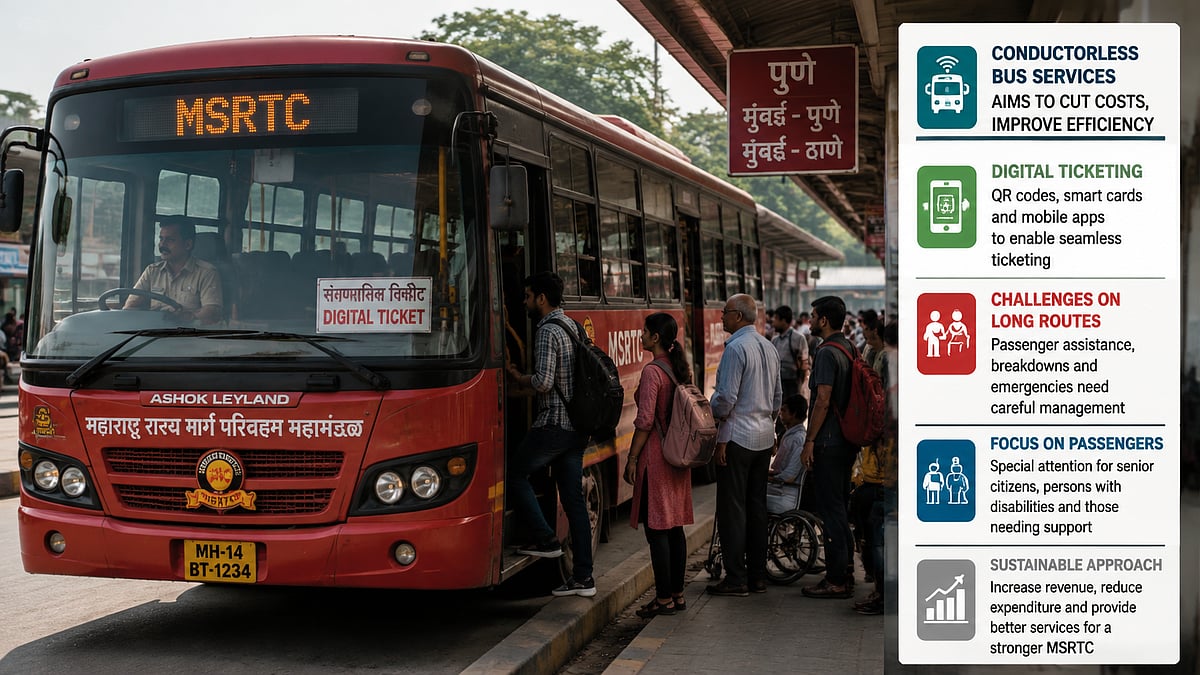
MSRTC Conductorless Bus Plan Targets Costs, Raises Long-Route Safety Concerns

Maharashtra Congress Seeks More Time for SIR Voter Claims

Mirzapur: The Movie Sells Over One Lakh Advance Tickets
