

1 week ago
Centre Rejects Ethanol Diversion Link to Rising Sugar Prices
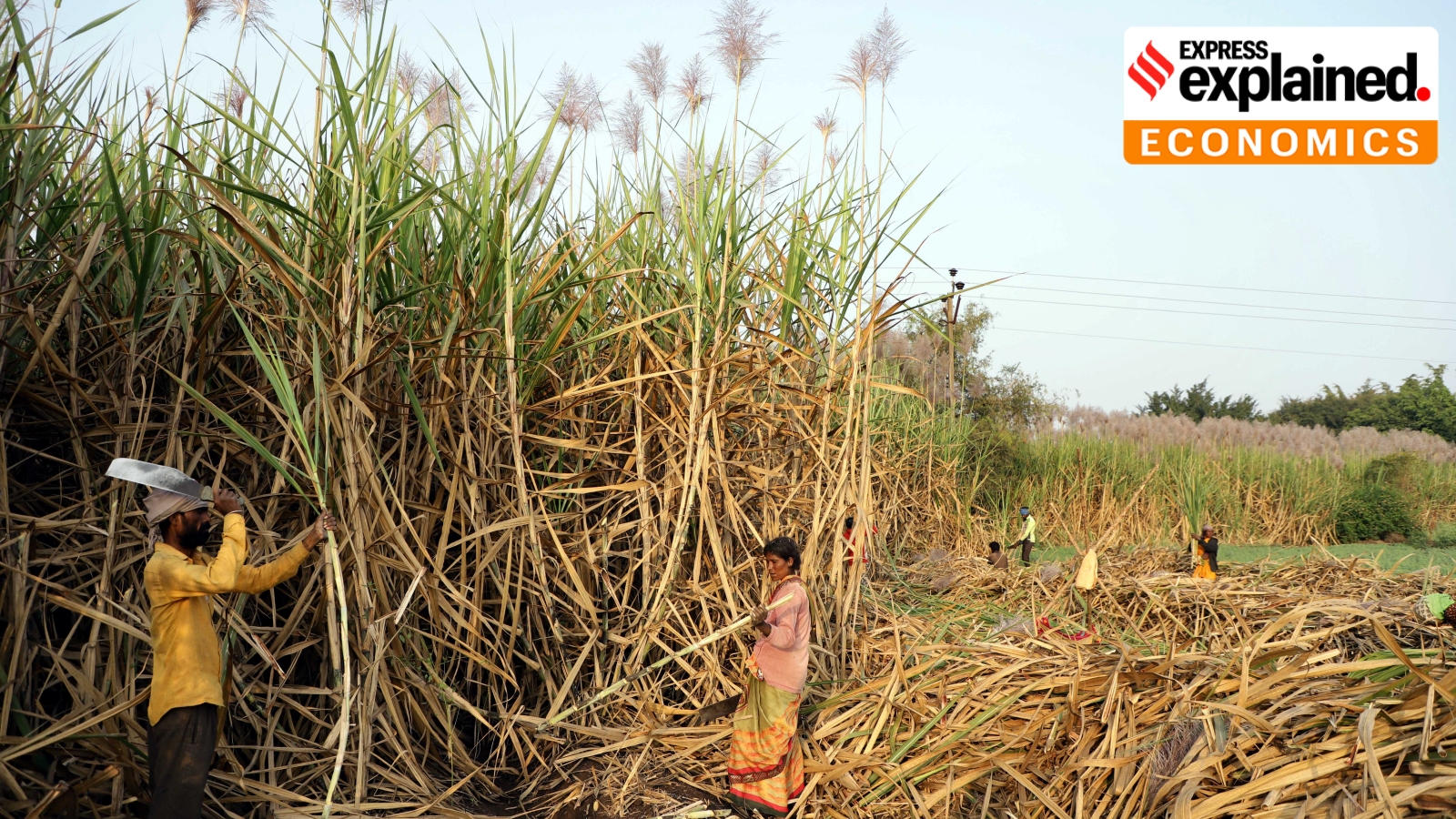
Sugar has become much more expensive in India before the major festivals.
The government says this happened mainly because less sugar was produced than expected.
Heavy rain and crop diseases damaged sugarcane in several important growing states.
People and businesses also buy more sugar before festivals, which can push prices up.
World sugar supplies are tighter too.
Some traders and mills may have held back sugar or stockpiled it while expecting prices to rise.
The government says using sugar to make ethanol is not the main reason for the current price increase.
It has allowed some sugar imports, limited how much dealers can store, and asked mills to start crushing cane earlier.
These steps are intended to make more sugar available to consumers.

India’s retail sugar prices rose sharply, with reported figures ranging from Rs 55.70 to Rs 65 per kg in August, depending on the measure and date.
The Centre attributed the increase mainly to lower production, crop damage, festive demand, tighter global supplies, and possible speculation or hoarding.
Production estimates have fallen from about 343-343.5 LMT initially to roughly 306-309 LMT gross, while industry estimates put net output at 279 LMT after ethanol diversion.
The government has allowed duty-free imports of 10 LMT of raw sugar, limited dealer stocks to 400 tonnes, and ordered stock checks and bulk-consumer disclosures.
The Centre said ethanol diversion is not the main cause, noting that only 32% of ethanol supplied for blending came from sugar-based feedstock during November 2025-July 2026.
- Who
- The Ministry of Consumer Affairs, Food & Public Distribution, sugar mills, traders, dealers, and industry groups are involved.
- What
- The Centre explained the rise in sugar prices and announced import, stock-monitoring, and earlier-crushing measures.
- Where
- India, particularly sugar-producing states including Maharashtra, Karnataka, Gujarat, and Uttar Pradesh.
- When
- Prices increased during July and August 2026; the government permitted imports through October 31 and advised mills to begin crushing by October 15.
- Why
- The articles cite lower-than-expected production, weather and crop damage, festive demand, tighter global supplies, and possible speculation or hoarding.
Ethanol Diversion Concern
Supply Shortfall Explanation
Main cause of the price rise
Ethanol Diversion Concern
Some observers could point to the roughly 30 LMT of sugar diverted to ethanol as reducing sugar available for the domestic market.
Supply Shortfall Explanation
The Centre and the article’s analysis say the immediate rise is better explained by the much larger-than-expected gross production shortfall, low stocks, festive demand, crop damage, global pressures, and possible hoarding.
Scale of ethanol’s role
Ethanol Diversion Concern
The ethanol argument focuses on sugarcane-based feedstock, including direct juice or syrup and molasses, as a competing use for sugar production.
Supply Shortfall Explanation
The Ministry said sugar diversion for ethanol fell from about 12% in 2022-23 to about 9% in 2025-26, and the article reported that 68% of ethanol supplied for blending came from grain-based feedstock.
Possible next step
Ethanol Diversion Concern
An industry source suggested the government may need to stop mills from producing ethanol from direct sugarcane juice and B-heavy molasses in 2026-27 to increase sugar supplies.
Supply Shortfall Explanation
The government’s announced measures focus on imports, stock limits, inspections, disclosure of bulk sales, and earlier crushing rather than identifying ethanol diversion as the principal current cause.
Key facts
- Reported retail prices
- One government statement reported an increase from Rs 48.18 per kg on July 20 to Rs 55.70 on August 20; another report said the modal price rose from Rs 45 on July 21 to Rs 65 on a Friday in August.
- Production estimates
- Initial estimates were about 343-343.5 LMT; the government projected 306 LMT, while industry estimates cited about 309 LMT gross and 279 LMT after ethanol diversion.
- Estimated closing stocks
- Industry calculations put end-season stocks at about 41 LMT, or roughly 39 LMT if opening stocks were 48 LMT rather than 50.03 LMT.
- Sugar-based ethanol
- Of 810.67 crore litres supplied for blending from November 2025 to July 2026, 259.24 crore litres, or 32%, came from sugarcane-based feedstock.
- Duty-free imports
- The government permitted up to 10 LMT of raw sugar imports at zero duty through October 31.
- Stock controls
- Sugar dealers may hold up to 400 tonnes, with a separate 15-day holding cap for bulk consumers beginning September 1; another report also described a 30-day limit after stock receipt.
- Global market
- The global sugar deficit for 2026-27 was estimated at 33 LMT, while international prices rose from USD 474 to USD 552 per tonne between June 30 and August 20.
Quotes

Ministry of Consumer Affairs, Food & Public Distribution
The central ministry responsible for consumer affairs, food, and public distribution.
“The present increase in sugar prices is due to a combination of factors, including lower-than-expected domestic production, increased demand ahead of the festive season, weather-related damage to the sugarcane crop, tightening global sugar supplies and speculation and hoarding by some sections of the industry.”
 republicworld.com
“As a precautionary measure, the Government has decided to permit duty-free import of 10 LMT of raw sugar to further augment domestic availability.”
republicworld.com
An industry source
An unnamed source from the sugar industry discussing market buying and mill sales.
“One can expect the government to also direct mills not to manufacture any ethanol from direct sugarcane juice and B-molasses in the coming 2026-27 season. The priority is to somehow augment supply of sugar in the domestic market, including through imports and forcing mills and traders to sell.”
 indianexpress.com
“The bigger merchants and stockists, besides bulk industrial consumers, had begun taking positions even before July. From August, some mills themselves started holding back sales in anticipation of higher prices in the run-up to the festival season.”
indianexpress.com
Sources
Related news
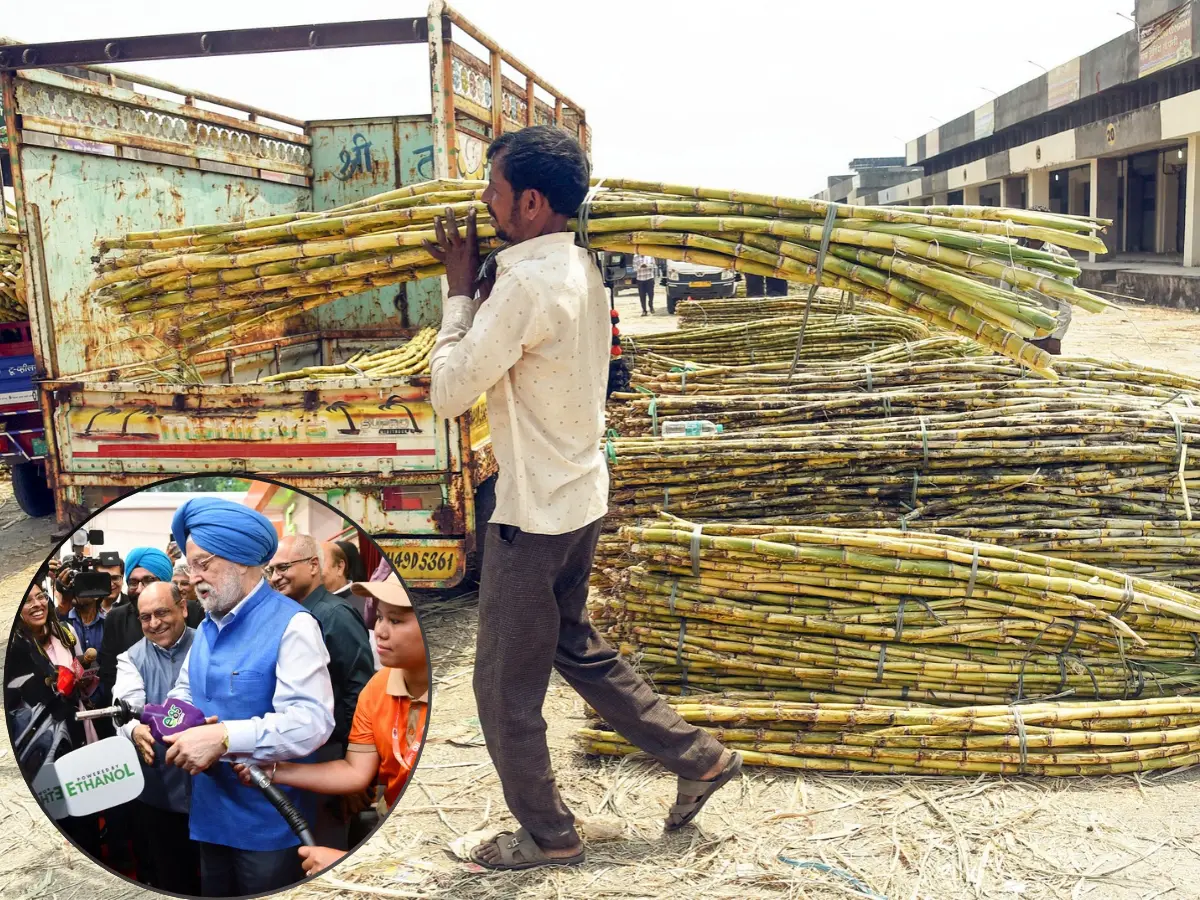
India Sugar Prices Rise as Government Rejects Ethanol Link
Government Rejects Ethanol Link, Blames Hoarding for India Sugar Surge
India's Sugar Prices Rise as Centre Rejects Ethanol Link

India’s Sugar Prices Surge as Demand, Weather and Speculation Weigh
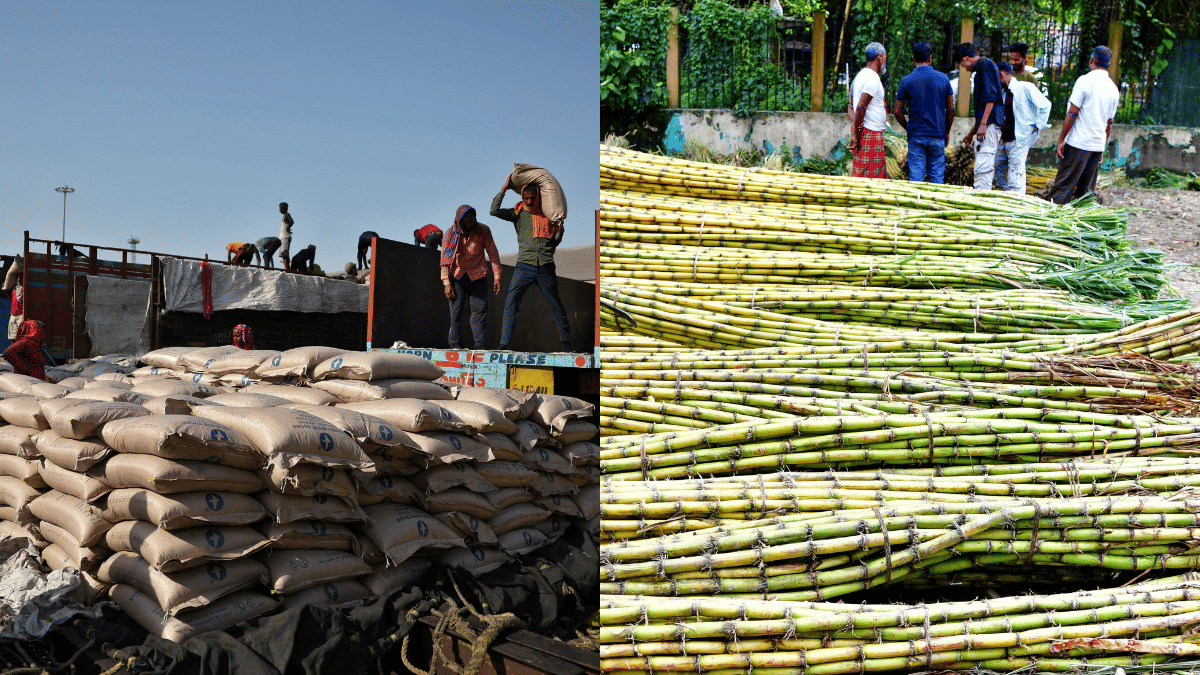
India’s Sugar Prices Surge Amid Supply Crunch, Speculation
Why India Suddenly Needs Sugar Imports as Prices Rise

Government Defends 7.8% GDP Growth as Congress Raises Doubts

BRICS Expansion Puts Membership and Reform at New Delhi Summit

Piyush Goyal Defends India’s 7.8% GDP Growth Amid Criticism

Mahua Moitra Questions India’s 7.8% GDP Growth Figures

Goyal Defends India’s 7.8% GDP Growth Amid Data Debate
