2 weeks ago
War and Weather Push Up Global Food Prices
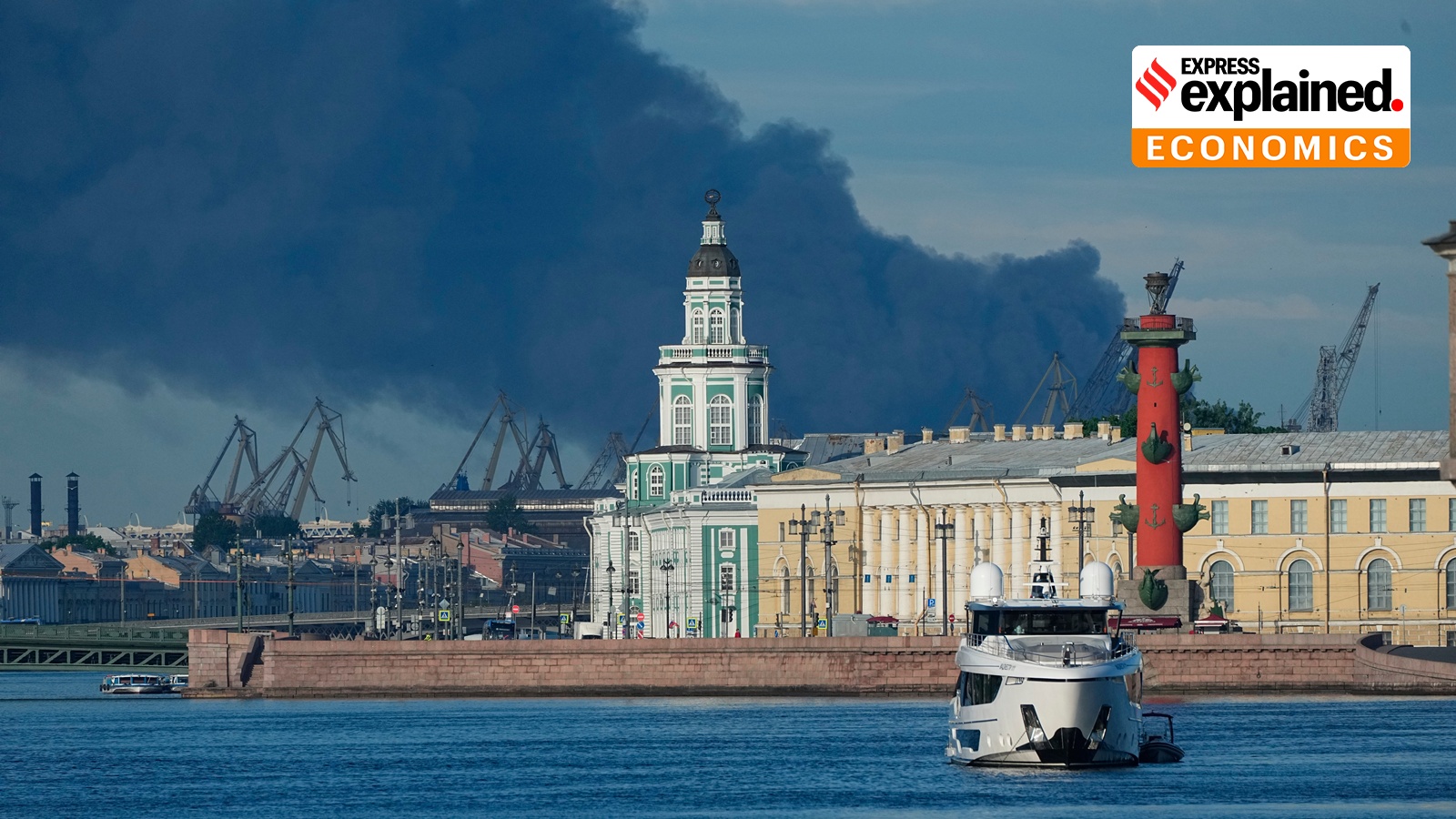
Two countries called Russia and Ukraine are having a fight, and their fight is happening on the sea where big ships carry food.
The ships carry grains like wheat and corn, which are used to make bread and other foods.
Ukraine used drones to hit grain storage places in a Russian port called Novorossiysk, and both countries are attacking each other's ports and ships.
Because the ships are scared to travel, it is harder and more expensive to move grain around the world.
At the same time, Europe has been very, very hot and dry this summer.
That hot weather is hurting the crops, so farms are growing less wheat and corn than before.
When there is less food and it is harder to ship it, the price of food goes up.
Food prices have already reached their highest level in three and a half years.
Stores might charge more for bread and other foods made from grain.
This affects people all over the world, including families buying groceries.

A Ukrainian drone strike destroyed two Russian grain export terminals at Novorossiysk, halting operations with a combined export capacity of 15.6 million tonnes per year.
Since mid-July, Ukraine and Russia have intensified attacks on each other's Black Sea ports, grain vessels and maritime infrastructure.
The USDA projects EU wheat production to fall 7.5% to 134.2 million tonnes due to record heat and dry weather.
The FAO food price index hit a three-and-a-half-year high in July, with corn and wheat prices rising 3.8-4% at the Chicago Board of Trade since Tuesday.
Ukraine's Agriculture Ministry cut its 2026-27 farm export forecast from 64.4 million tonnes to 29.6 million tonnes.
- Who
- Russia and Ukraine, whose militaries are attacking each other's grain ports and vessels, along with grain traders and farmers affected by the disruptions
- What
- War-related disruptions to Black Sea grain shipping and EU heat waves are pushing up international food prices
- Where
- Black Sea region (Novorossiysk, Sea of Azov, Kerch Strait and Greater Odesa) and the European Union
- When
- Since mid-July, intensifying in August 2026; the FAO index hit a high in July and prices jumped after an attack on Tuesday
- Why
- Drone and missile strikes on ports raise shipping costs and insurance premiums, while record heat and drought reduce EU crop yields
Key facts
- FAO food price index
- Three-and-a-half-year high in July
- Damaged terminals' capacity
- 15.6 million tonnes per year at Novorossiysk
- EU wheat production forecast
- 134.2 mt, down 7.5% from 145.1 mt
- Ukraine 2026-27 export forecast
- Cut from 64.4 mt to 29.6 mt
- CBOT corn/wheat price jump
- Up 3.8-4% since Tuesday
- US wheat export price
- $321 per tonne vs $235 a year ago
- Ukraine attacks in July
- 57 on vessels and 67 on port facilities
- Russia-Ukraine share of global wheat exports
- 27.4% in 2025-26
Sources
Related news

Wheat Hits Three-Year High as Russia Prepares to Escalate War

Wheat Prices Reach Three-Year High as Black Sea Crisis Deepens

Kerch Strait strikes revive global food crisis fears

Ukrainian drone attack damages Novorossiysk grain terminals, halting work
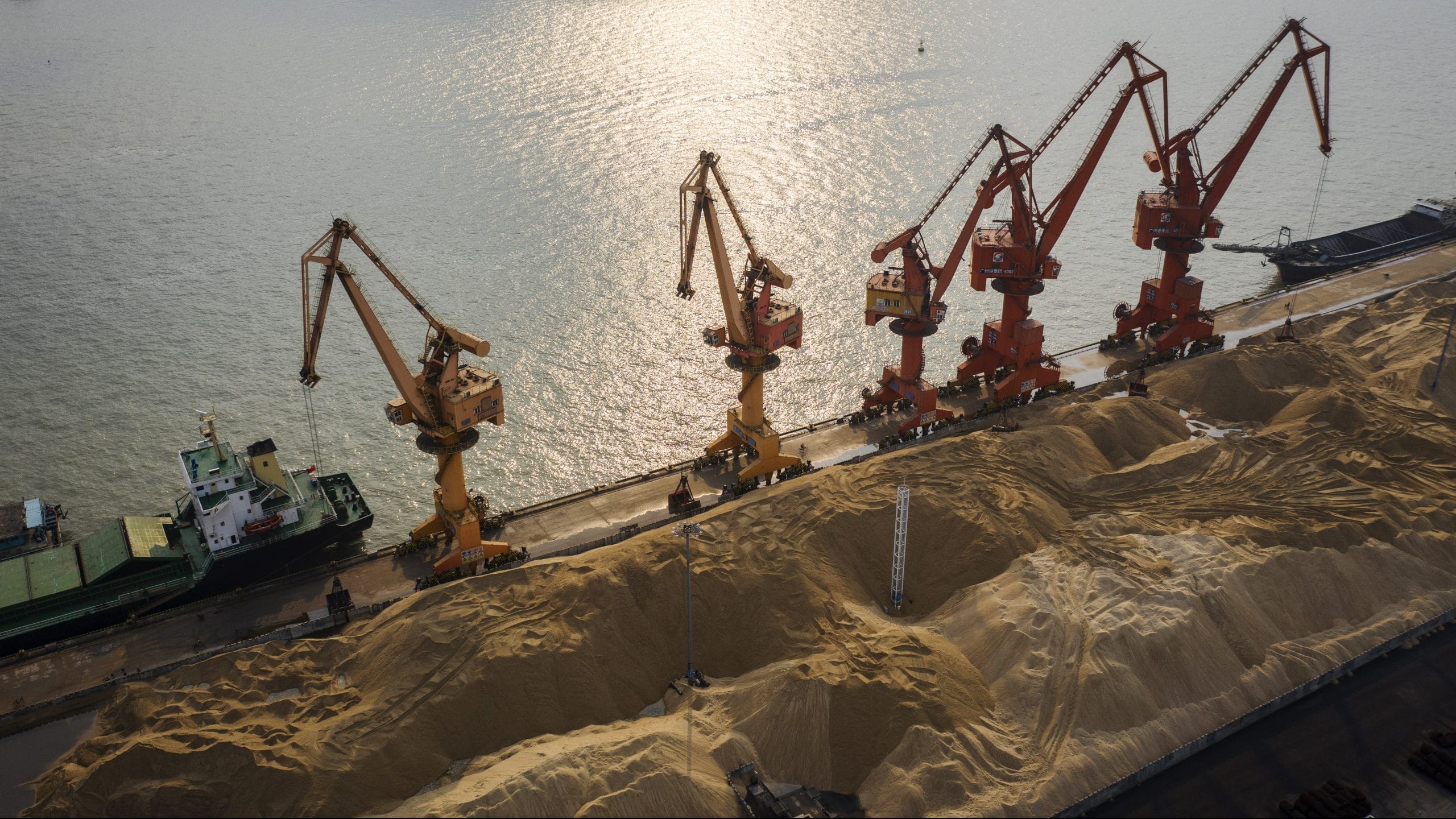
Global food prices hit three-year high as supply fears build

Black Sea Tensions Send Wheat to Limit-Up, Corn Higher
Saudi Arabia Says Iranian Tanker Attack Killed Two Sailors
U.S.-Iran Exchange Escalates Across Middle East, Markets Slide

Trump Aides Seek Quiet Iran War Before Midterm Elections

US Warns Middle East Travelers Amid Escalating Iran-Linked Tensions

Indian Stocks Slide as Oil, Conflict and Yields Rise