

2 days ago
Nepal's Rasuwa Floods Expose Risks of Himalayan Infrastructure
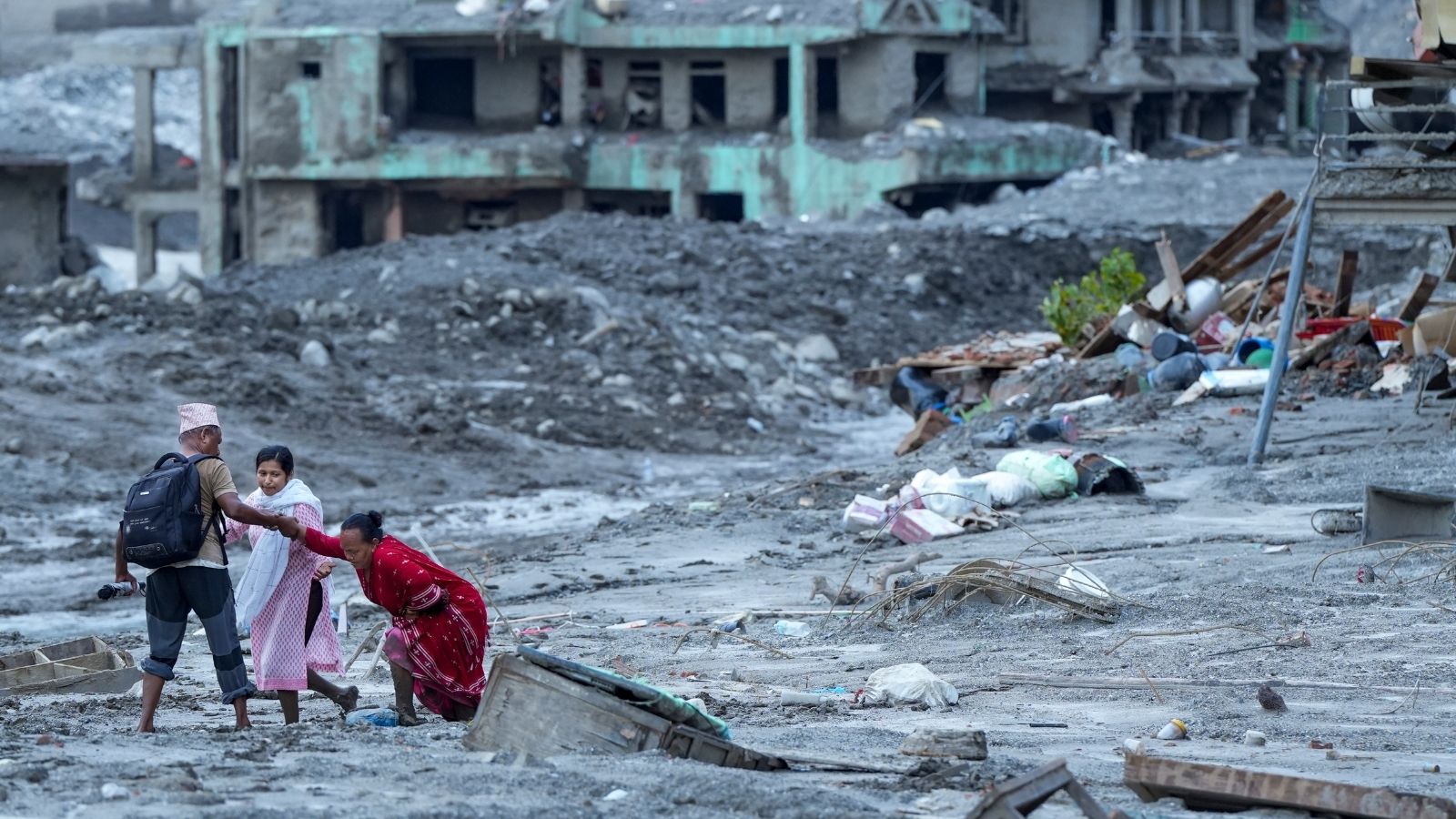
A very large flood struck Nepal's Himalayan border area on August 26.
It washed away buildings, roads, power plants, vehicles, homes, and other infrastructure.
More than 900 people died, and thousands were reported missing.
The Himalayas are fragile, and warmer temperatures can make floods and landslides more dangerous.
The article says climate change was important, but it also asks whether some construction was placed in unsafe locations.
It argues that governments should listen more closely to people who live in border areas.
Nepal should not stop all development, but projects should respect nature and local needs.
The same lesson could apply to Nepal's relationships with both China and India.

A flash flood on August 26 destroyed major infrastructure and settlements in Nepal's Rasuwa area.
More than 900 people have reportedly died, with thousands still missing after the disaster.
Destroyed facilities included the Gyirong port complex, hydropower plants, customs offices, a dry port, and border-police housing.
The article links the scale of the disaster to climate change, ecological fragility, and development decisions in flood-prone terrain.
It calls for Nepal, China, and India to prioritise border communities, ecological limits, and human security over ambitious connectivity projects.
- Who
- Residents of Nepal's Himalayan border communities, along with the governments of Nepal, China, and India, are central to the article.
- What
- A catastrophic flash flood destroyed infrastructure and settlements and prompted questions about climate change, development, security, and border policy.
- Where
- The disaster affected Rasuwa and downstream areas of Nuwakot, Dhading, and Gorkha in Nepal, including the Nepal-China border area near Gyirong.
- When
- The flood occurred on August 26; the author conducted fieldwork in Rasuwa in 2023.
- Why
- The article attributes the damage to the interaction of ecological fragility, climate change, recurring flood and landslide risks, and infrastructure and security policies that may not adequately reflect local conditions.
Infrastructure and Connectivity
Ecology and Human Security
Whether major projects should continue
Infrastructure and Connectivity
Governments should not abandon major infrastructure development, including connectivity projects, because such projects are presented as important links between Nepal and its neighbours.
Ecology and Human Security
Development should be limited by ecological constraints and local realities; the article questions whether some projects serve residents or instead impose risks on border communities.
Main explanation for the disaster
Infrastructure and Connectivity
Some geopolitical commentators blame oversized Chinese infrastructure and say Beijing failed to provide Nepal with real-time hydrological data.
Ecology and Human Security
Climate activists emphasise rising global temperatures and Himalayan ecological instability, while the author argues that local construction practices, weak environmental coordination, and top-down policies must also be examined.
Border management
Infrastructure and Connectivity
Stronger surveillance, security infrastructure, and formal connectivity with China and India are pursued as tools of state security and economic integration.
Ecology and Human Security
Heightened surveillance and border regulation can disrupt indigenous knowledge, traditional cross-border ties, socio-cultural fluidity, and local livelihoods; policy should prioritise community well-being.
Key facts
- Disaster date
- August 26
- Reported fatalities
- More than 900 people
- Missing people
- Thousands, according to the article
- Mainly affected area
- Rasuwa, with downstream damage in Nuwakot, Dhading, and Gorkha
- Destroyed infrastructure
- Gyirong port complex, border-police shelter, hydropower plants, customs offices, a nearly completed dry port, and surrounding settlements
- Fieldwork location
- Rasuwa, where the author researched Chinese-backed infrastructure in 2023
- Policy recommendation
- Put borderland populations, ecological limits, and human security at the centre of development and bilateral policy
Sources
Related news

China's Himalayan Infrastructure Raises Concerns After Nepal Floods
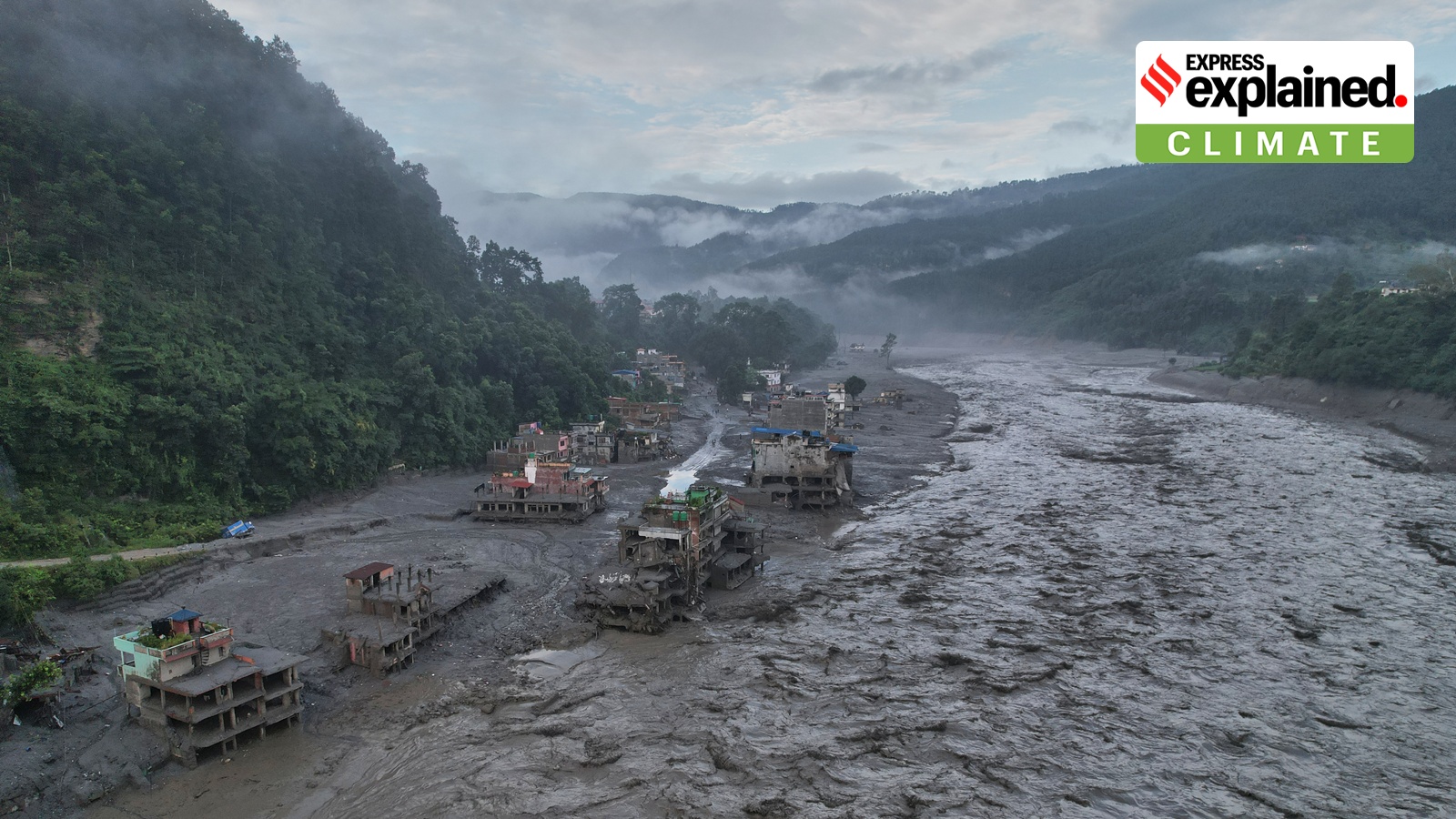
Nepal Flood Exposes Four Urgent Himalayan Disaster Lessons

Nepal Floods Kill 46 as China Construction Claims Emerge
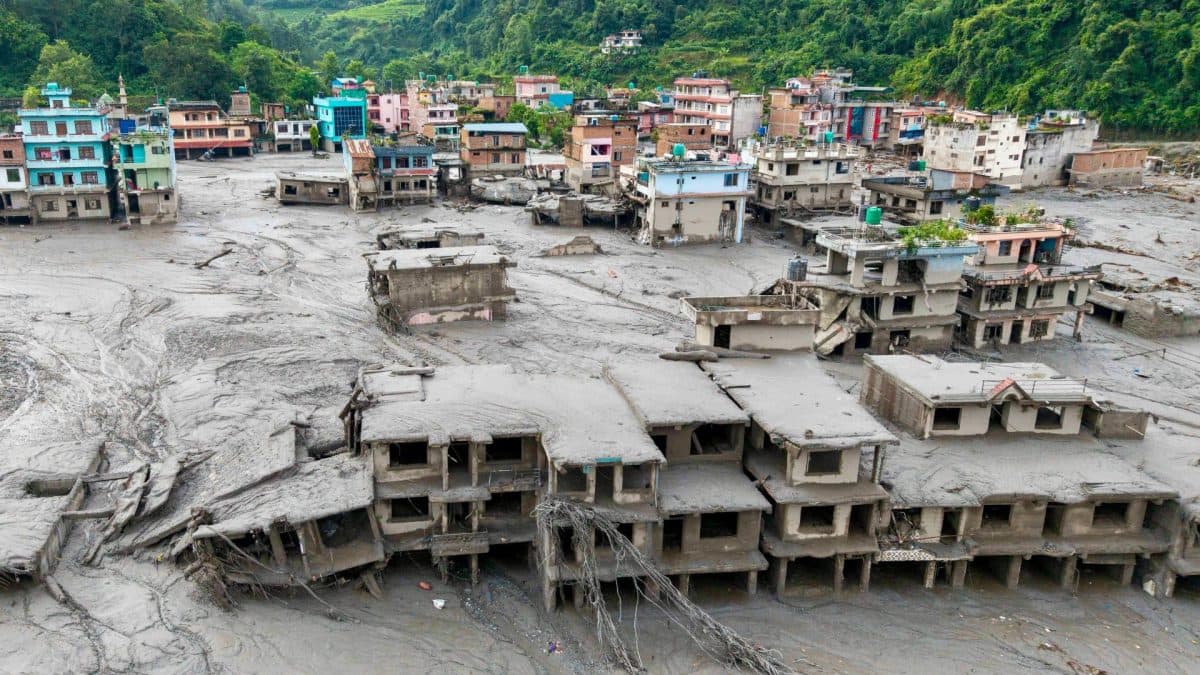
Nepal Flood Exposes Persistent Risks Along Border River
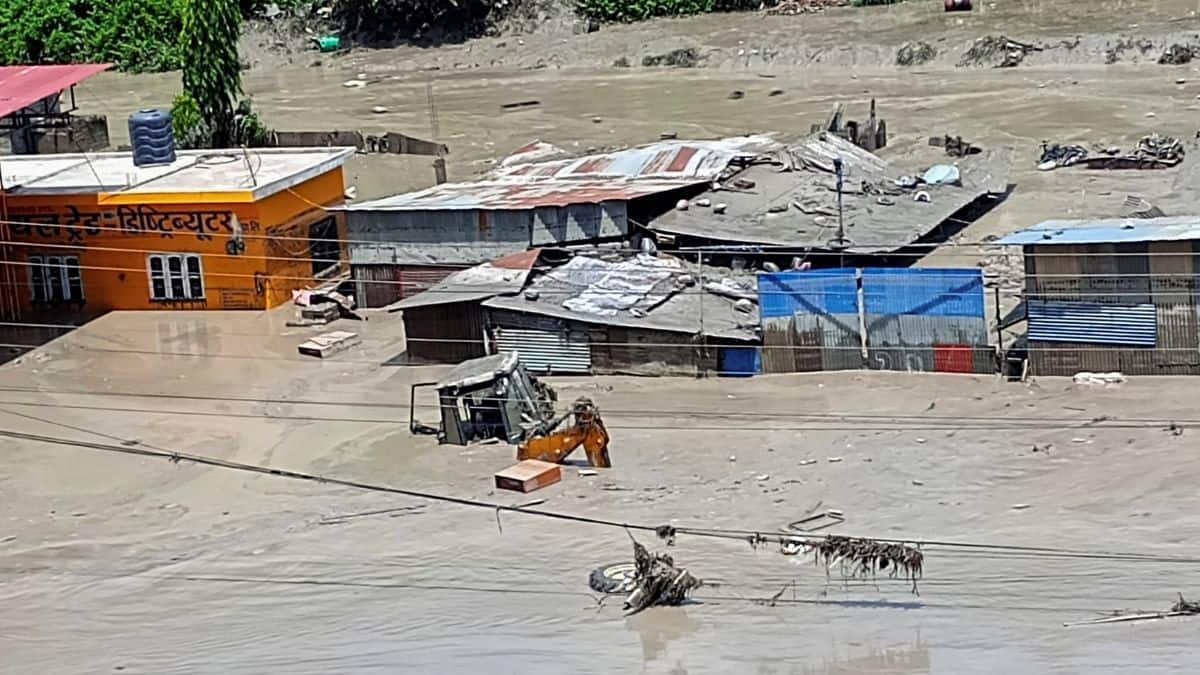
Nepal Flash Flood Kills Eight, Damages Roads and Power Projects

Nepal Thanks India as Glacial Disaster Rescue Efforts Continue
Nepal Warns of Heavy Rain After Deadly Floods
Nepal Flood Exposes Delayed Alerts and Cross-Border Warning Gaps
India to Rebuild Nepal School After Principal Saves 1,600
Maharashtra Mountaineers Join Search for Missing Nepal Trekkers
