2 weeks ago
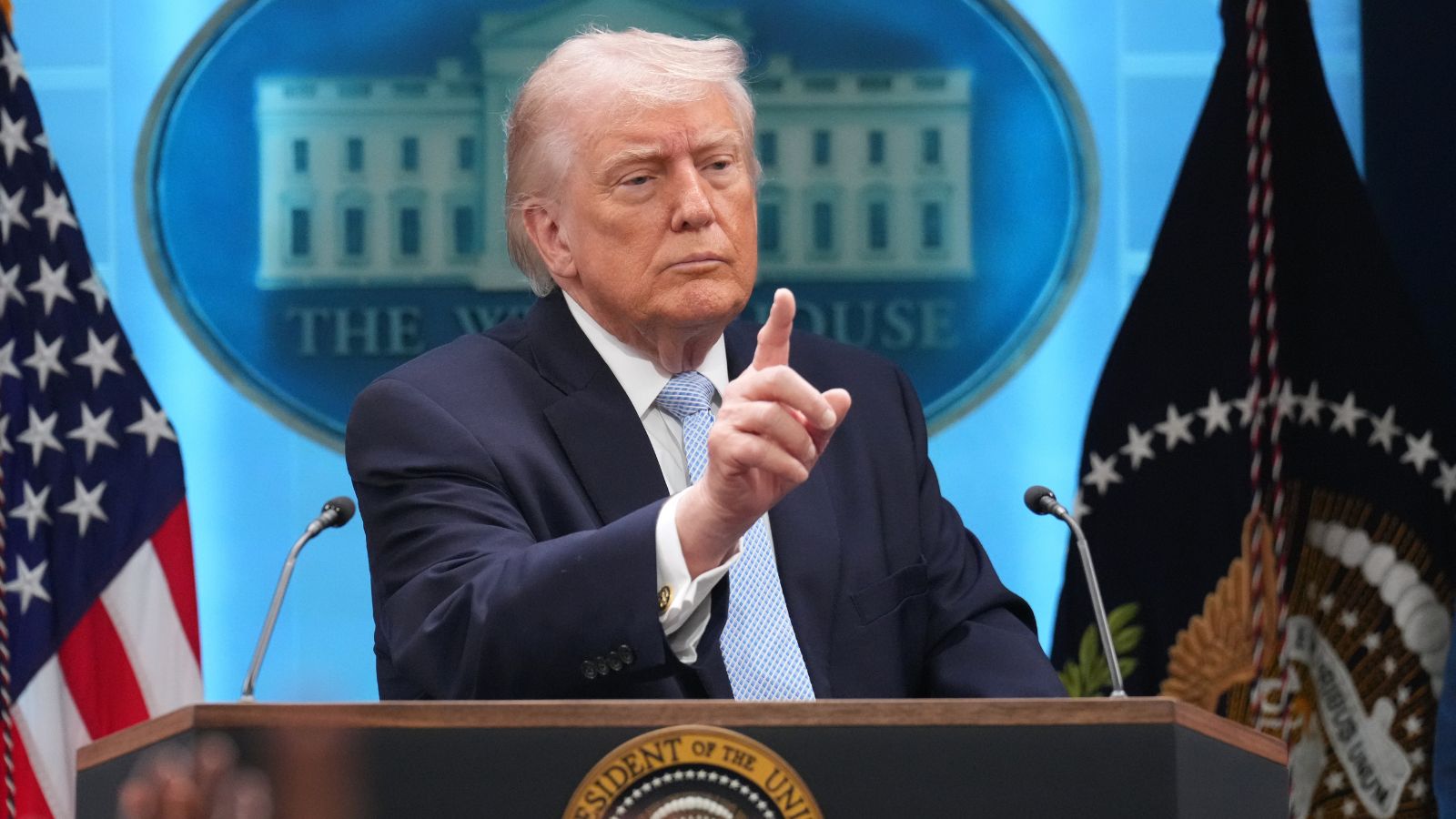
Trump losing Gulf allies as US-Iran war drags on
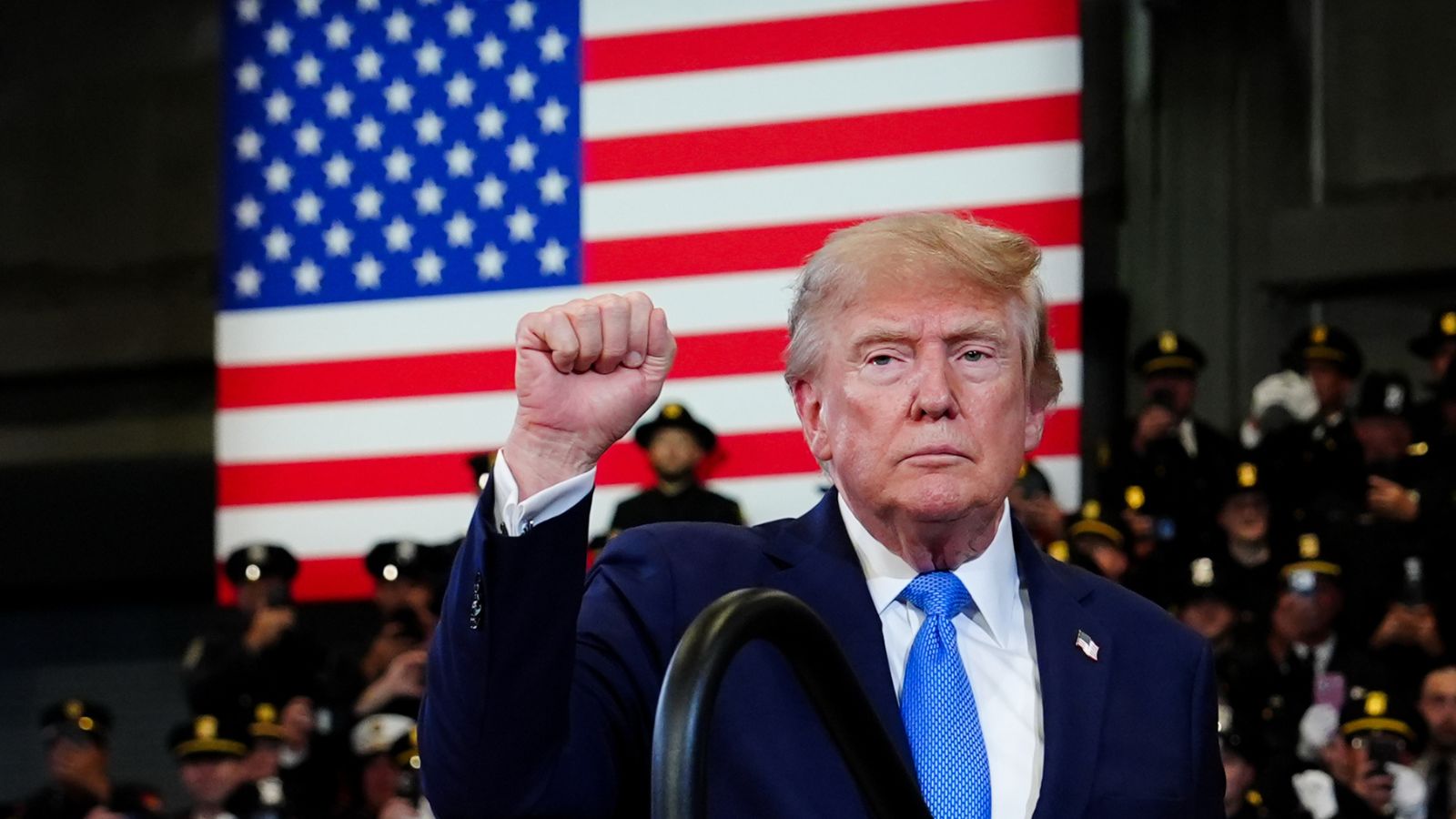
Some countries near Iran are upset with the United States.
A war between the US and Iran has been going on for more than five months, and these countries feel hurt by it.
They include Saudi Arabia, the United Arab Emirates, Qatar, Kuwait, and Bahrain.
These countries let the US keep military bases on their land, but now some people there are wondering if that is still a good idea.
A big problem is that a very important water route for oil, called the Strait of Hormuz, is mostly closed because of the war.
That has made fewer oil ships travel through it, and oil prices have gone up.
The countries say they are paying the price for a war they did not want.
The American president, Donald Trump, has said different things about making peace with Iran, which confuses everyone.
Some countries are now making new friends for protection, like Saudi Arabia, Turkey, and Pakistan.
However, the White House says America still has great relationships with these countries.

Saudi Arabia, UAE, Qatar, Kuwait and Bahrain are increasingly frustrated with Washington's failure to end the US-Iran war, which has dragged on for over five months.
A Gulf official told The Washington Post that anger toward the US has reached its highest point since the war began, saying: "Trump started this war, and we are paying the price."
Tanker traffic through the Strait of Hormuz has fallen by nearly 90% since the war began, pushing oil prices above $100 a barrel.
Saudi Arabia, Turkey and Pakistan signed a mutual defence pact last week, which a senior European official called a clear message to Washington.
The White House rejects claims that ties are fraying, insisting Trump maintains exceptional relationships with regional partners.
- Who
- Saudi Arabia, UAE, Qatar, Kuwait and Bahrain, along with US President Donald Trump and the White House
- What
- Gulf nations are frustrated with Washington over its failure to end the five-month US-Iran war and are questioning the utility of hosting US military bases.
- Where
- West Asia, including the Gulf region and Washington
- When
- After more than five months of the US-Iran war; the Saudi-Turkey-Pakistan defence pact was signed last week
- Why
- Trump's conflicting statements over a peace agreement with Tehran, and the economic and security costs Gulf states say they are paying for the conflict
Gulf allies
White House
State of US-Gulf relations
Gulf allies
Gulf officials say anger toward the US has reached its highest point since the war began and allies are questioning the utility of hosting US military bases.
White House
The White House rejects claims that ties are fraying, insisting Trump maintains exceptional relationships with regional partners and has kept regular contact throughout the conflict.
Who is responsible for the war
Gulf allies
A Gulf official says "Trump started this war, and we are paying the price," with analysts calling his Iran policy "erratic" and "unpredictable."
White House
The White House argues Iran is more isolated than ever because of what it called Iran's own aggressive actions.
Reliance on US security
Gulf allies
Gulf states are spreading their security bets beyond the US, as shown by the new Saudi-Turkey-Pakistan defence pact, because they no longer see Washington as sufficient on its own.
White House
Gulf countries still depend heavily on the US for weapons, training and intelligence, and the US says it keeps regular contact with allies throughout the conflict.
Key facts
- War duration
- Over five months
- Frustrated Gulf nations
- Saudi Arabia, UAE, Qatar, Kuwait, Bahrain
- Strait of Hormuz tanker traffic decline
- Nearly 90% since the war began
- Oil prices
- Above $100 a barrel
- Saudi oil shipped through Hormuz before closure
- Over 5 million barrels a day
- New regional defence pact
- Saudi Arabia, Turkey and Pakistan (signed last week)
- US-Iran memorandum of understanding
- Signed in June; collapsed quickly
- Report source
- The Washington Post, confirmed by three officials and a former US diplomat
Quotes
Gulf official
Official from one of the Gulf states who signed statements to The Washington Post
“"Trump started this war, and we are paying the price."”
 indianexpress.com
Sources
Related news
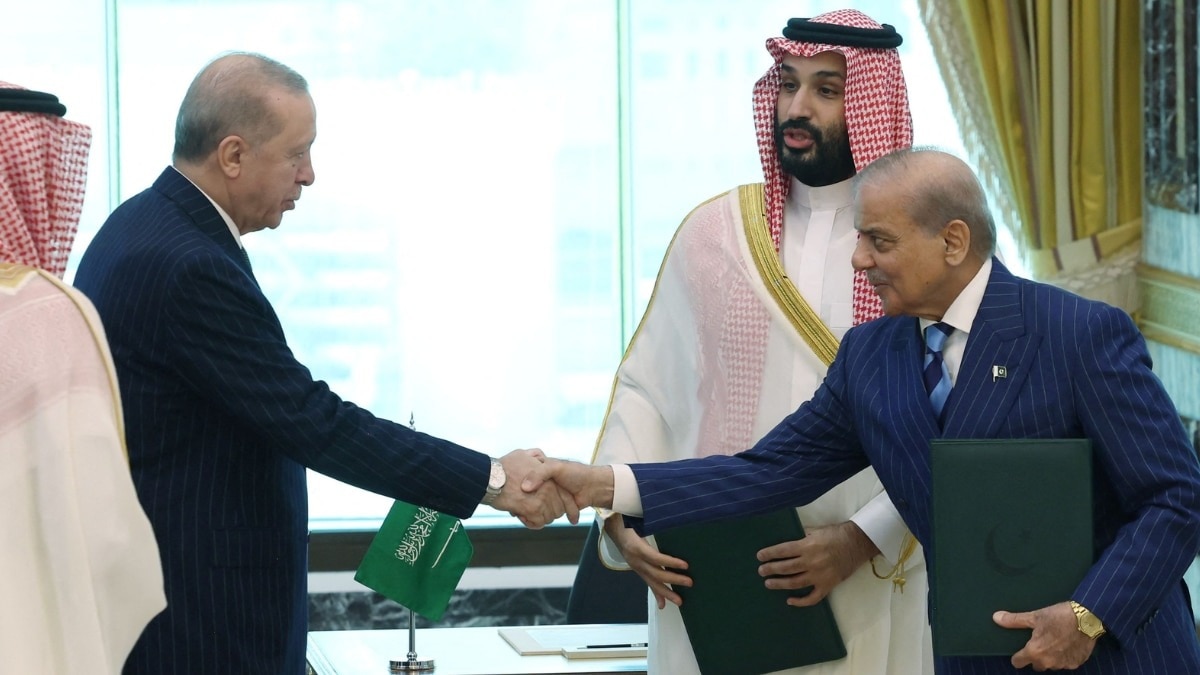
Saudi Arabia, Turkey, Pakistan Sign NATO-Like Defense Pact in Mecca
Pezeshkian accuses US of driving Gulf rift, urges Muslim Brotherhood

Pentagon Weighs Gulf Troop Cuts After Iran War Damage
Iran War Exposes Limits of American Military Power
Six Months Into Iran War, No Winners and Global Costs

Trump Rules Out Iran Talks as Hormuz Standoff Widens

Trump Floats Renaming Strait of Hormuz as ‘Trump Strait’

Chevron Plans $7 Billion Venezuela Expansion Amid U.S. Oil Push

Saudi Arabia Says Iranian Tanker Attack Killed Two Sailors
U.S.-Iran Exchange Escalates Across Middle East, Markets Slide
Trump Aides Seek Quiet Iran War Before Midterm Elections