

2 weeks ago
Pentagon Weighs Gulf Troop Cuts After Iran War Damage

The United States is deciding how to arrange its military forces in West Asia after its war with Iran.
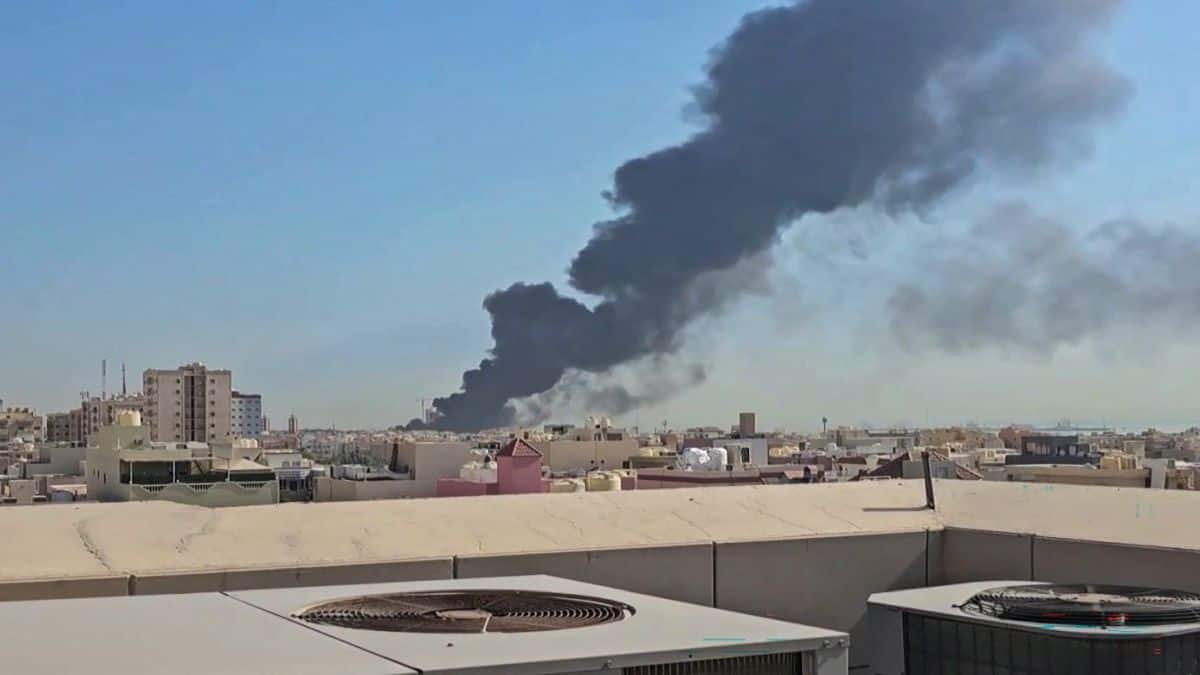
Iranian missiles and drones damaged many American military facilities.
This has made officials wonder whether some bases should be rebuilt exactly as they were.
They are also considering moving some troops away from the Persian Gulf to places farther west.
About 40,000 US troops normally work at nearly 20 locations in the region.
Gulf countries have depended on American forces for protection for many years.
A troop reduction could make it harder for those countries to respond to possible Iranian attacks.
Moving troops would not remove every danger because Iran has shown it can strike distant targets.
The war and repairing the bases could cost tens of billions of dollars.

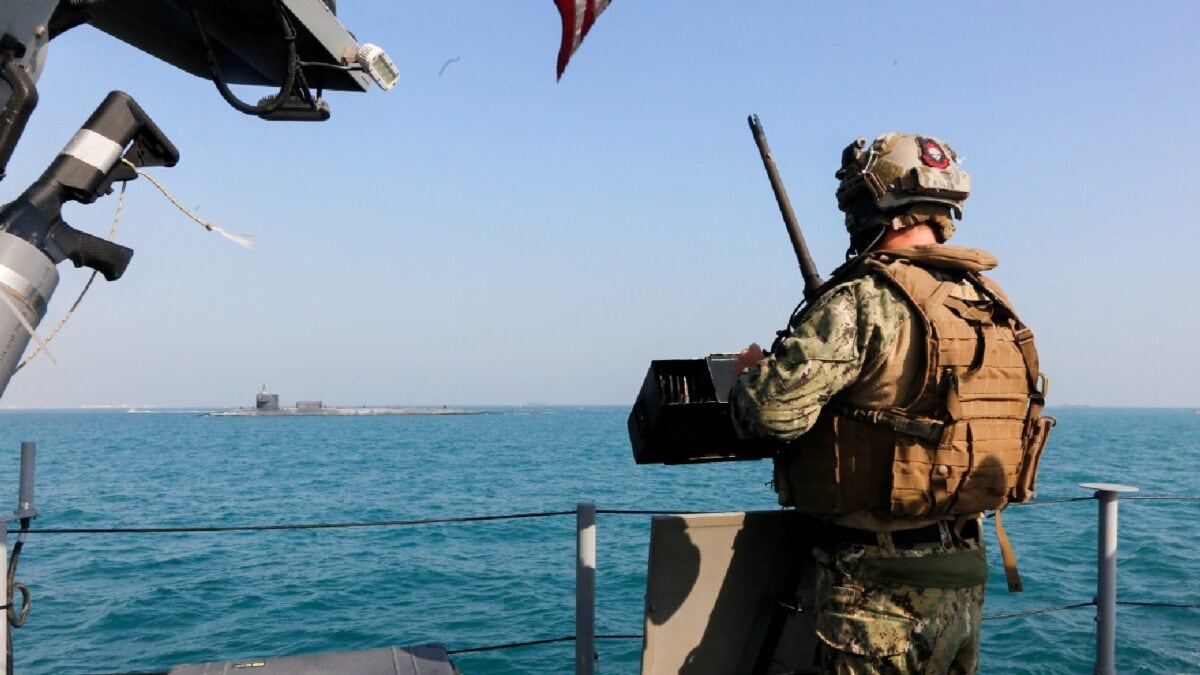
The Pentagon is evaluating whether to reduce or reposition US forces in the Persian Gulf after Iranian attacks damaged American bases.
The early-stage assessment is led by the Pentagon policy office, with input from the Joint Staff and US Central Command; no formal review has been ordered.
US Central Command normally stations about 40,000 troops at nearly 20 sites spanning roughly 1,500 miles from Jordan to Oman.
Officials are considering moving some forces westward and deciding whether damaged bases should be rebuilt in their previous form.
The war is estimated to cost $37.5 billion by September, while base-repair estimates range from about $2.2 billion to $5.1 billion.
- Who
- The Pentagon, US Central Command, the Joint Staff, Iran, US troops, and US Gulf allies are involved.
- What
- US officials are assessing whether to reduce or reposition troops and whether to rebuild bases damaged during the Iran war.
- Where
- The review concerns US facilities across West Asia, especially Persian Gulf sites in an area stretching from Jordan to Oman.
- When
- The assessment was reported on August 18, 2026, after months of Iranian attacks and the war.
- Why
- Iranian attacks exposed vulnerabilities at US bases, while security concerns and the cost of rebuilding are shaping the discussion.
Arguments for Pullback or Redesign
Arguments for Maintaining the Presence
Base vulnerability
Arguments for Pullback or Redesign
Iranian strikes showed that Gulf bases can be targeted, supporting consideration of more dispersed forces, redesigned facilities, or a westward shift.
Arguments for Maintaining the Presence
Keeping troops and bases in the region would preserve the US ability to respond to Iran and support existing security commitments.
Gulf ally security
Arguments for Pullback or Redesign
Gulf countries could retain arms sales, intelligence sharing, and other security cooperation even if fewer American troops remain in the region.
Arguments for Maintaining the Presence
A major drawdown could leave Gulf allies less able to defend themselves against Iranian attacks, while developing alternatives could take months or years.
Rebuilding costs
Arguments for Pullback or Redesign
Redesigning or reducing the military footprint could avoid rebuilding every damaged base in its previous form and limit additional expenses.
Arguments for Maintaining the Presence
Rebuilding may be needed to preserve the capabilities provided by the existing network, despite multibillion-dollar costs.
Key facts
- Assessment status
- The effort is at an early stage and has been described by a senior Pentagon official as prudent planning, not a formal review ordered by Defense Secretary Pete Hegseth.
- US troop presence
- About 40,000 US troops are normally stationed at nearly 20 sites across the region.
- Geographic reach
- The sites span roughly 1,500 miles from Jordan to Oman.
- Key bases
- Bahrain hosts the headquarters of the US Fifth Fleet, while Kuwait houses major US Army and Air Force assets.
- Potential repositioning
- Officials are considering moving some troops westward toward locations including Jordan, Israel, or Saudi Arabia's Red Sea coast.
- War cost
- The Pentagon estimates the war will cost about $37.5 billion by the end of September, excluding base reconstruction.
- Reconstruction estimates
- Estimates for repairing or rebuilding damaged installations range from about $2.2 billion to $5.1 billion; one estimate puts comparable repairs at NSA Bahrain at about $400 million.
Quotes
Senior Pentagon official
Unnamed Pentagon staff member cited by the Washington Post
“But you need to be discussing all of those comprehensively and not just the question of the sheer number of troops.”
 thehansindia.com
“The war really did highlight the vulnerability ... of U.S. forces in the region.”
thehansindia.com
Sources
Related news

Iran War Prompts Pentagon Rethink of Gulf Bases

Trump losing Gulf allies as US-Iran war drags on
Iran Warns Gulf States Any US Aid Means War Participation
Iran Weighs European US Targets If Trump Escalates War
Kuwait Fears Ground Invasion As Iran War Escalates
Trump Weighs Limited Strikes to Block Iran’s Hormuz Rebuild

Anant Ambani’s New York Stroll Sparks Viral Support Online

Brad Pitt Reveals He Resumed Drinking After Seven-Year Sobriety

Red Lorry Film Festival 3rd Edition Announced

Bradley Cooper Denies Plastic Surgery Rumors
