

1 hr ago
Supreme Court Tells Centre Not to Halt Delhi Trains
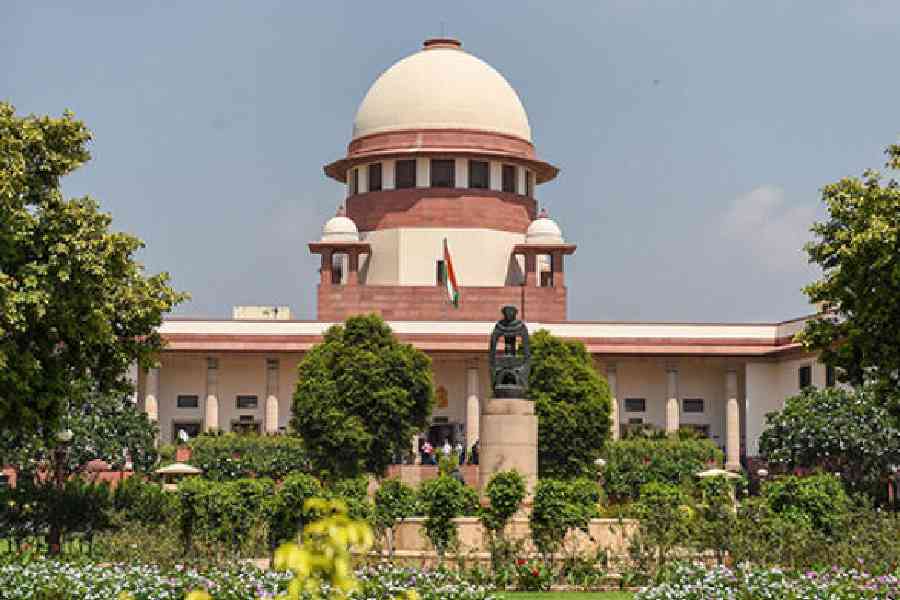
The Supreme Court considered how Delhi should manage trains during a protest planned for Saturday.
The government had issued notices affecting 57 Metro stations and incoming trains.
The court said trains should not be stopped completely.
Instead, the government should regulate services as needed while trying to avoid trouble and inconvenience.
It also said people should be told clearly which trains will run.
Traffic advice should be shared too.
The court said officials should consider places with basic facilities for peaceful protesters.
Delhi Metro, railway authorities and Delhi Police must report back within four days.

The Supreme Court directed the Centre to avoid an outright ban on Metro and railway services in Delhi during Saturday’s protest.
Solicitor-General Tushar Mehta gave an undertaking that rail services would operate in a regulated manner to limit inconvenience.
The court said government circulars closing 57 Metro stations and stopping incoming trains appeared to impose a complete ban on essential transport.
It called for publicised decisions on rail services and traffic advisories to help people travel through the city.
The court suggested identifying suitable sites with basic amenities for peaceful protesters and ordered compliance reports within four days.
- Who
- The Supreme Court, the Centre, Delhi Metro Rail Corporation, railway authorities and Delhi Police; the request was made by lawyers appearing for CPM leader M.A. Baby.
- What
- The court directed that Metro and railway services should not be prohibited outright during the protest and ordered related public advisories and compliance reports.
- Where
- Delhi.
- When
- The directions were issued on Friday, ahead of Saturday’s protest; compliance reports are due within four days.
- Why
- The court said the circulars appeared to impose a complete ban on essential public transportation and stressed avoiding unnecessary inconvenience to residents and the public.
Petitioners’ concerns
Government’s stated approach
Train services during the protest
Petitioners’ concerns
Lawyers for M.A. Baby asked the court to strike down circulars closing 57 Metro stations and stopping incoming trains, arguing that they restricted essential public transport.
Government’s stated approach
The Centre, through Solicitor-General Tushar Mehta, undertook to allow Metro and other rail services to operate in a regulated manner while seeking to prevent trouble.
Key facts
- Court
- Supreme Court bench comprising Chief Justice Surya Kant, Justice Joymalya Bagchi and Justice V. Mohana
- Government undertaking
- Solicitor-General Tushar Mehta said rail services would be permitted in a regulated manner.
- Affected Metro stations
- Government circulars covered 57 Metro stations.
- Public information
- The court called for widely publicised rail-service decisions and a traffic advisory.
- Protest facilities
- The competent authority was asked to consider suitable alternative sites with basic amenities for peaceful and lawful protesters.
- Compliance deadline
- Delhi Metro Rail Corporation, railway authorities and Delhi Police (traffic) must file reports within four days.
Quotes
Chief Justice Surya Kant
Chief Justice of India who spoke during the hearing
“Yes, you need to prevent certain things and trouble. But take measures only to the extent necessary to prevent them. But that does not mean you will use hammer to kill a fly!”
 telegraphindia.com
“It appears that the notifications are overreaching, as they impose a complete ban upon essential public transportation.”
telegraphindia.com
Sources
Related news
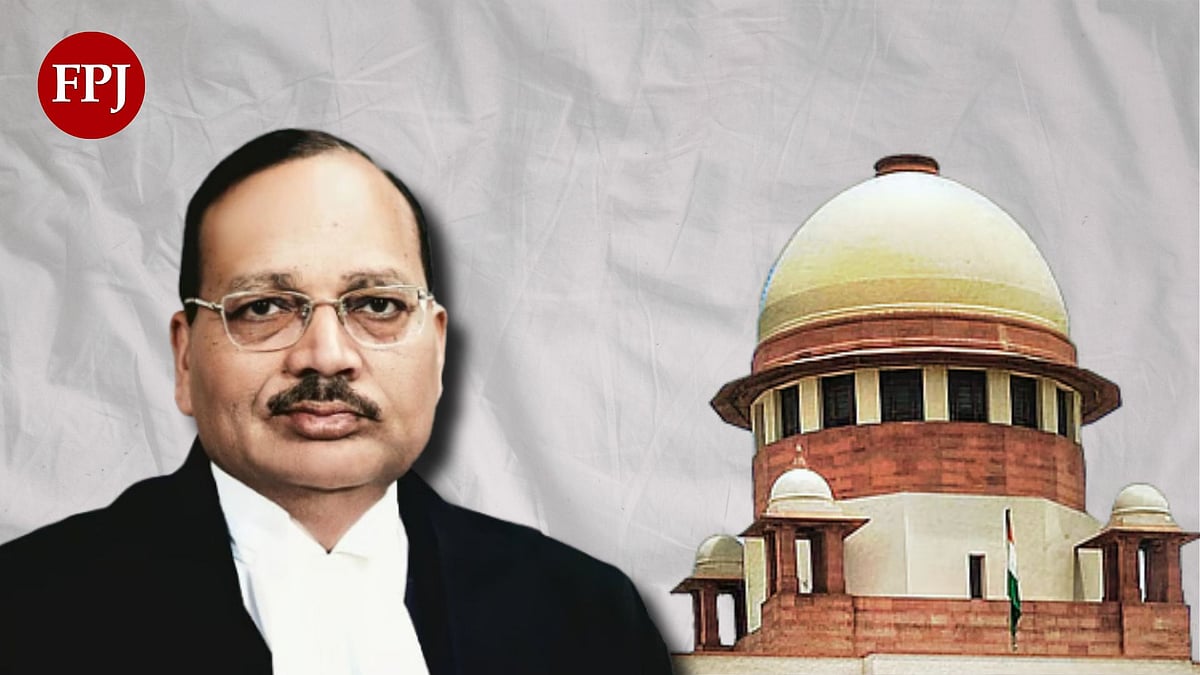
Supreme Court Seeks Regulated Delhi Metro Services Ahead of Protests
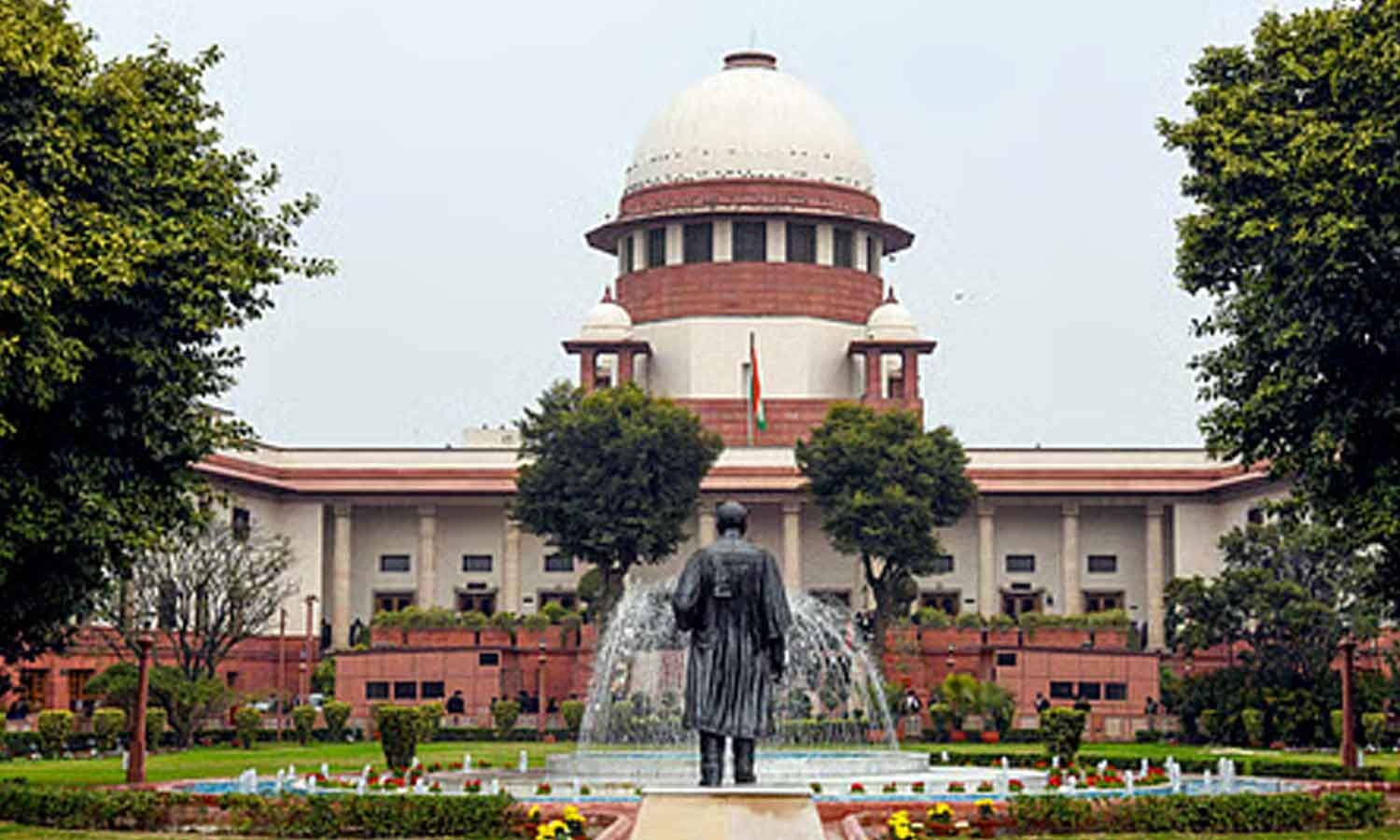
Supreme Court Bars Complete Metro Shutdown Amid Protest
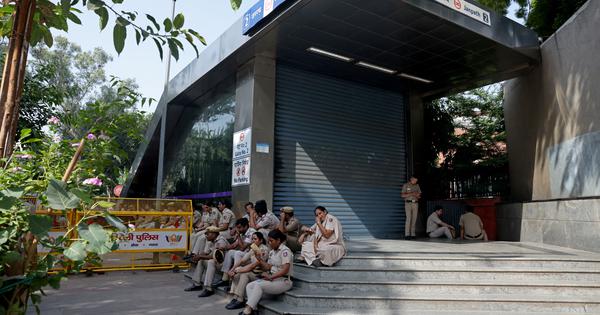
Supreme Court Bars Blanket Delhi Metro Shutdown Ahead of Protest

Supreme Court Asks Centre to Reconsider Metro Closures

Supreme Court Seeks Answers Over 17 Metro Station Closures

Supreme Court Told Closures Could Restrict Delhi Protest Rights
Supreme Court Challenges Delhi Protest Transport Restrictions
