1 week ago
How to Increase Protein Intake Without Losing Dietary Balance
Protein is important, but everyone needs a different amount.
Eating more than your body needs is not always better and can add extra calories.
Try to include some protein at breakfast instead of waiting until dinner.
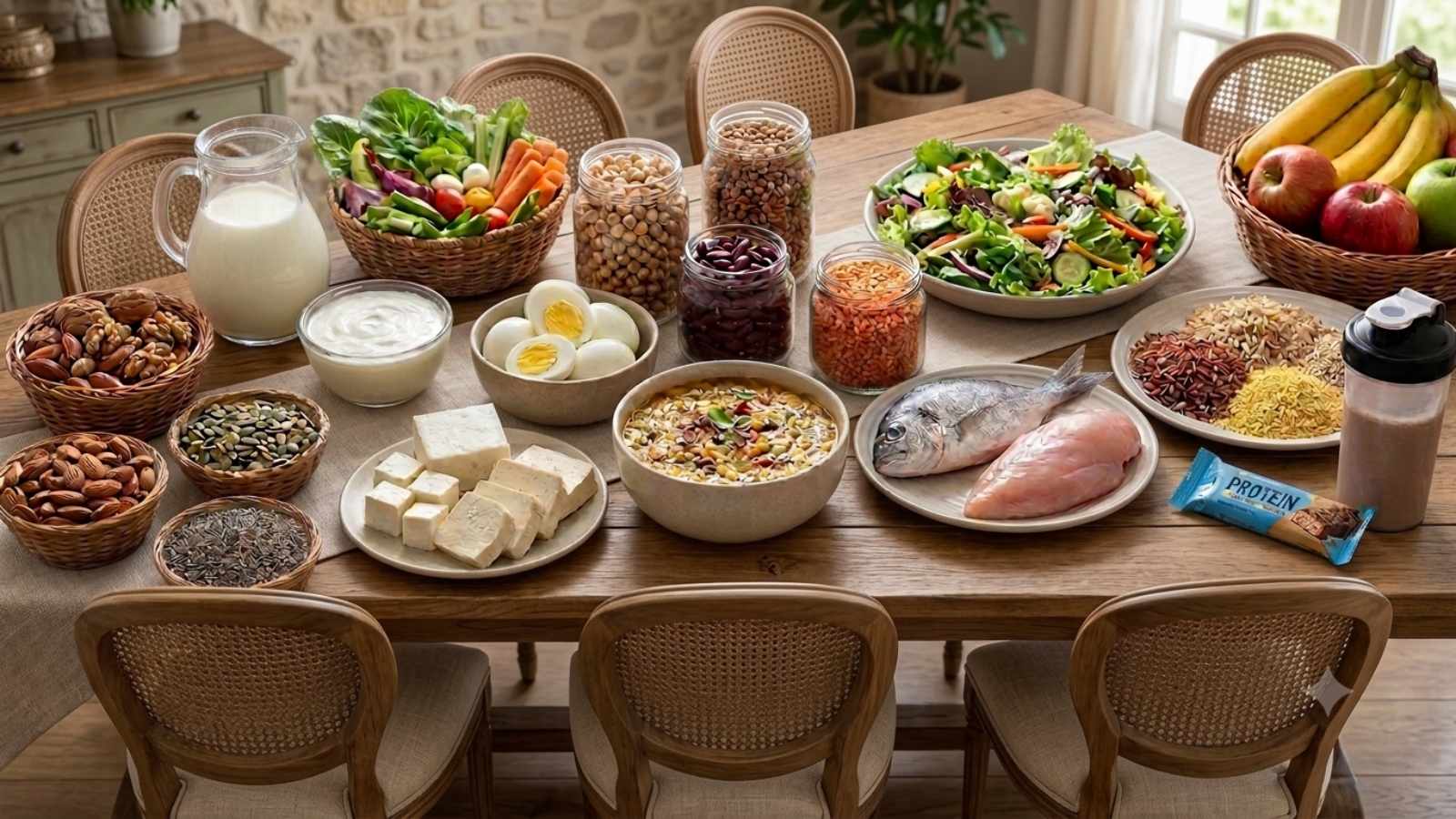
Foods such as dal, beans, tofu, paneer, curd, milk, eggs, fish, poultry, nuts and seeds can provide protein.
Protein bars and shakes can be convenient, but they should not replace a varied diet.
When buying packaged foods, check more than the protein number, including salt, sugar, saturated fat and calories.
Different protein foods provide different mixtures of amino acids, so variety is useful, especially for people eating mostly plant-based foods.
Protein can help muscles, but strength training and recovery are also needed to build or preserve them.

Protein needs vary by age, body weight, sex, activity, health status and nutritional goals.
Eating more protein than needed can add calories without providing extra benefits.
Protein is best distributed across breakfast, lunch, dinner and suitable snacks.
Packaged high-protein foods should also be assessed for sodium, saturated fat, sugar, calories and processing.
Muscle growth requires adequate protein alongside resistance training, sufficient energy and recovery.
- Who
- People trying to increase their protein intake, including active people, older adults and those pursuing muscle or weight-management goals.
- What
- A dietitian outlines nine common mistakes to avoid when trying to meet protein needs.
- Where
- The article discusses everyday eating, including common Indian breakfasts, and identifies the author as a dietitian at Medanta hospital in Gurugram.
- When
- Why
- To help people meet their individual protein requirements without neglecting overall diet quality, calories and food variety.
Key facts
- Basic adult reference intake
- Around 0.8–1 gram of protein per kilogram of body weight per day for a generally healthy adult.
- Healthy older adults
- Some expert groups suggest around 1.0–1.2 grams per kilogram per day.
- Protein distribution
- Including meaningful protein sources across breakfast, lunch, dinner and appropriate snacks may make requirements easier to meet.
- Food quality
- Protein choices should also be assessed for saturated fat, sodium, added sugars, total calories and processing.
- Plant-based diets
- Variety and complementarity among plant protein sources can help improve the overall amino-acid profile.
- Muscle development
- Adequate protein works best alongside resistance or strength training, sufficient energy intake and recovery.
- Supplements
- Protein supplements may be useful when dietary intake is difficult to achieve, but are described as a convenience tool rather than a diet foundation.
Sources
Related news

Dietitian advises balancing daily protein intake amid longevity research
India's Protein Fixation: Fortified Food Trend Raises Nutrition Questions

Fitness Coach Shares Two Protein Rules For Faster Muscle Growth
1 in 2 Indians Eat Protein Daily, Confusion Persists: Report

Nisha Aggarwal Shares Simple 86-Gram High-Protein Daily Diet
Should You Drink Protein Shakes for Maximum Muscle Growth?

Gurgaon CEO’s Sleep Debate Challenges India’s Early-Rising Expectations

Gurugram Fake Call Centre Targeting US Citizens Busted, 11 Arrested

Sheoran And Sharma Share Course-Record Lead At Golconda Masters

POWERGRID AGM Highlights Network Growth and Technology Plans

Delhi-NCR Rain, Thunderstorms Forecast as Air Quality Readings Differ