2 weeks ago
Dietitian advises balancing daily protein intake amid longevity research
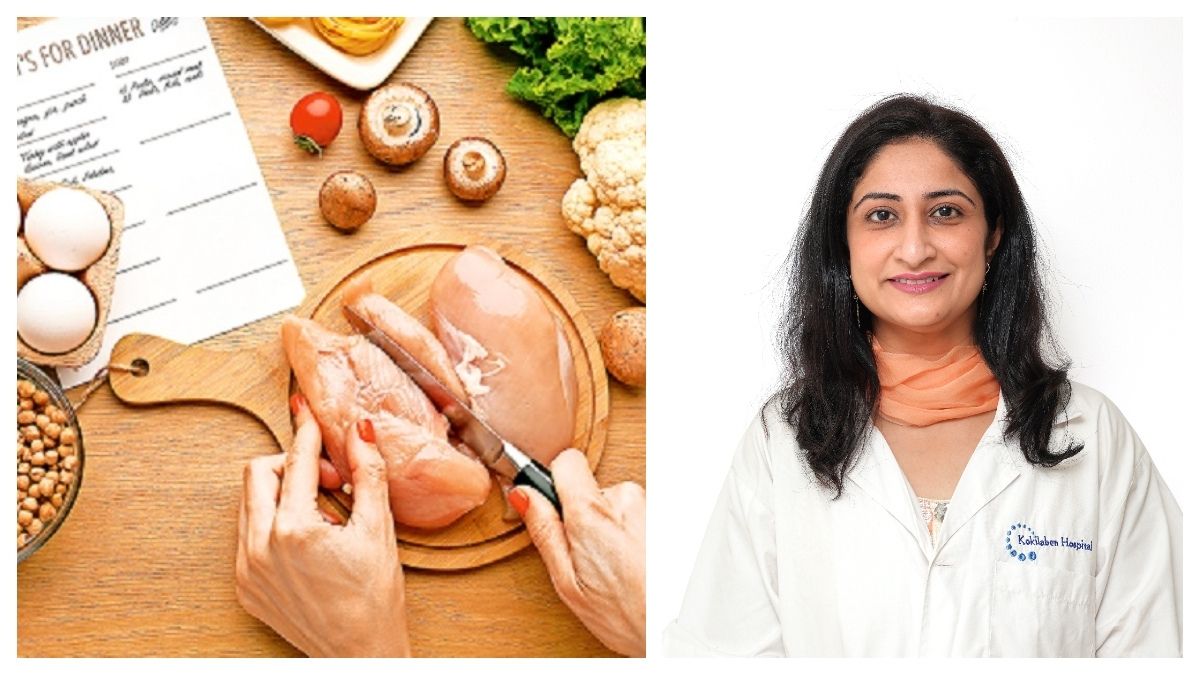
Protein is one of the building blocks your body needs to grow strong and stay healthy.
Some scientists have found that eating less protein might help people live longer.
But many popular diets today tell people to eat lots of protein, which can be confusing.
A diet expert in Mumbai says the answer is balance, not going to extremes.
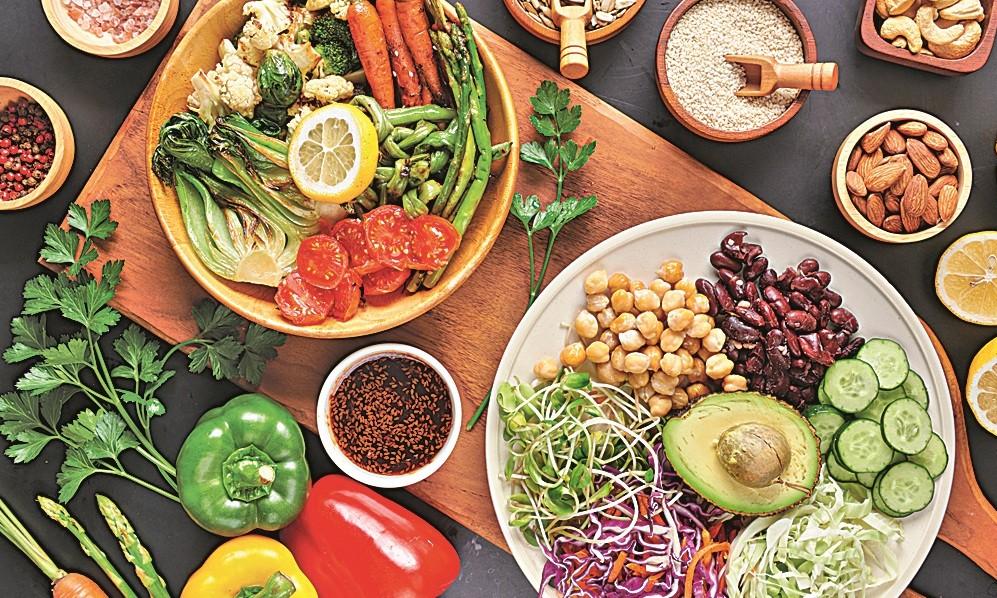
She says a good meal has vegetables, whole grains, healthy fats, fibre, and a source of protein like dal, eggs, or milk.
Everyone needs a different amount of protein, depending on their age and how active they are.
Most healthy grown-ups need about 0.8 to 1 gram of protein for every kilogram of their body weight.
People who play sports, older people, and pregnant women may need more.
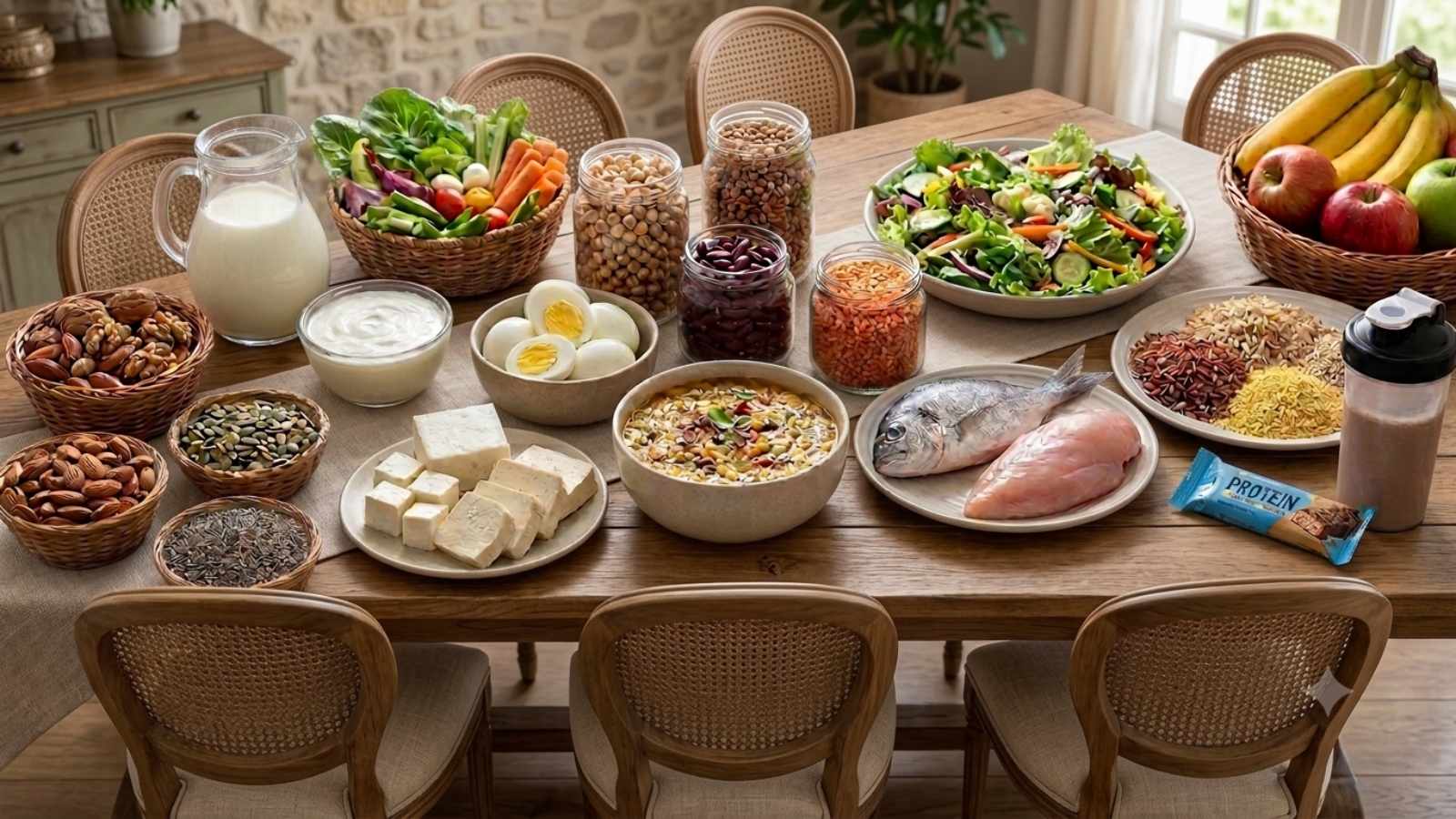
Vegetarians can get enough protein from foods like rajma, moong dal, paneer, curd, nuts, and seeds.
But eating too much protein or too many protein powders can crowd out other healthy foods, so it is best to ask a doctor.

New research links low protein intake with longevity, contrasting with the current fad of high-protein diets.
Bhakti Samant, chief dietician at Kokilaben Dhirubhai Ambani Hospital, Mumbai, says an ideal meal should balance vegetables, whole grains, a protein source, healthy fats, and fibre.
Protein needs vary by individual; around 0.8-1 g per kg body weight per day may suit many healthy adults, with higher needs for older adults and active people.
Traditional Indian meals can be cereal-dominant, but pulses, dairy, soy, nuts, and seeds can help vegetarian diets meet protein needs.
Very high protein intake may displace fibre-rich foods, and supplements should be taken based on individual nutritional requirements and medical advice.
- Who
- Bhakti Samant, chief dietician at Kokilaben Dhirubhai Ambani Hospital in Mumbai, who answered common questions about protein intake.
- What
- Guidance on balancing daily protein intake, covering ideal meal composition, individual protein requirements, vegetarian protein sources, and risks of excessive protein or supplements.
- Where
- India — the expert is based in Mumbai and traditional Indian diets are discussed.
- When
- Not specified in the article.
- Why
- Because new research linking low protein intake with longevity conflicts with the popular high-protein diet trend, causing confusion about how much protein people should eat.
Low-protein-for-longevity view
High-protein diet trend
Ideal protein intake
Low-protein-for-longevity view
New research links low protein intake with longevity, so some guidance suggests moderating protein rather than increasing it.
High-protein diet trend
The current fad of high-protein diets encourages large amounts of daily protein, often boosted with powders and supplements.
Role of supplements
Low-protein-for-longevity view
Supplements should not replace a balanced diet and should be taken only based on individual nutritional requirements and medical advice.
High-protein diet trend
Protein powders can be useful when dietary requirements cannot be met through food alone, offering a convenient way to close protein gaps.
Key facts
- Recommended daily intake
- 0.8-1 g per kg body weight per day for many healthy adults
- Ideal meal components
- Vegetables, whole grains or complex carbohydrates, a protein source, healthy fats, and fibre
- Protein sources
- Dal, beans, dairy, eggs, fish, or lean meat
- Vegetarian protein sources
- Moong, masoor, chana, rajma, soy, tofu, paneer, curd, milk, sprouts, nuts, and seeds
- Groups needing more protein
- Older adults, pregnant women, physically active individuals, and those recovering from illness, surgery, or injury
- Groups needing restrictions
- People with certain kidney conditions, who require medically supervised protein intake
- Research finding
- Low protein intake linked with longevity
- Expert quoted
- Bhakti Samant, chief dietician, Kokilaben Dhirubhai Ambani Hospital, Mumbai
Sources
Related news
How to Increase Protein Intake Without Losing Dietary Balance
India's Protein Fixation: Fortified Food Trend Raises Nutrition Questions
Nisha Aggarwal Shares Simple 86-Gram High-Protein Daily Diet
1 in 2 Indians Eat Protein Daily, Confusion Persists: Report
Protein Timing Matters, But Daily Intake Matters More

Tukaram Mundhe Warns Indians About Food Safety Risks
India to Host Inaugural Women's Champions Trophy in 2027

Aviation Ministry Plans Automated Airport Building Clearance System
Mumbai GSB Seva Mandal Announces Rs 703.27 Crore Ganeshotsav Cover

Inside Orry’s Mumbai Home With Six-Kilo Jacket and Luxury Bag