1 hr ago
Indian Companies Favor Volumes as Wholesale Inflation Outpaces Retail Prices
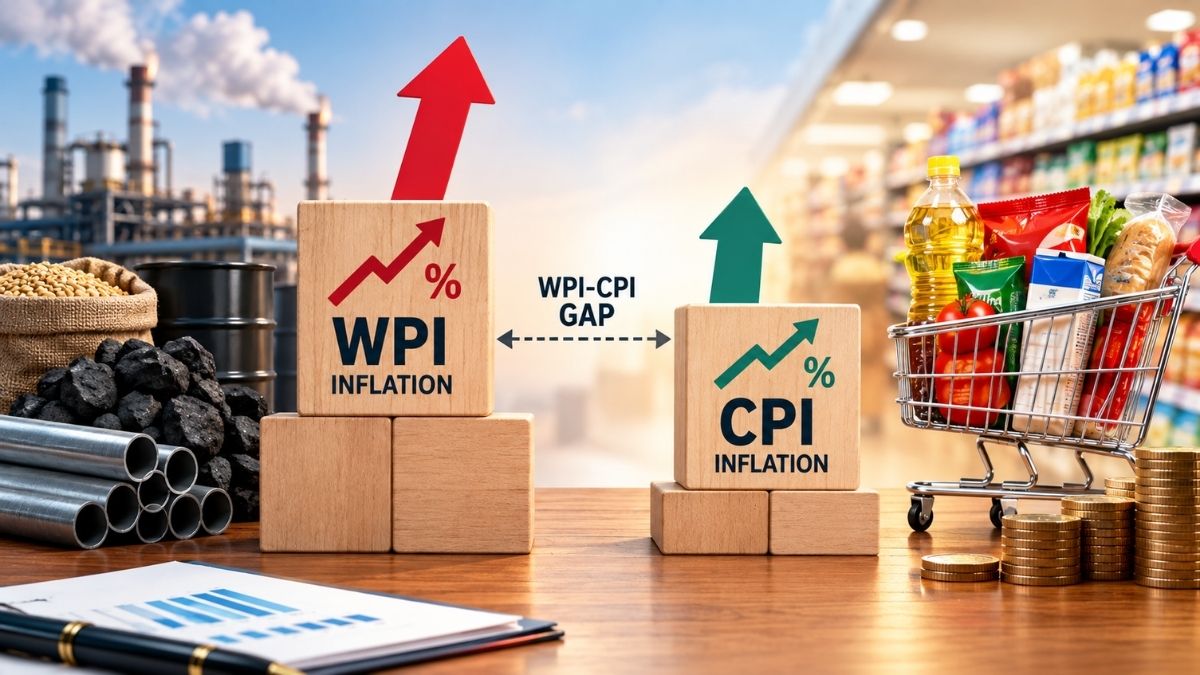
Factories and businesses are paying much more for materials than before.
However, shoppers have not yet seen the same-sized increase in prices.
Wholesale prices rose 9.92% in August, while retail prices rose 4.82%.
Many companies are choosing to absorb some costs instead of raising prices sharply.
They want people to keep buying their products.
Some companies, including FMCG makers and car manufacturers, have raised prices a little.
Products such as air conditioners, restaurant meals, phones and laptops have seen larger increases.
Experts say prices could rise more after supplier contracts are renewed.
Companies may also earn less money because their costs are rising faster than their selling prices.

Wholesale price inflation reached 9.92% in August, compared with 4.82% retail inflation.
Companies are absorbing some higher energy, commodity and input costs to protect sales volumes.
FMCG companies such as Hindustan Unilever and Dabur have implemented selective price increases.
Automakers including Tata Motors, Mahindra, Maruti Suzuki and Hyundai Motor India have raised prices to partly offset costs.
Economists expect the WPI-CPI gap to remain wide, with margins vulnerable as delayed pass-through increases.
- Who
- Indian manufacturers, consumer companies, automakers, economists and consumers.
- What
- Companies are limiting and delaying price increases as wholesale inflation remains far above retail inflation.
- Where
- India.
- When
- The figures concern August, with price actions reported during 2026 and expectations covering FY27 and the next two quarters.
- Why
- Companies are trying to protect demand and market share while managing higher energy, commodity and other input costs.
Protect Volumes
Pass Through Costs
Consumer pricing
Protect Volumes
Companies are using measured price increases and absorbing part of their higher costs to avoid weakening demand and market share.
Pass Through Costs
Persistent input-cost inflation is increasing the need for companies to raise consumer prices, particularly after supplier contracts are renegotiated.
Profit margins
Protect Volumes
Keeping prices lower can preserve sales momentum, especially in FMCG and automobiles, where demand has recently improved.
Pass Through Costs
Absorbing costs has already contributed to weaker profitability, and CRISIL said corporate margins could remain vulnerable.
Where price increases are strongest
Protect Volumes
FMCG companies and automakers are generally using partial or calibrated increases while emphasizing volume growth.
Pass Through Costs
Restaurants, hotels, air conditioners, mobile phones, laptops, electronic goods, tyres and tubes have seen sharper price increases because of sector-specific cost pressures.
Key facts
- August WPI inflation
- 9.92%
- August CPI inflation
- 4.82%
- Core WPI inflation
- 8.1% in August
- FMCG pricing
- Hindustan Unilever passed on 2-5% price increases in the June quarter; Dabur implemented a 4% increase.
- Air-conditioner prices
- Prices rose 12-13% between January and June, partly because of energy-rating changes and input costs.
- Corporate profitability
- CRISIL said profitability declined by 75-100 basis points year-on-year in the first quarter of FY27.
- Economic outlook
- Economists expect CPI inflation to average about 5% in FY27 and wholesale inflation to remain around 9-10%.
Quotes
Saugata Gupta
Managing director and chief executive officer of Marico
“During periods of supply chain uncertainty, larger players also tend to be better positioned than smaller competitors.”
 financialexpress.com
“We will continue to take calibrated pricing into the (September) quarter, depending on how inflation pans out.”
financialexpress.com

Mohit Malhotra
Global chief executive officer of Dabur
“Revenue growth this year (FY27) will be a mix of volume and price. We don’t want to compromise our volume market share. We will be driving volumes through rural markets, premiumisation, e-commerce and modern trade.”
financialexpress.com
Sources
Related news

Wholesale Inflation Nears Double Digits on Energy, Food Costs
India’s Wholesale Inflation Reaches 9.92% on Food and Fuel

India’s Retail and Wholesale Inflation Rise in August
India’s August Wholesale Inflation Nears 10% on Fuel, Food

Tata, Hyundai Raise Car Prices as Industry Costs Mount

HUL Bets on Premium Products as FMCG Demand Remains Resilient

India Passenger Vehicle Exports Fall Despite Record August Domestic Dispatches

Ram Temple Firms Asked For Guarantees As Final Payments Begin

Tata Stocks Rally After RBI Rejects Tata Sons’ Private Bid
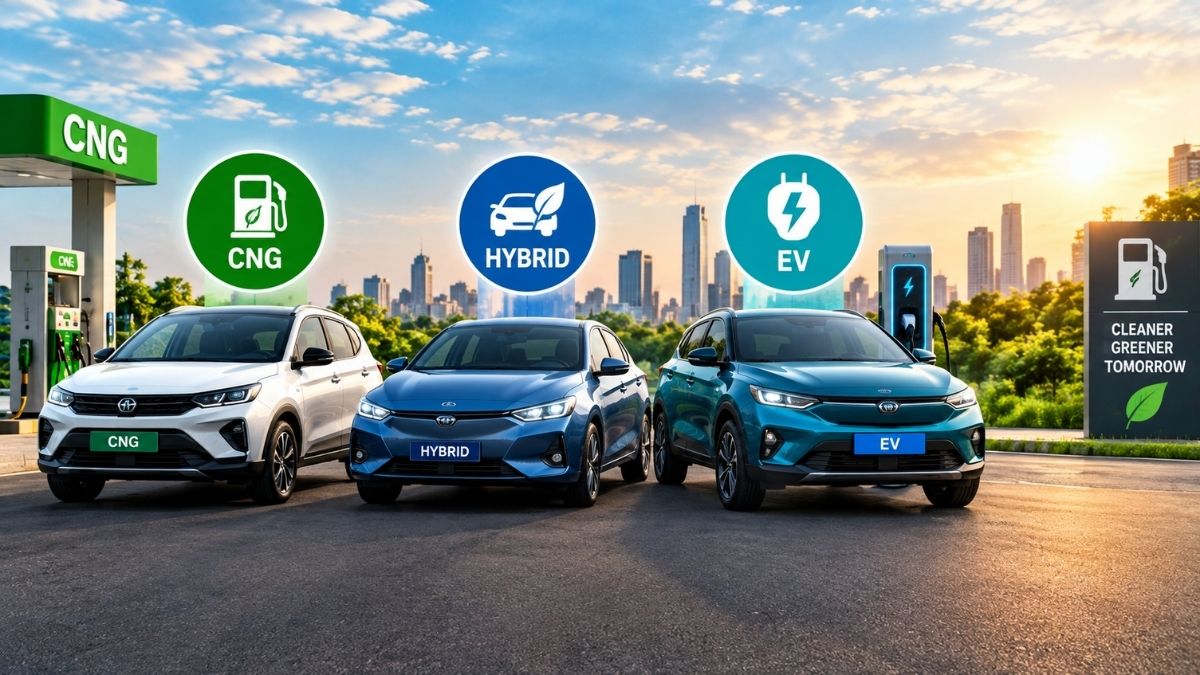
Alternative-Fuel Vehicles Overtake Petrol in India’s Passenger Car Sales