

1 week ago
Tata, Hyundai Raise Car Prices as Industry Costs Mount

Several car companies are making their vehicles more expensive.
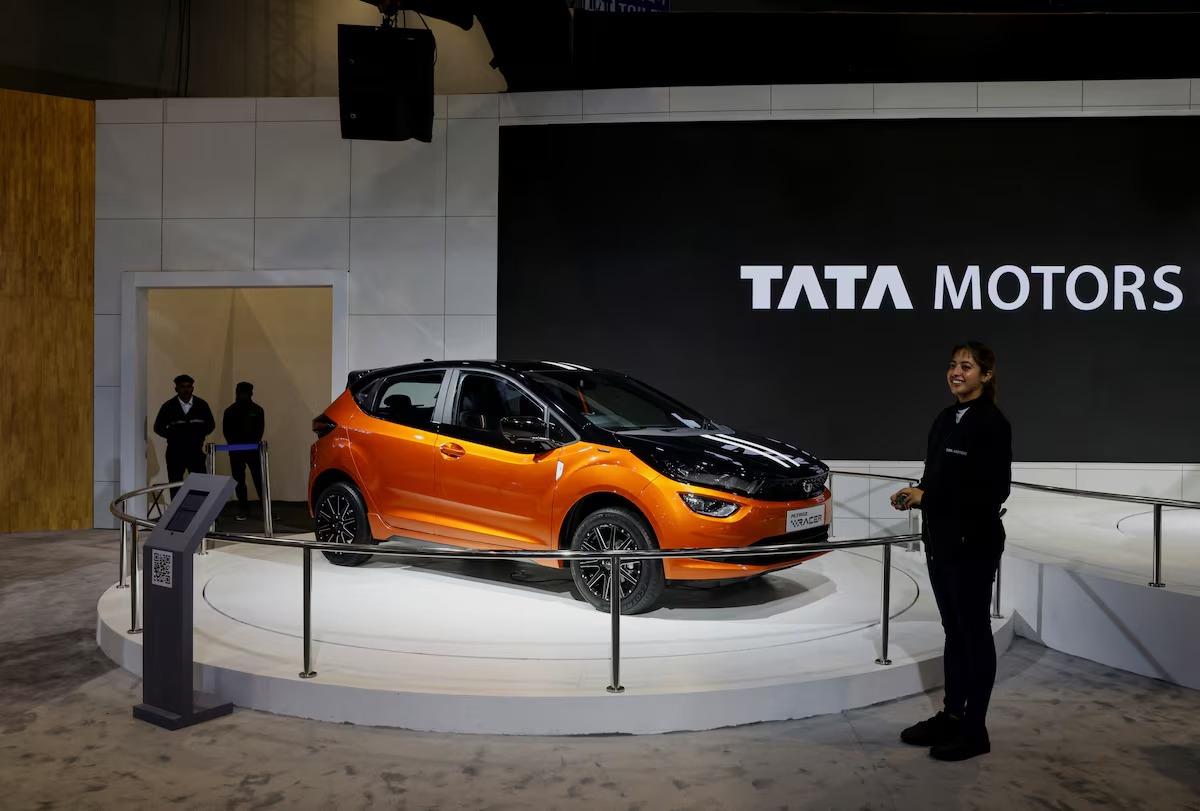
Tata Motors Passenger Vehicles Ltd will increase prices by up to Rs 25,000 starting September 1, 2026.
The increase applies to both petrol and diesel vehicles and electric vehicles.
Hyundai Motor India will raise prices by up to 1% in September.
Maruti Suzuki has also raised prices on many of its models.
The companies say materials, batteries, operations and other costs have become more expensive.
They say they are paying for some of these increases themselves but must pass part of them to buyers.
Tata sold many more passenger vehicles and electric vehicles, but its profit margins still became smaller.
Other carmakers may also increase prices as cost pressures continue.

Tata Motors Passenger Vehicles Ltd will raise prices by up to Rs 25,000 from September 1, 2026.
The Tata increase covers its entire passenger-vehicle portfolio, including internal-combustion and electric vehicles, with variations by model and variant.
Hyundai Motor India will raise prices by up to 1% across its range in September.
Maruti Suzuki raised prices across its Arena and Nexa models, with increases ranging from Rs 2,500 to Rs 30,000.
Automakers cited higher input, commodity and operating costs, inflation, supply-chain disruptions and broader economic uncertainties.
- Who
- Tata Motors Passenger Vehicles Ltd, Hyundai Motor India and Maruti Suzuki.
- What
- The automakers are raising or have raised prices across passenger-vehicle models.
- Where
- Across the companies' passenger-vehicle ranges in India.
- When
- Tata's increase begins September 1, 2026; Hyundai's applies in September; Maruti announced its increase in July and applied increases from August.
- Why
- To partially offset higher input, commodity and operating costs, inflation, supply-chain disruptions, foreign-exchange losses and geopolitical and macroeconomic uncertainties.
Key facts
- Tata price increase
- Up to Rs 25,000 from September 1, 2026, across internal-combustion and electric passenger vehicles.
- Hyundai price increase
- Up to 1% across its portfolio in September.
- Maruti Suzuki price increase
- Rs 2,500 to Rs 30,000 across Arena and Nexa models, depending on model and variant.
- Tata domestic passenger-vehicle volumes
- Rose 46% in Q1 FY27.
- Tata electric-vehicle sales
- More than doubled in Q1 FY27.
- Tata EBITDA margin
- Contracted to 7.4% amid higher raw-material costs, foreign-exchange losses and supply-chain disruptions.
- Battery-cell costs
- Rose around 10% quarter-on-quarter, according to the report.
- Reported Tata profit figures
- One report cited net profit of Rs 859 crore in Q1FY27, while another reported profit for the period of Rs 2,556 crore; the articles do not reconcile the difference.
Sources

Related news

Tata Motors to Raise Vehicle Prices Up to ₹25,000
Tata Motors To Raise Car, SUV Prices From September

Tata Motors Raises ICE and EV Prices From September 1

Hyundai Motor India Announces Up To 1% September Price Hike
Tata Motors weighs more price hikes amid commodity pressure

Tata Motors Price Hike Affects Cars, SUVs From September

Auto Industry Urges Shift From Make to Create in India

Brokerages Favor Indian Auto Stocks as Truck Sales Surge

Hyundai Executive Urges India to Cut Auto Component Trade Deficit

Auto stocks plunge despite strong August sales and demand outlook
India Passenger Vehicle Dispatches Reach Record August High
