3 weeks ago
Iran bets on Strait of Hormuz leverage to outlast US
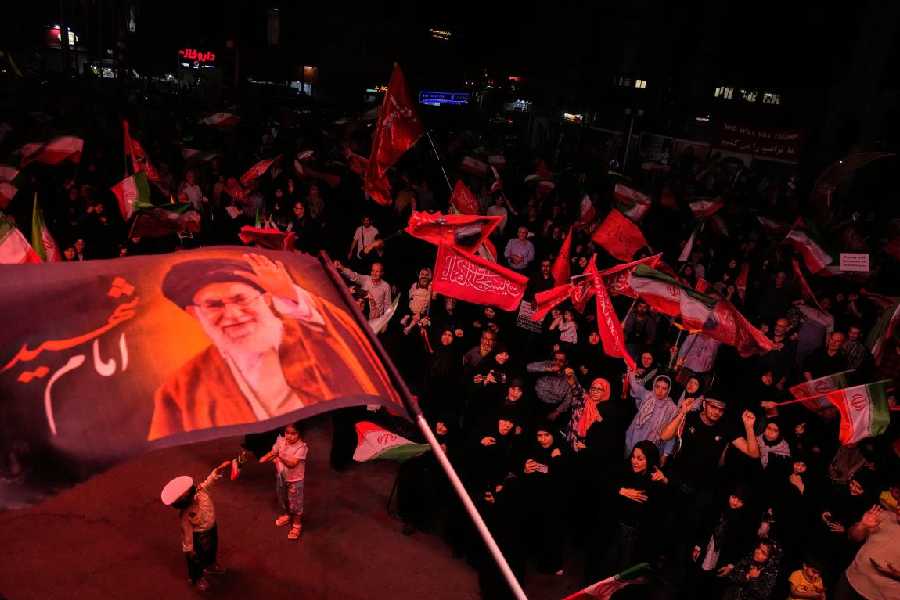
Iran and the United States are in a big fight called a war.
Iran is in charge of a very important sea passage called the Strait of Hormuz.
Lots of the world's oil and gas travels through this waterway.
Iran thinks that if it keeps the strait mostly closed, gas prices will stay high and the US will give up.
Iran also thinks time is on its side, so it just needs to wait.
But Iran has big problems too - its economy is hurt, food costs a lot, and its people protested.
The fight started in February, when US and Israeli strikes killed Iran's top leader.
Some Iranian leaders want to make a deal, but others want to defeat the US completely.
Nobody knows yet who will win this risky game.

Iran is betting that military pressure will force the United States to accept its control over the Strait of Hormuz, the key waterway for global energy.
Iran believes time is on its side, citing depleted US weapon stockpiles, the war's unpopularity with Americans, and high gas prices ahead of November congressional elections.
Iran says it is close to reaching a deal with Oman to manage the strait, conditioned on the US lifting its blockade.
The strategy carries risks: Iran's economy is battered by a US blockade, with triple-digit food inflation and mass anti-government protests in December.
A surprise Iranian attack on Jordan in July contributed to the collapse of a June interim agreement, and Iran says it seeks 'the enemy's defeat - not an agreement.'
- Who
- Iran's leadership, including President Masoud Pezeshkian and advisers close to its chief negotiator, and US President Donald Trump.
- What
- Iran is using control of the Strait of Hormuz as leverage to force the US to accept its terms, saying the strait will not go back to being an open waterway.
- Where
- The Strait of Hormuz, between Iran and Oman in the Persian Gulf, with related tensions involving Yemen, Jordan, and Israel.
- When
- The war began with US and Israeli airstrikes on February 28; the current situation is discussed ahead of November US congressional elections.
- Why
- Iran believes time is on its side and that military and economic pressure will force the US to accept its management of the crucial global energy waterway.
Iran's Perspective
US and International Perspective
Control of the Strait of Hormuz
Iran's Perspective
Control of the strait is legitimate leverage to guarantee Iran's security, maintain the regional balance of power, and reshape Persian Gulf security rules.
US and International Perspective
Closing the strait violates global norms on freedom of navigation and sets a disturbing precedent that nations can shut down trade choke points at will; China has said normal passage should be restored.
War Strategy
Iran's Perspective
Time is on Iran's side; the US will eventually capitulate due to depleted weapon stockpiles, an unpopular war, and high gas prices before November elections.
US and International Perspective
US strikes have decimated Iran's top leadership, navy and air force, and Iran's battered economy could trigger renewed internal unrest.
Endgame: Deal or Defeat
Iran's Perspective
Hardliners including adviser Mahdi Mohammadi say Iran is going after 'the enemy's defeat - not an agreement' and always decides when the war ends.
US and International Perspective
Moderates including Mohammad Javad Zarif and US officials favor a deal; Zarif warns that without one, economic recovery will be difficult and internal unrest or renewed aggression cannot be ruled out.
Key facts
- Key waterway
- Strait of Hormuz carried a fifth of the world's traded oil and gas before the war
- Iran's strategy
- Keep the strait under Iranian control as a 'strategic lever for deterrence' and an 'unbreakable red line'
- War start
- US and Israeli airstrikes on February 28 killed Iran's supreme leader and other top officials
- Iran's demand
- US must lift its blockade; a deal with Oman to manage the strait is conditioned on this
- Economic toll
- Triple-digit food inflation; US blockade has choked off much of Iran's oil exports
- December protests
- Currency crisis sparked some of the biggest anti-government protests in the 47-year history of the Islamic Republic
- Collapsed agreement
- June interim agreement collapsed after a surprise Iranian attack on Jordan in July
Quotes
Rahman Ghahremanpour
Iran-based analyst
“For Iran, the Strait of Hormuz has become a strategic lever for deterrence, maintaining the regional balance of power, and reshaping the security rules in the Persian Gulf.”
 telegraphindia.com
“More than revenue from the strait, Iran wants to confirm its management and sovereignty over the strait.”
telegraphindia.com
Sources
Related news
Trump's low-key Iran strategy carries high global economic cost
Trump: Iran Hormuz deal could come within days

Trump faces Iran war dilemma with no easy exit
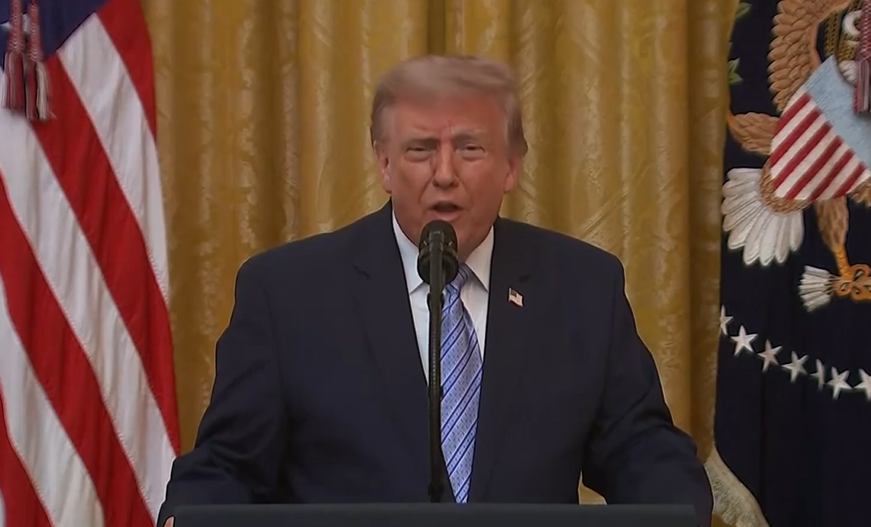
Trump Weighs Iran Compromise as Strait of Hormuz Deal Nears
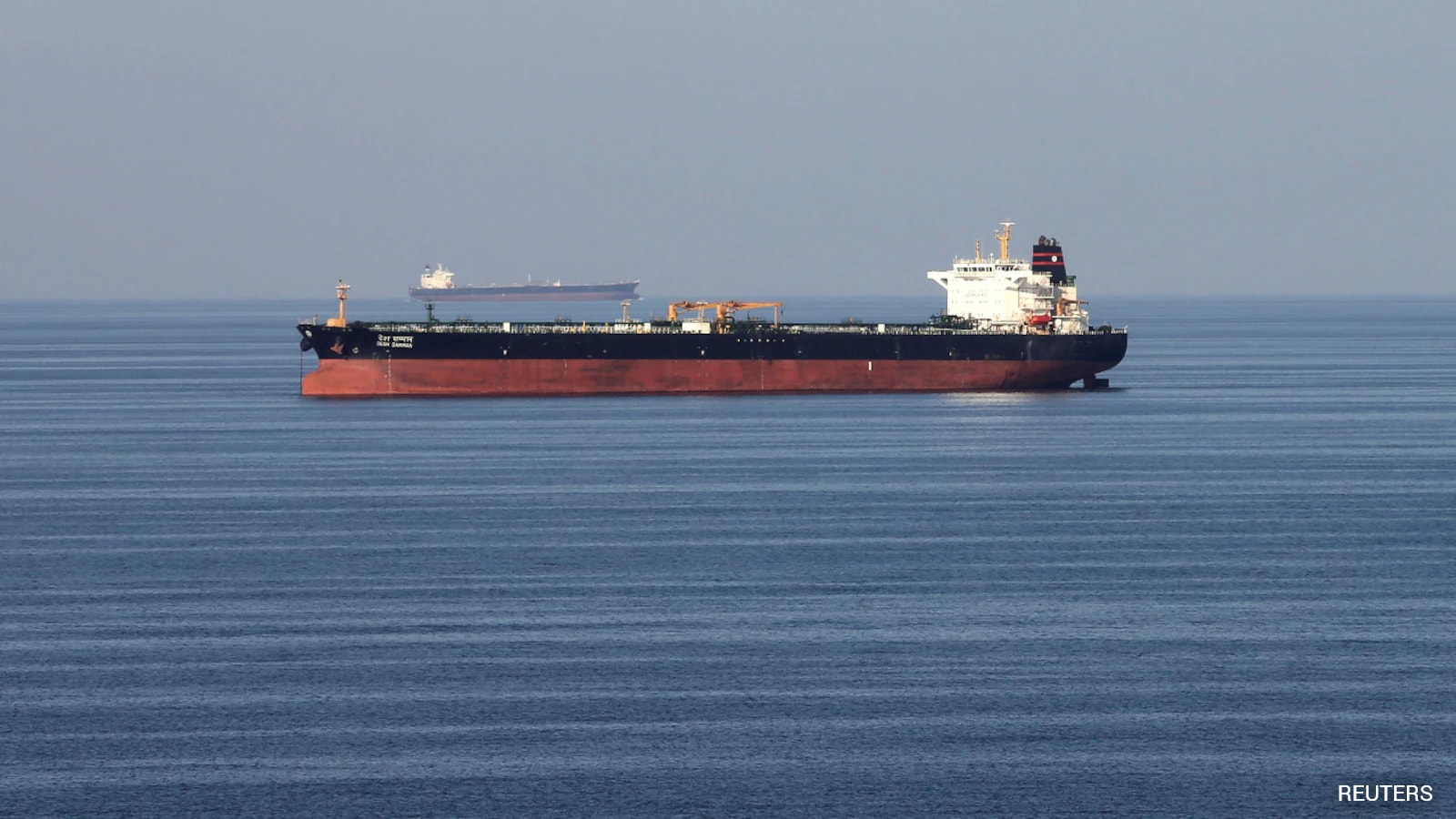
US threatens indefinite blockade of Iran as Hormuz talks stall
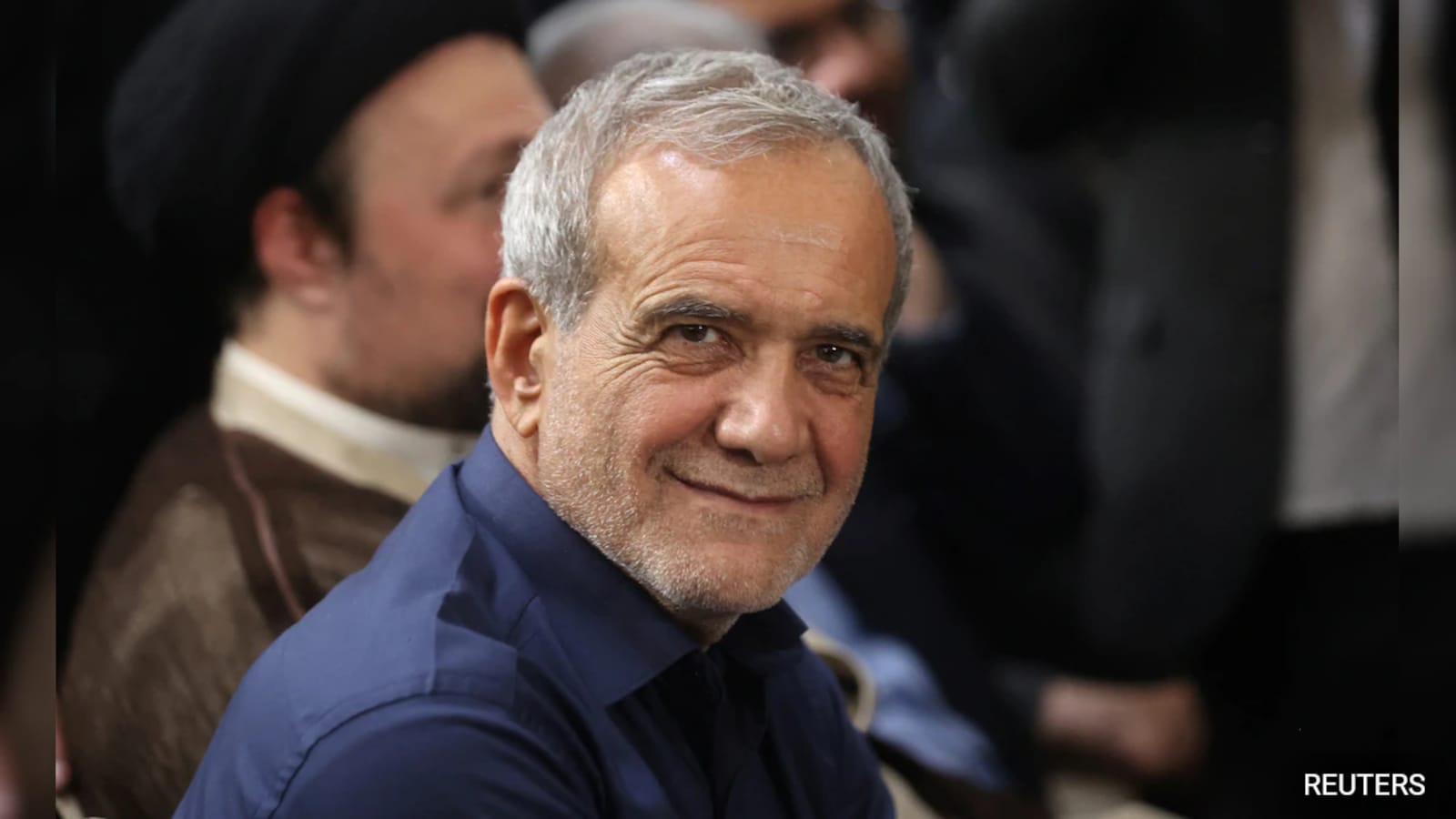
Iran Rejects US Economic Pressure Amid Strait Tensions

Iran Seizes Fuel-Smuggling Vessel in Gulf, Arrests 11 Crew
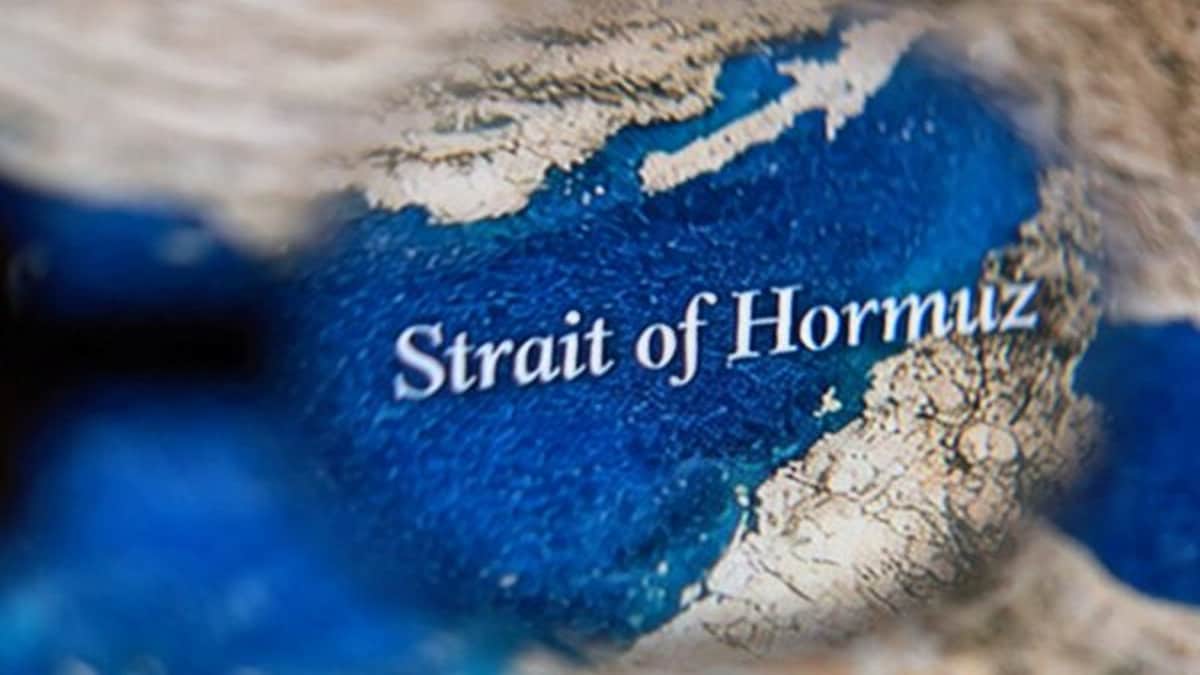
Trump Floats Renaming Strait of Hormuz as “Trump Strait”

Chevron Plans $7 Billion Venezuela Expansion Amid U.S. Oil Push
Saudi Tanker Hit in Hormuz, Killing Two Filipino Sailors
U.S.-Iran Exchange Escalates Across Middle East, Markets Slide