3 weeks ago
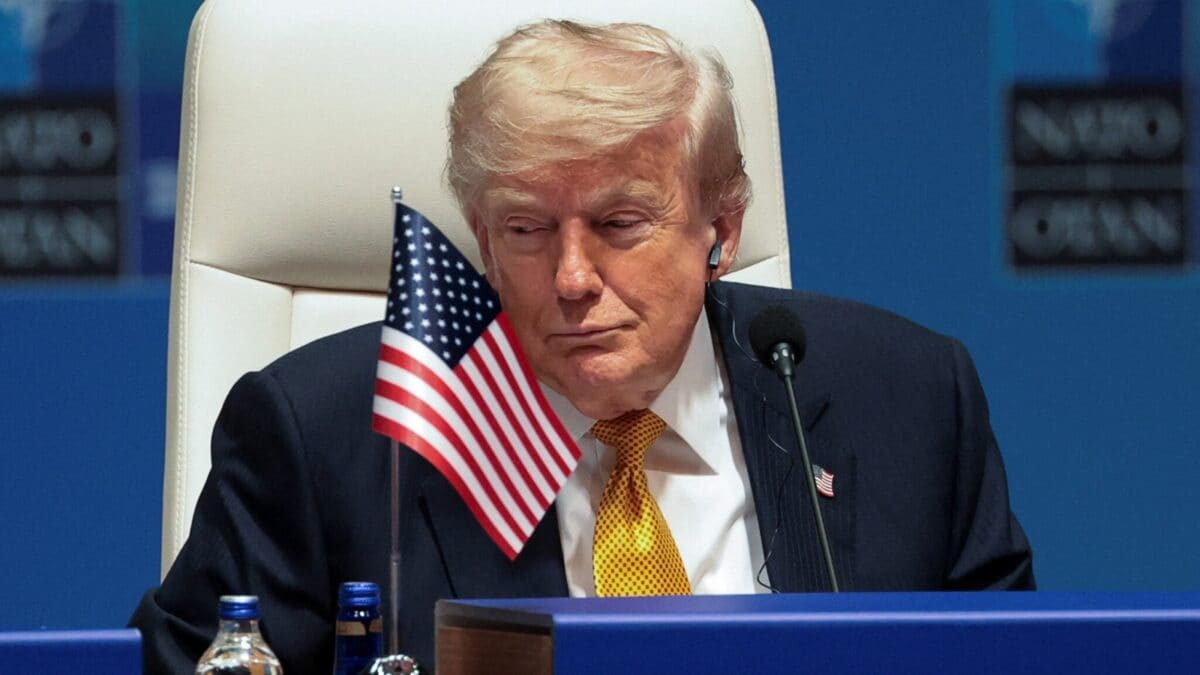
Trump faces Iran war dilemma with no easy exit

The United States and Iran are in a war.
President Trump thought the war would be over very quickly, but it has now lasted six months.
Iran is blocking a very important waterway called the Strait of Hormuz, where many ships carry oil.
Trump wants ships to sail through freely again.
He could make a deal that gives Iran some control over the waterway.
Or he could attack Iran again with more bombs.
But more attacks might make the war worse and last longer.
Many Americans are unhappy with the war, and gas prices are high.
Trump also has important elections coming up in November.
He has to pick from options that all have problems.

The U.S. war against Iran is in its sixth month, though Trump initially said it would last just weeks and predicted it would be over by mid-April.
Trump faces three options: an Iran-Oman deal giving Tehran control over the Strait of Hormuz, fresh airstrikes, or maintaining the blockade-based status quo.
Iran has held a near-chokehold on about a fifth of global oil and liquefied natural gas shipments through the strait since the war began.
Trump says a deal to reopen the waterway is imminent, but Iranian officials say details remain unresolved; he cancelled planned large-scale attacks after Middle Eastern partners urged another diplomatic chance.
U.S. officials increasingly expect the conflict to continue into November's midterm elections, adding political risk for Trump.
- Who
- U.S. President Donald Trump and his administration, facing Iran, with Oman involved in negotiating an interim deal.
- What
- The U.S.-Iran war, now in its sixth month, with Trump stuck between accepting an Iran-Oman deal over the Strait of Hormuz, escalating airstrikes, or keeping the status quo.
- Where
- The United States, Iran, Oman and the Strait of Hormuz, where Iran has choked shipping since the war began.
- When
- Reported August 6; the war began with U.S. and Israeli attacks on February 28, and November's midterm elections loom, with early voting in some states starting in September.
- Why
- Trump wants to exit an unpopular war and reopen the strait ahead of the midterms, while the administration seeks talks focused on Iran's nuclear program.
Analysts and Critics
Trump Administration
Progress in the war
Analysts and Critics
Most analysts say Trump has been stymied on his main war goals; the earlier bombing failed to bring Tehran to its knees and the conflict is 'a menu of bad options.'
Trump Administration
Trump regularly claims victory, citing the killing of many of Iran's leaders and degraded Iranian military capabilities.
Strait of Hormuz control
Analysts and Critics
Analysts say an Iran-Oman deal would give Iran its biggest concession since the war began and formalize its supervision of the vital oil-shipping conduit.
Trump Administration
The administration insists the strait must remain an open international waterway, not controlled by Iran and free of tolls or fees.
Political constraints
Analysts and Critics
Analysts say with high gasoline prices, low approval ratings and an unpopular war, Trump's room to maneuver is limited and he may end up making the biggest compromises.
Trump Administration
A U.S. official said Trump's decisions on Iran are not guided by 'fluid opinion polls.'
Key facts
- War duration
- Six months; began with U.S.-Israel attack on February 28
- Trump's original forecast
- War 'would last just weeks,' over by mid-April
- Strait of Hormuz
- Carries about a fifth of global oil and LNG shipments; Iran holds a near-chokehold
- U.S. position
- Secretary of State Marco Rubio: strait must stay open, not controlled by Iran, free of tolls
- Proposed interim deal
- Iran-Oman arrangement giving Tehran some control over ships entering the Gulf
- Previous agreement
- U.S.-Iran memorandum of understanding signed in June quickly unraveled; gave Iran some sanctions relief
- Trump's message
- 'I'd rather make a deal because I don't want to kill people. But at some point we're gonna.' (Las Vegas rally)
- Source
- Reuters analysis by Matt Spetalnick
Quotes

Aaron David Miller
Former Middle East negotiator for Democratic and Republican administrations
“"It’s a menu of bad options but Trump may have come to the realization that he can’t let this war go on endlessly," said Miller, a former Middle East negotiator for U.S. administrations.”
 theprint.in
“"I’d rather make a deal because I don’t want to kill people," he told a rally in Las Vegas. "But at some point we’re gonna."”
theprint.in
Sources
Related news
Trump Weighs Iran Compromise as Strait of Hormuz Deal Nears
Trump Threatens to Bomb Oman, Urges Iran Surrender Over Hormuz
Trump: Iran Hormuz deal could come within days
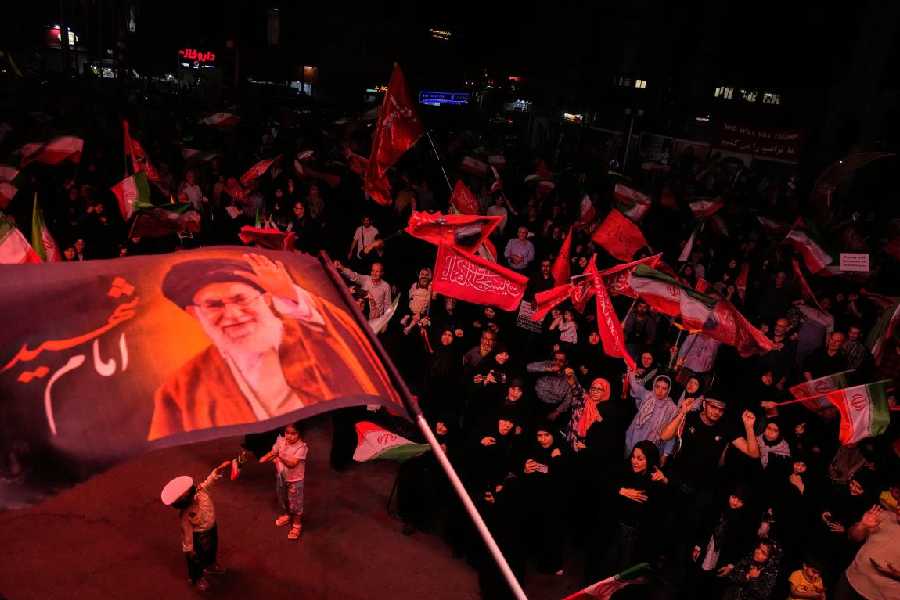
Iran bets on Strait of Hormuz leverage to outlast US

US, Iran near interim deal to reopen Strait of Hormuz
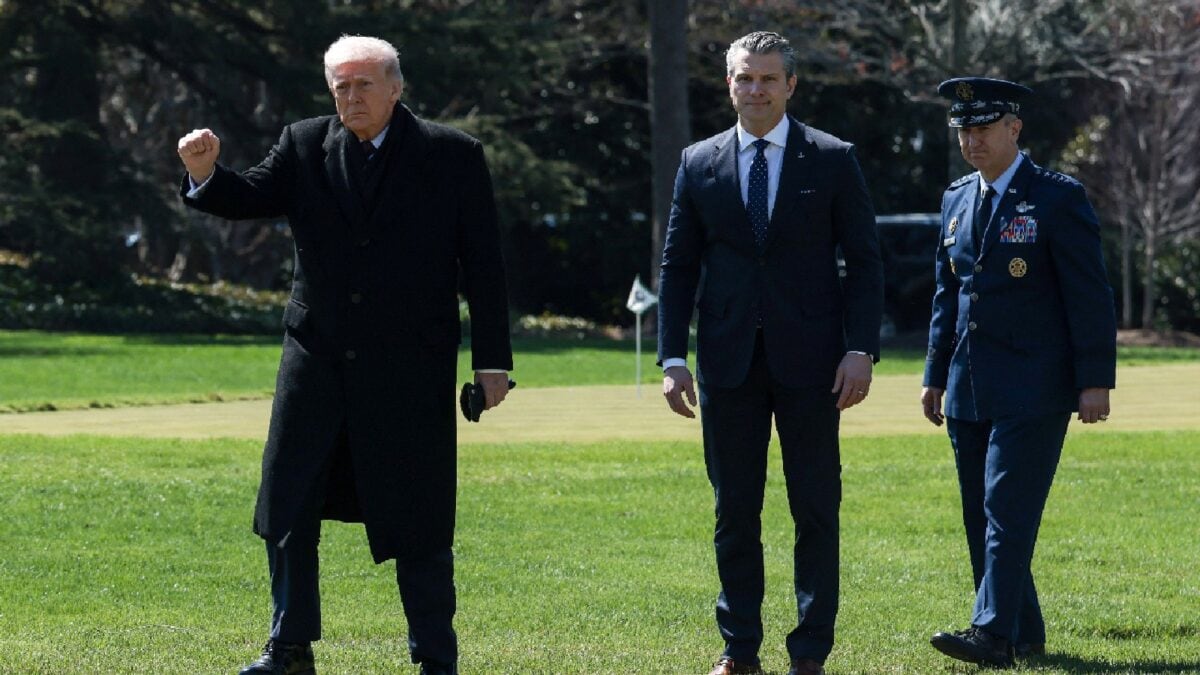
Trump Open to Ending Iran War Without Nuclear Deal
Iran Seizes Fuel-Smuggling Vessel in Gulf, Arrests 11 Crew

Trump Floats Renaming Strait of Hormuz as “Trump Strait”

Chevron Plans $7 Billion Venezuela Expansion Amid U.S. Oil Push
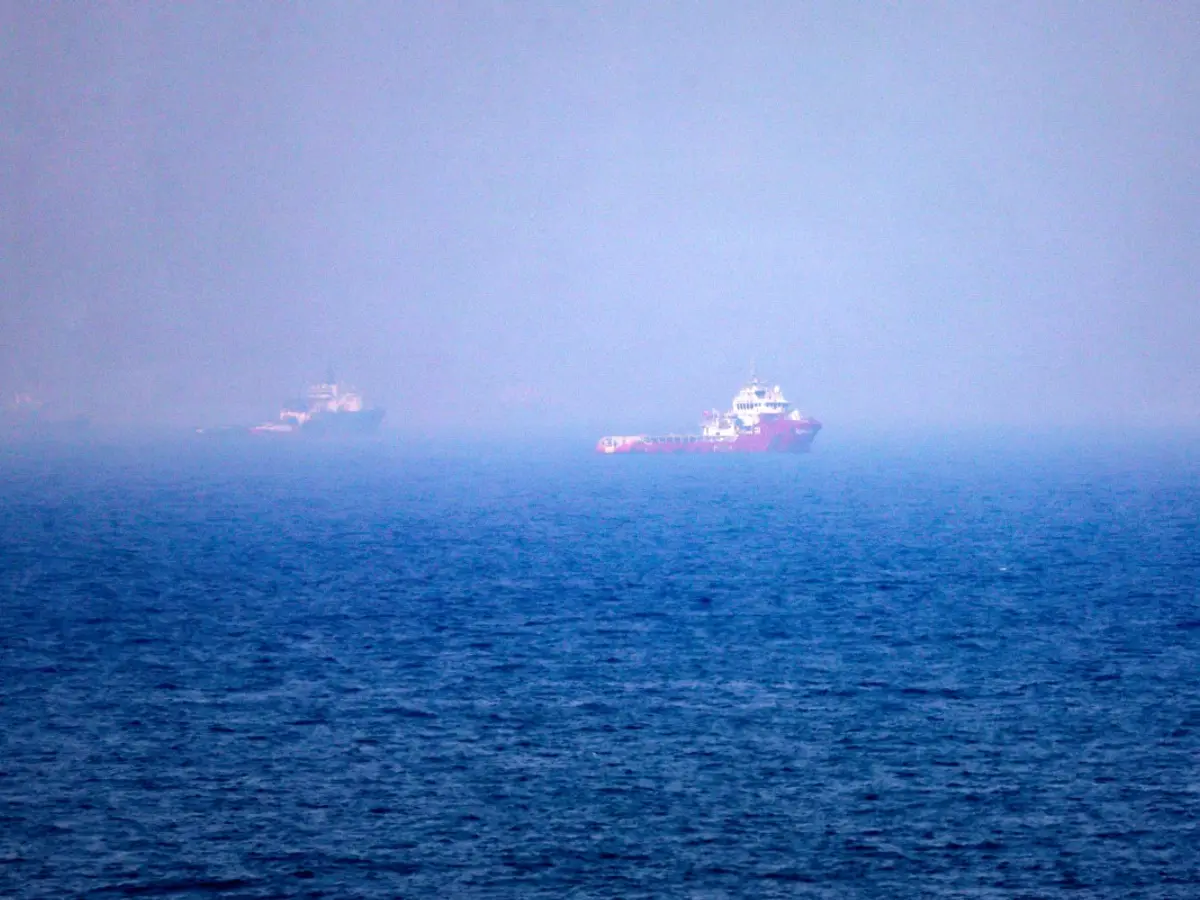
Saudi Tanker Hit in Hormuz, Killing Two Filipino Sailors
U.S.-Iran Exchange Escalates Across Middle East, Markets Slide