2 weeks ago
Trump's low-key Iran strategy carries high global economic cost
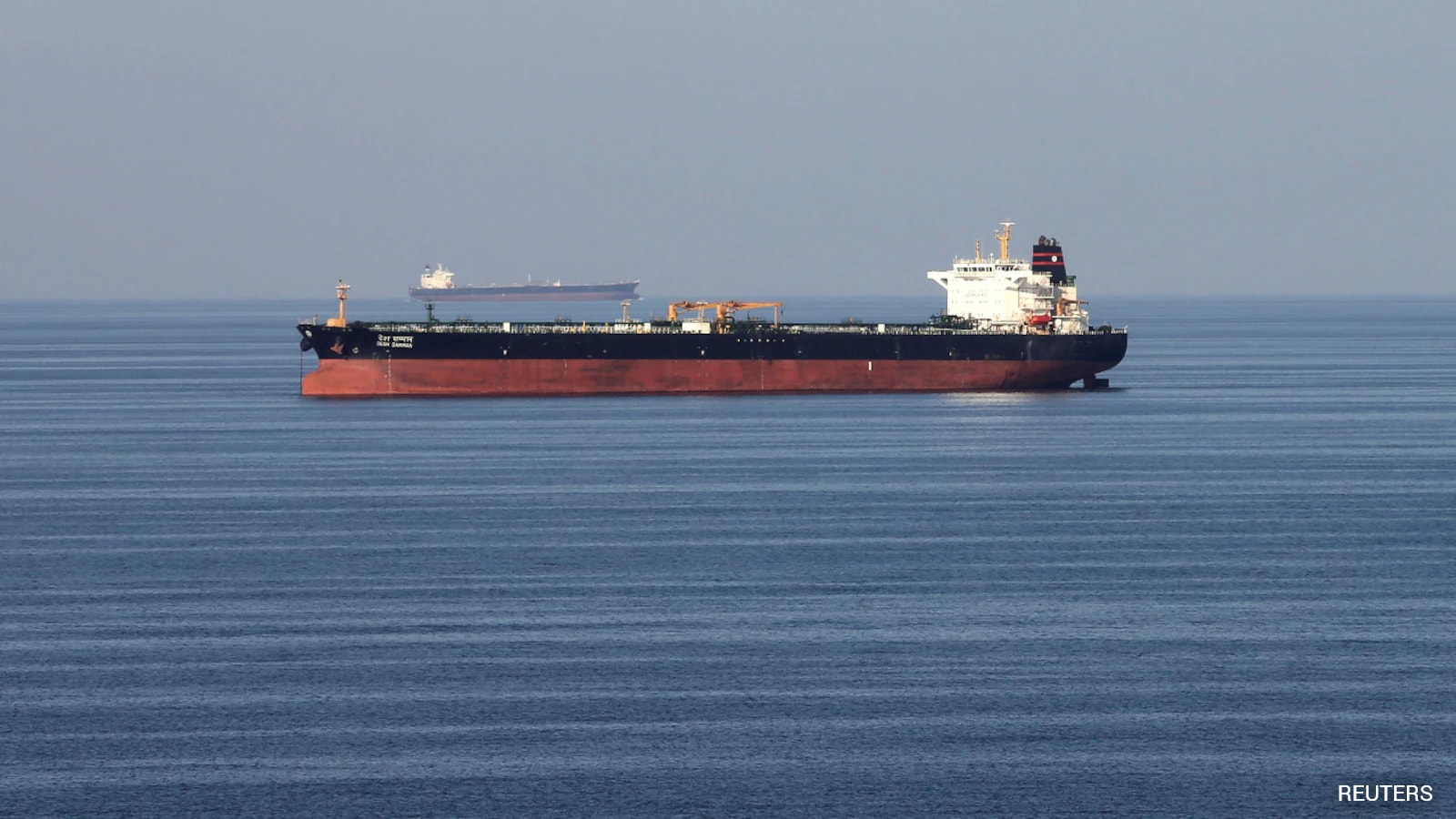
Two countries, the United States and Iran, are having a big fight over a narrow sea passage called the Strait of Hormuz, where many oil ships travel.
Iran attacked two ships from the UAE, and now almost no ships are moving through the passage.
The US says it controls the passage, but Iran says it does not and that the lanes are blocked.
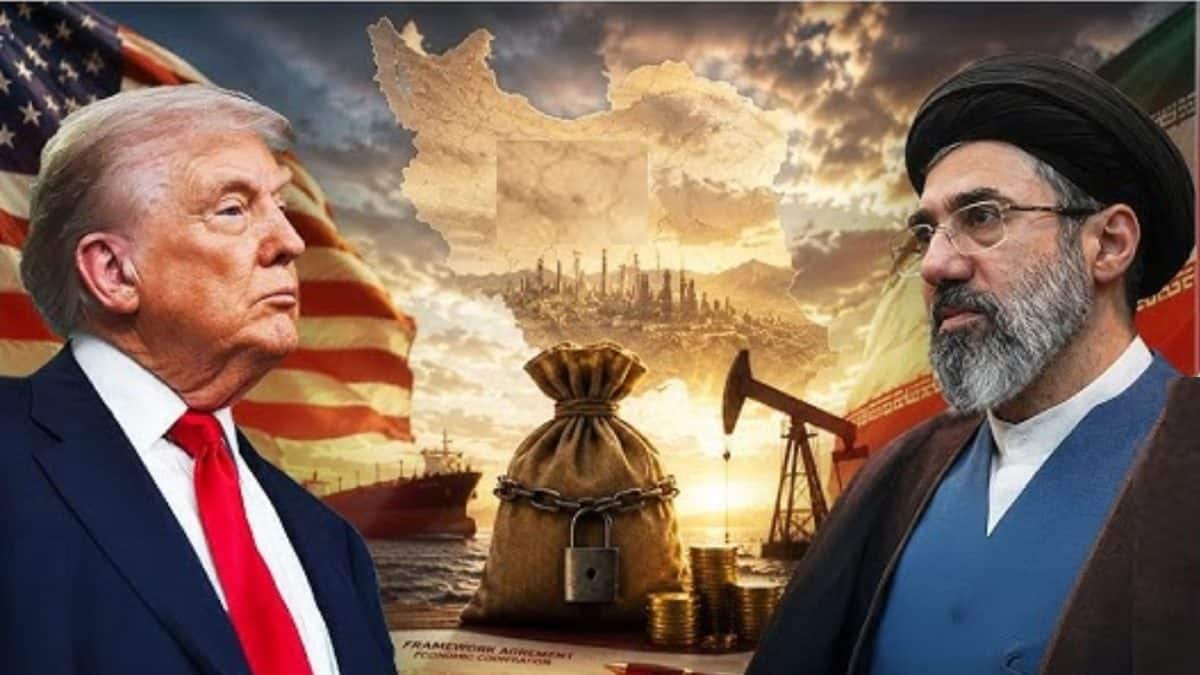
The US is using a blockade and sanctions to make life very hard for Iran, hoping Iran will give in and talk.
Iran says it will not give in unless the US stops the blockade, gives back frozen money, and moves its military away.
Oil prices have stayed fairly low, which helps the US, but experts worry prices could jump if Iran causes more trouble in other shipping routes.
Many Americans want the war to end, and the US government faces pressure at home.
Until one side gives in, people around the world may keep feeling the economic effects.

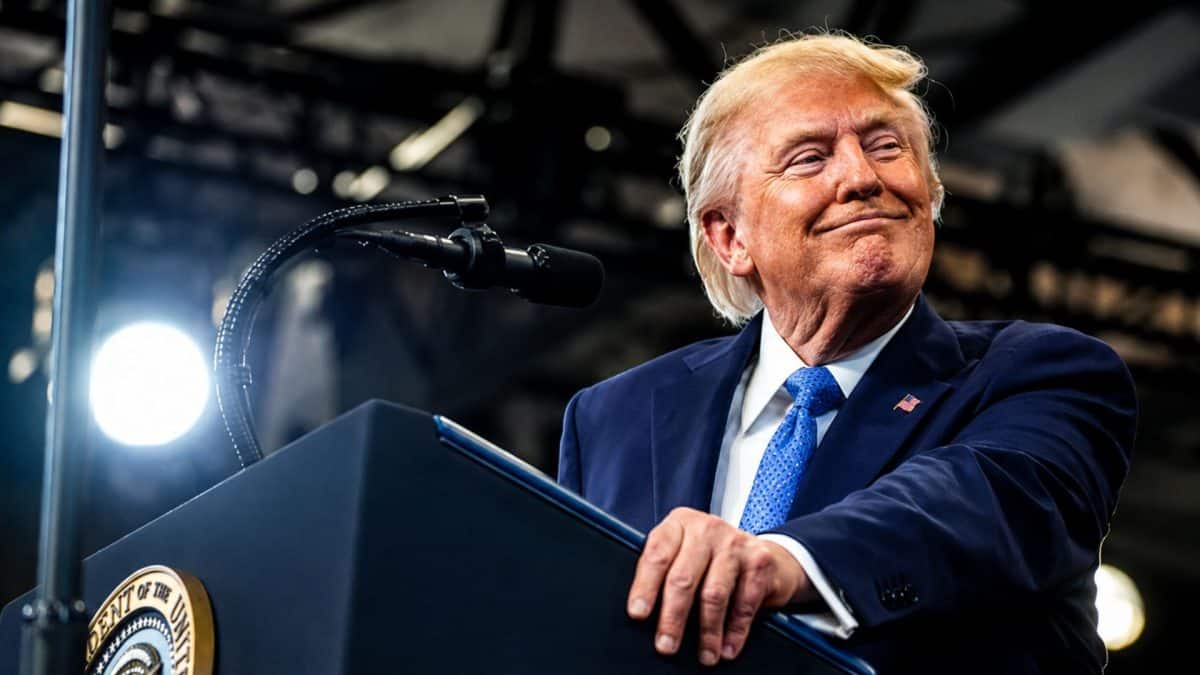
President Donald Trump claims the US has 'total control' over the Strait of Hormuz, a claim rejected by Iranian officials and the Persian Gulf Strait Authority, who say the middle shipping lanes remain mined and blocked.
Transit through the Strait of Hormuz has halted after Iran attacked two UAE tankers, with international tracking agencies reporting movement of only two cargo ships the following day.
The US plans to maintain an indefinite blockade of Iranian ports, and Treasury Secretary Scott Bessent has vowed to impose 'economic isolation like the world has never seen before.'
Iran says it will keep control of the Strait unless the US lifts the blockade and sanctions, releases frozen Iranian assets, pays war reparations, and withdraws military assets from the region.
Brent crude prices have stayed largely below $90 per barrel, supporting Washington's low-key approach, though the article warns that Iran could activate the Houthis in Yemen to disrupt shipping and spike global oil prices.
- Who
- US President Donald Trump, Iranian officials, and US officials including Defense Secretary Pete Hegeseth and Treasury Secretary Scott Bessent.
- What
- The US is enforcing an indefinite naval blockade and sanctions on Iran over control of the Strait of Hormuz, where shipping has halted after Iran attacked two UAE tankers.
- Where
- The Strait of Hormuz and the Persian Gulf region, involving the US, Iran, Oman, and Gulf states.
- When
- In the weeks following Iran's attack on two UAE tankers and the expiry of a 60-day memorandum signed on June 17.
- Why
- Washington hopes economic hardship and inflation will force Tehran to negotiate, while Iran demands sanctions relief, frozen assets, reparations, and US military withdrawal.
Critics of the low-key strategy
Trump administration's approach
Economic pressure vs. escalation risk
Critics of the low-key strategy
Critics argue betting on low oil prices is unrealistic; Iran can activate the Houthis in Yemen and aligned militias in Iraq to disrupt shipping through the Red Sea and Suez Canal, spiking global oil prices.
Trump administration's approach
The administration bets that soaring inflation and severe economic hardship in Iran will force Tehran to the negotiating table, while US domestic production and supplies from Canada, Guyana and Venezuela cushion the impact.
Iran's endurance
Critics of the low-key strategy
Iran has a formidable capacity to absorb economic hardship and may calculate it can endure until the US midterm elections in November, betting a political shift will constrain Trump.
Trump administration's approach
The US blockade and unprecedented secondary sanctions will cut off Iran's maritime trade, food and imports, and with storage nearing capacity, Iran will be forced to shut oil wells.
Domestic political costs
Critics of the low-key strategy
Nearly two-thirds of Americans want the US to end the war, the House appears likely to flip to the Democrats, and emergency domestic restrictions would carry severe political costs.
Trump administration's approach
Managing the economic fallout is critical for the administration to hold the Senate in the upcoming midterms.
Key facts
- Strait of Hormuz status
- Transit halted; only two cargo ships tracked the day after Iran's attack on two UAE tankers
- Memorandum of Understanding
- Signed June 17 at the Palace of Versailles; expired after 60 days without extension
- Iran-Oman talks
- Considered a 70:30 revenue split and a service fee of $1 per barrel or $2 million for large tankers
- Brent crude price
- Largely below $90 per barrel
- US military stockpiles
- Depleted, especially long-range precision missiles, THAAD and Patriot interceptors
- Aircraft carrier relief
- USS Abraham Lincoln relieved by USS George Washington after nearly nine months
- Iran's conditions
- Lift blockade and sanctions, release frozen assets, pay war reparations, withdraw US military assets
- US domestic pressure
- Nearly two-thirds of Americans want the US to end the war; House likely to flip to Democrats
Quotes

Scott Bessent
US Treasury Secretary
“economic isolation like the world has never seen before”
 firstpost.com
Sources
Related news
Trump says US 'low-keying' standoff with Iran, like chess
Trump Says U.S. 'Low-Keying It' With Iran, Stresses Economic Pain
Iran bets on Strait of Hormuz leverage to outlast US
Trump Bets on Economic Pressure, 'Low-Keying It' Against Iran
US threatens indefinite blockade of Iran as Hormuz talks stall
Economic front dominates US-Iran war as sanctions squeeze Tehran
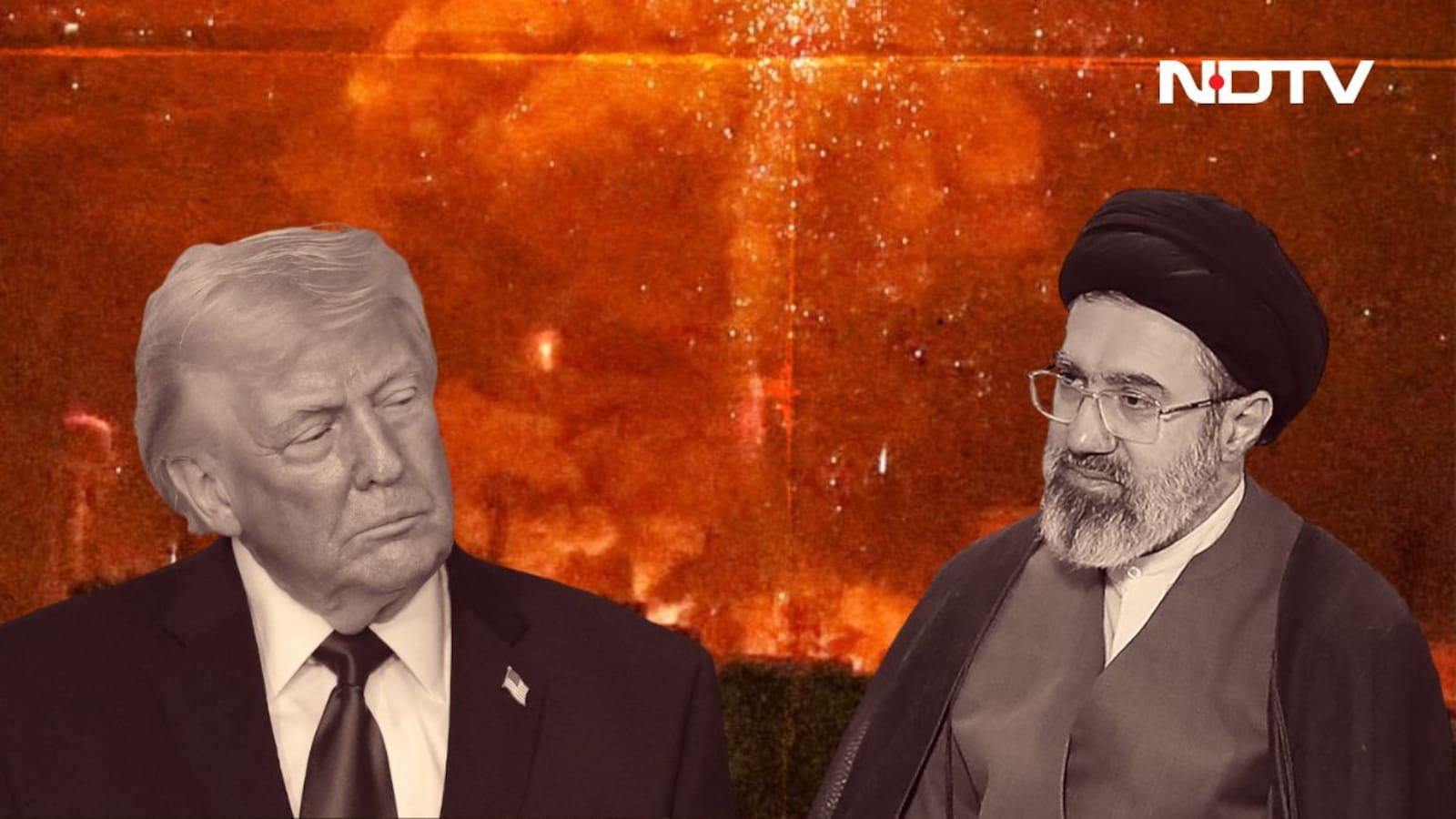
US-Iran Strikes Escalate as Tehran Warns of New Strategy
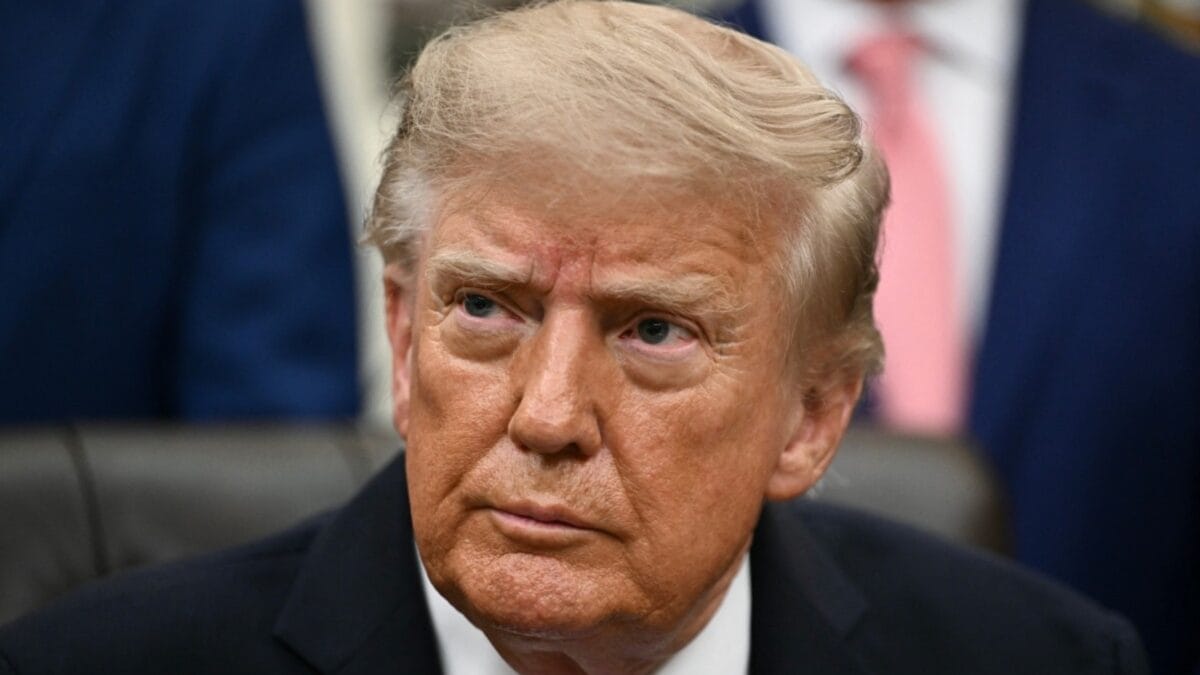
Trump Warns of Fresh Iran Strike After Heavy Attack

Trump Says US Could Attack Iran Again at Will

U.S. Treasury Yields Ease as Jobs Data Misses Expectations
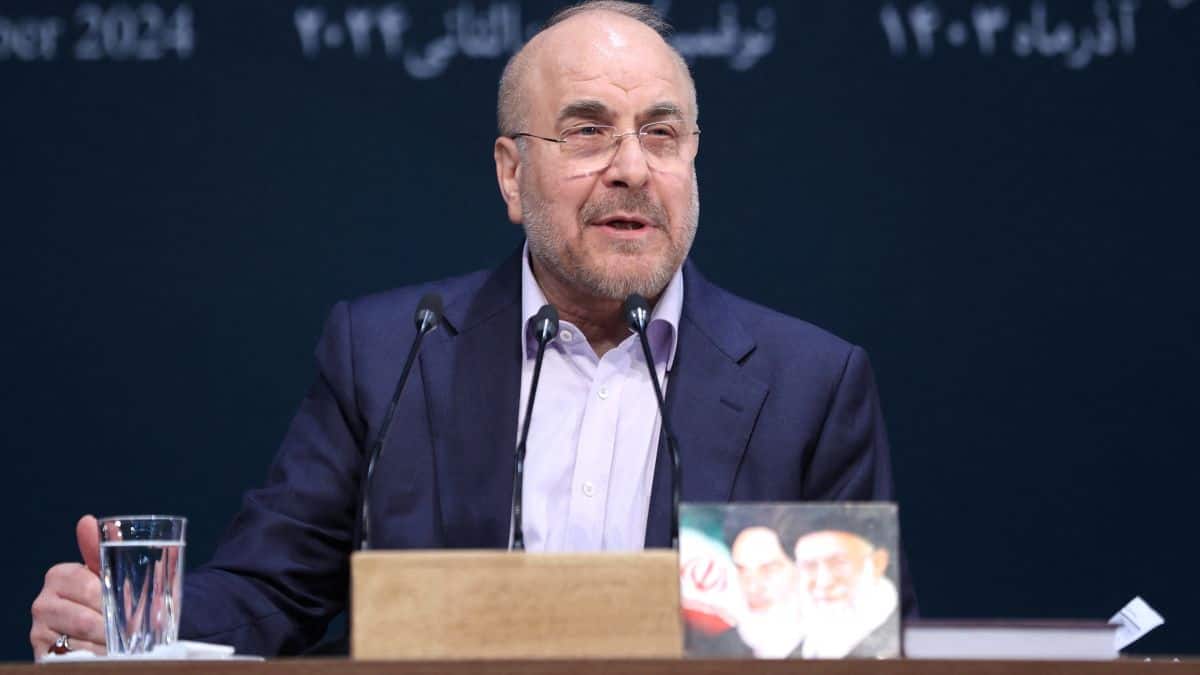
Iran Seizes Fuel-Smuggling Vessel in Gulf, Arrests 11 Crew