1 hr ago
UPI Charges Draw Criticism Over India’s Industrial Policy Approach

India has started charging some businesses for larger UPI payments.
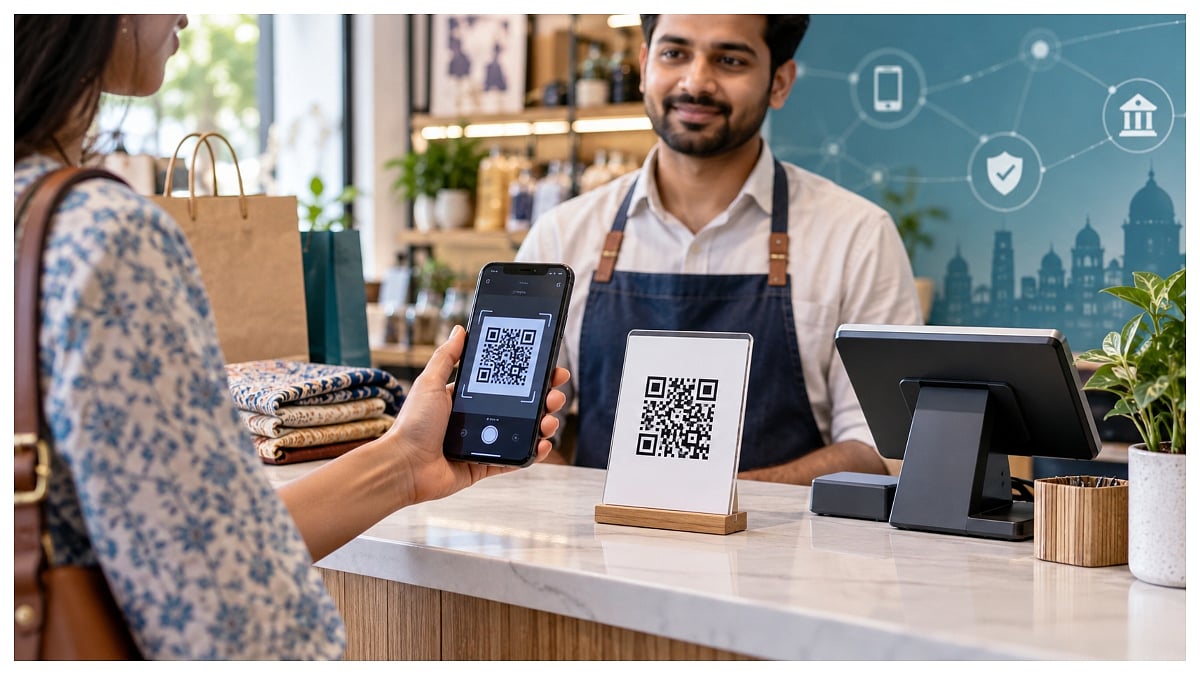
The charge is called MDR and is 0.4% for many payments above ₹2,000.
Very large payments have a maximum charge of ₹300.
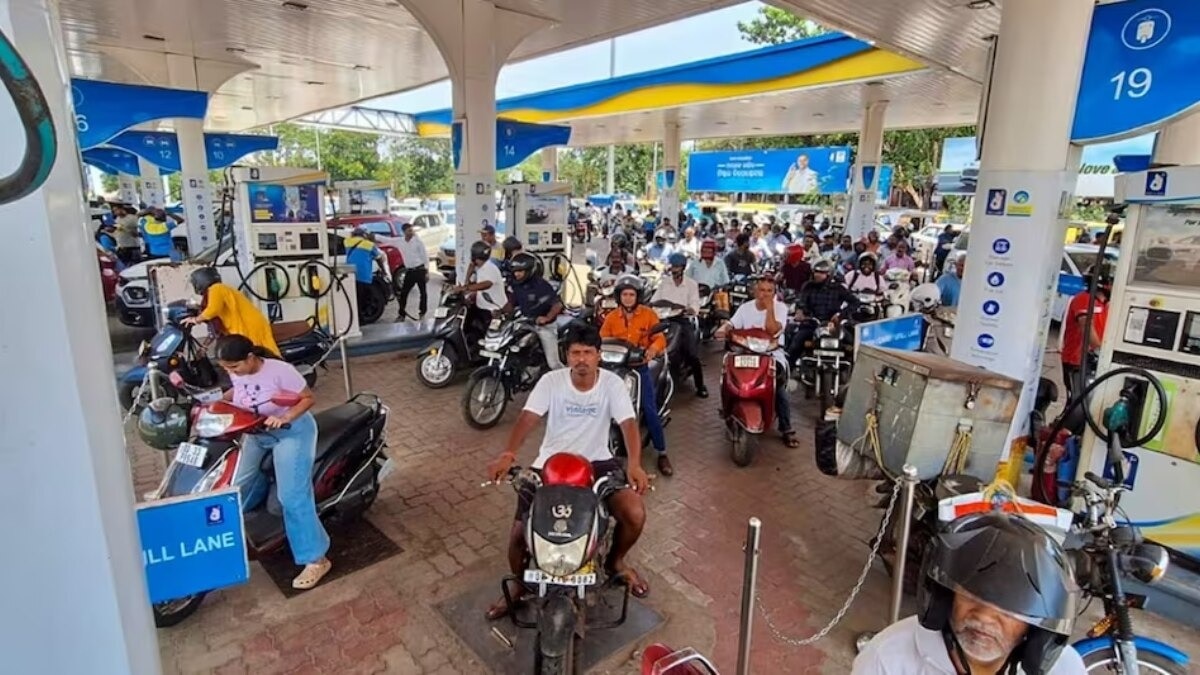
Railways, telecom, and fuel payments will use a flat ₹5 fee.
Payments between people will still be free.
Smaller merchant payments will also remain free under the stated rules.
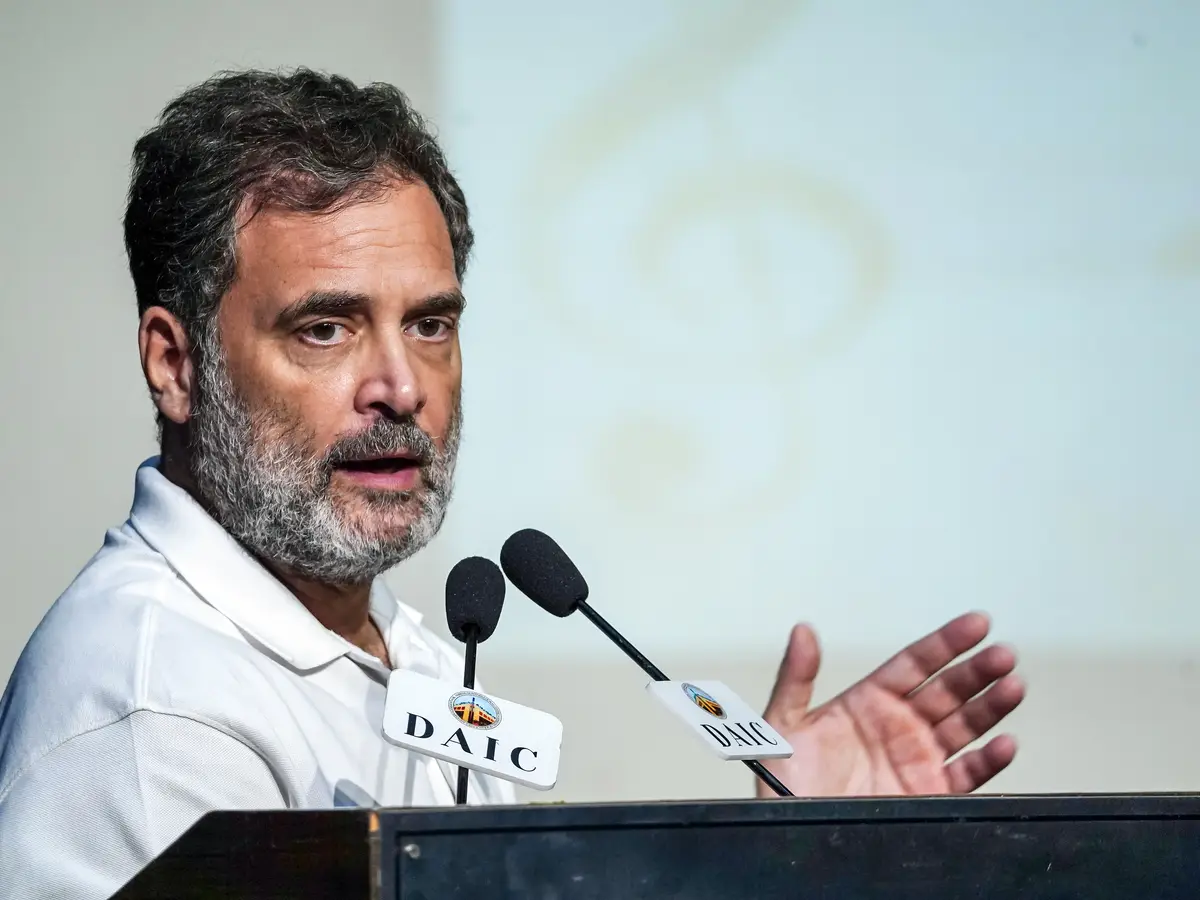
Professor Prasanna Tantri says UPI helps the whole economy and should continue receiving support.
The Finance Ministry says most merchant payments will not be affected.
The change ends the completely zero-fee system that began in January 2020.

India introduced a 0.4% MDR on UPI merchant payments above ₹2,000.
The fee is capped at ₹300 for payments of ₹75,000 or more.
Railways, telecom, and fuel transactions will incur a flat ₹5 fee.
Finance professor Prasanna Tantri said the charges weaken support for UPI.
The Finance Ministry said person-to-person payments remain free and about 96% of P2M transactions are unaffected.
- Who
- The Indian government, the Finance Ministry, merchants, and ISB finance professor Prasanna Tantri.
- What
- A new merchant discount rate, or MDR, has been introduced for specified UPI payments above ₹2,000.
- Where
- India, across specified UPI merchant-payment sectors.
- When
- The government announced the framework on Tuesday; Tantri commented on September 15, 2026. The zero-MDR regime had been in place since January 2020.
- Why
- The government ended the zero-MDR regime, which banks and fintechs had criticized as unsustainable; Tantri argued that UPI creates wider economic benefits that justify continued support.
Criticism of the Charges
Government’s Position
Support for UPI
Criticism of the Charges
Prasanna Tantri said UPI is a world-class Indian innovation that lowers transaction costs, formalizes commerce, and creates benefits beyond its direct users. He argued that effective industrial policy should continue supporting such infrastructure.
Government’s Position
The government ended the zero-MDR system after banks and fintechs criticized it as unsustainable, while retaining free access for person-to-person payments and many merchant transactions.
Economic Impact
Criticism of the Charges
Tantri said introducing MDR partly withdraws support from UPI and argued that this is not how successful industrial policy is run.
Government’s Position
The Finance Ministry said MDR applies only to specified merchant transactions above ₹2,000 and estimated that about 96% of all P2M transactions will remain unaffected.
Key facts
- Standard MDR
- 0.4% on specified UPI merchant payments above ₹2,000.
- Maximum fee
- ₹300 for payments of ₹75,000 and above.
- Essential sectors
- Railways, telecom, and fuel will attract a flat ₹5 per transaction.
- Capital markets
- Transactions will carry a lower MDR of 0.02%.
- Person-to-person payments
- Remain completely free, regardless of the amount transferred.
- Unaffected transactions
- Merchant payments up to ₹2,000 and eligible small-merchant transactions remain free.
- Estimated impact
- The Finance Ministry said approximately 96% of P2M transactions will remain unaffected.
Quotes
Prasanna Tantri
ISB finance professor who criticized the new UPI merchant charges
“Effective industrial policy has a legitimate place for subsidising activities that generate exceptionally large positive spillovers for the wider economy.”
 businesstoday.in
“Now we are partly withdrawing support from UPI by introducing MDR charges.”
businesstoday.in
Sources
Related news

India Introduces New UPI Merchant Fee Above ₹2,000

Keep UPI Free by Funding It From Savings
India Debates MDR Charges to Sustain UPI Payment Revolution

UPI Sets 0.4% MDR on High-Value Merchant Payments

India Should Fund UPI as Digital Public Infrastructure

Fair Pricing Debate Grows As UPI Network Costs Rise

UPI MDR Revision Brings 0.02% Charge to Capital Markets

New UPI MDR Framework Sets Merchant Fees From October 15
UPI Fuel Payments Above ₹2,000 to Attract Flat ₹5 Fee
UPI Merchant Payments Above ₹2,000 Face New MDR