1 week ago
India Should Fund UPI as Digital Public Infrastructure

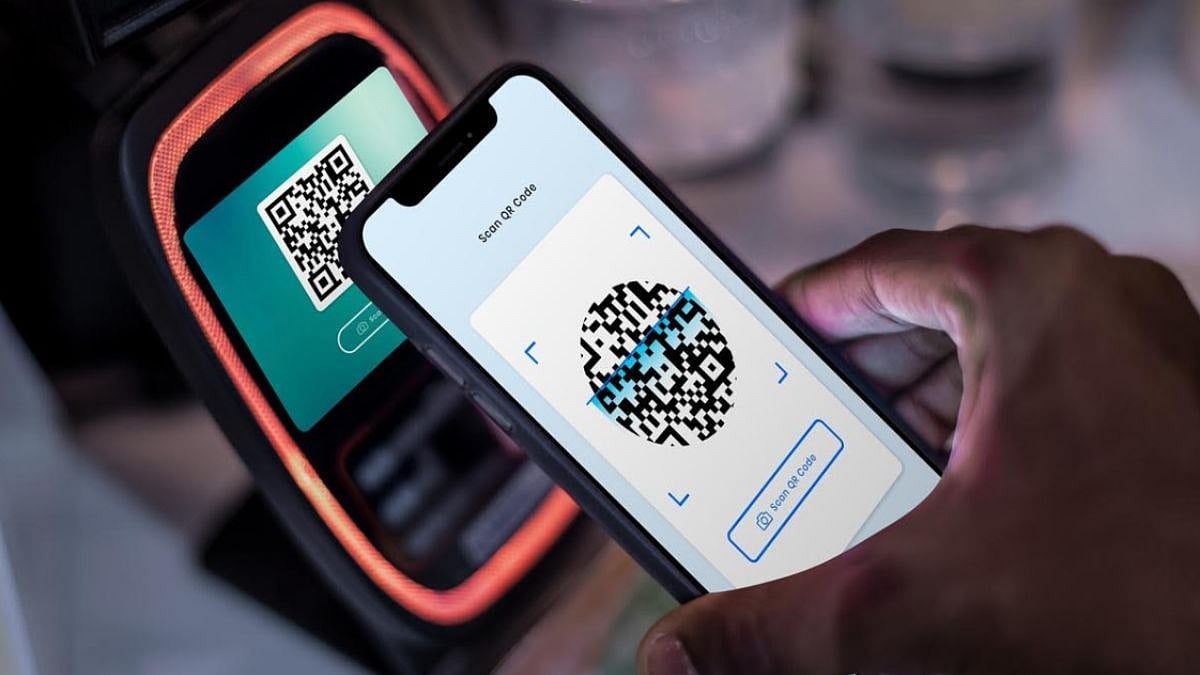
UPI lets people and businesses send money instantly without a fee on the main payment rail.
Running it still costs money because banks and payment companies need technology, security, and fraud protection.
The article says UPI also creates benefits that are harder to measure in a single transaction.
These include less cash handling, better records, and more opportunities for loans and other services.
The government may also save money and gain better information about economic activity.
Because of these wider benefits, the article compares UPI to a public road or other infrastructure.
It argues that the government should help fund the system instead of adding a fee to every payment.
Businesses could still charge for extra services such as analytics, fraud management, and payment reconciliation.

The article argues UPI should remain free at the core rail level.
Banks and payment companies say rising transaction volumes increase infrastructure, security, and fraud-prevention costs.
UPI creates indirect benefits through customer engagement, digital records, lower cash costs, and expanded financial services.
The article says government funding should reflect UPI’s wider economic returns, including formalisation and improved tax collection.
It proposes independent cost assessments, targeted incentives, and proportional contributions from banks and payment companies.
- Who
- Banks, payment companies, the government, merchants, consumers, and policymakers are involved in the UPI funding debate.
- What
- The article argues for preserving zero MDR on UPI’s core rail while creating a transparent, targeted funding system.
- Where
- India.
- When
- The article discusses UPI’s next phase of policy; no specific date is given.
- Why
- The authors argue that UPI’s wider economic and social benefits may exceed its operating costs, making public support an infrastructure investment rather than a bailout.
Zero-MDR infrastructure model
Merchant-fee model
Who should pay for UPI
Zero-MDR infrastructure model
The article argues that government funding, alongside proportional contributions from banks and payment companies, should support the core rail because UPI produces broad public and economic returns.
Merchant-fee model
Banks and payment companies argue that growing UPI volumes create significant costs and support the case for a merchant discount rate.
How the system should make money
Zero-MDR infrastructure model
The core payment rail should remain free, while commercial businesses charge for additional services that create distinct value.
Merchant-fee model
A transaction-linked MDR would allow payment participants to recover costs directly from transactions, although the article questions whether an ad valorem charge matches incremental infrastructure costs.
How success should be measured
Zero-MDR infrastructure model
UPI should be judged by wider effects such as formalisation, financial inclusion, lower cash dependence, and productivity, not only by direct transaction revenue.
Merchant-fee model
The industry’s position, as presented in the article, focuses more heavily on the direct cost of processing and maintaining the system.
Key facts
- Core proposal
- Keep zero merchant discount rate on the core UPI rail.
- Major operating costs
- Technology, cybersecurity, fraud prevention, servers, and payment-processing infrastructure.
- Indirect benefits
- Customer engagement, digital transaction histories, lower cash-handling costs, and opportunities for lending and other services.
- Government benefits
- Reduced dependence on cash, lower currency-printing and logistics costs, improved traceability, and greater economic formalisation.
- Proposed assessment
- Commission and publish an independent assessment separating UPI-specific costs from infrastructure firms would maintain anyway.
- Targeted support
- Link government incentives to uptime, fraud reduction, rural and small-merchant acceptance, and grievance resolution.
- Commercial revenue
- Aggregators and gateways could charge for value-added services such as reconciliation, analytics, fraud management, settlement, and enterprise integration.
Sources
Related news

Keep UPI Free by Funding It From Savings

India’s UPI Revolution Faces Its Next Financial Test
India examines restoring MDR as UPI costs outpace support

Economist challenges claim UPI merchant fee won't affect consumers

Fair Pricing Debate Grows As UPI Network Costs Rise

RBI Governor: UPI Merchant Fee Proposal Premature, Someone Must Pay

UPI Accepted in 11 Countries, But Payments Vary
Axis Bank Adds Separate UPI Limits for Payment Categories

Credit Card Transactions Surge as Average Spending Falls in July

India Plans Agentic AI Payments Through Popular UPI Network

India’s Banking Summit Maps AI’s Responsible Financial Frontier