4 hrs ago
India Debates MDR Charges to Sustain UPI Payment Revolution
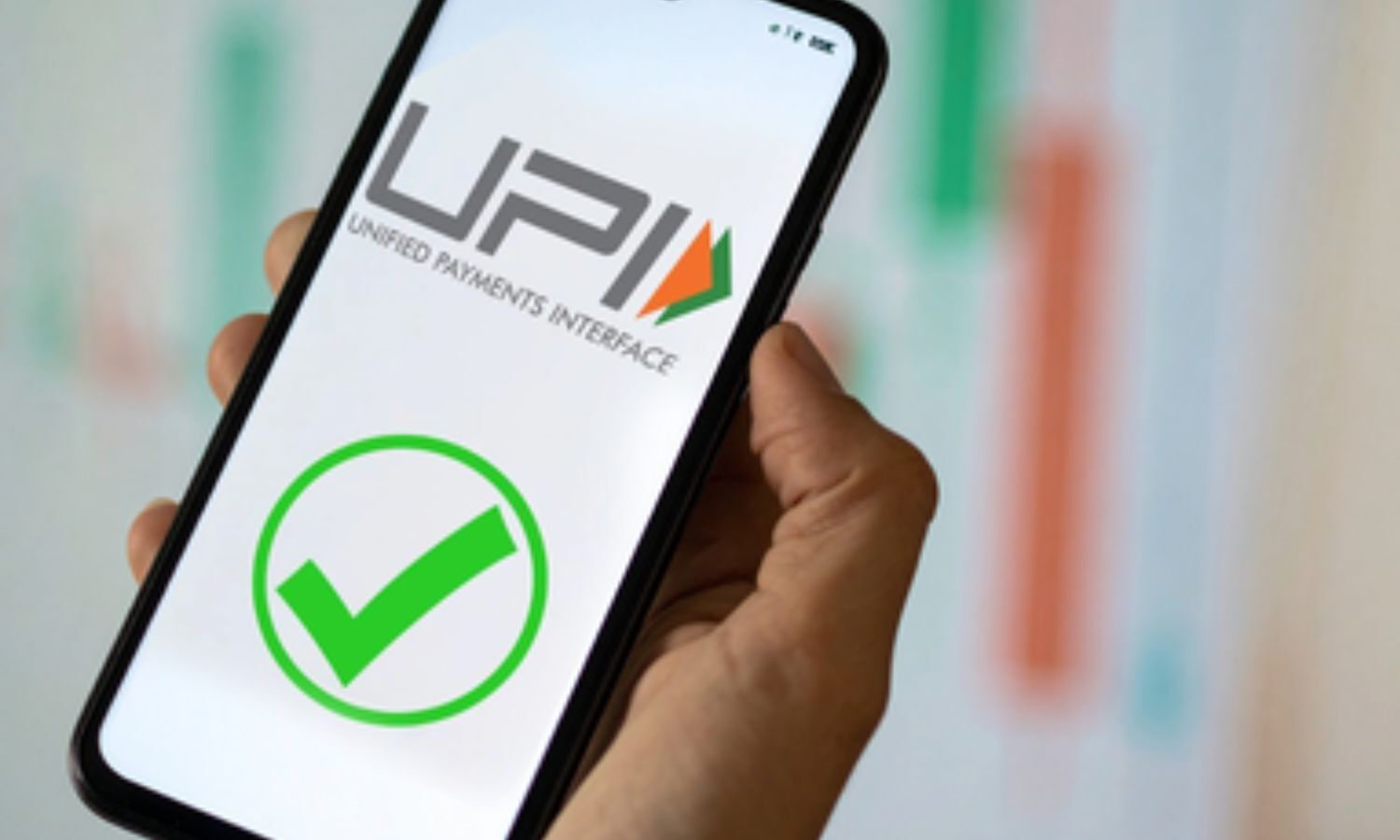
India’s UPI system lets people send money digitally without paying a direct fee.
It processed a huge number of payments in July 2026.
However, running UPI safely requires money for technology, security and fraud prevention.
The government currently helps pay these costs through subsidies.
A proposed plan would keep everyday payments and person-to-person transfers free.
It could charge some merchants a small fee when they receive larger payments.
Merchants might add that fee to prices, and customers could choose cards, bank transfers or cash instead.
The debate is about whether the government, banks, technology companies, merchants or customers should pay for UPI’s future.

UPI processed 22 billion transactions worth approximately Rs 29.87 lakh crore in July 2026.
The ecosystem relies on government subsidies because infrastructure, cybersecurity and fraud-prevention costs are not directly recovered.
A proposed framework would keep consumer and person-to-person payments free while allowing nominal MDR on selected high-value merchant transactions.
CareEdge estimates that an MDR of 0.25%-0.50% could generate Rs 15,000-30,000 crore annually.
Critics warn that merchants may pass charges to customers, encouraging high-value users and smaller businesses to shift back to other payment methods or cash.
- Who
- The Indian government, banks, payment-service providers, fintech companies, merchants, consumers and civil society groups are involved.
- What
- India is considering a framework to impose nominal merchant discount rates on selected high-value UPI merchant transactions while keeping consumer and person-to-person payments free.
- Where
- India’s Unified Payments Interface ecosystem.
- When
- The article cites UPI data for July 2026, FY26 and Q1FY27; the proposed amendment is under discussion.
- Why
- The proposal seeks to create a self-sustaining revenue model for UPI infrastructure, cybersecurity and fraud prevention and to reduce reliance on government subsidies.
Government and sustainability case
Merchant and consumer concerns
How UPI should be funded
Government and sustainability case
The government argues that a revenue model is needed to finance infrastructure, cybersecurity and fraud prevention while reducing reliance on subsidies.
Merchant and consumer concerns
Civil society groups argue that banks and fintech companies benefited from free public infrastructure and should absorb more of the costs rather than shifting them to merchants and customers.
Effect of MDR on payments
Government and sustainability case
The proposed charges would be nominal and limited to selected high-value merchant transactions, leaving most everyday payments unaffected.
Merchant and consumer concerns
Critics warn that merchants may pass charges to customers, causing users to move high-value payments to cards or bank transfers and potentially pushing smaller merchants toward cash.
Impact on UPI’s public role
Government and sustainability case
The government presents targeted MDR as a way to encourage ecosystem participation and preserve UPI’s long-term sustainability.
Merchant and consumer concerns
Consumer-rights groups say monetising a taxpayer-supported public digital service could undermine affordability, universality and trust in the broader digital-payments system.
Key facts
- July 2026 UPI volume
- 22 billion transactions
- July 2026 UPI value
- Approximately Rs 29.87 lakh crore
- Connected banks
- 741 banks were live on UPI
- Government incentive scheme
- The Reserve Bank of India approved Rs 21,500 crore for FY25
- Potential MDR rate
- 0.25%-0.50% on selected higher-value merchant transactions
- Estimated MDR revenue
- CareEdge estimates Rs 15,000-30,000 crore
- Free-payment proposal
- Consumer transactions and all person-to-person payments would remain free
Sources
Related news
India examines restoring MDR as UPI costs outpace support

India’s UPI Revolution Faces Its Next Financial Test

Selective UPI MDR Could Generate Rs 30,000 Crore Revenue
Fair Pricing Debate Grows As UPI Network Costs Rise
Keep UPI Free by Funding It From Savings
How Paytm Helped India Learn Everyday Mobile Payments

Payment Aggregators Seek RBI Extension for Merchant Re-KYC Deadline

New-Age Indian Stocks Rally, But Analysts See Uneven Upside
Internet Stocks Rally as MSCI Rejig Boosts IPO Activity