1 hr ago
Oil Prices Rise Slightly as Trump Rejects Iran Proposal

Oil became slightly more expensive because traders worried that less oil might reach the world.
Iran had proposed reopening the Strait of Hormuz, an important route for oil ships, but Donald Trump rejected the proposal.
Qatar planned to help the United States and Iran talk about a possible peace deal.
These talks could help more ships use the strait.
More oil was exported from the Middle East in September, but supplies were still lower than before the conflict.
Diesel fuel became especially expensive because several wars and export restrictions disrupted supplies.
The United States was considering steps to increase fuel availability.
Markets remained concerned that the supply problems could continue.

Brent crude settled 96 cents higher at $105.28 per barrel, while West Texas Intermediate rose 19 cents to $92.60.
Oil prices initially jumped more than $4 after Donald Trump rejected Iran’s proposal to reopen the Strait of Hormuz.
Qatari mediators were expected to hold separate talks with Iran and the United States about an amended seven-day peace proposal.
Middle Eastern crude exports increased to 12.8 million barrels per day in September, though flows remained below pre-conflict levels.
Diesel prices continued rising amid Middle East and Ukraine-related supply disruptions, export restrictions, and refinery problems.
- Who
- The United States, Iran, Qatar, Donald Trump, and oil producers including Saudi Arabia and the United Arab Emirates.
- What
- Oil prices settled slightly higher as markets assessed supply disruptions, Iran’s proposal to reopen the Strait of Hormuz, and possible peace talks.
- Where
- The negotiations were expected in New York and Washington, while the main supply concern involved the Strait of Hormuz.
- When
- Monday, September 28; further talks were expected on Monday or Tuesday.
- Why
- Prices rose because oil flows remained below pre-conflict levels and uncertainty continued after Trump rejected Iran’s proposal.
Diplomatic Engagement
Rejection and Pressure
Iran’s proposal
Diplomatic Engagement
Iran said diplomacy was the way to resolve its conflict with the United States and Israel and proposed reopening the Strait of Hormuz while ending hostilities.
Rejection and Pressure
Donald Trump rejected Iran’s proposal, although he said United States negotiators were expected to hold more talks during the week.
Impact on oil supply
Diplomatic Engagement
Supporters of talks could argue that reopening the strait and reaching a peace deal would improve shipping access and ease supply concerns.
Rejection and Pressure
The rejection and continued hostilities left oil flows below pre-conflict levels, keeping the market undersupplied despite increased exports.
Key facts
- Brent settlement
- $105.28 per barrel, up 96 cents, or 0.9%
- WTI settlement
- $92.60 per barrel, up 19 cents, or 0.2%
- Middle East crude exports
- 12.8 million barrels per day in September
- Strait of Hormuz flows
- Expected to reach about 7.4 million barrels per day in September
- Pre-conflict Hormuz traffic
- About 20 million barrels per day, roughly one-fifth of global oil supply
- Planned mediation
- Qatar expected to hold separate talks with Iranian and United States officials
- Fuel pressures
- Diesel prices were pushed higher by wars, export bans, and refinery disruptions
Quotes
Giovanni Staunovo
UBS analyst commenting on oil flows and market supply
“Despite more vessel traffic through the Strait of Hormuz, flows remain below pre-conflict levels, keeping the market undersupplied.”
 livemint.com
Sources
Related news
Oil Rises as Trump Rejects Iran’s Hormuz Proposal

Oil Prices Fall as US-Iran Talks Raise Hormuz Reopening Hopes

Oil prices jump as US-Iran truce talks cloud supply outlook

Oil Prices Surge Above $90 as US-Iran Tensions Escalate

Oil Falls as Hormuz Flows and US-Iran Diplomacy Ease Fears
Oil Prices Rise as US-Iran Strikes Threaten Hormuz Supplies
Treasury Yields Rise as Middle East Tensions Lift Rate Bets
Trump Offers Iran Sanctions Relief for Nuclear Concessions Amid Mediation
Indian Stock Market Crash Wipes Out ₹7.4 Lakh Crore
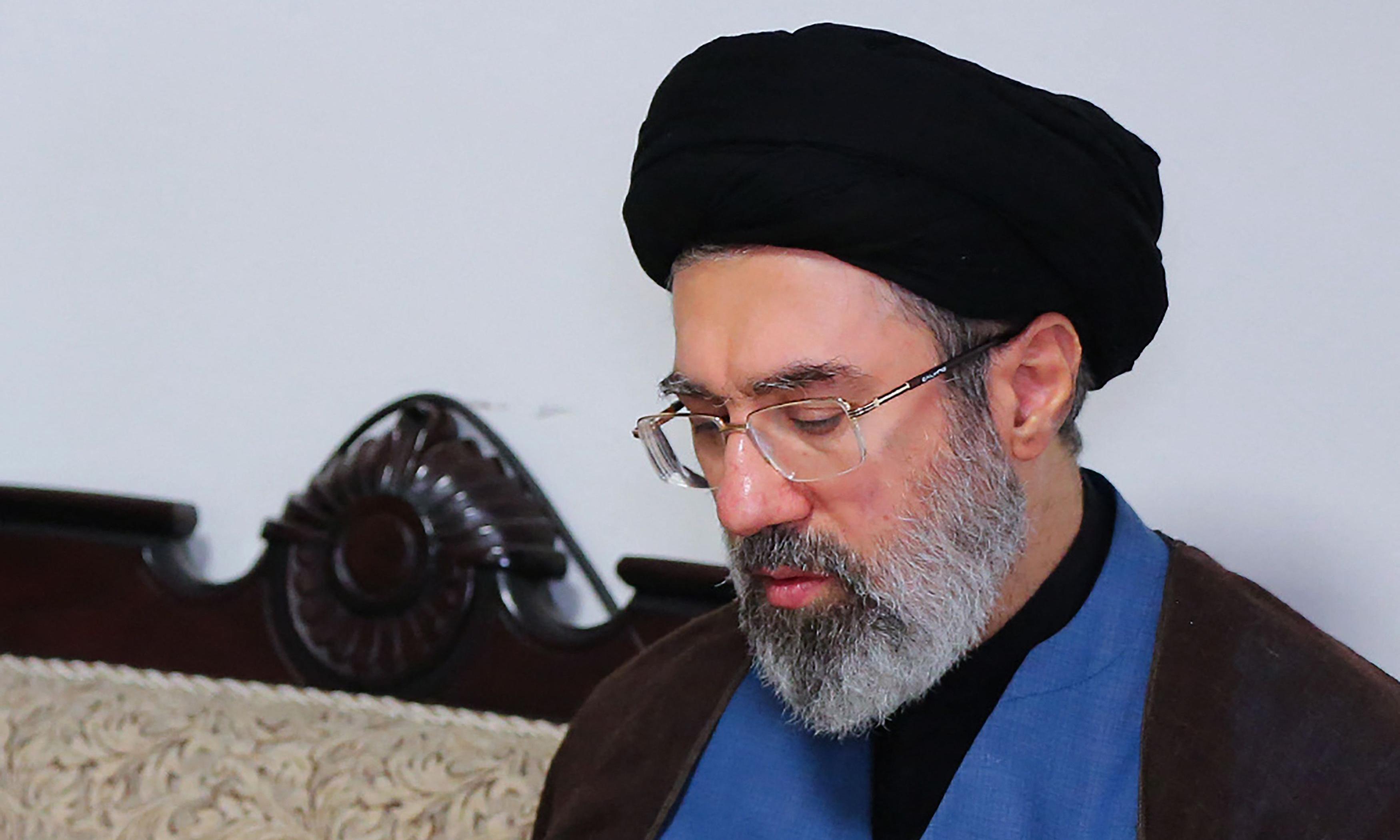
Iranian Leader Says US Will Be Forced From Middle East