2 hrs ago
Endless Wars Reshape Battlefields Through Drones, Missiles and Technology
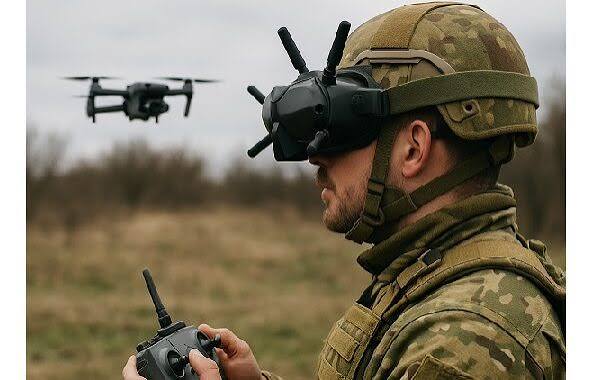
Wars today may not end quickly, and the way they are fought is changing.
Countries and proxy groups are using drones and missiles in new ways.
This is called asymmetrical warfare because cheaper weapons can challenge stronger military systems.
The Indian Army chief still believes that controlling land is the clearest sign of victory.
However, battles around important waterways show that control of air and sea approaches also matters.
Drones are becoming cheaper to make, while the missiles used to stop them can cost millions.
India is working to improve its drones and defenses against missiles.
The article says countries should stay ready because technology, including artificial intelligence, is changing military plans.

Modern conflicts increasingly use asymmetrical warfare involving drones, missiles and proxy forces.
The Indian Army chief continues to view physical territorial control as the ultimate measure of military victory.
Fighting around the Strait of Hormuz and Bab al-Mandab Strait highlights the growing role of drones and missiles.
Cheap drones can force countries to deploy defensive missiles costing millions of dollars.
India is strengthening its drone-warfare and missile-shield capabilities while calling for greater military self-reliance.
- Who
- The Indian Army chief, India, Russia, Iran and its proxies, and other parties involved in conflicts in Europe and West Asia.
- What
- Modern warfare is being reshaped by asymmetrical tactics, drones, missiles, artificial intelligence and battles over territory and strategic waterways.
- Where
- Europe, West Asia, the Strait of Hormuz, the Bab al-Mandab Strait and Ukraine.
- When
- During the conflicts and military developments of the new millennium, including current conflicts in Europe and West Asia.
- Why
- Technological advances and cheaper drones are challenging traditional military strategies and increasing the need for preparedness and self-reliance.
Territorial Control
Technology-Driven Warfare
What determines victory?
Territorial Control
The Indian Army chief argues that controlling physical territory remains the ultimate measure of military triumph.
Technology-Driven Warfare
Recent fighting around strategic waterways suggests that drones, missiles and control of air-accessible spaces are changing how battlefields are defined.
Military strategy
Territorial Control
Traditional warfare principles and physical control of land remain central to military planning.
Technology-Driven Warfare
Cheap drones, missile defenses, proxy forces and artificial intelligence require new strategies that go beyond traditional war manuals.
Defense preparedness
Territorial Control
India’s push for domestic military production supports greater self-reliance and national security.
Technology-Driven Warfare
Delays by domestic manufacturers create concerns about whether self-reliance can deliver equipment quickly enough.
Key facts
- Central trend
- Wars are increasingly being shaped by asymmetrical warfare, drones and missiles.
- Traditional military measure
- The Indian Army chief identifies physical territorial control as the ultimate measure of victory.
- Strategic waterways
- The Strait of Hormuz and Bab al-Mandab Strait are cited as locations where drones and missiles are influencing conflict.
- Cost imbalance
- Drones are becoming cheaper, while defensive missiles can cost millions of dollars.
- India’s response
- India is developing its drone-warfare and missile-shield capabilities.
- Main concern
- Delays in deliveries from domestic manufacturers are described as a concern for military self-reliance.
- Emerging technology
- Artificial intelligence and technological rivalry are influencing battle planning.
Sources
Related news
Drones and Training Are Reimagining India’s Modern Infantryman
Army Chief Says Self-Reliance Must Sustain India Through Long Wars
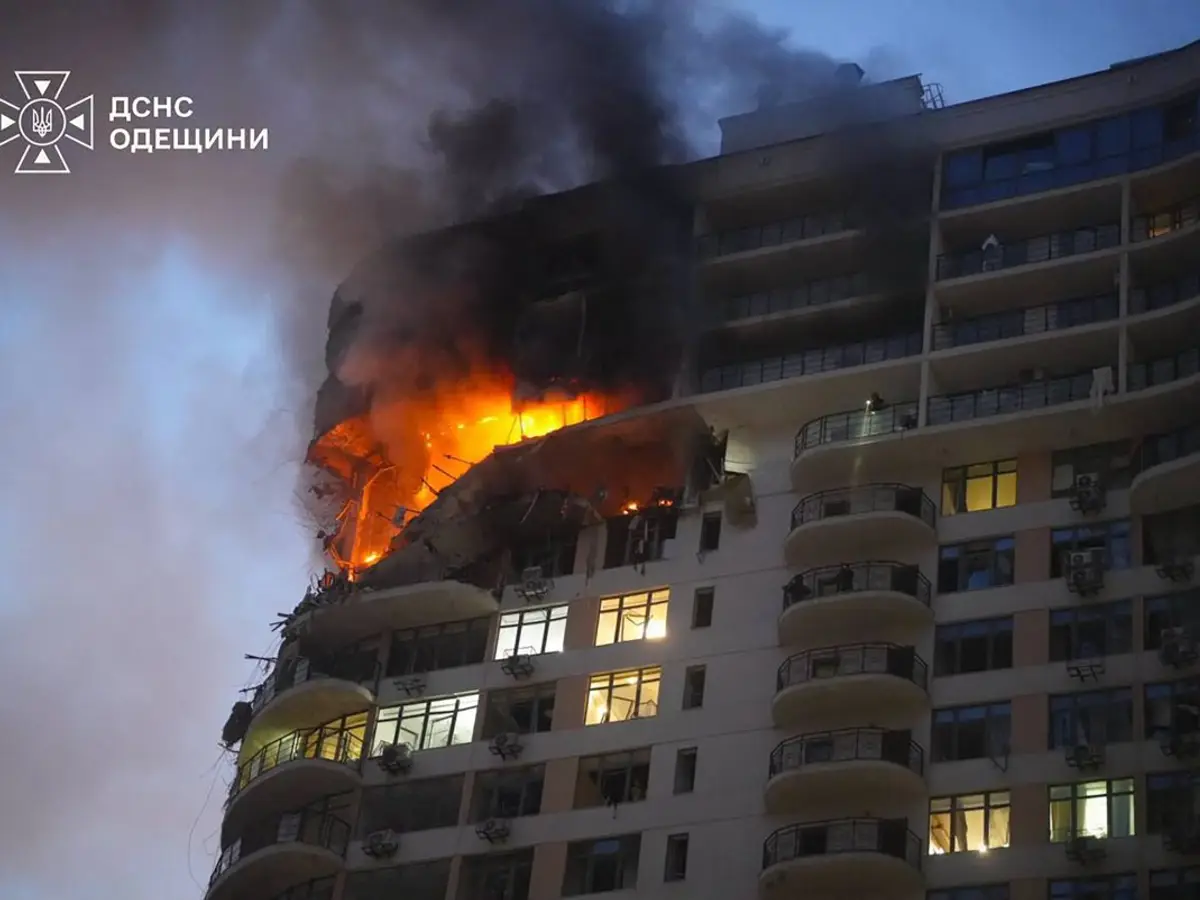
How Ukraine Is Shaping Russia’s Next Generation Weapons
India’s Post-Sindoor Defence Push Targets Networked Future Warfare
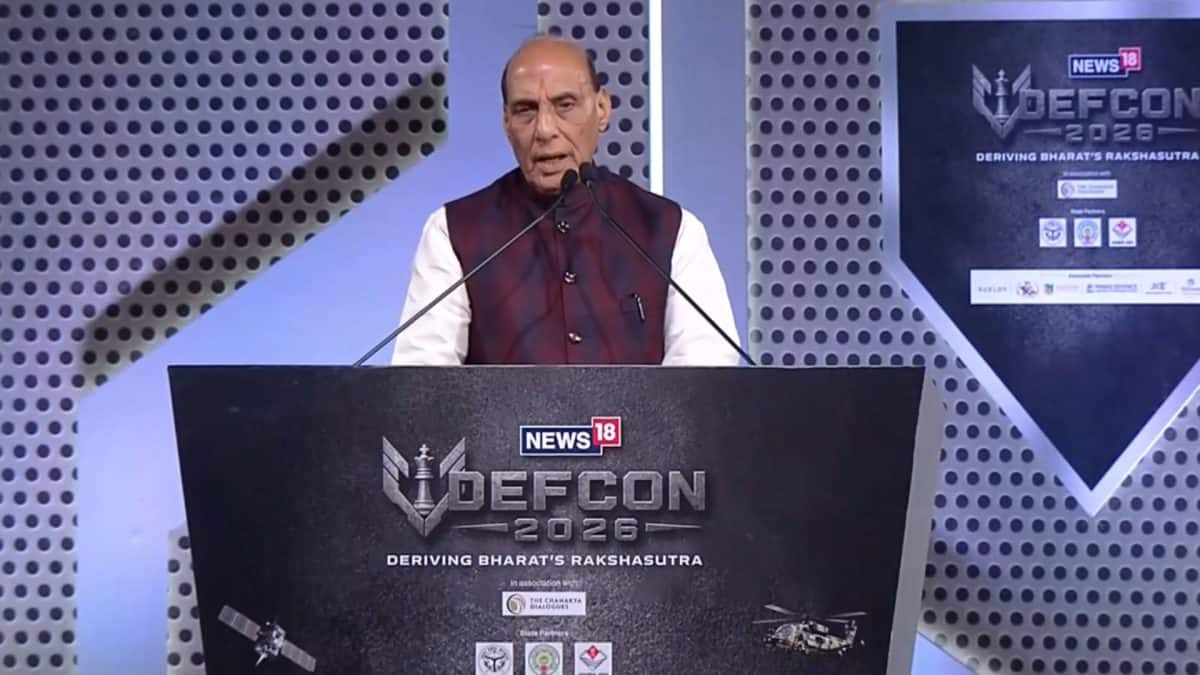
Rajnath Singh Urges Technology-Focused Preparedness for Future Warfare

Indian Stock Market Crash Wipes Out ₹7.4 Lakh Crore
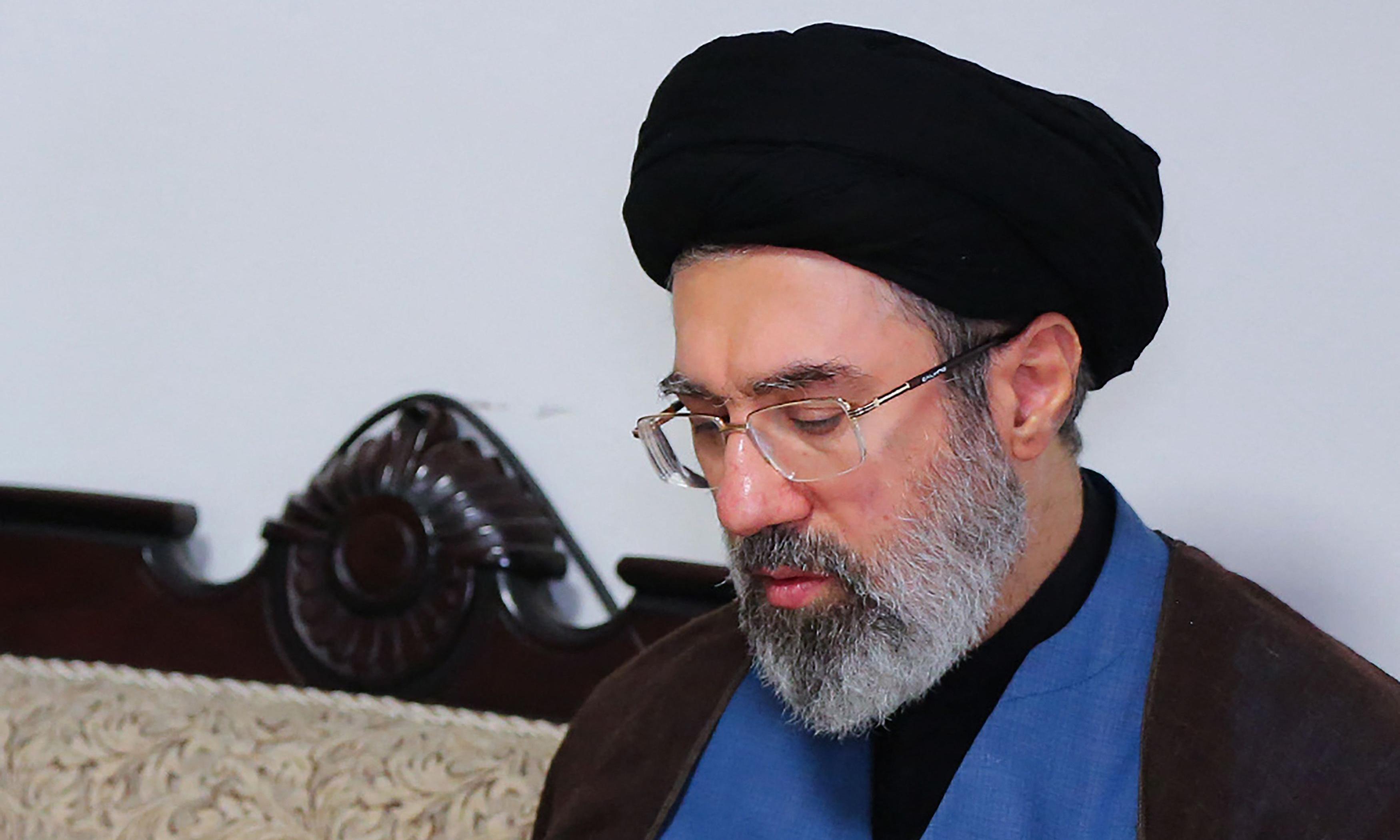
Iranian Leader Says US Will Be Forced From Middle East
Iran’s Mojtaba Khamenei Says Enemy Forces Pushed From Hormuz
Iran Offers Seven-Day Ceasefire Framework, Seeks India’s Peace Voice