4 hrs ago
Oil prices jump as US-Iran truce talks cloud supply outlook

Oil became more expensive because investors are worried about the future of Middle Eastern supplies.
The worry grew after Iran’s president said his country would not give in to US pressure.
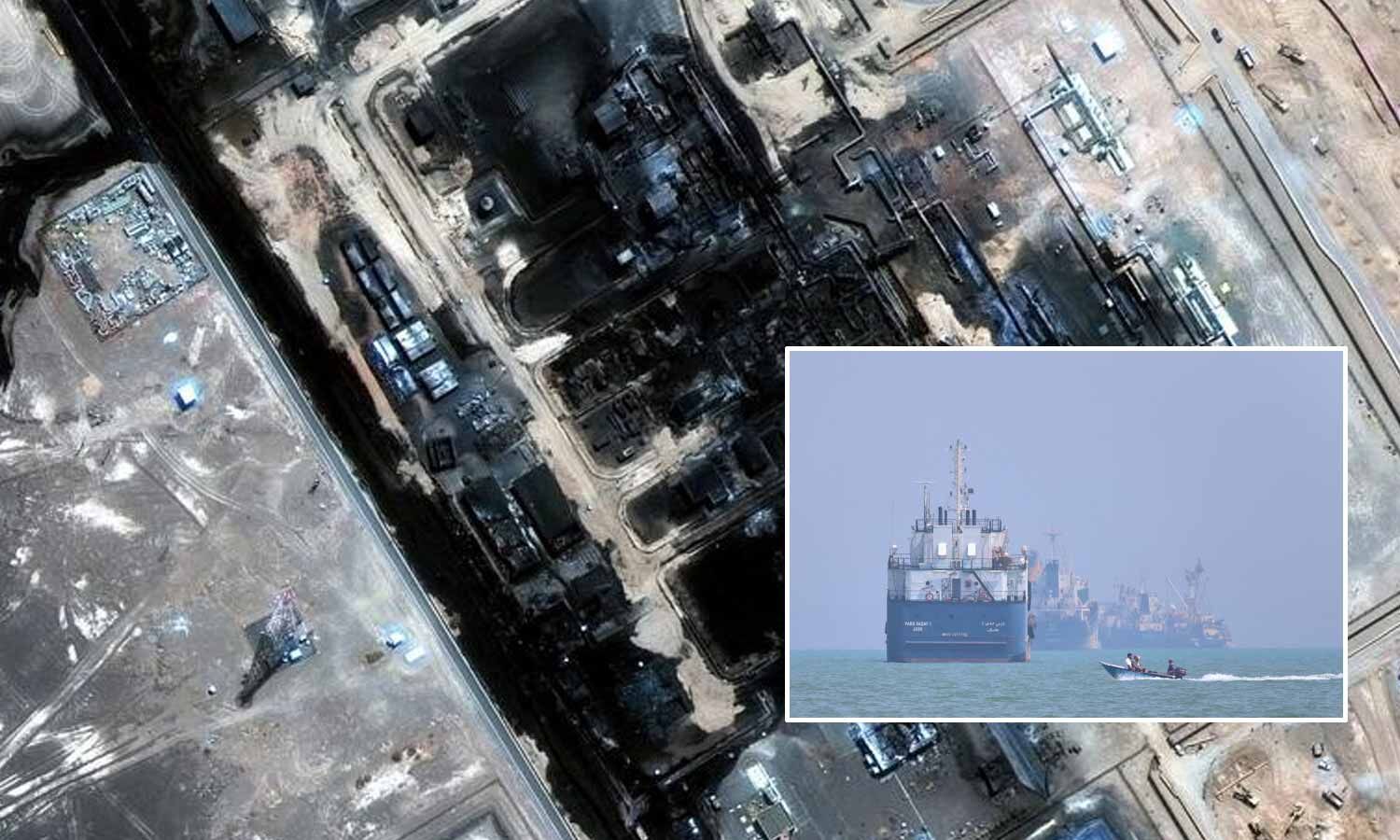
Iran also said ships could not freely pass through the Strait of Hormuz while sanctions and a naval blockade remain.
This waterway is important because much of the world’s oil normally travels through it.
The United States is asking refiners to voluntarily reduce diesel exports instead of banning them.
Some experts worry that reducing exports could make fuel supplies tighter in other countries.
Saudi Arabia and Iraq are restoring or increasing some oil shipments.
However, Asian oil and fuel supplies are still lower than before the conflict.

Brent crude briefly reached $106 a barrel as oil prices rose nearly 3%.
Iranian President Masoud Pezeshkian rejected US threats and defended Iran’s right to develop nuclear technology.
Iran said it would restrict navigation through the Strait of Hormuz while US sanctions and a naval blockade remain.
The Trump administration is pursuing voluntary diesel-export reductions rather than a formal ban.
Asian crude and refined-fuel imports are recovering but remain below pre-conflict levels.
- Who
- Iranian President Masoud Pezeshkian, the Iranian and US governments, US Energy Secretary Chris Wright, Saudi Arabia, Iraq, and oil-market participants.
- What
- Oil prices rose nearly 3% amid uncertainty over US-Iran negotiations, Middle Eastern supplies, and possible diesel-export restrictions.
- Where
- The developments involve Iran, the Strait of Hormuz, the Middle East, the United States, Saudi Arabia, Iraq, and Asian markets.
- When
- Thursday; inventory figures covered the week ended September 18, while indirect US-Iran talks took place on Tuesday.
- Why
- Markets are concerned that unresolved US-Iran tensions, sanctions, a naval blockade, and restricted shipping could disrupt oil and fuel supplies.
Iran’s Position
US Policy And Market Concerns
Sanctions and Strait of Hormuz
Iran’s Position
Iran says it will not allow freedom of navigation through the Strait of Hormuz while US sanctions and a naval blockade remain, and it is reviewing a US proposal to end hostilities.
US Policy And Market Concerns
The United States is negotiating indirectly with Iran, while the unresolved sanctions and blockade issues are contributing to uncertainty over global oil supplies.
Diesel exports
Iran’s Position
Analysts and market watchers warn that restricting US diesel exports may worsen global fuel supplies and increase economic disruption.
US Policy And Market Concerns
The Trump administration is pursuing voluntary reductions with refiners rather than imposing a formal export ban; Energy Secretary Chris Wright previously said a ban would not work.
Key facts
- Brent crude
- Touched $106 a barrel as prices rose nearly 3%.
- Strait of Hormuz
- Carried about 20% of global crude and refined products before the conflict.
- US crude inventories
- Rose by 3 million barrels to 426.4 million barrels in the week ended September 18.
- Diesel policy
- The Trump administration is working on voluntary US diesel-export cuts instead of a formal ban.
- Asian crude imports
- Forecast at 23.96 million barrels per day in September, about 13% below the pre-conflict three-month average.
- Asian distillate imports
- Forecast at 5.84 million barrels per day in September, more than 1 million barrels per day below pre-conflict levels.
- Iraqi exports
- Iraq is exporting more than 3 million barrels per day and expects Turkey-route exports to exceed 600,000 barrels per day.
Sources
Related news

Oil Prices Surge Above $90 as US-Iran Tensions Escalate
Oil Prices Rise as US-Iran Strikes Threaten Hormuz Supplies
Oil Nears $100 as Fresh US-Iran Strikes Revive Hormuz Fears

Oil prices edge lower amid United States-Iran war uncertainty
Brent Surges Above $100 as US-Iran Fighting Threatens Oil Supplies

Oil Rises as US Strikes Iranian Launchers Near Hormuz

Gold Falls ₹1,600 as Dollar and Oil Surge
Iran Warns War Could Spread to Indian Ocean After Attacks
Trump’s NATO Threat Contrasts With Expanded Greenland Military Pact
Trucks Jam Turkiye-Iran Border as Blockade Disrupts Trade