1 hr ago
Oil Prices Rise as Trump Rejects Iran’s Hormuz Proposal
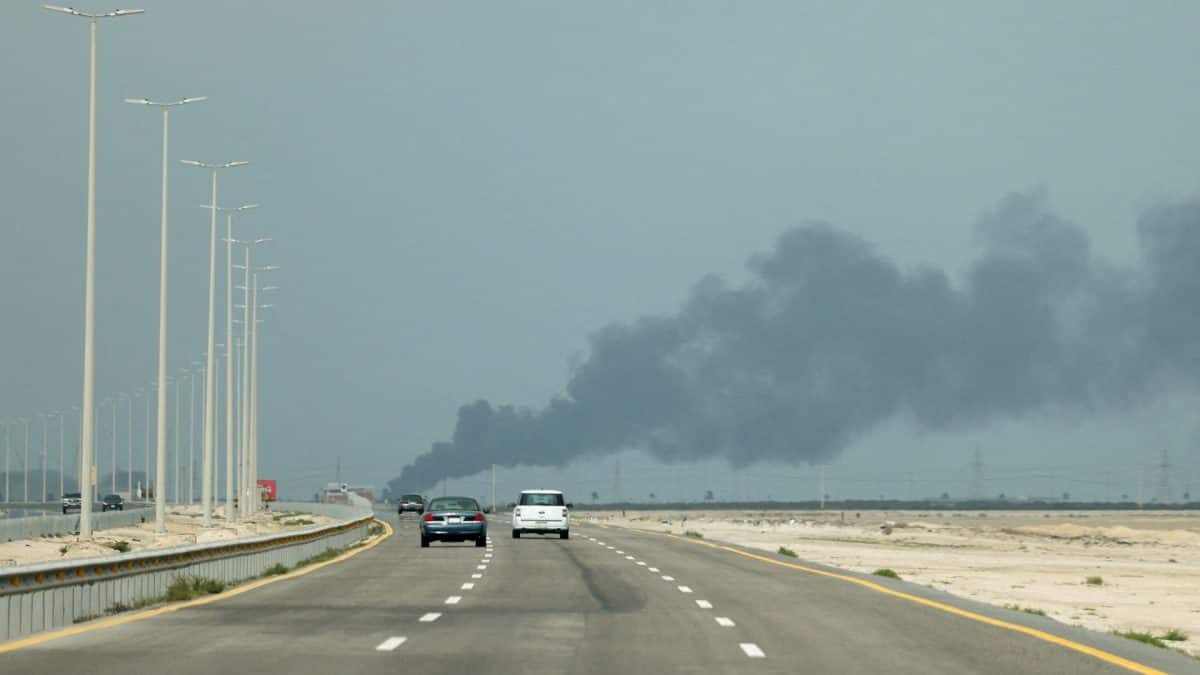
Oil became more expensive after the United States rejected Iran’s plan for reopening an important waterway.
Iran said the Strait of Hormuz could reopen within seven days if several conditions were met.
Those conditions included ending a US naval blockade, allowing more Iranian oil sales and agreeing to a ceasefire.
Donald Trump said Iran’s terms were unacceptable and that it had asked for too much.
However, he also said talks with Iran might resume this week.
The strait is a narrow route used to transport a large amount of the world’s oil and gas.
If ships cannot use it normally, energy supplies could become more uncertain and prices could rise.
Military threats involving Yemen, Saudi Arabia and the wider region added to the concerns.

Oil prices rose after Donald Trump rejected Iran’s proposal to reopen the Strait of Hormuz.
Iran’s plan called for reopening the waterway and resuming negotiations within seven days, subject to conditions.
Those conditions included lifting the US naval blockade, easing restrictions on Iranian oil sales and establishing a regional ceasefire.
Reported prices varied: Brent was listed at $98.64 a barrel in one market update and above $106 in another, while WTI moved toward $94.
The waterway previously carried about one-fifth of global crude oil and liquefied natural gas shipments, while regional military tensions remained high.
- Who
- Iran, United States President Donald Trump, Iranian Foreign Minister Abbas Araghchi and regional military forces are involved.
- What
- Oil prices rose after Trump rejected Iran’s conditions for reopening the Strait of Hormuz and restarting negotiations.
- Where
- The Strait of Hormuz and the wider Middle East, including Iran, Yemen and Saudi Arabia.
- When
- The developments were reported on Sunday and Monday; Trump said negotiations could resume this week.
- Why
- Uncertainty over the waterway’s reopening and continuing military tensions raised concerns about global energy supplies.
Iran’s Position
United States Position
Conditions for reopening the strait
Iran’s Position
Iran said the waterway could reopen within seven days if its conditions were met and maintained that the conditions had not changed.
United States Position
Donald Trump rejected the conditions as unacceptable and said Iran had overplayed its hand.
Diplomatic prospects
Iran’s Position
Iranian Foreign Minister Abbas Araghchi said Tehran remained committed to negotiations and that a diplomatic solution was possible.
United States Position
Trump rejected Iran’s proposal but said he expected negotiations with Iran to resume this week.
Activity through Hormuz
Iran’s Position
Iranian news agency Fars reported that Iranian forces targeted ships using routes they considered unauthorized.
United States Position
Trump said a record amount of oil was taken out of the strait on Saturday night.
Key facts
- Brent price report
- One market update reported December Brent futures up 1.23% at $98.64 a barrel; another said Brent rose above $106.
- WTI price report
- November West Texas Intermediate futures gained 1.06% to $93.39 in one update and moved toward $94 in another.
- Iran’s proposal
- Reopen the Strait of Hormuz and restart negotiations within seven days, subject to conditions.
- Iranian conditions
- The reported conditions included lifting the US naval blockade, easing restrictions on Iranian oil sales and a regional ceasefire.
- Strait significance
- The Strait of Hormuz previously carried about one-fifth of the world’s crude oil and liquefied natural gas shipments.
- Conflict timeline
- The US-Iran conflict was described as entering its eighth month.
- Regional security
- Saudi-led coalition forces said they intercepted Houthi drones headed toward Riyadh and a missile targeting Khamis Mushait.
Sources
Related news

Oil Prices Surge Above $90 as US-Iran Tensions Escalate

Oil Prices Fall as US-Iran Talks Raise Hormuz Reopening Hopes
Oil Prices Rise as US-Iran Strikes Threaten Hormuz Supplies

Oil Surges Above $90 as Hormuz Risks Intensify
Oil Nears $100 as Fresh US-Iran Strikes Revive Hormuz Fears
Oil Prices Near USD 100 as Iran-US Tensions Disrupt Supply

Trump Weighs Diesel Export Ban as Prices Hit Records
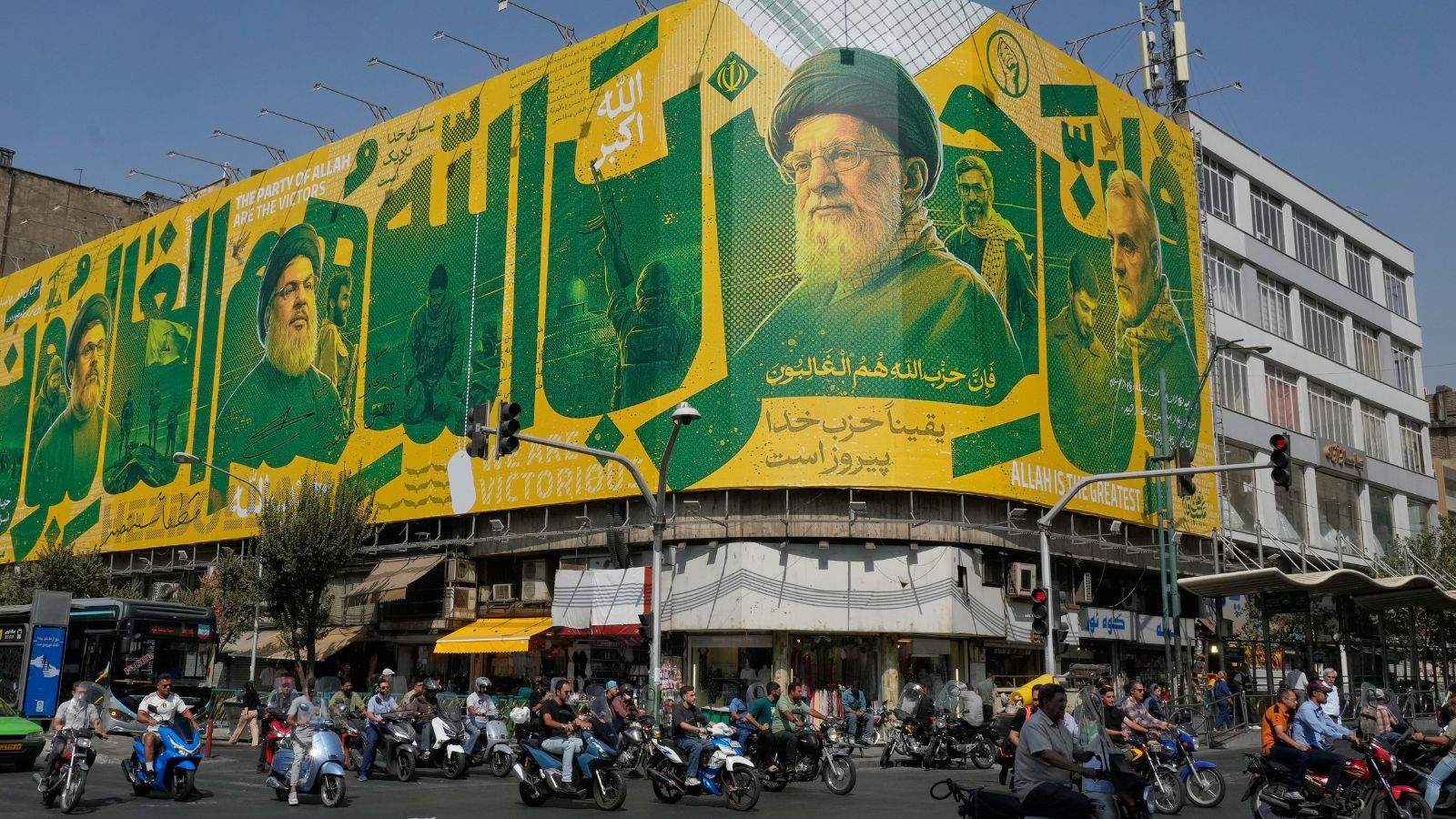
US-Iran standoff deepens as diplomacy and military threats continue

Gold Falls as Iran Impasse Fuels Further Fed Rate Bets

Gold Faces Pressure as Yields Rise and Fed Bets Shift