1 month ago
India‑China Ties: Managed Competition, Not Reconciliation

India and China are working together, but they are not fully reconciling their differences.
They have agreed to patrol their shared border and have started flying and trading again.
The leaders met in 2024 and 2025 to talk about this.
In July 2026, India’s Foreign Secretary visited Beijing to make the agreements happen.
Experts say the big problems like border claims and trade imbalance are still there, so this is not a complete reset.

India and China adopt a managed competition approach, with limited cooperation, not reconciliation, per Politeia Research Foundation report.
Leaders met in 2024 (BRICS Summit in Kazan) and 2025 (SCO in Tianjin) after a 2024 LAC patrolling agreement ended a four‑year border standoff.
Flights, visas, and the Kailash‑Mansarovar Yatra have resumed, and border trade points are being prepared for reopening.
Foreign Secretary Vikram Misri visited Beijing in July 2026 to operationalise the leaders’ guidance and met Chinese officials including Vice Minister Hua Chunying.
The PRF report warns that unresolved boundary claims, military deployments, trade imbalance, and Chinese assertiveness remain, so the steps should not be seen as a full reset.
- Who
- Indian officials (Prime Minister Narendra Modi, Foreign Secretary Vikram Misri) and Chinese officials (President Xi Jinping, Vice Minister Hua Chunying)
- What
- India and China are engaging in limited cooperation under a managed competition framework, not a full reconciliation
- Where
- India, China, Line of Control, Tianjin, Kazan, Beijing
- When
- Since 2024, with key meetings in 2024 and 2025, and Misri’s visit in July 2026
- Why
- To address border disputes, resume flights, visas, trade, while structural issues remain unresolved
Key facts
- Approach
- Managed competition, limited cooperation
- Key Agreement
- LAC patrolling agreement (2024)
- Key Meetings
- 2024 BRICS Summit in Kazan; 2025 SCO in Tianjin
- Foreign Secretary Visit
- July 2026
- Key Issues Remaining
- Boundary claims, military deployments, trade imbalance, Chinese assertiveness
Quotes
Politeia Research Foundation
Research organization report
“Yet to describe these steps as a genuine reset risks overstating their depth. The underlying structural problems- unresolved boundary claims, persistent military deployments, a lopsided trade relationship, and Chinese assertiveness in India’s neighbourhood remain intact. India’s approach is one of managed competition and limited cooperation, not reconciliation.”
 thehansindia.com
Foreign Secretary Shri Vikram Misri and Vice Minister Hua Chunying
India’s Foreign Secretary and China’s Vice Minister of Foreign Affairs
“Foreign Secretary Shri Vikram Misri met H.E. Ms Haus Chunying, Vice Minister of Foreign Affairs of China. They reviewed the entire gamut of bilateral relations, discussing means of advancing the vision of the two leaders that India and China are partners and development opportunities for each other, including through mutually beneficial outcomes across trade and economic ties, culture, and people‑to‑people exchanges. Both sides acknowledged the importance of maintaining peace and tranquillity in”
thehansindia.com
Sources
Related news

India-China Talks Seek Border Progress Amid Calls for Peace
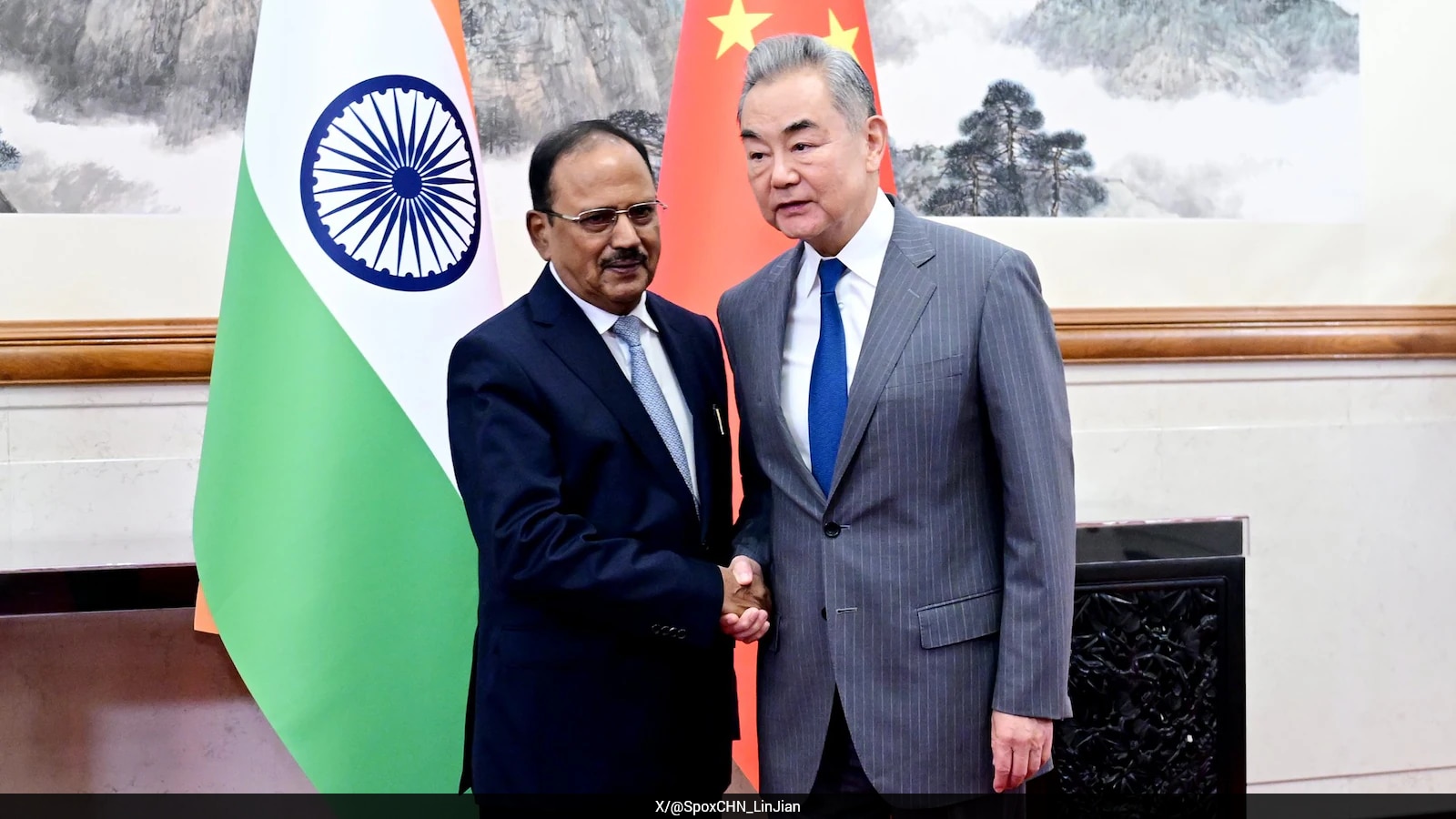
India, China Explore Early Harvest Approach in Border Talks

Modi, Xi Handshake Signals Cautious India-China Diplomatic Thaw
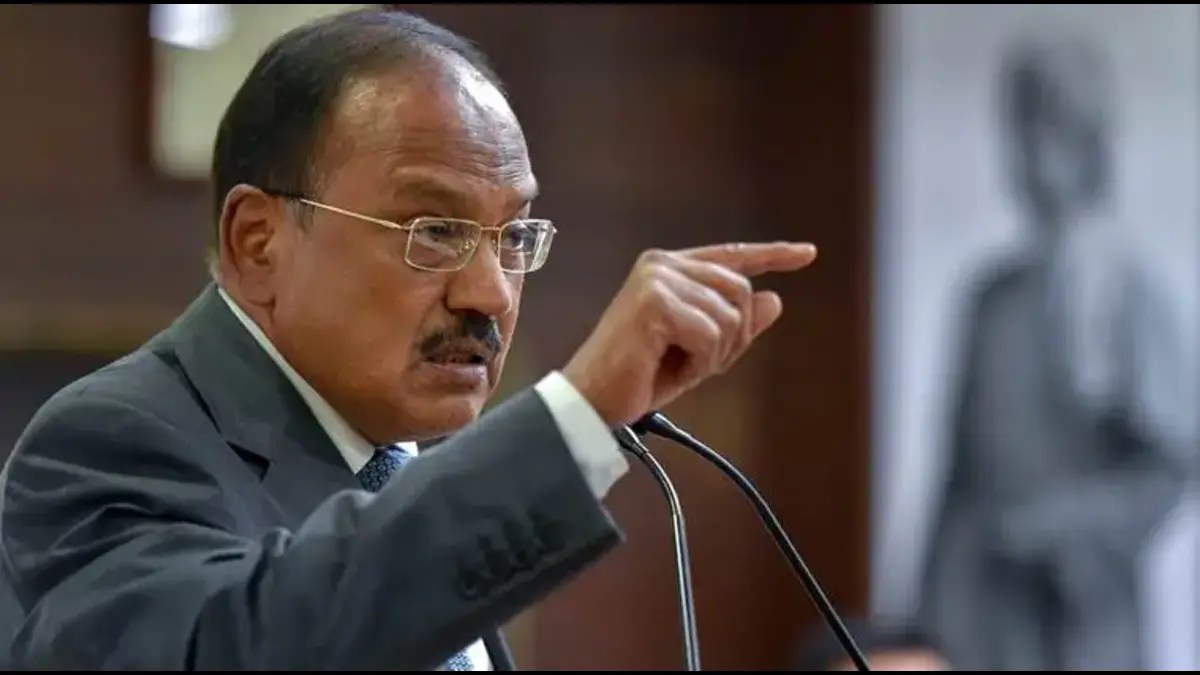
Doval’s Beijing Talks Test India-China Border Thaw and Engagement

China says Sino-India border generally stable amid Arunachal tensions
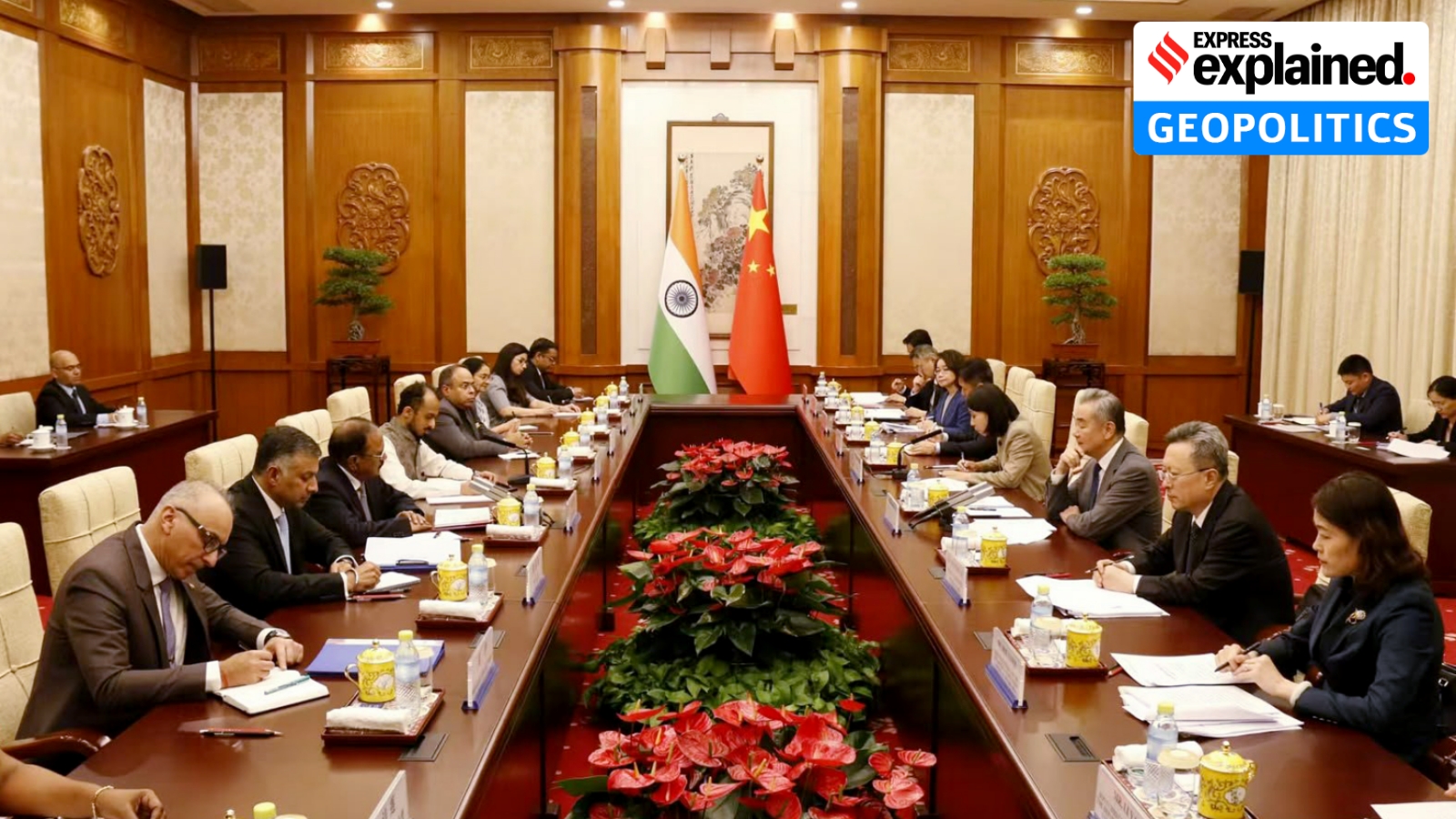
India-China Talks Consolidate Border Stabilisation, But Resolution Remains Distant

Kailash Mansarovar Pilgrims Reach India After Nepal Flood Detour

49 Tamil Nadu Pilgrims Missing After China-Side Flash Floods
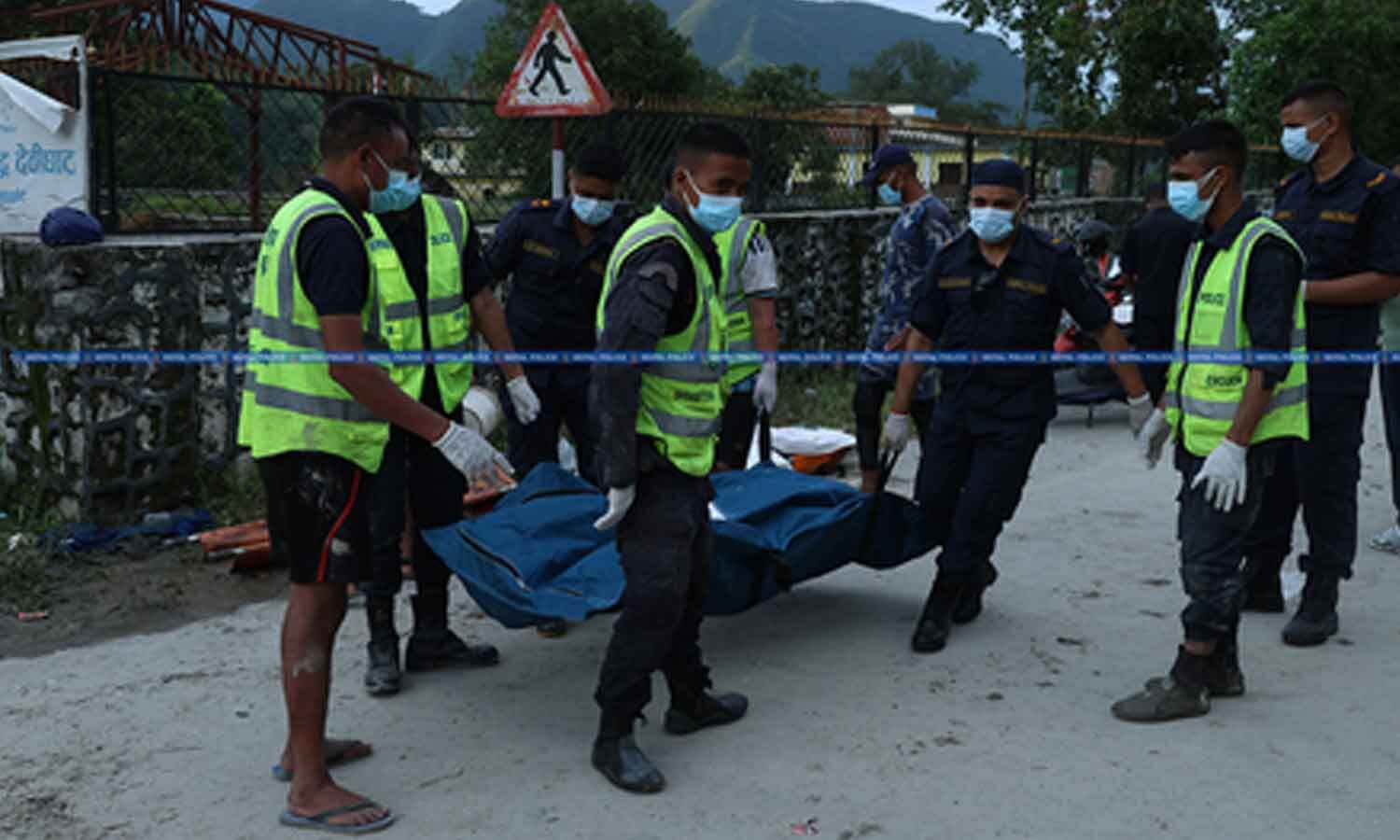
Gujarat Nepal Flood Missing Tally Rises to 26
Maharashtra Kailash Pilgrims Return After Nepal Floods And Landslides
Maharashtra Tourists Return Safely After Nepal Flash Floods