

1 week ago
India-China Talks Consolidate Border Stabilisation, But Resolution Remains Distant
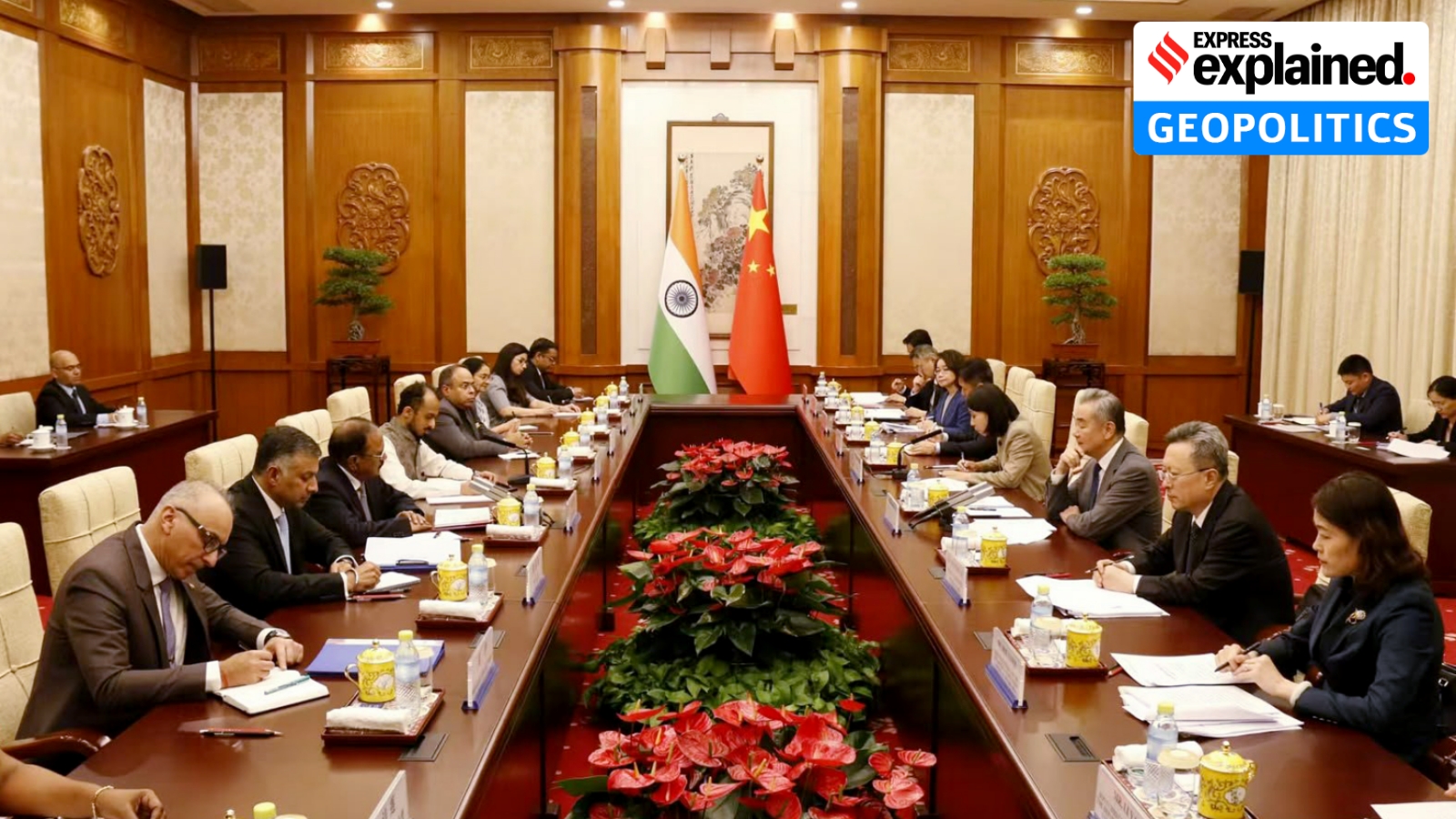
India and China have a long, unsettled border in the Himalayas.
Their soldiers fought a serious clash in the Galwan area in 2020.
Since then, the two countries have held talks and moved some troops away from each other.
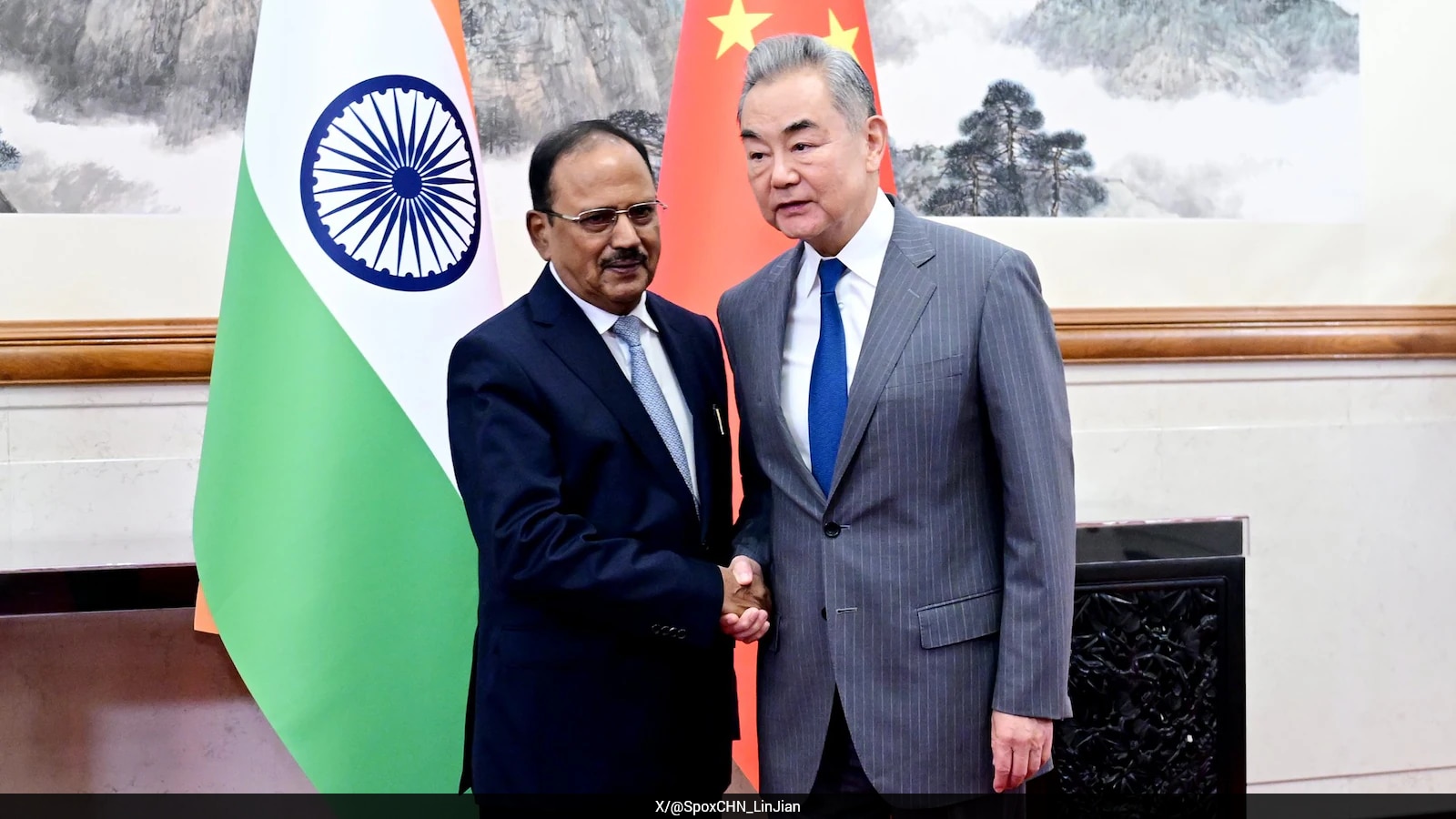
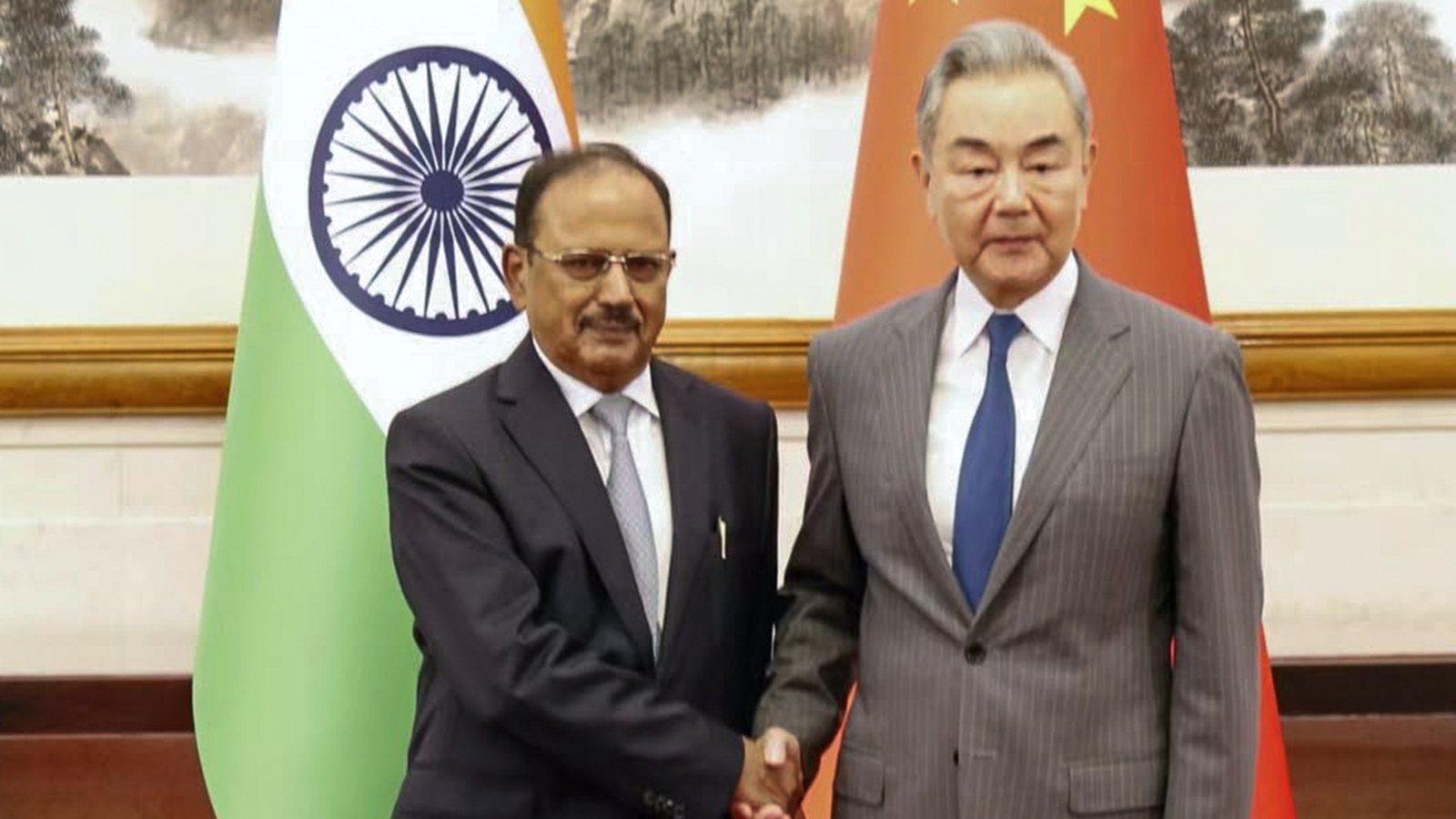
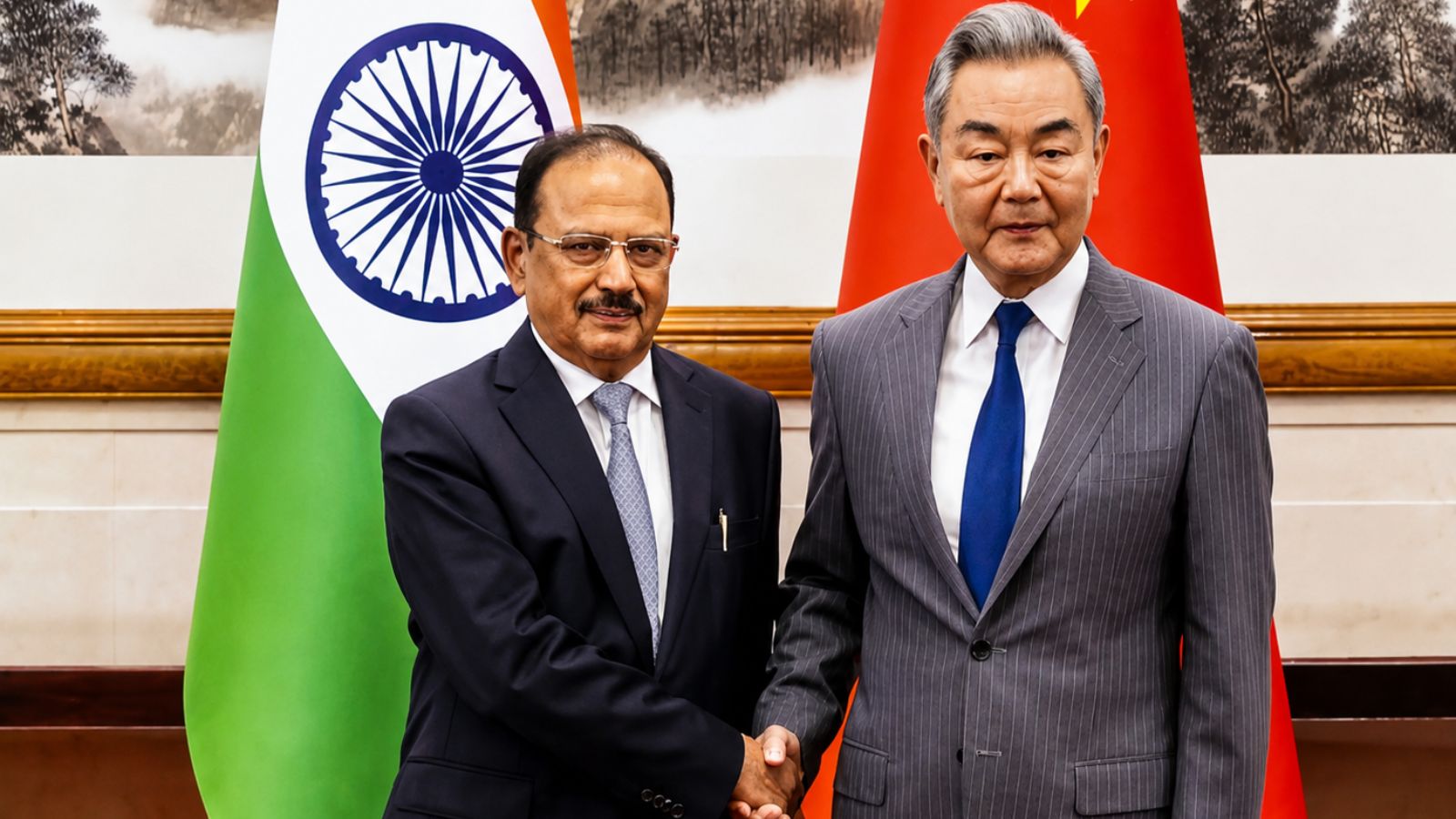
Ajit Doval of India and Wang Yi of China recently met in Beijing for another round of discussions.
They agreed to keep talking about the border and other issues.
India believes the border must become peaceful before the wider relationship can fully improve.
China wants the border problem managed while trade and other cooperation continue.
The latest meeting did not announce a new troop withdrawal or change in patrol rules.
This means relations are improving carefully, but the border disagreement is still far from resolved.

Ajit Doval and Wang Yi held the 25th India-China Special Representatives meeting in Beijing on August 25.
Both sides reaffirmed dialogue toward a fair, reasonable and mutually acceptable settlement of the 3,500-kilometre Himalayan border.
The meeting produced no new measures on military disengagement, patrolling protocols or buffer zones.
India links lasting bilateral stability to peace along the Line of Actual Control, while China wants broader ties to advance alongside boundary management.
The talks signal cautious reconciliation, but military pressure, strategic rivalry and a continuing trust deficit make a boundary settlement unlikely soon.
- Who
- India’s National Security Adviser Ajit Doval and China’s Foreign Minister Wang Yi led the 25th Special Representatives meeting.
- What
- They reviewed bilateral relations and discussed the boundary dispute, border stability and broader regional and international issues.
- Where
- The meeting was held in Beijing, concerning the roughly 3,500-kilometre Himalayan border and the Line of Actual Control.
- When
- The meeting took place on August 25; India agreed to host the 26th round in Delhi in 2027.
- Why
- Both countries seek to prevent another military clash and gradually normalise relations, although they differ over how the boundary issue should relate to wider cooperation.
India’s Sequential Approach
China’s Holistic Approach
Relationship and border peace
India’s Sequential Approach
India views durable peace and tranquillity along the Line of Actual Control as a foundation for a stable overall relationship.
China’s Holistic Approach
China argues that the boundary issue should remain in its proper place while broader bilateral cooperation and relations continue to develop.
Meaning of the latest talks
India’s Sequential Approach
The dialogue is important for border stabilisation and crisis prevention, but the absence of new disengagement measures limits its immediate results.
China’s Holistic Approach
Managing the boundary dispute while expanding trade and other cooperation supports a broader political relationship.
Prospects for a settlement
India’s Sequential Approach
India remains concerned about Chinese military infrastructure, deployments and pressure along the Line of Actual Control.
China’s Holistic Approach
China’s broader engagement can continue despite the unresolved border, although the article says its military pressure has not clearly eased.
Key facts
- Meeting
- 25th round of India-China Special Representatives talks
- Participants
- Ajit Doval and Wang Yi
- Border length
- About 3,500 kilometres of un-demarcated Himalayan border
- Latest outcome
- Both sides reaffirmed an open dialogue and a fair, reasonable and mutually acceptable settlement
- New military measures
- No fresh measures were announced on disengagement, patrolling protocols or buffer zones
- Trade
- Bilateral trade exceeded $151 billion, with China recording a $112 billion surplus
- Next meeting
- India will host the 26th Special Representatives meeting in Delhi in 2027
Sources
Related news
Doval’s Beijing Talks Test India-China Border Thaw and Engagement
India-China Border Talks Seek Peace Amid Arunachal Tensions
India-China Resume Border Talks, Seek Political Settlement
India, China Explore Early Harvest Approach in Border Talks

India-China Talks Seek Border Progress Amid Calls for Peace
India-China Border Talks Seek Stability and Boundary Progress
Doval and Wang Yi Advance India-China Border Talks
Doval Holds Beijing Talks as China Urges Long-Term Relations
Xi Jinping Expected in Delhi for BRICS Summit
