1 week ago
Pune Copper Plates Reveal Guntur’s First Epigraphical Reference
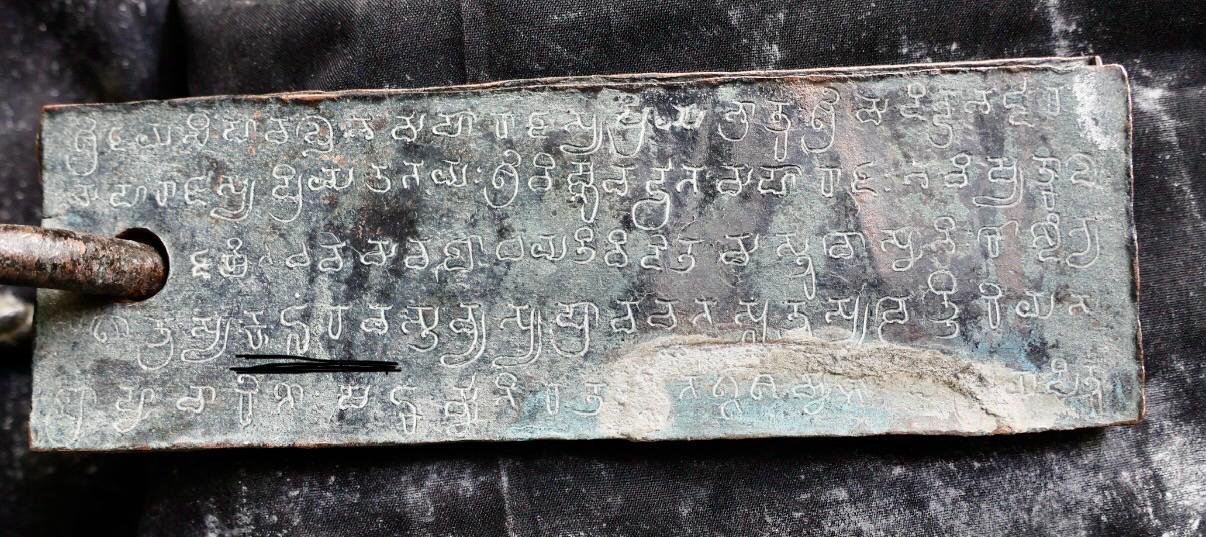
The Archaeological Survey of India found an old record about Guntur.
The record is written on copper plates found in Pune.
It was made during the rule of King Vishnuvardhana II.
The plates date to 669 CE, which was the king’s first year as ruler.
This is described as the first epigraphical reference to Guntur.
A later inscription from the 10th century called Guntur “Gomturu.”
The name appeared in other inscriptions between the 10th and 14th centuries.
These records show how the name of Guntur appeared in historical inscriptions over time.

The Archaeological Survey of India found the earliest epigraphical reference to Guntur in Pune copper plates.
The plates were issued by Eastern Chalukya king Vishnuvardhana II in 669 CE.
The inscription dates to the king’s first regnal year.
A 10th-century Ederu copper plate inscription records Guntur as “Gomturu.”
The name “Gomturu” also appeared in inscriptions dating from the 10th to the 14th century.
- Who
- The Archaeological Survey of India and King Vishnuvardhana II of the Eastern Chalukya Dynasty.
- What
- The Pune copper plates provide the first epigraphical reference to Guntur.
- Where
- The relevant copper plates were found in Pune; the report was datelined Vijayawada.
- When
- The plates were issued in 669 CE, during Vishnuvardhana II’s first regnal year; another reference dates to the 10th century.
- Why
- The articles do not state why the copper plates were issued.
Key facts
- Discoverer
- Archaeological Survey of India
- Recorded place
- Guntur
- Historical ruler
- Vishnuvardhana II
- Dynasty
- Eastern Chalukya Dynasty
- Date of Pune plates
- 669 CE
- First-year context
- The plates were issued in the king’s first regnal year
- Later name for Guntur
- “Gomturu” in a 10th-century Ederu copper plate inscription
Sources
Related news
ASI Digitises 3,500 Ancient Inscriptions for Online Access
11th Century Telugu-Kannada Inscription Discovered at Dundigal Temple
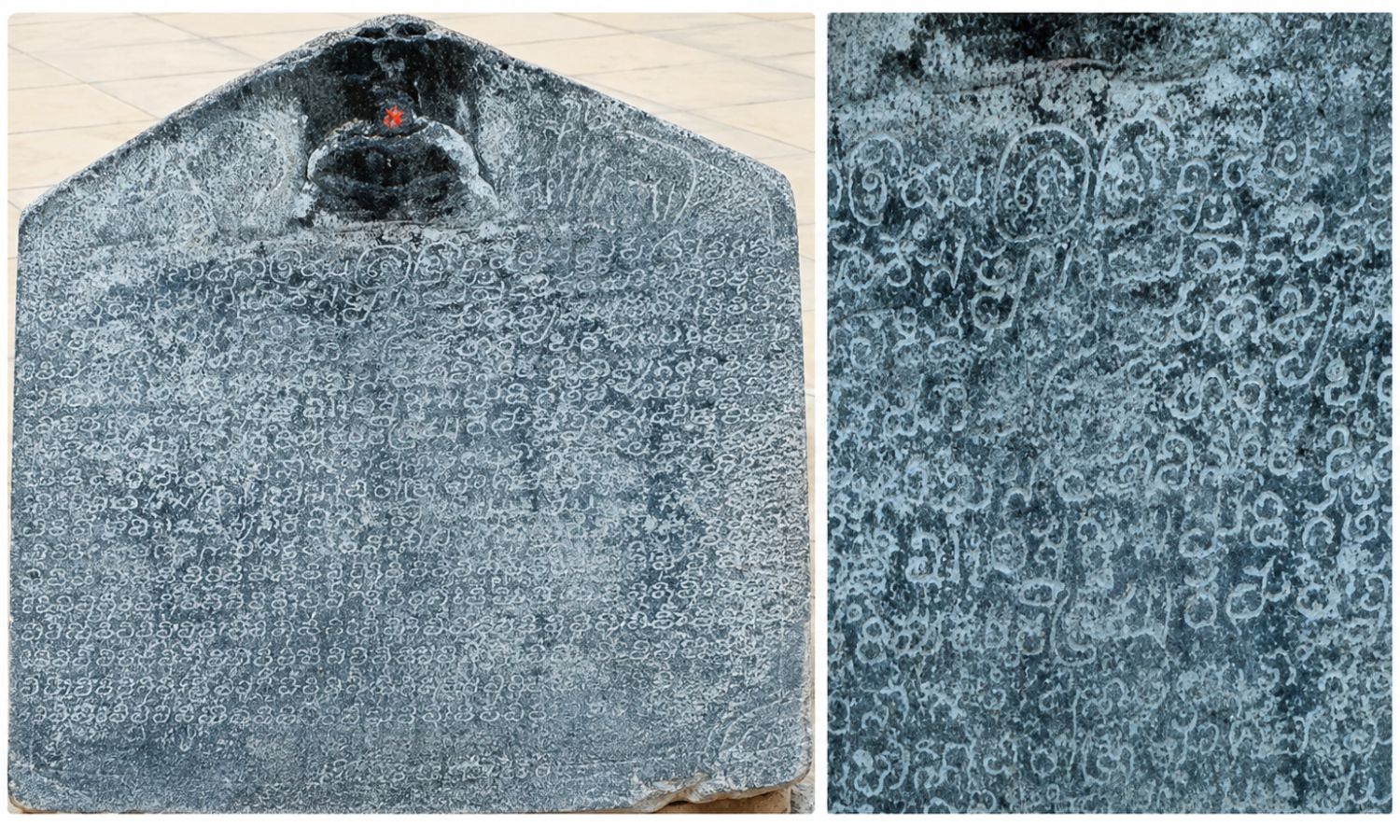
11th-Century Jain Inscription Discovered at Dundigal Temple
Chola-Era Inscription Found at Tiruvannamalai’s Vengikkal Lake
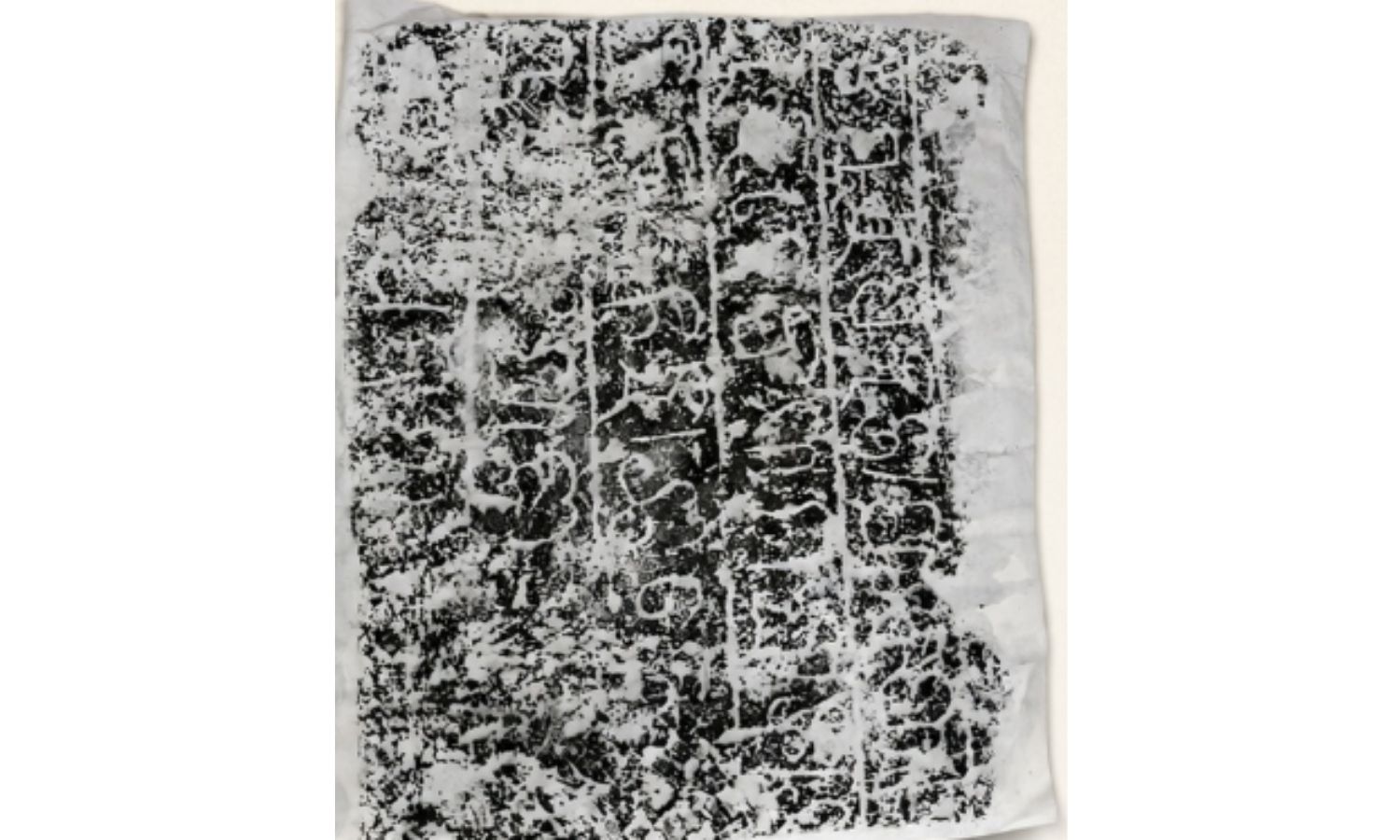
Gajapati-Era Odia Inscription Found Inside Tekkali Royal Palace
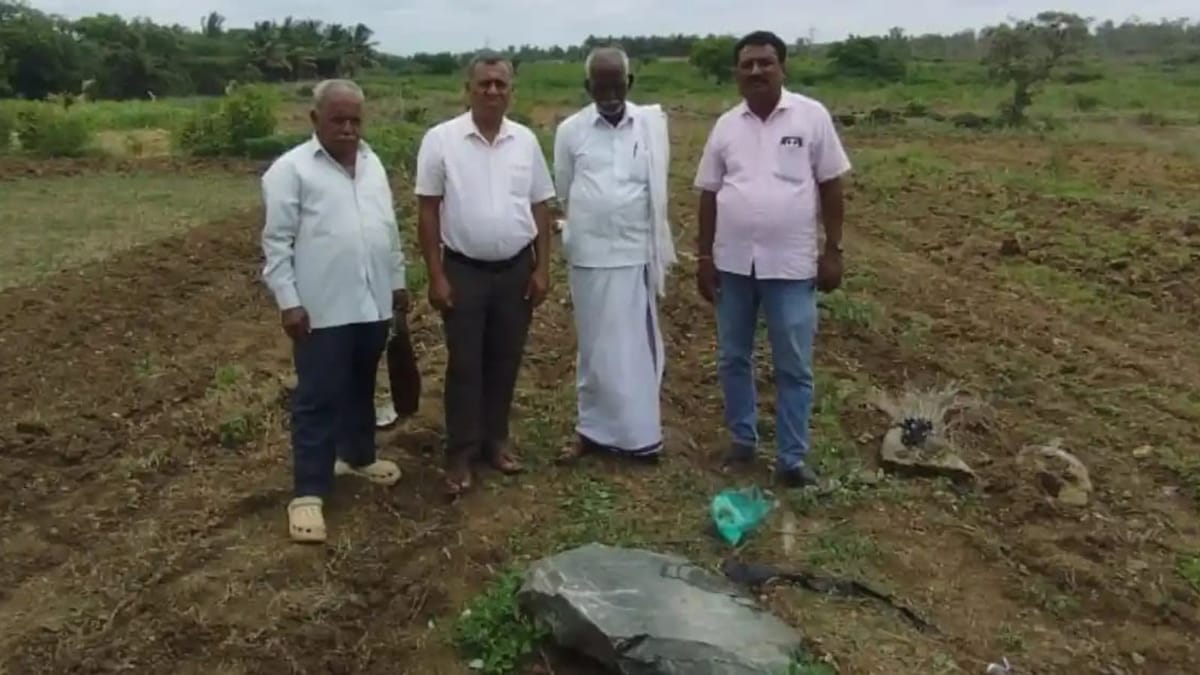
16th-century Karnataka inscription warns land grabbers with royal curse
Pawan Kalyan Birthday Celebrations Feature Bike Rallies Across Andhra Pradesh
Collector Rajakumari Receives Red Cross Gold Medal for Services
IB Detains Shivtek Safety Officer Amid 2016 Blast Concerns

Krishna Collector Balaji Receives Red Cross Seva Swarna Award Again
AP Governor Presents Red Cross Awards to Seven District Collectors