2 weeks ago
Remembering the Punjab Boundary Force and the Shadow of Partition
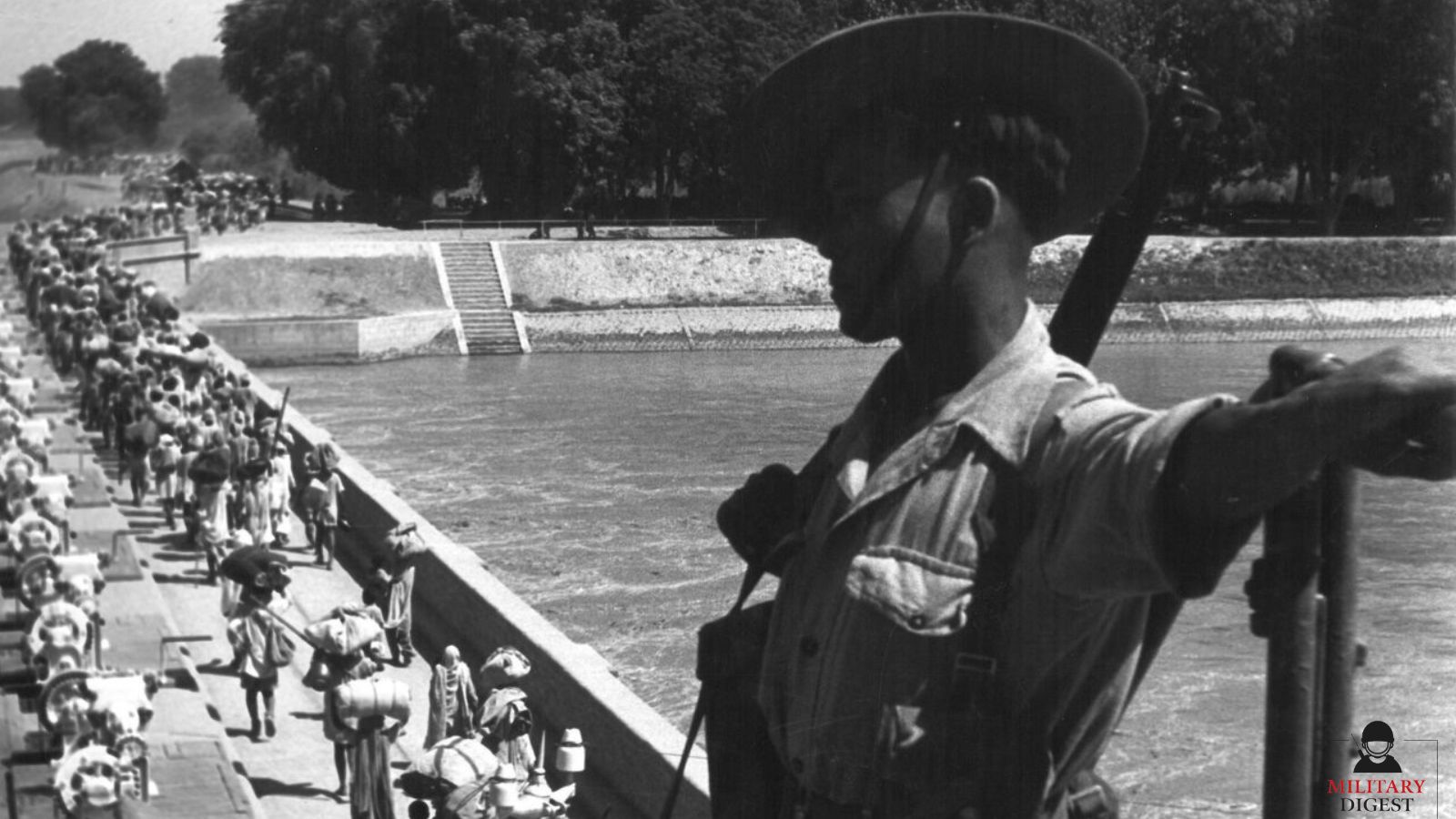
When India and Pakistan became two separate countries in 1947, the land called Punjab was cut in half by a line drawn on a map.
This made many people very scared and angry, and terrible fighting broke out between neighbours.
To try to stop the fighting, leaders created a special group of soldiers called the Punjab Boundary Force.
It was made up of soldiers from both new countries and was led by Major General T W Rees.
The force had to guard a huge area, bigger than Scotland and Wales put together, with nearly 17,000 villages.
But the fighting was too big and too fast for the soldiers to stop.
Some soldiers even fought on the side of their own communities instead of keeping the peace, which made things worse.
After only a few weeks, leaders decided the force had failed, and it was shut down at the end of August 1947.
Then India and Pakistan each took charge of their own side of the boundary with their own soldiers.
The Punjab Boundary Force is remembered as a sad lesson from a very painful time in history.

The Punjab Boundary Force (PBF) was a mixed Indian-Pakistani military force created in 1947 to curb communal violence during the Partition of Punjab.
Commanded by Major General T W Rees, the force covered 12 disturbed districts spanning about 37,500 square miles, larger than Scotland and Wales combined.
Within days the force was overwhelmed as communal fury, the collapse of civil administration and under-strength units eroded its impartiality.
Muslim units were implicated in atrocities, including a Baluch Regiment battalion massacre of Hindus and Sikhs in Sheikhupura and the reported shooting of over 600 Sikhs in Gurdaspur.
The force was abolished effective midnight August 31-September 1, 1947, after a special Joint Defence Council meeting, with India and Pakistan setting up separate military headquarters.
- Who
- Major General T W Rees commanded the Punjab Boundary Force, a mixed force of Indian and Pakistani troops created at the request of Lord Mountbatten and Field Marshal Sir Claude Auchinleck.
- What
- The Punjab Boundary Force, a neutral military force formed to prevent communal violence in Punjab during the 1947 Partition, was overwhelmed and disbanded within weeks.
- Where
- 12 districts of Punjab including Sialkot, Gujranwala, Sheikhupura, Lyallpur, Montgomery, Lahore, Amritsar, Gurdaspur, Hoshiarpur, Jullundur, Ferozepur and Ludhiana.
- When
- Formed in July 1947 and operational from August 15, 1947; abolished effective midnight August 31-September 1, 1947.
- Why
- To contain communal violence that erupted as the Radcliffe Line divided Punjab between the new dominions of India and Pakistan.
Key facts
- Commander
- Major General T W Rees
- Established
- July 1947, following a Partition Council decision on July 17
- Abolished
- Midnight, August 31-September 1, 1947
- Area of responsibility
- 12 districts, about 37,500 square miles, 26 towns and nearly 17,000 villages
- Advisers
- Colonel Ayub Khan (Muslim) and Brigadier Digambar Singh (non-Muslim)
- Strength
- About 5 infantry brigades plus local units equivalent to roughly two divisions
- Key incidents
- Baluch Regiment battalion massacre in Sheikhupura; reported killing of over 600 Sikhs in Gurdaspur
- Outcome
- Disbanded; India and Pakistan each established new military headquarters for their portions of the boundary area
Quotes
Alan Campbell‑Johnson
Press attaché to Lord Mountbatten
“"steady and experienced troops began to feel the tug of communal loyalties deeper even than their military discipline."”
 indianexpress.com
Punjab Boundary Force communiqué
Official statement of the Punjab Boundary Force
“"the overall situation in the areas of the Punjab Boundary Force can nowhere be described as satisfactory."”
indianexpress.com
Sources
Related news
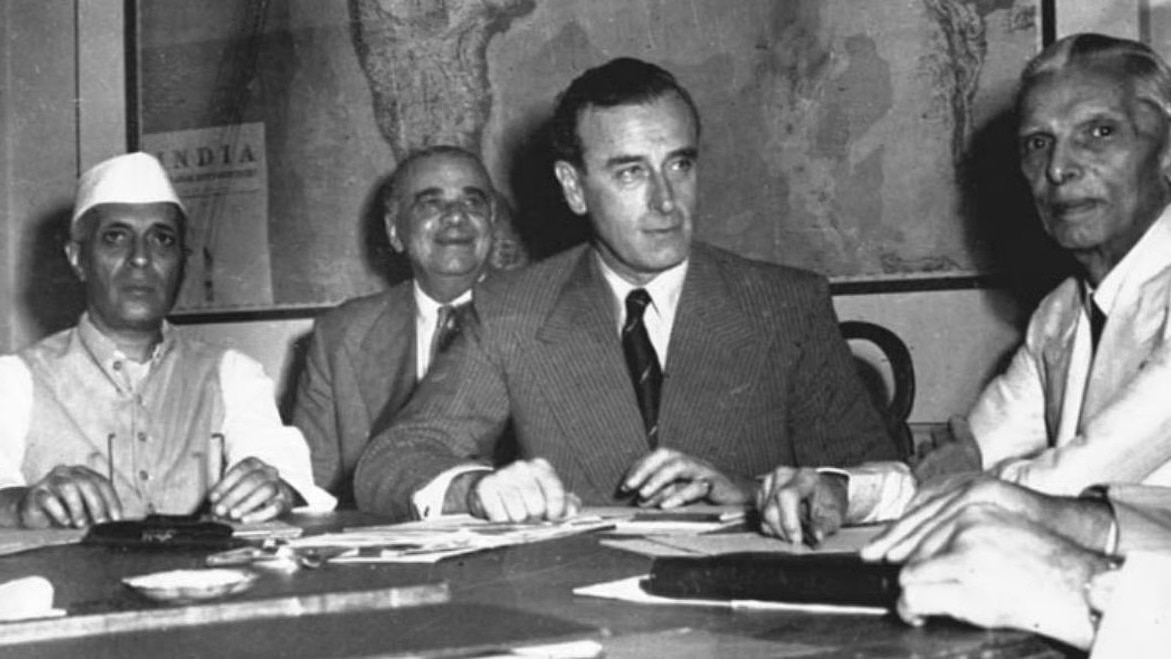
Cyril Radcliffe's five-week map carved India-Pakistan border, displacing millions
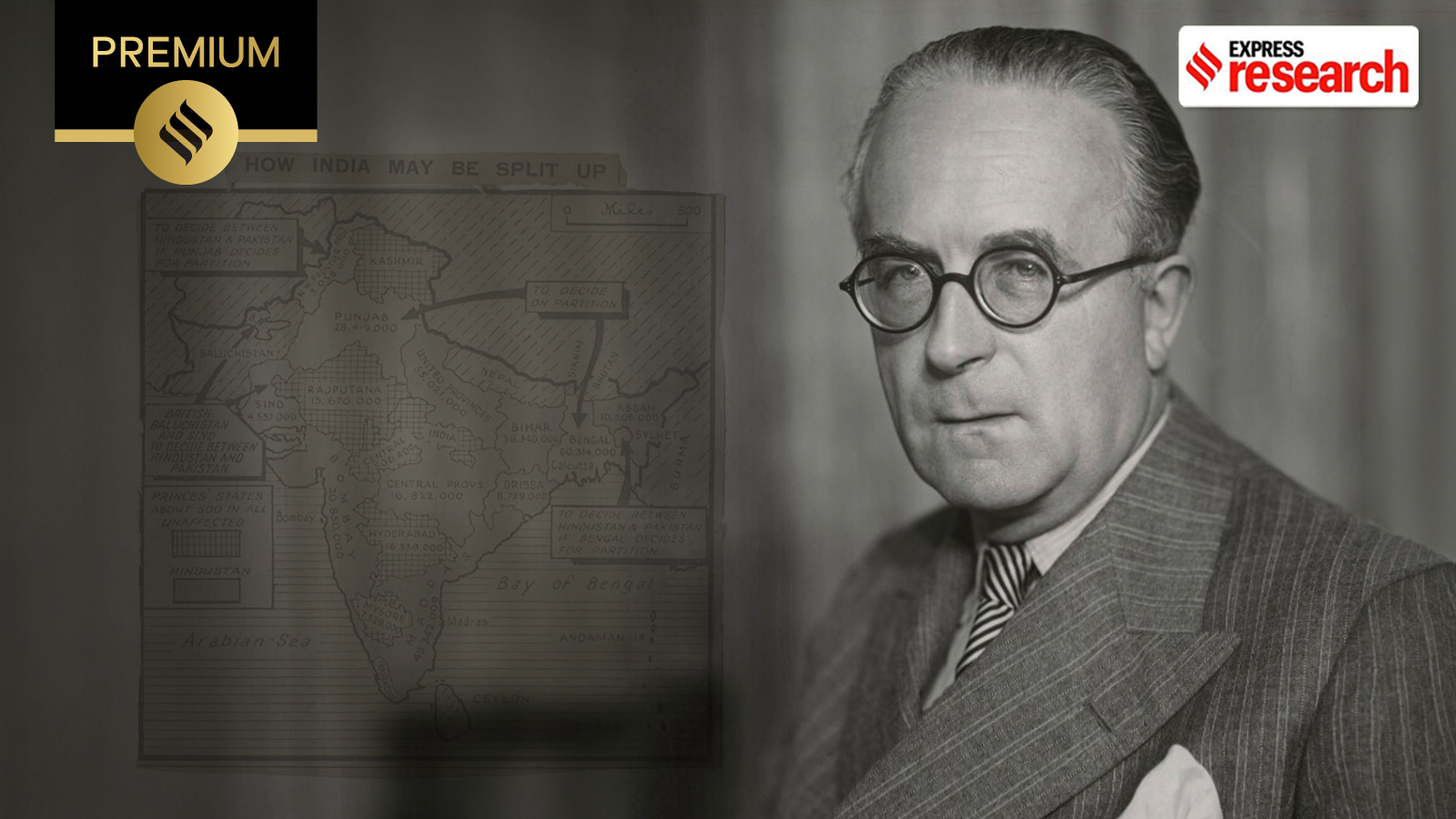
Sir Cyril Radcliffe: The Man Who Drew India-Pakistan Borders
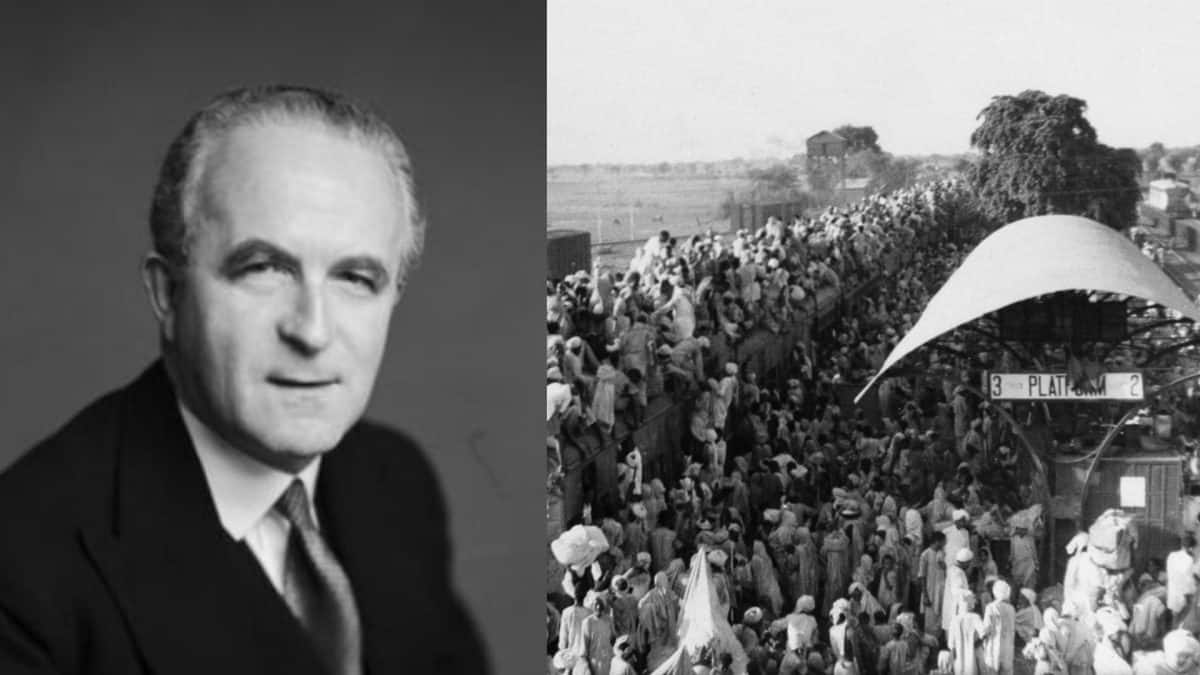
Radcliffe Line: How 1947 Partition Divided India, Pakistan
The Man Who Drew the India-Pakistan Border Burnt His Papers

Remembering the Horrors of the 1947 Partition of Bharat
UPSC Daily History Quiz Tests Knowledge of India's Past
Shami Shines as East Zone Reaches Duleep Trophy Final

Bengal Reports Over 4,000 Dengue Cases, Down 50% This Year

Bengal Rolls Out QR System To Monitor Waste Segregation
LPG e-KYC Deadline Ends as 12 Lakh Users Remain Pending

Five Taal Recipes Bring Bengal’s Monsoon Fruit to Janmashtami