1 hr ago
Fourteen Shark Teeth Reveal Ancient Sea Beneath Sahara Desert
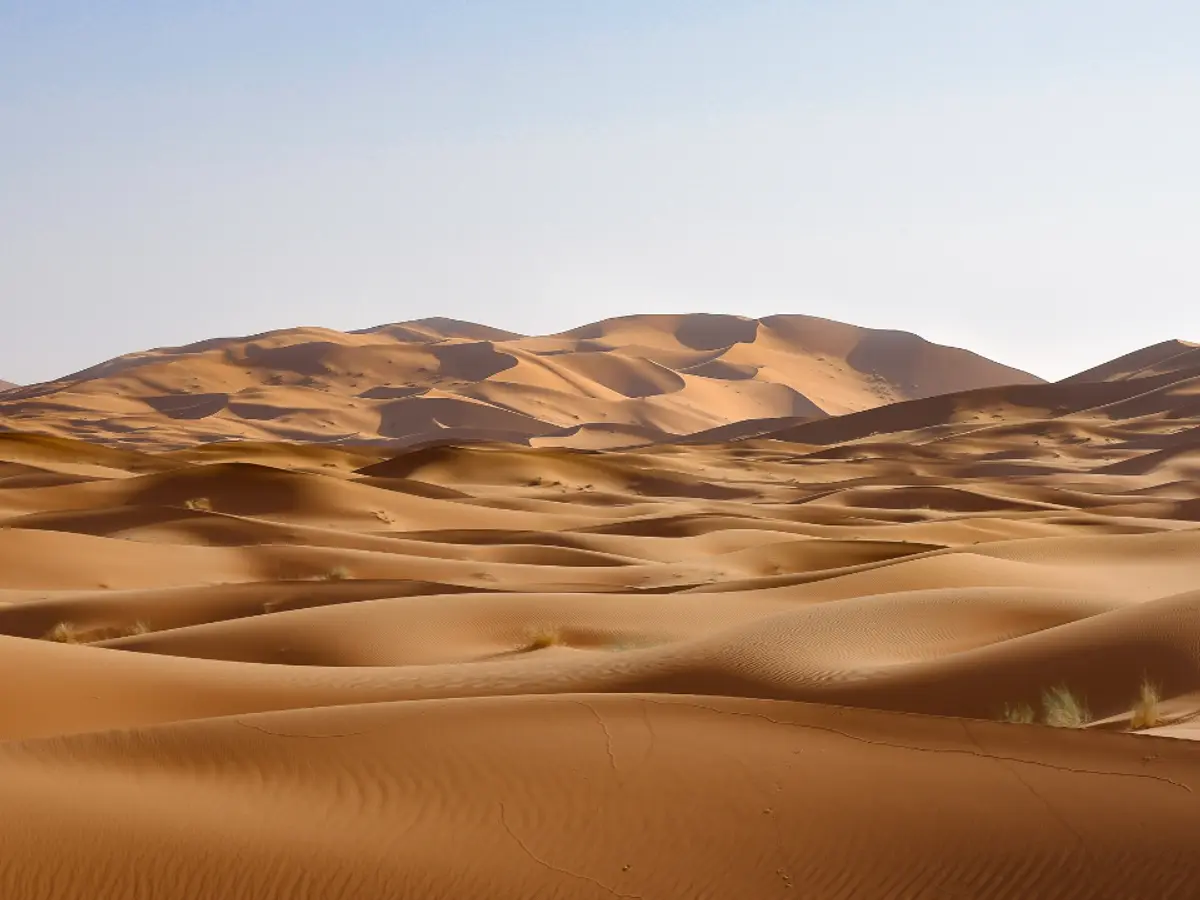
Scientists found 14 fossil shark teeth in Egypt’s Sahara Desert.
The teeth belonged to at least five kinds of sharks that lived millions of years ago.
Back then, this part of Egypt was covered by a warm, shallow sea.
Some sharks likely lived in deeper water, while others used shallower areas.
The shapes of their teeth also suggest different ways of catching or eating prey.
Other fossils from the area include fish, sea turtles, and marine reptiles.
Together, these discoveries show that the ancient sea supported many kinds of life.
The study was published in Cretaceous Research.

Palaeontologists found 14 shark teeth in Egypt’s Abu-Tartur Plateau, in the Western Desert.
The teeth date to the Campanian stage of the Late Cretaceous, roughly 84 to 72 million years ago.
Researchers identified at least five shark species from the teeth; remains of two other species had previously been found at the sites.
The fossils were preserved in phosphate-rich rocks of the Duwi Formation, which contains traces of an ancient sea.
The study, published in Cretaceous Research, says the different sharks suggest varied marine habitats, from deeper water to shallower settings.
- Who
- A team of palaeontologists led by Tarek Yassin of Cairo University.
- What
- Researchers found and identified 14 shark teeth representing at least five species.
- Where
- The Abu-Tartur Plateau in Egypt’s Western Desert.
- When
- The fossils date to the Campanian stage of the Late Cretaceous, roughly 84 to 72 million years ago; the study was published in Cretaceous Research.
- Why
- The teeth help researchers understand the ancient marine environment and the variety of habitats and life it supported.
Evidence for Ancient Habitats
Limits of Interpretation
What the tooth diversity indicates
Evidence for Ancient Habitats
The researchers interpret the different shark groups as evidence of varied marine settings, including deeper water, open-shelf areas, and possibly shallower water.
Limits of Interpretation
The article presents these habitat assignments as associations or possibilities; the teeth alone do not establish the exact conditions in every part of the ancient sea.
Key facts
- Fossils found
- 14 shark teeth
- Species represented
- At least five shark species
- Fossil location
- Abu-Tartur Plateau, Egypt’s Western Desert
- Geological age
- Campanian stage of the Late Cretaceous, roughly 84 to 72 million years ago
- Rock formation
- Duwi Formation, including phosphate-rich rocks
- Research lead
- Tarek Yassin of Cairo University
- Journal
- Cretaceous Research
Sources
Related news

Ancient Antarctic Wildfires Revealed in 90-Million-Year-Old Sediments
Endangered Whale Shark Spotted Near California During El Niño
Maldives Underwater Suite Offers Luxury Guests Close Shark Encounters
Scientists Identify 57 New Species in Argentina’s Deep-Sea Canyon
Ocean Photographer of the Year 2026 Showcases Deep-Sea Wonders
Scientists Reconstruct Chirps Of Jurassic Forest Insect Soundscape
Egyptian Shark Graveyard Reveals Ancient Cretaceous Marine Ecosystem
Egypt’s Desert Reveals Ancient Shark Graveyard From Cretaceous Sea

One Piece Season 2 Confirms 2026 Release, Chopper Joins