1 week ago
Egypt’s Desert Reveals Ancient Shark Graveyard From Cretaceous Sea
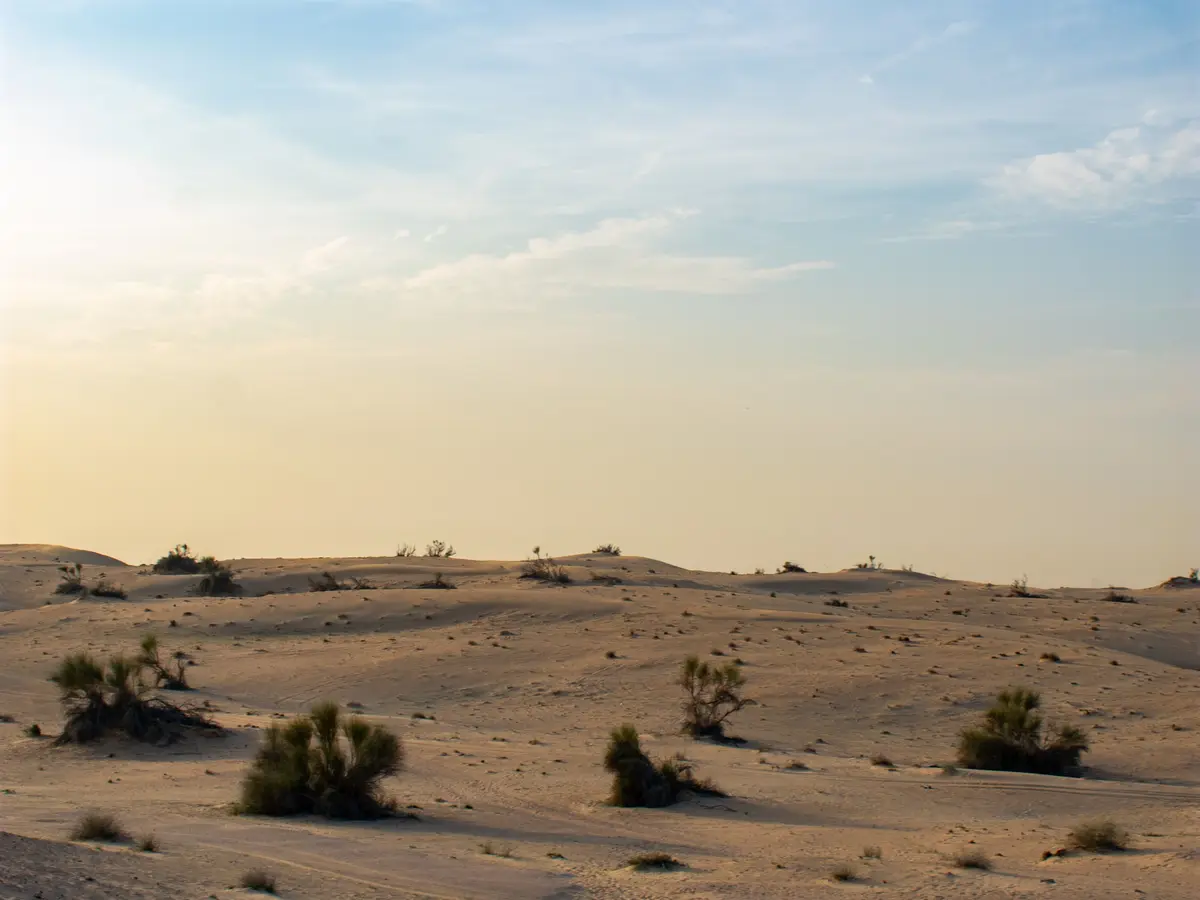
Millions of years ago, part of what is now Egypt’s desert was covered by a shallow sea.
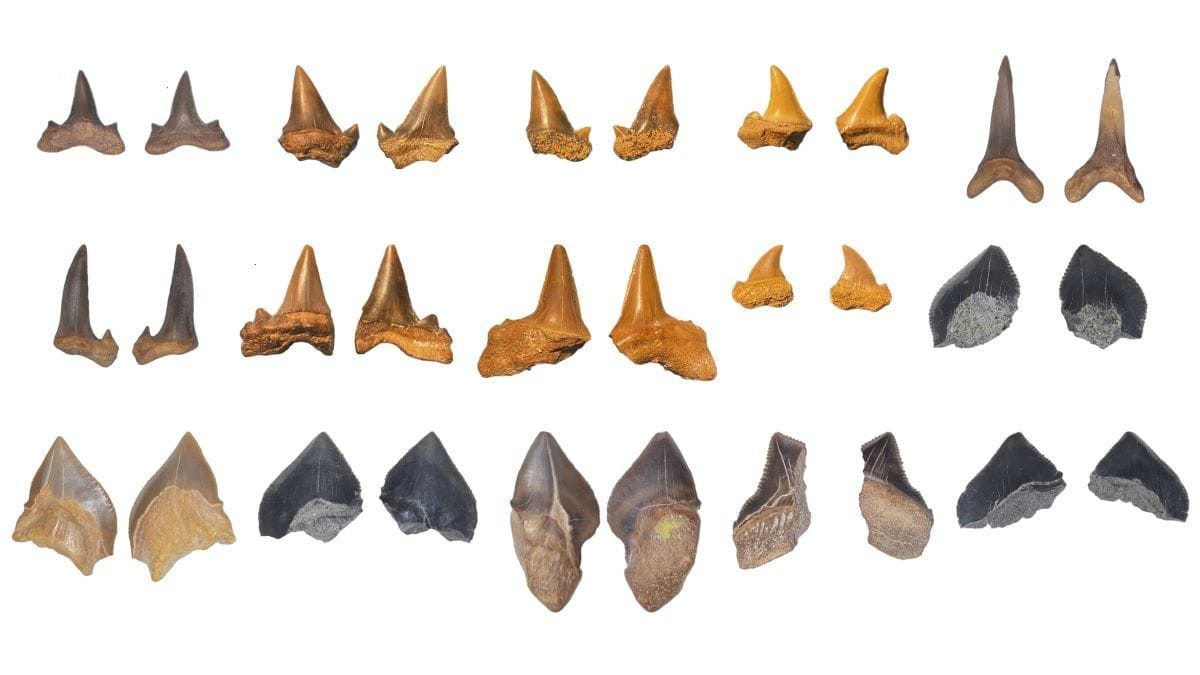
Scientists found 14 shark teeth in rocks left behind by that sea.
The teeth came from seven different kinds of sharks.
Five of those kinds had not been reported from this area before.
Two species were also new records for Egypt.
One shark may be the first example of its kind found in Africa.
The ancient sea may have had lots of food because deep, nutrient-rich water rose toward the surface.
Scientists caution that the sharks may not all have lived there at the same time because the rocks combined remains from different periods.

Researchers found 14 previously unreported shark teeth on Egypt’s Abu-Tartur Plateau.
The fossils came from the phosphate-rich Duwi Formation, formed from an ancient seabed.
The teeth represent seven shark species, including five not previously recorded at Abu-Tartur.
Serratolamna cf. serrata and Squalicorax bassanii are new records for Egypt.
Nutrient-rich ocean upwelling may have supported a productive ecosystem with several large shark predators.
- Who
- A team led by palaeontologist Tarek Yassin of Cairo University.
- What
- Researchers identified shark fossils representing seven species from the Duwi Formation.
- Where
- The fossils were found on the Abu-Tartur Plateau in Egypt’s Western Desert.
- When
- The sharks lived during the Cretaceous period, about 145 million to 66 million years ago; the study was published in Cretaceous Research.
- Why
- The findings suggest the area once supported a productive marine ecosystem, possibly because ocean upwelling supplied nutrients.
Key facts
- Fossil location
- Abu-Tartur Plateau, Egypt’s Western Desert
- Geological formation
- Phosphate-rich Duwi Formation
- Fossils examined
- 14 previously unreported shark teeth
- Shark diversity
- Seven species identified
- New Abu-Tartur records
- Five species had not previously been recorded there
- New Egyptian records
- Serratolamna cf. serrata and Squalicorax bassanii
- Potential significance
- Scapanorhynchus cf. raphiodon may be the first known occurrence of the species in Africa and its youngest known fossil record
Sources
Related news
Egyptian Shark Graveyard Reveals Ancient Cretaceous Marine Ecosystem

Scientists Discover New Deep-Sea Skate in Arabian Sea
Ancient Landscape Beneath Great Barrier Reef Reveals Human Past

Super El Niño May Push Rare Marine Life North

One Piece Season 2 Confirms 2026 Release, Chopper Joins