2 hrs ago
Ancient Antarctic Wildfires Revealed in 90-Million-Year-Old Sediments
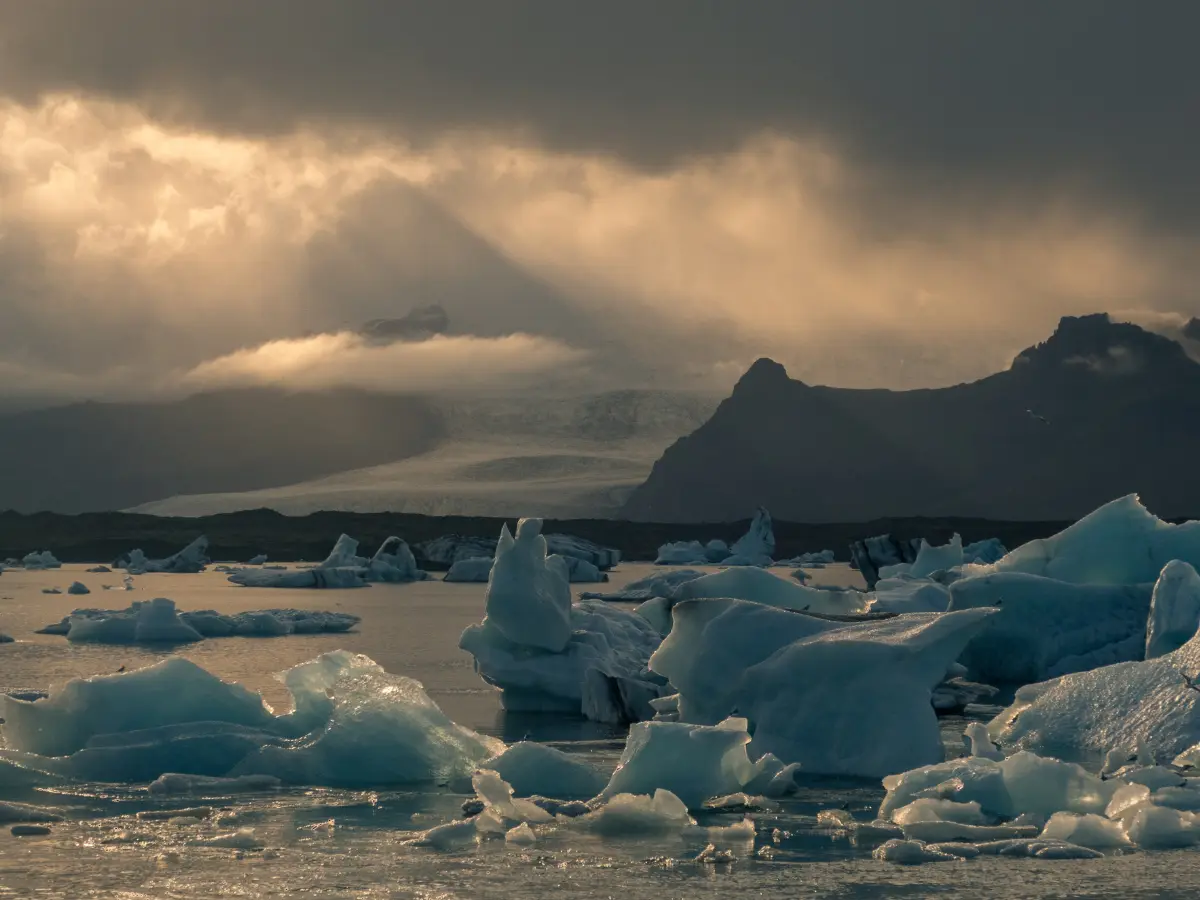
Antarctica is covered in ice today, but it was much warmer about 90 million years ago.
At that time, trees and rainforests grew there.
Scientists studied an underground core of old sediment from West Antarctica.
They found charcoal, which is left behind after plants burn.
They also found amber, or hardened tree resin, and spores from peat moss.
These clues show that fires happened repeatedly in the ancient Antarctic forest.
The burned wood came from soft conifer trees and burned at low temperatures.
Dinosaurs lived on the continent during this same period.
The study was conducted by researchers from the Alfred Wegener Institute.

Researchers found evidence of recurring wildfires in Antarctica about 90 million years ago.
The fires occurred when West Antarctica was covered by a lush rainforest and trees.
Evidence included charcoal, amber, and peat-moss spores preserved in a sediment core.
Charcoal analysis indicated low-temperature burning of soft conifer wood.
The findings represent the southernmost wildfires recorded on Earth, according to the study.
- Who
- Researchers from the Alfred Wegener Institute, including co-author Johann Klages.
- What
- A study found evidence of recurring wildfires in Antarctica about 90 million years ago.
- Where
- In a sediment core from the Amundsen Sea area of West Antarctica, about 900 kilometers from the South Pole.
- When
- During the Late Cretaceous period, about 90 million years ago; the study was published on September 7, 2026.
- Why
- The fires occurred when Antarctica had a warm, forested environment; the article identifies thunderstorms as the trigger.
Key facts
- Estimated fire age
- About 90 million years
- Geological period
- Late Cretaceous
- Evidence found
- Charcoal, amber, and peat-moss spores
- Burned material
- Soft conifer wood
- Burning conditions
- Low-temperature fires
- Research institution
- Alfred Wegener Institute in Bremerhaven, Germany
- Publication
- Communications Earth and Environment, September 7, 2026
Quotes
Johann Klages
Co-author of the study and researcher at the Alfred Wegener Institute in Bremerhaven, Germany
“In a sediment core from the Amundsen Sea in West Antarctica, we found an extremely well-preserved forest soil dating back around 90 million years, containing abundant pollen and spores and a dense network of roots.”
 wionews.com
Sources
Related news
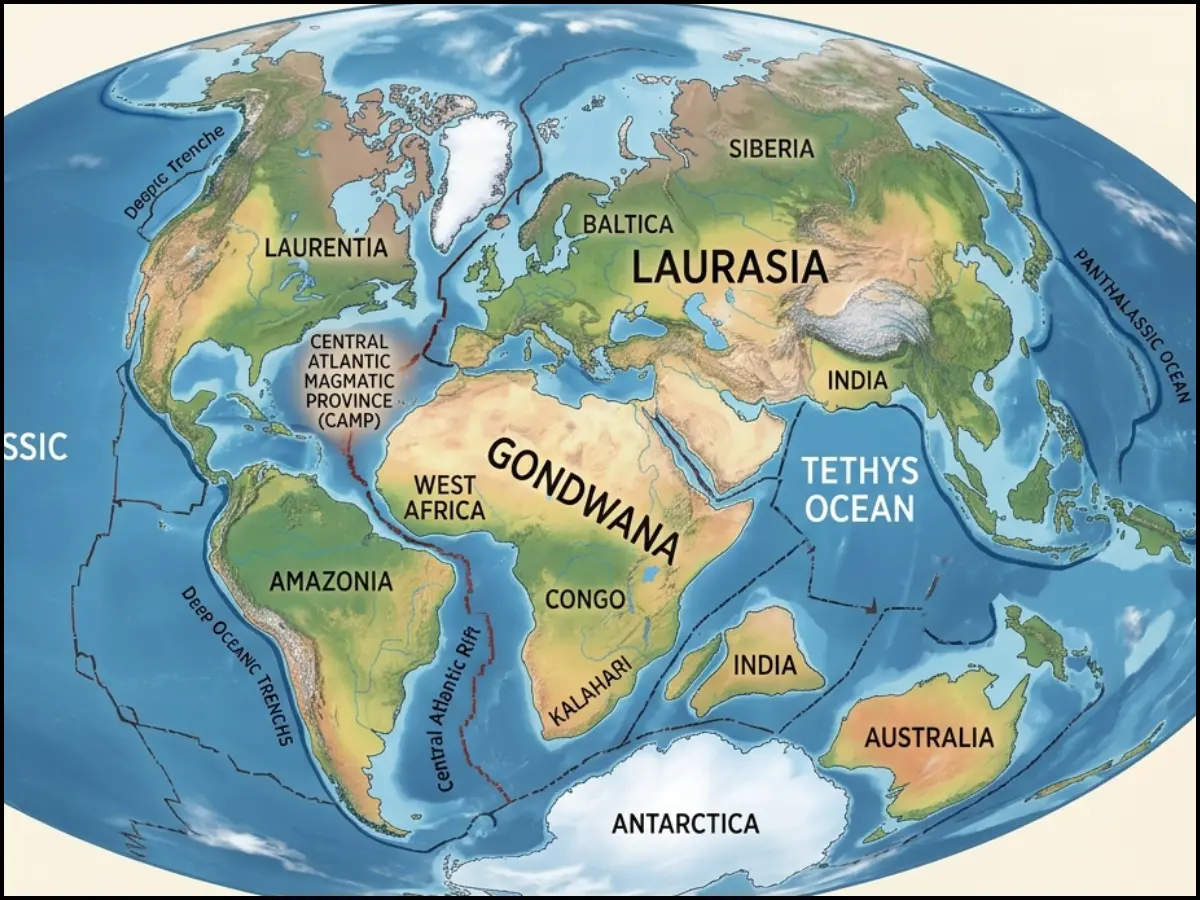
Ancient European Wildfires Burned for Up to 300,000 Years
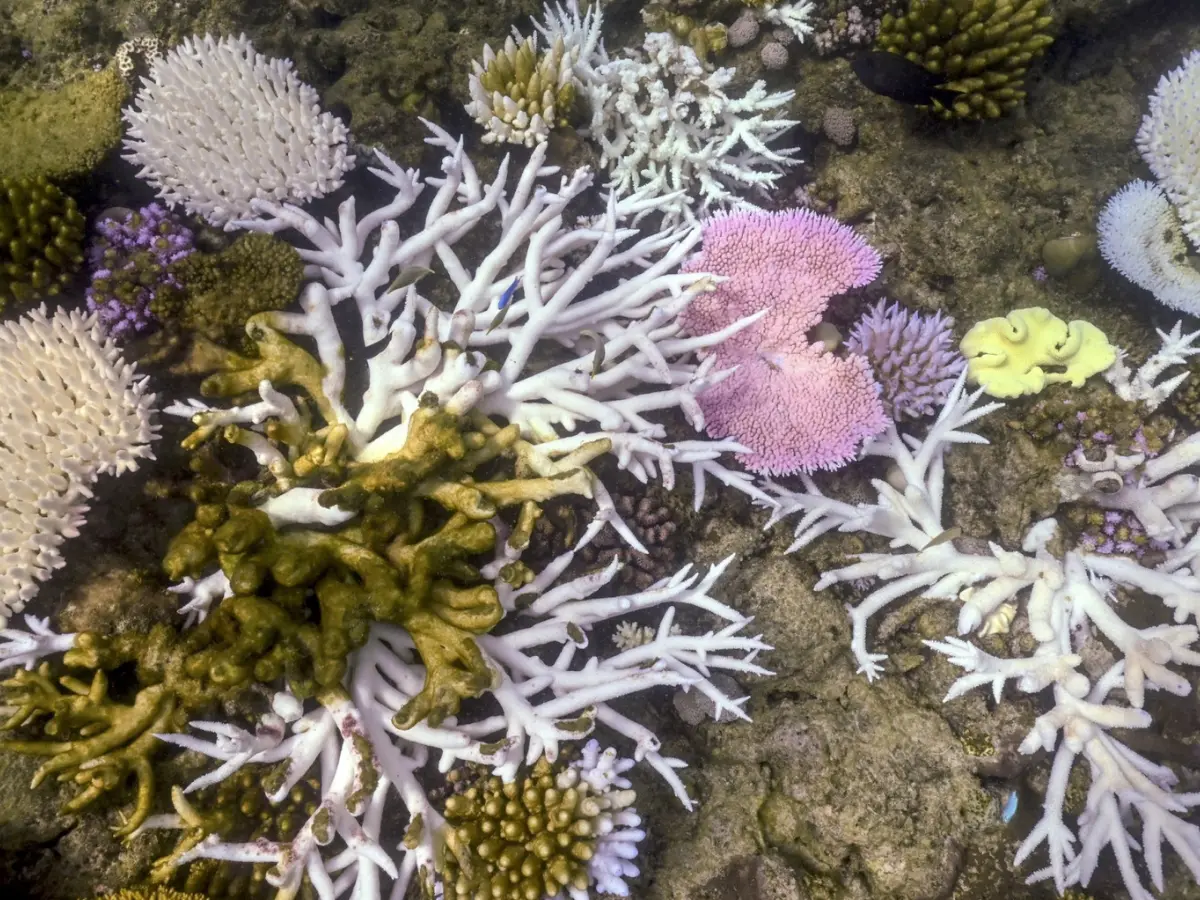
Ancient Landscape Beneath Great Barrier Reef Reveals Human Past
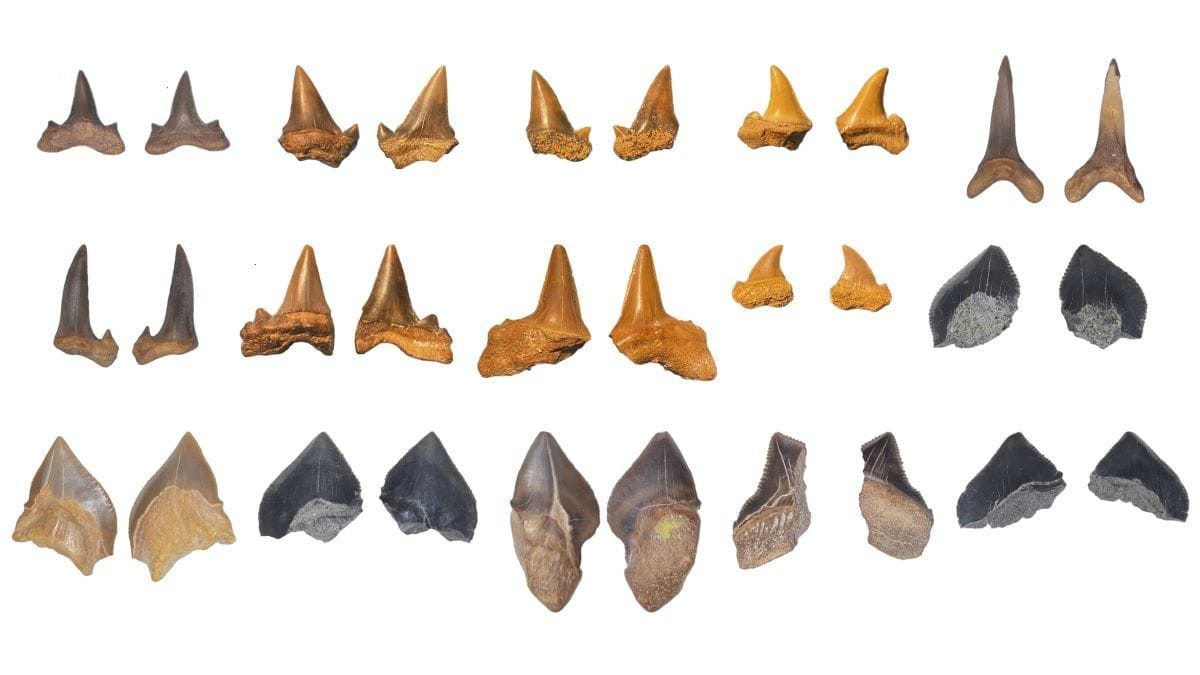
Egyptian Shark Graveyard Reveals Ancient Cretaceous Marine Ecosystem
Ancient Supervolcano Beneath England's East Coast Predates Dinosaurs
Egypt’s Desert Reveals Ancient Shark Graveyard From Cretaceous Sea
Ancient Million-Atomic-Bomb Volcano Discovered Beneath England’s East Coast by Scientists